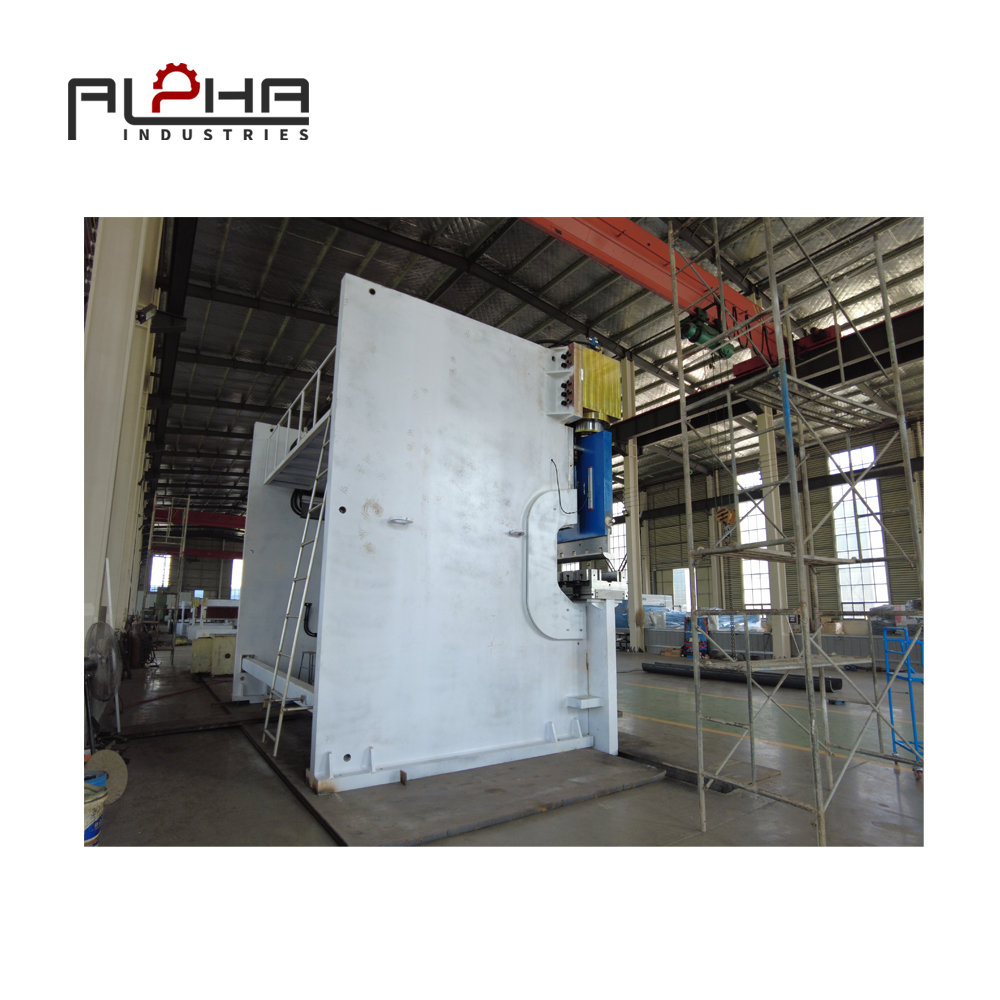


Why Thermal Stability Has Become the Hidden Competitive Advantage of Horizontal Machining Centers
Manufacturers across Europe and North America are under increasing pressure to produce high-precision components while reducing manufacturing costs. Customers expect tighter tolerances, faster delivery, and competitive pricing simultaneously.
Although spindle speed, rapid traverse rates, and tool magazine capacity remain important, experienced production engineers now focus on another critical performance indicator—thermal stability.
Thermal deformation directly affects machining accuracy, repeatability, tool life, and production consistency. A well-designed Horizontal Machining Center minimizes these issues before they impact manufacturing performance.
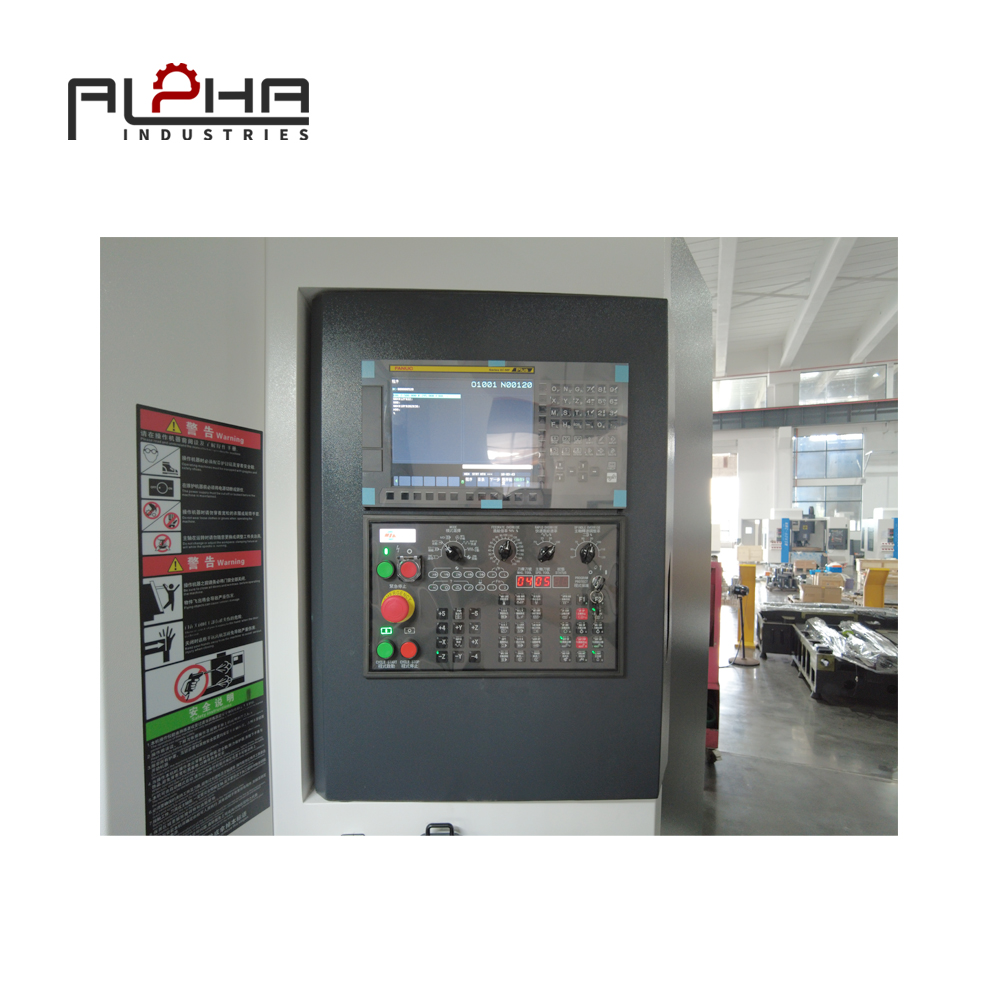
Why Thermal Growth Creates Expensive Manufacturing Problems
Every machining operation generates heat from multiple sources, including:
- High-speed spindle rotation
- Continuous cutting loads
- Ball screw movement
- Servo motors
- Hydraulic systems
- Coolant temperature changes
- Ambient workshop conditions
As machine components expand due to temperature fluctuations, even microscopic deformation can produce measurable machining errors.
Manufacturers producing aerospace parts, automotive transmission housings, hydraulic valve bodies, molds, and precision mechanical components may experience:
- Poor geometric accuracy
- Hole position deviation
- Flatness variation
- Reduced repeatability
- Assembly difficulties
- Increased inspection failures
- Additional finishing operations
- Higher scrap rates
When thousands of components are produced each month, these errors quickly become costly.
Why European and North American Manufacturers Prioritize Thermal Accuracy
Labor costs continue to rise throughout Europe and North America.
Instead of relying on operators to continually adjust machine offsets, manufacturers increasingly prefer machine tools capable of maintaining stable accuracy throughout long production cycles.
Modern production environments commonly include:
- Lights-out machining
- Overnight production
- Weekend unattended machining
- Flexible manufacturing systems (FMS)
- Automated pallet changers
These production methods demand machine tools capable of maintaining precision without frequent operator intervention.
Even minor spindle drift can interrupt an entire automated production schedule.
As a result, thermal stability has become a major purchasing consideration rather than a secondary specification.
How Modern Horizontal Machining Centers Reduce Thermal Deformation
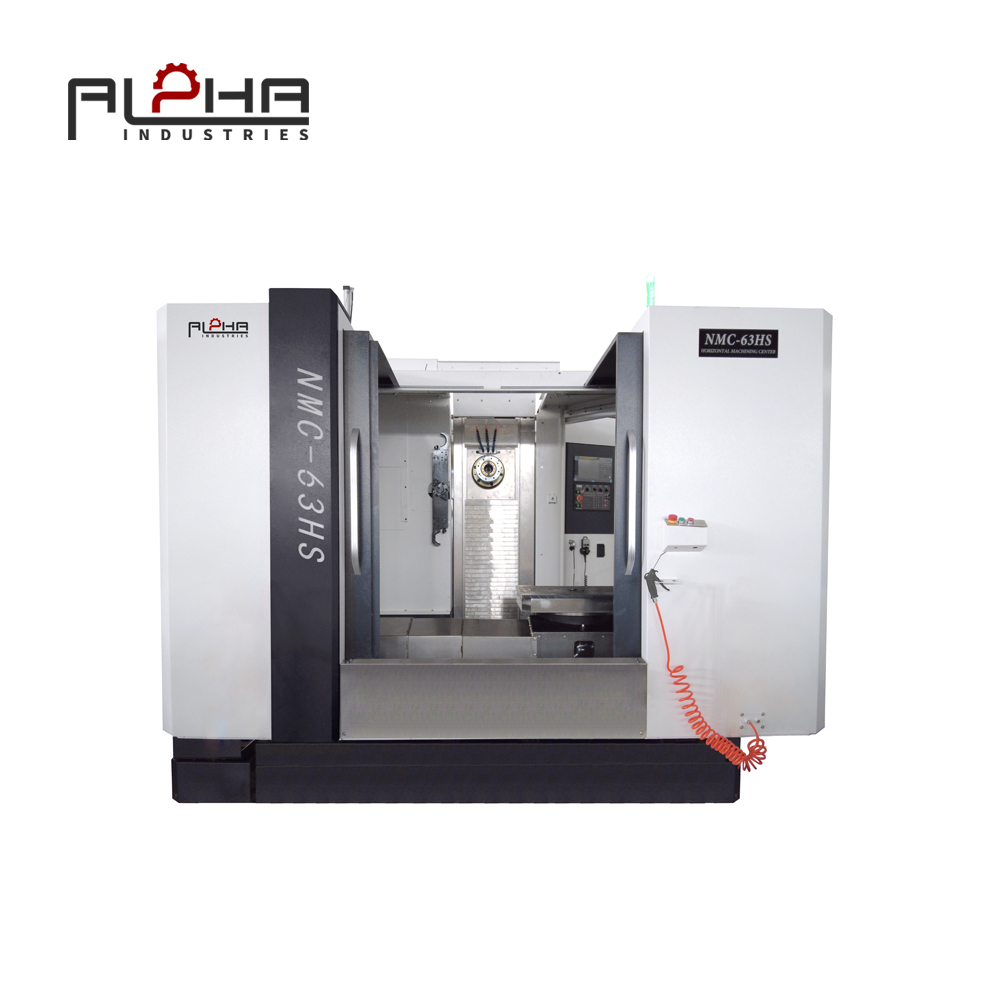
Modern Horizontal Machining Centers incorporate several engineering solutions designed to minimize heat-induced errors.
Symmetrical Machine Structure
A symmetrical machine design distributes thermal expansion evenly throughout the machine frame.
Instead of allowing deformation to shift machining accuracy in one direction, balanced structural design maintains consistent spindle positioning during extended machining operations.
Benefits include:
- Higher positioning accuracy
- Better repeatability
- Improved long-term stability
High-Rigidity Machine Castings
Large one-piece cast structures provide greater thermal inertia.
Because massive castings absorb and release heat gradually, dimensional changes occur more slowly than with lighter machine structures.
High-quality cast iron also offers:
- Excellent vibration damping
- Greater structural rigidity
- Improved geometric stability
Optimized Spindle Cooling
The spindle is typically the largest source of thermal expansion.
Modern Horizontal Machining Centers use advanced cooling systems to regulate spindle temperature continuously.
Stable spindle temperature helps maintain:
- Axial positioning accuracy
- Radial runout performance
- Superior surface finish
- Longer bearing life
- Extended cutting tool life
This enables manufacturers to maintain tight tolerances throughout long production runs.
Ball Screw Temperature Control
Precision ball screws generate significant heat during rapid axis movement.
Advanced lubrication and cooling systems reduce thermal expansion while maintaining positioning accuracy during continuous machining.
This feature becomes especially valuable during multi-shift production.
Intelligent Thermal Compensation Systems
Many advanced Horizontal Machining Centers integrate thermal compensation technology.
Temperature sensors continuously monitor key machine components.
The CNC control automatically compensates for predictable thermal changes before they affect machining accuracy.
Advantages include:
- Reduced manual offset adjustments
- Higher dimensional consistency
- More stable production
Benefits for High-Mix and High-Volume Manufacturing
Thermal stability benefits both low-volume precision machining and mass production.
For high-mix manufacturing:
- Faster machine setup
- Less time requalifying jobs
- Improved flexibility
For high-volume production:
- Lower rejection rates
- Better dimensional consistency
- Higher process capability (Cp/Cpk)
- Reduced operator intervention
- Longer unattended machining cycles
- Higher machine utilization
Together, these improvements reduce production costs while increasing customer satisfaction.
Why Thermal Stability Improves Tool Life
Temperature fluctuations influence both machine geometry and cutting performance.
When spindle positioning changes during machining:
- Cutting loads become inconsistent
- Tool engagement varies
- Vibration increases
- Surface finish deteriorates
- Cutting edges wear more rapidly
Maintaining stable spindle temperature allows cutting tools to perform consistently throughout machining operations.
Manufacturers typically benefit from:
- Longer tool life
- Lower tooling costs
- Better surface quality
- More predictable production planning
Selecting the Right Horizontal Machining Center
When evaluating a Horizontal Machining Center, buyers should consider more than spindle speed or motor power.
Important evaluation criteria include:
- Machine structural rigidity
- Thermal stability design
- Spindle cooling technology
- Ball screw cooling system
- Positioning accuracy
- Repeatability
- Long-term dimensional consistency
- Automation compatibility
- Maintenance accessibility
- Global service support
These factors often have a greater impact on long-term productivity than headline specifications alone.
Why ALPHA Horizontal Machining Centers Support Long-Term Manufacturing Success
At ALPHA, every Horizontal Machining Center is engineered to deliver stable machining performance in demanding production environments.
Our machines feature:
- High-rigidity machine structures
- Precision assembly processes
- Reliable spindle systems
- Optimized thermal management
- Excellent machining repeatability
- Long-term production stability
Whether manufacturing automotive components, precision molds, heavy equipment parts, energy equipment, or complex industrial components, ALPHA Horizontal Machining Centers provide the reliability and productivity modern manufacturers require.
Manufacturers across Europe and North America continue investing in machining solutions that reduce downtime, improve quality consistency, and maximize return on investment.
Choosing a machine with superior thermal stability is an investment that delivers measurable value for years to come.
Frequently Asked Questions
1. Why is thermal stability more important than spindle speed?
High spindle speed increases productivity, but thermal stability ensures machining accuracy remains consistent during long production cycles.
2. How does thermal deformation affect machining quality?
Thermal deformation can cause dimensional errors, inaccurate hole locations, poor surface finishes, inconsistent repeatability, increased scrap, and additional rework.
3. Which industries benefit most from thermally stable Horizontal Machining Centers?
Industries including automotive, aerospace, mold manufacturing, precision engineering, energy equipment, medical devices, and heavy machinery benefit significantly from improved thermal stability.
4. Can thermal stability improve unattended machining?
Yes. Stable thermal performance reduces manual offset adjustments, making lights-out machining and automated production more reliable.
5. How does a Horizontal Machining Center reduce production costs?
It improves dimensional consistency, extends tool life, reduces scrap, minimizes machine adjustments, increases equipment utilization, and lowers overall manufacturing costs.
Conclusion
Thermal stability is no longer an optional feature—it has become a fundamental requirement for modern precision manufacturing. A thermally optimized Horizontal Machining Center delivers greater machining accuracy, higher production consistency, longer tool life, and lower operating costs.
For manufacturers competing in Europe and North America, investing in superior thermal stability means improved efficiency, reduced production risk, and stronger long-term profitability.
Contact Us
Ready to improve machining accuracy and production consistency with a reliable Horizontal Machining Center?
ALPHA provides advanced machining solutions designed for manufacturers seeking precision, stability, and long-term productivity.
👉 Contact our engineering team today for a customized machining solution.
Website: https://alpha-cnc.com/
Contact: https://alpha-cnc.com/contact-us