

Why Fixture Costs Have Become a Hidden Profit Killer for Modern Manufacturers
For many manufacturers across Europe and North America, discussions about machining efficiency usually focus on spindle speed, rapid traverse rates, or tool capacity. However, one major cost factor is often overlooked during equipment investment decisions—fixture costs.
As product designs become more complex and customer demand shifts toward customized components and smaller production batches, manufacturers must produce a wider variety of parts. Every new component often requires dedicated fixtures, multiple clamping operations, and repeated machine setups.
Although each fixture represents only a small portion of a project's budget, the cumulative investment across hundreds of different part numbers can significantly reduce profitability.
Today's manufacturers are realizing that reducing fixture dependency is just as important as improving cutting efficiency.
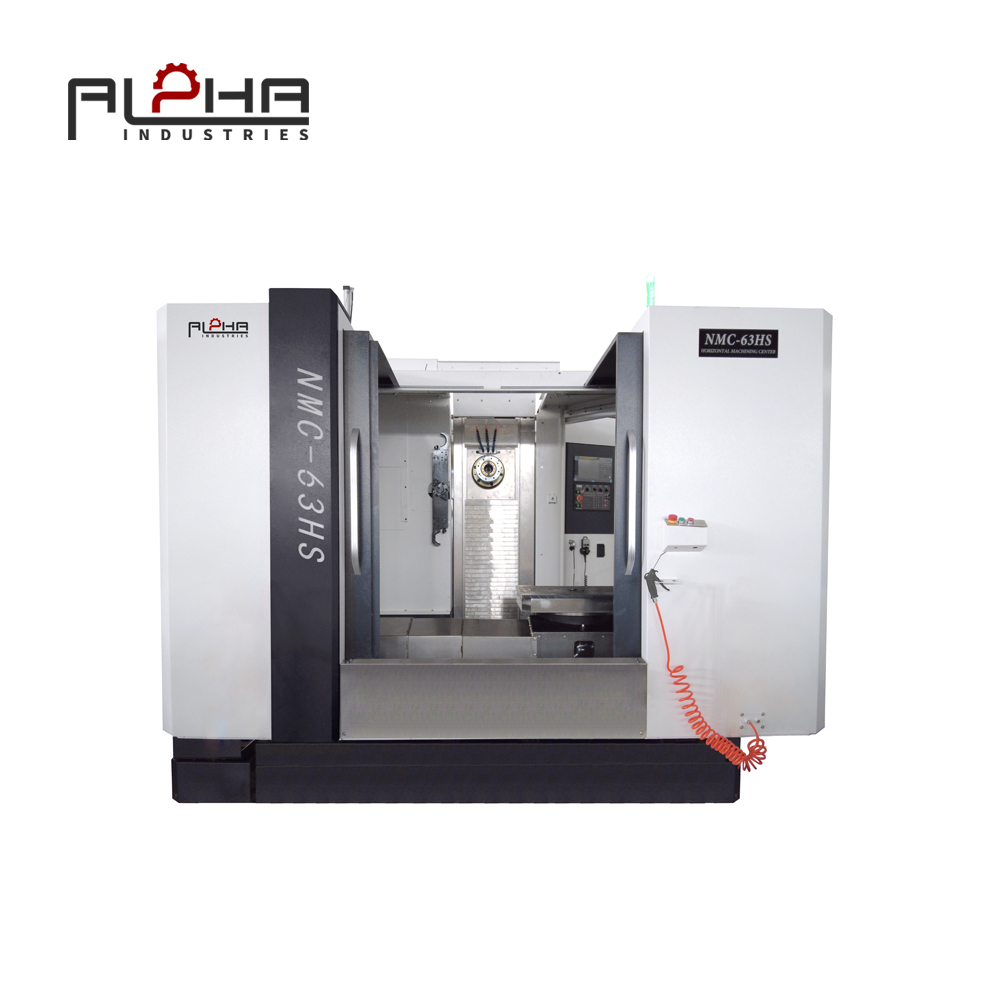
This is where the Horizontal Machining Center (HMC) provides outstanding value.
Manufacturing Challenges Facing Europe and North America
Manufacturers are currently experiencing several major challenges:
- Rising labor costs
- Increasing demand for customized products
- Smaller production batches
- Shorter delivery schedules
- Tight geometric tolerance requirements
- Difficulty recruiting experienced CNC machinists
Traditional machining methods requiring multiple setups become increasingly inefficient under these conditions.
Each additional setup introduces:
- More labor
- More inspection
- Higher fixture investment
- Greater dimensional variation
Manufacturers therefore need machining solutions that simplify production while maintaining exceptional precision.
Why Multiple Setups Increase Manufacturing Costs
Complex workpieces often require machining on four or five different faces.
Traditional machining generally follows this process:
- Install the first fixture
- Machine one surface
- Remove the workpiece
- Install another fixture
- Reposition the component
- Re-establish work coordinates
- Verify alignment
- Continue machining
This sequence may be repeated several times before the part is complete.
Each additional setup increases:
- Fixture investment
- Machine idle time
- Operator workload
- Positioning errors
- Inspection requirements
- Production lead time
Even experienced operators cannot completely eliminate accumulated positioning errors.
The Hidden Cost of Fixture Management
Fixture costs extend far beyond purchasing tooling.
Manufacturers must also consider:
Fixture Design Engineering
Custom fixtures require engineering resources for design, simulation, and validation.
Manufacturing Costs
Precision fixtures require:
- Machining
- Grinding
- Heat treatment
- Assembly
Storage Requirements
Factories producing hundreds of part numbers require dedicated fixture storage systems.
Maintenance
Fixtures require regular:
- Inspection
- Cleaning
- Repair
- Calibration
Inventory Management
Finding the correct fixture can delay production if documentation is incomplete.
Over time, these hidden costs may exceed the original machine investment.
How a Horizontal Machining Center Reduces Fixture Dependency
Modern Horizontal Machining Centers are designed to machine multiple surfaces during a single clamping operation.
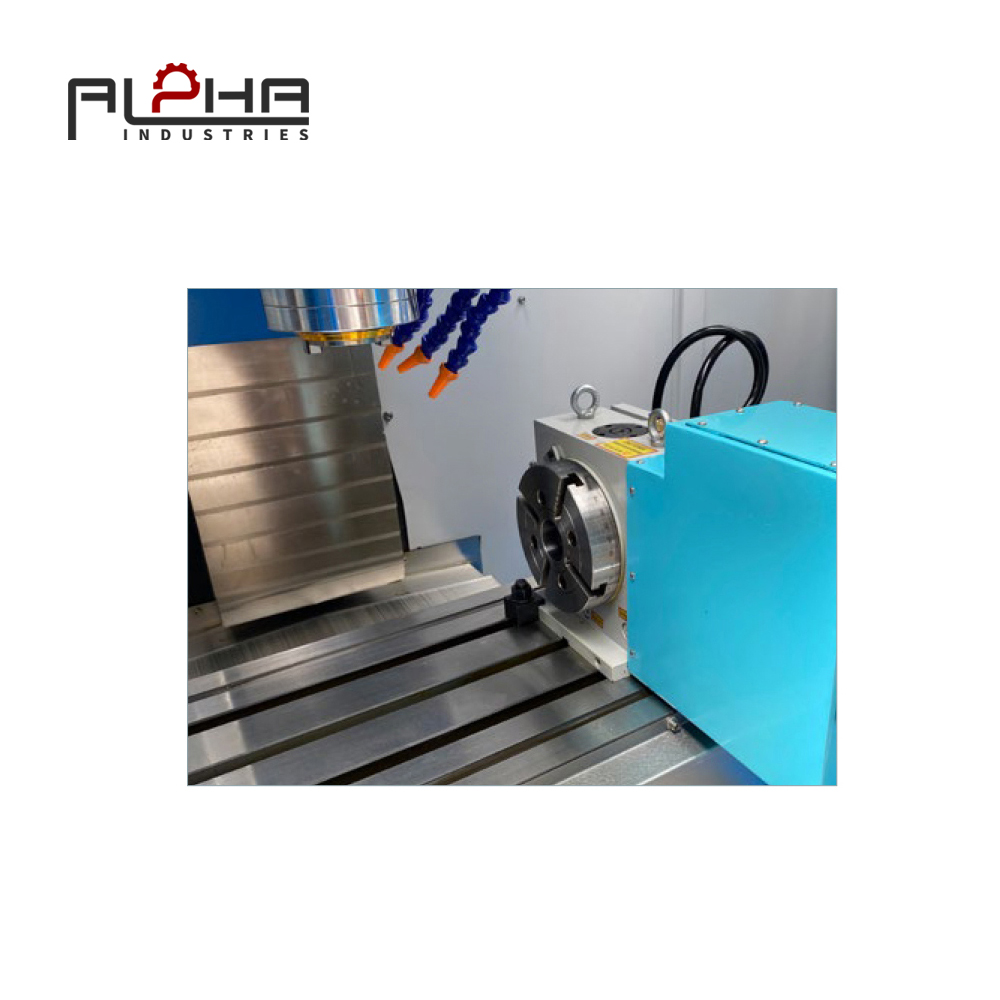
Instead of repeatedly repositioning the workpiece, the machine automatically indexes it using a high-precision rotary table.
Benefits include:
- Fewer fixtures
- Less manual positioning
- Faster production
- Simplified workflows
Single-Clamping Machining Improves Precision
One of the greatest advantages of an HMC is maintaining one machining reference throughout the entire process.
Because the workpiece remains clamped:
- Datum references remain consistent
- Hole positions become more accurate
- Better parallelism
- Better perpendicularity
- Improved flatness
- Reduced cumulative positioning errors
This level of consistency is especially important for:
- Aerospace
- Automotive
- Energy equipment
- Precision machinery
Rotary Tables Replace Manual Repositioning
A high-precision rotary table automatically rotates the workpiece to the required machining angle.
Instead of removing and reclamping the part, the machine simply indexes to the next position.
Advantages include:
- Reduced setup time
- Higher repeatability
- Less operator intervention
- Better surface consistency
- Higher machining efficiency
This feature is ideal for complex prismatic components.
Better Fixture Utilization Means Lower Capital Investment
Using fewer dedicated fixtures allows manufacturers to achieve:
- Lower tooling investment
- Smaller fixture inventory
- Simplified production planning
- Faster new product introduction
- Reduced engineering workload
These savings become significant for manufacturers producing hundreds or thousands of unique components each year.
Supporting Automation and Lights-Out Manufacturing
Automation has become a strategic priority across Europe and North America.
Horizontal Machining Centers integrate easily with:
- Automatic pallet changers
- Robotic loading systems
- Flexible Manufacturing Systems (FMS)
- Automatic tool management
- Digital production monitoring
Fewer manual setups make automation more reliable while extending machine utilization.
Long-Term Financial Benefits
Although a Horizontal Machining Center typically requires a higher initial investment than conventional machining equipment, its long-term ROI is considerably greater.
Manufacturers benefit from:
Reduced Fixture Procurement Costs
Lower fixture investment and maintenance expenses.
Lower Labor Costs
Operators spend less time on setup and more time on production.
Higher First-Pass Yield
Improved positioning reduces dimensional variation and rework.
Faster Product Development
New parts require fewer dedicated fixtures.
Higher Machine Utilization
Machines spend more time cutting and less time waiting.
These advantages directly improve profitability and competitiveness.
Why Choose ALPHA Horizontal Machining Centers
Modern manufacturers need more than high-speed machining—they need production systems that reduce complexity and maximize long-term value.
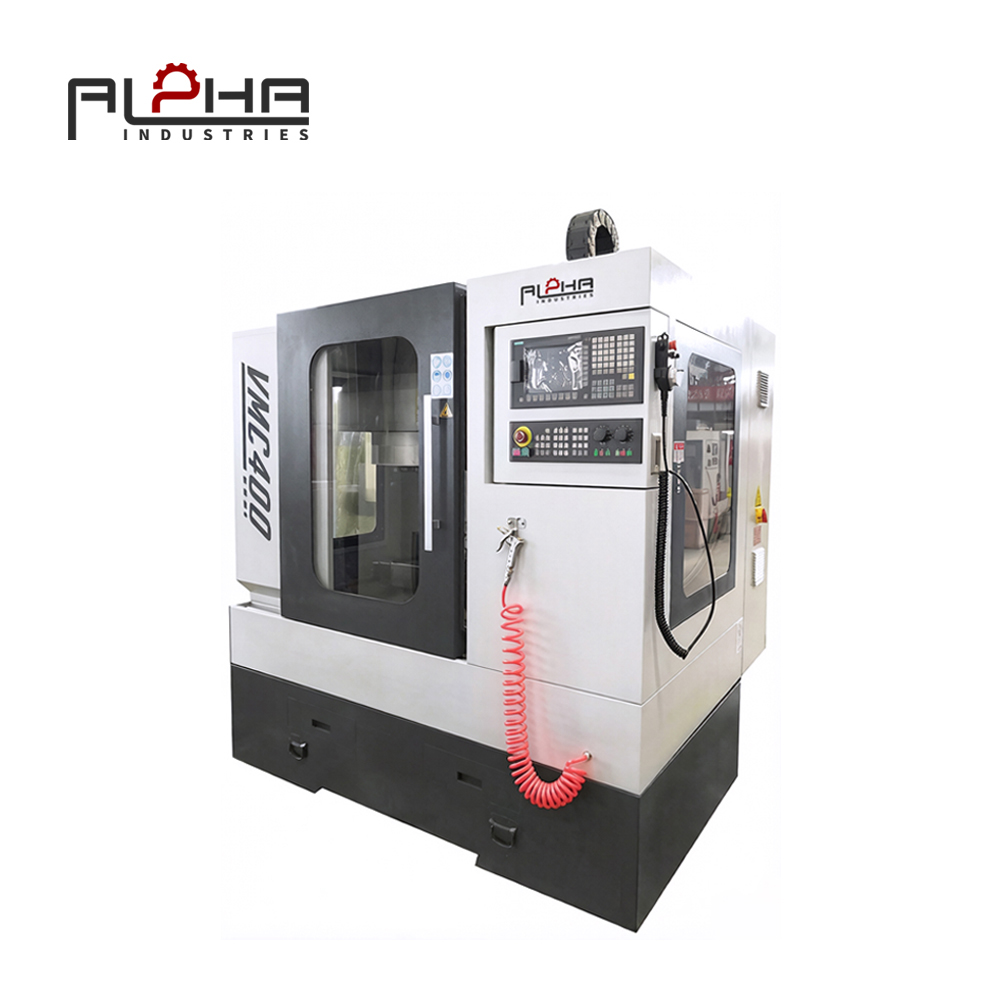
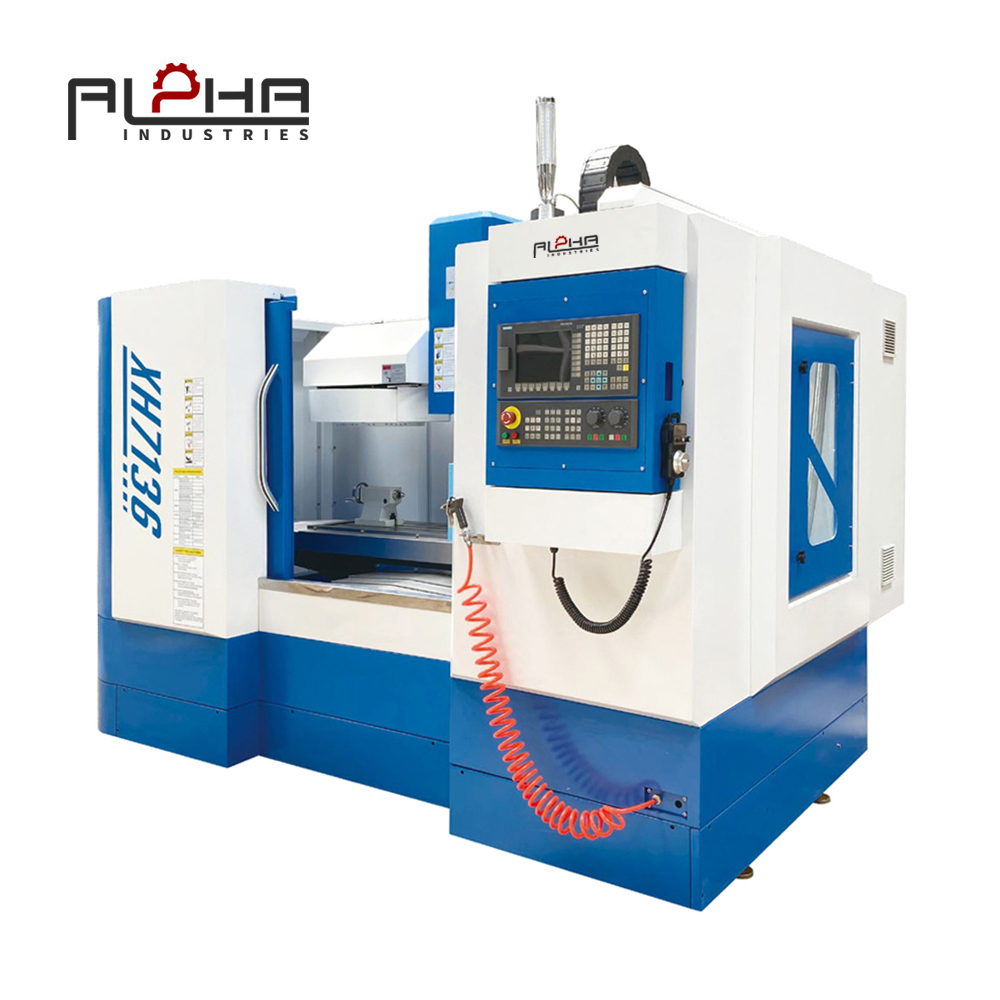
ALPHA Horizontal Machining Centers feature:
- High-rigidity machine structures
- Precision rotary tables
- Advanced CNC control systems
- Automation-ready configurations
Whether producing automotive transmission housings, hydraulic valve blocks, aerospace components, molds, heavy equipment parts, or precision industrial machinery, ALPHA provides dependable machining solutions for continuous high-performance production.
Frequently Asked Questions (FAQ)
1. Why are fixture costs increasing in modern manufacturing?
Growing product customization and smaller production batches require more dedicated fixtures, increasing engineering, production, and maintenance costs.
2. How does a Horizontal Machining Center reduce fixture requirements?
An HMC machines multiple surfaces during one clamping operation using a precision rotary table, eliminating many secondary setups.
3. Does reducing setups improve machining accuracy?
Yes. Fewer setups reduce cumulative positioning errors, improving geometric accuracy, repeatability, and part quality.
4. Which industries benefit most from Horizontal Machining Centers?
Automotive, aerospace, mold manufacturing, hydraulic systems, agricultural machinery, energy equipment, and heavy equipment manufacturing.
5. Is a Horizontal Machining Center suitable for automation?
Absolutely. HMCs integrate with pallet changers, robotic loading systems, and Flexible Manufacturing Systems (FMS), making them ideal for lights-out manufacturing.
Contact Us
Optimize Your Machining Process with ALPHA Horizontal Machining Centers
Looking to reduce fixture costs, simplify production, and improve machining accuracy?
ALPHA offers advanced Horizontal Machining Centers engineered for precision, efficiency, and automation. Our experts can recommend the ideal solution based on your production requirements, materials, and future expansion plans.
Contact Us:
https://alpha-cnc.com/contact-us