

+86-17372713393 sale01@alpha-cnc.com

980MDi 4th Axis Installation Guide | ALPHA

  • Other
  • VMC
Posted by NANJING ALPHA CNC CO., LTD On Feb 27 2026

Step 1: Connect the Drive Power Supply

Description
The first step in installing the 980MDi 4th axis is connecting the drive power supply. Ensure the power source meets the voltage and current requirements of the A-axis drive to guarantee stable operation.
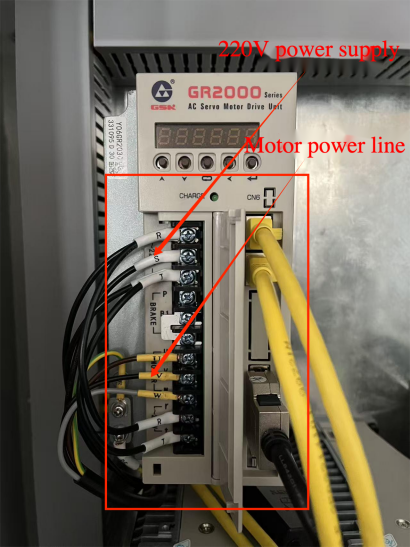
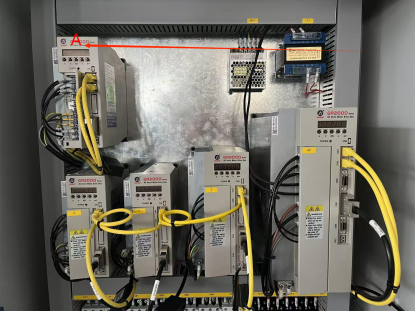
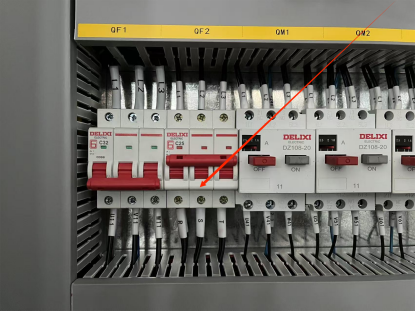
980MDi 4th axis drive power supply connection


Step 2: Connect the Motor Power Cable and Encoder Cable

Description
Connect the motor power cable and the motor encoder cable to the A-axis drive. The encoder connection is critical for accurate position feedback and precise rotary table control.
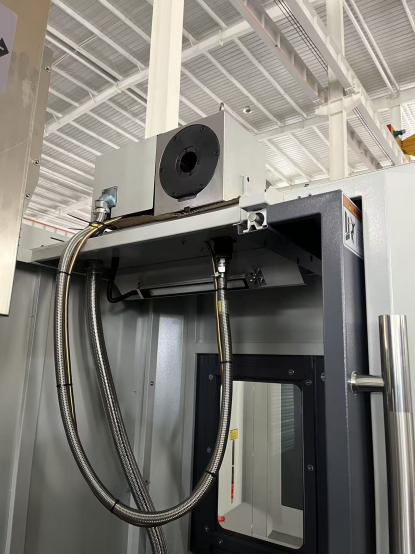
CNC rotary table motor and encoder cable wiring


Step 3: Connect the A-Axis Drive to the System (Daisy Chain)

Description
As shown in the installation diagram, connect the A-axis drive to the CNC system using the yellow Ethernet cable. The A-axis drive must be inserted between the CNC system and the X-axis drive in a daisy chain configuration.

This connection ensures correct system bus communication and axis synchronization.
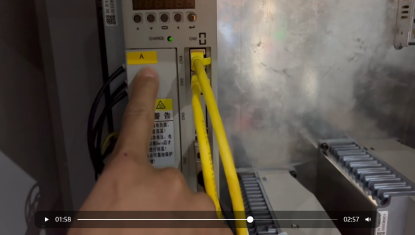
980MDi A-axis drive EtherCAT daisy chain connection


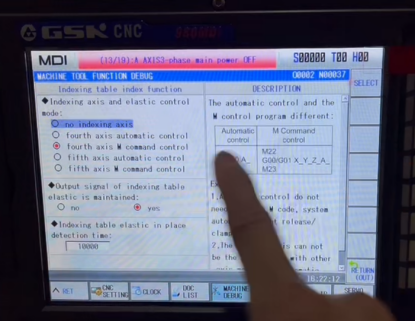
Step 4: Enter System Setup and Select Rotary Table Control Mode

Description
Access the system setup interface by entering the machine tool password. Press the System Debug button, then enter Rotary Table Settings. Select Manual M-code Control to enable manual control of the 4th axis rotary table.
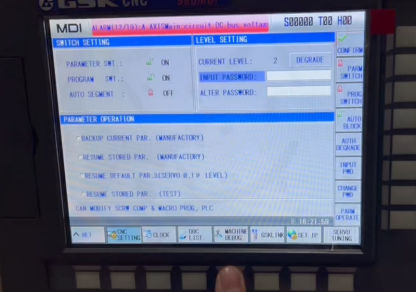
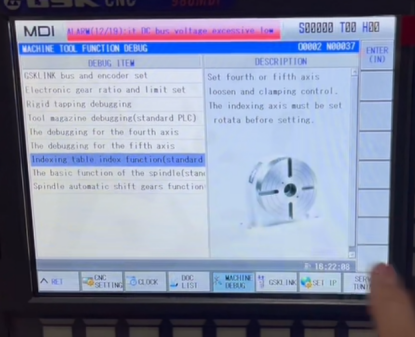
980MDi rotary table manual M-code control setting


Step 5: Enable the A-Axis Function (Parameter Setting)

Description
In the System Setup interface, locate Parameter 187.1 and set the value of the A-axis to 1. This step activates the A-axis function within the 980MDi CNC control system.
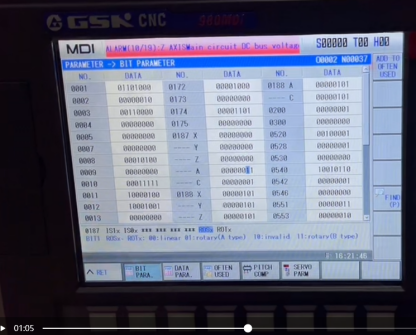
980MDi parameter 187.1 A-axis enable setting


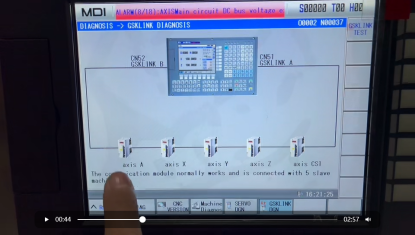
Step 6: System Diagnosis and Transmission Ratio Configuration

Description
After powering on the machine, enter the System Diagnosis interface. Verify that the system bus connection is normal. Then set the transmission ratio according to the A-axis gear ratio to ensure correct rotary motion and positioning accuracy.
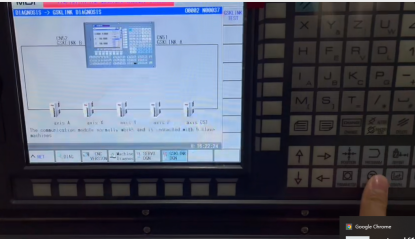
CNC 4th axis transmission ratio and system diagnosis


ALPHA CNC 4th Axis Installation Support

At ALPHA, we provide professional CNC integration solutions, including 4th axis rotary table installation, parameter configuration, and system commissioning. Correct installation ensures stable communication, precise motion control, and long-term machining reliability.
Featured Blogs
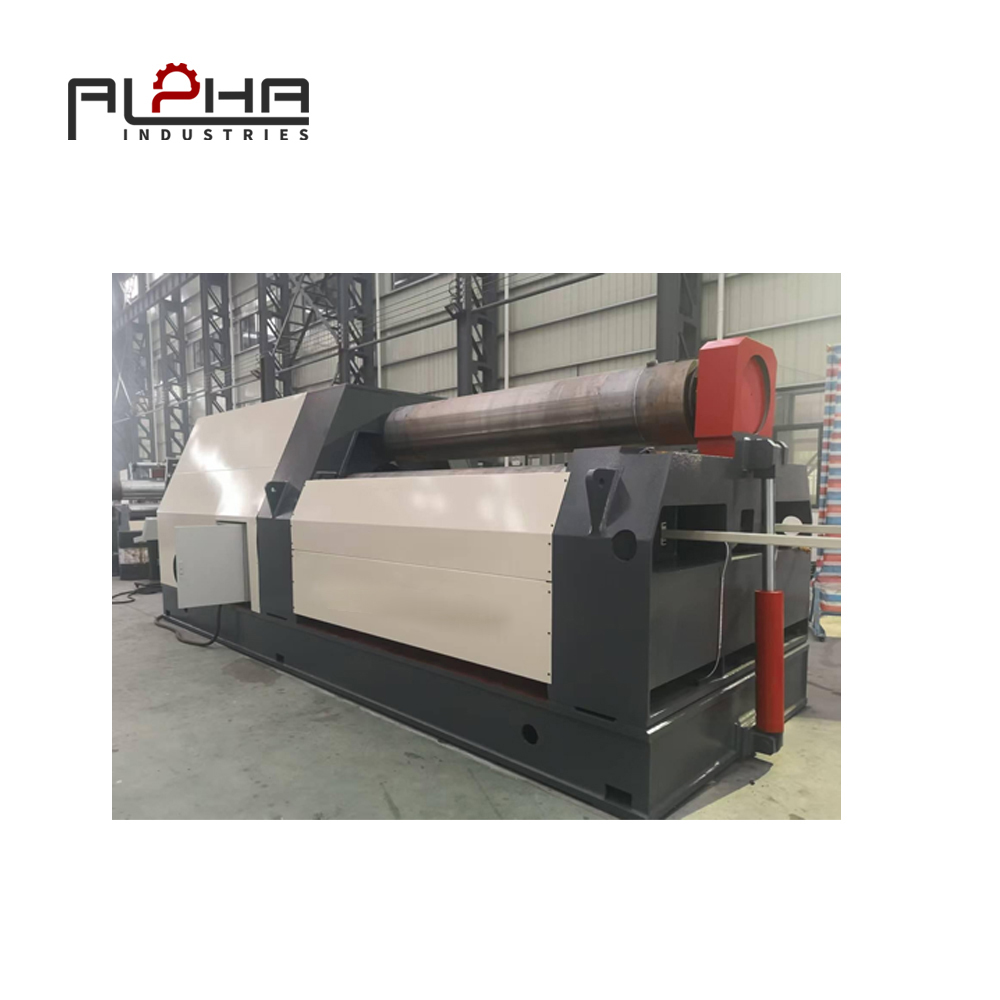
How to Control Energy Costs with a 4-Roller Plate Rolling Machine in Brazil

How to Control Energy Costs with a 4-Roller Plate Rolling Machine in Brazil

Rising electricity costs are creating additional pressure for Brazilian metal fabrication companies. For manufacturers processing steel plates into cylindrical components, controlling energy consumption is an important part of managing production expenses. This article explains how a 4-roller plate rolling machine can support better energy management through suitable machine sizing, hydraulic system maintenance, reduced idle operation, optimized rolling cycles, and preventive maintenance. It also provides practical purchasing considerations for Brazilian manufacturers looking to improve long-term equipment operating costs.

How a 4-Roller Plate Rolling Machine Improves Plate Rolling Accuracy and Reduces Material Waste in the USA

How a 4-Roller Plate Rolling Machine Improves Plate Rolling Accuracy and Reduces Material Waste in the USA

For American metal fabrication companies, achieving consistent plate curvature while minimizing material waste is a major production challenge. This article explores how a 4-roller plate rolling machine helps manufacturers improve rolling accuracy, control material deformation, reduce operator dependency, and achieve more reliable production results. It also explains important machine selection factors for businesses processing carbon steel, stainless steel, and other industrial metal plates.

How a 4-Roller Plate Rolling Machine Helps Mexican Manufacturers Meet Tight Production Deadlines

How a 4-Roller Plate Rolling Machine Helps Mexican Manufacturers Meet Tight Production Deadlines

As Mexico strengthens its position in North American manufacturing and nearshoring supply chains, metal fabrication companies face growing pressure to deliver customized products within shorter production schedules. This article explores how a 4-roller plate rolling machine helps Mexican manufacturers improve production flexibility, simplify workpiece handling, reduce unnecessary setup operations, and process different cylindrical components more efficiently.

NR-12 Safety Requirements for 4-Roller Plate Rolling Machines: What Brazilian Manufacturers Need to Know

NR-12 Safety Requirements for 4-Roller Plate Rolling Machines: What Brazilian Manufacturers Need to Know

For Brazilian metal fabrication companies, purchasing industrial machinery involves more than evaluating processing capacity and price. Machinery safety and NR-12 requirements are also important considerations when importing and installing equipment. This article explains the key safety aspects buyers should evaluate when selecting a 4-roller plate rolling machine, including roller guarding, emergency stop systems, hydraulic safety, electrical controls, operator training, and Portuguese technical documentation. It also provides practical guidance for preparing imported plate rolling equipment for safe industrial operation in Brazil.

Improving Plate Rolling Consistency in Colombia: How a 4-Roller Plate Rolling Machine Handles Mixed Production Requirements

Improving Plate Rolling Consistency in Colombia: How a 4-Roller Plate Rolling Machine Handles Mixed Production Requirements

For metal fabrication companies in Colombia, producing consistent rolled components from different plate sizes and material specifications can be a daily production challenge. Changes in plate thickness, width, material strength, and required diameter can make forming results difficult to repeat, especially when operators rely heavily on manual adjustments. A 4-roller plate rolling machine offers a practical approach to improving plate positioning, controlling pre-bending, and maintaining a more stable forming process. This article explains how four-roll technology can help Colombian manufacturers reduce dimensional variation, improve production repeatability, and build a more reliable workflow for tanks, cylindrical shells, structural components, and other rolled products.

How to Minimize Machine Downtime with a 4-Roller Plate Rolling Machine in Mexico

How to Minimize Machine Downtime with a 4-Roller Plate Rolling Machine in Mexico

For Mexican metal fabrication companies, unexpected machine breakdowns can interrupt production, increase maintenance expenses, and delay customer deliveries. This article explains how to evaluate a 4-roller plate rolling machine from a long-term reliability perspective. It covers hydraulic system maintenance, roller inspection, spare parts planning, operator training, preventive maintenance, and supplier support to help manufacturers reduce equipment downtime and maintain stable production.