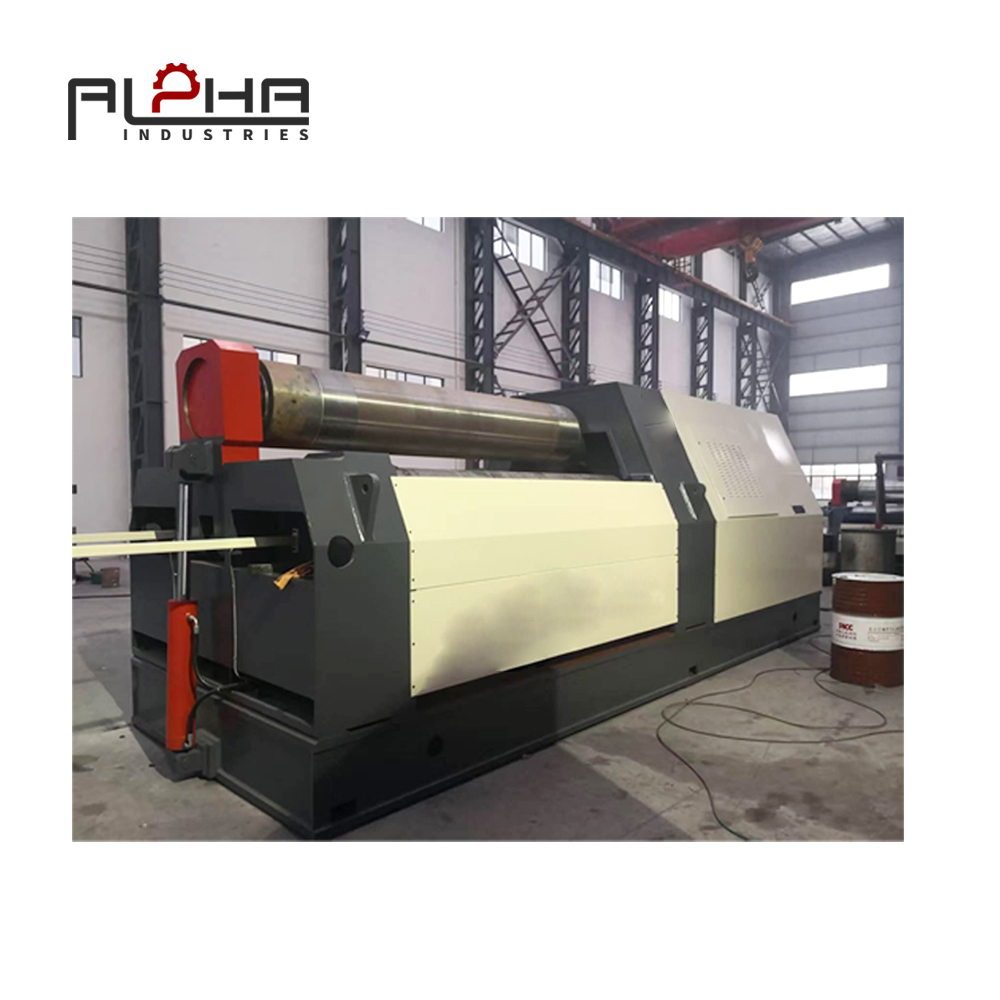


Electricity consumption is an important factor in the operating costs of industrial manufacturing.
For Brazilian metal fabrication companies, the cost of producing a finished metal component involves much more than raw materials and labor. Electricity, equipment maintenance, production preparation, and machine utilization all contribute to the final manufacturing cost.
In recent years, energy expenses have become an increasingly important concern for Brazilian industrial businesses.
According to a 2026 survey published by the National Confederation of Industry (CNI), 67% of surveyed companies reported that higher electricity costs had affected their production expenses. This highlights the importance of energy management in Brazil's manufacturing sector.
For companies producing storage tanks, pressure vessels, industrial pipes, and heavy steel structures, plate rolling is an important stage of the production process.
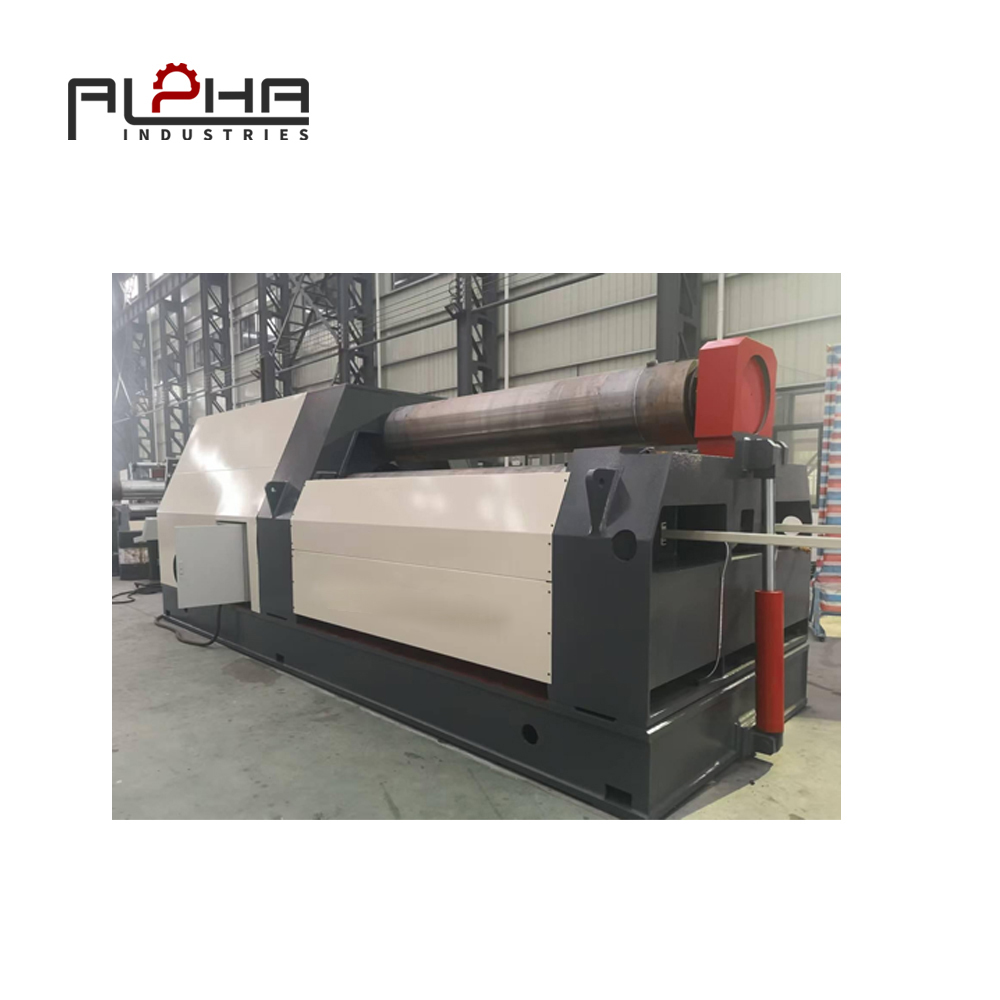
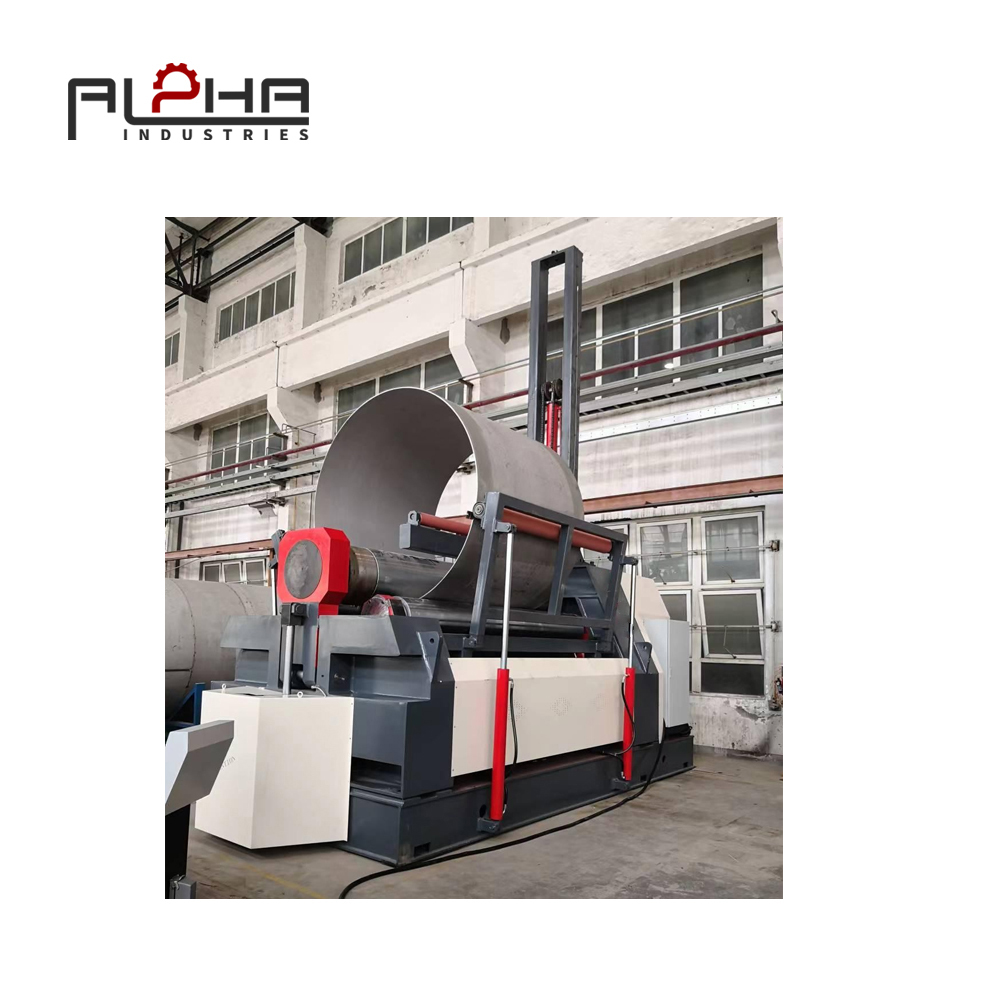
A 4-roller plate rolling machine uses mechanical and hydraulic systems to position, clamp, pre-bend, and roll metal plates. Its electricity consumption depends on several factors, including motor power, hydraulic system configuration, operating time, workpiece specifications, and production conditions.
When a machine is incorrectly selected or poorly maintained, unnecessary energy consumption can increase operating expenses.
The solution is not simply to purchase a machine with a lower motor power rating. Manufacturers need to evaluate how the machine performs under actual production conditions.
For Brazilian metal fabrication workshops, selecting suitable equipment and managing energy consumption throughout the rolling process can help improve long-term production economics.
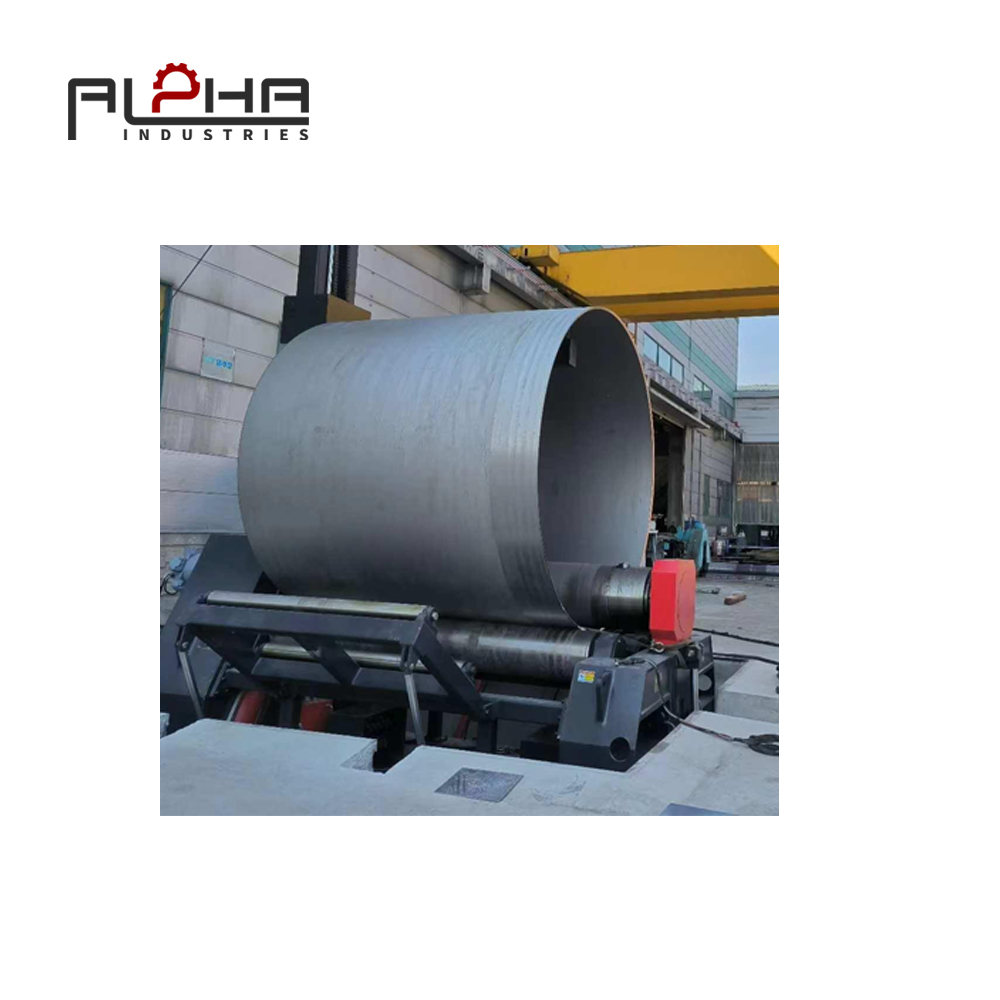
Why Energy Consumption Matters in Industrial Plate Rolling
Plate rolling machines are commonly used in industries that process large steel plates into cylindrical and curved components.
Typical applications include storage tanks, pressure vessels, industrial equipment, steel structures, and large-diameter cylindrical products.
During operation, the machine requires electrical power for its hydraulic system, motors, control system, and related mechanical functions.
Although the actual energy consumption varies by machine model and operating conditions, several factors influence the electricity required for each production cycle.
Hydraulic System Energy Demand
The hydraulic system is responsible for controlling important machine movements.
Depending on the machine design, hydraulic power may be used to operate roller movements, plate clamping, and other positioning functions.
The hydraulic pump and motor consume electricity while supplying the required operating pressure and flow.
If the system experiences internal leakage, excessive pressure loss, or poor maintenance conditions, it may operate less efficiently.
This can increase the amount of energy required to complete normal production tasks.
Unnecessary Idle Running
A machine may remain powered on even when it is not actively processing a steel plate.
In workshops with frequent production changes, material preparation delays, or inefficient scheduling, idle periods can accumulate throughout the working day.
The hydraulic pump, electrical components, and other systems may continue consuming energy depending on the machine's operating mode.
Reducing unnecessary idle operation is therefore an important part of energy management.
Incorrect Machine Capacity Selection
Some manufacturers select equipment based only on the maximum plate thickness they expect to process.
However, choosing an oversized machine without considering actual production requirements may increase the initial investment and introduce unnecessary operating capacity.
On the other hand, selecting a machine with insufficient capacity can place excessive loads on its hydraulic and mechanical systems.
The correct approach is to match machine specifications with regular production requirements while allowing sufficient capacity for occasional demanding applications.
Poor Maintenance and Reduced Operating Efficiency
Mechanical wear, hydraulic contamination, inadequate lubrication, and incorrect operating parameters can affect machine performance.
When the equipment requires repeated adjustments or operates under abnormal conditions, production time may increase.
Longer operating cycles can also increase total electricity consumption per finished workpiece.
Preventive maintenance is therefore closely connected to energy management.
How a 4-Roller Plate Rolling Machine Supports Better Energy Management
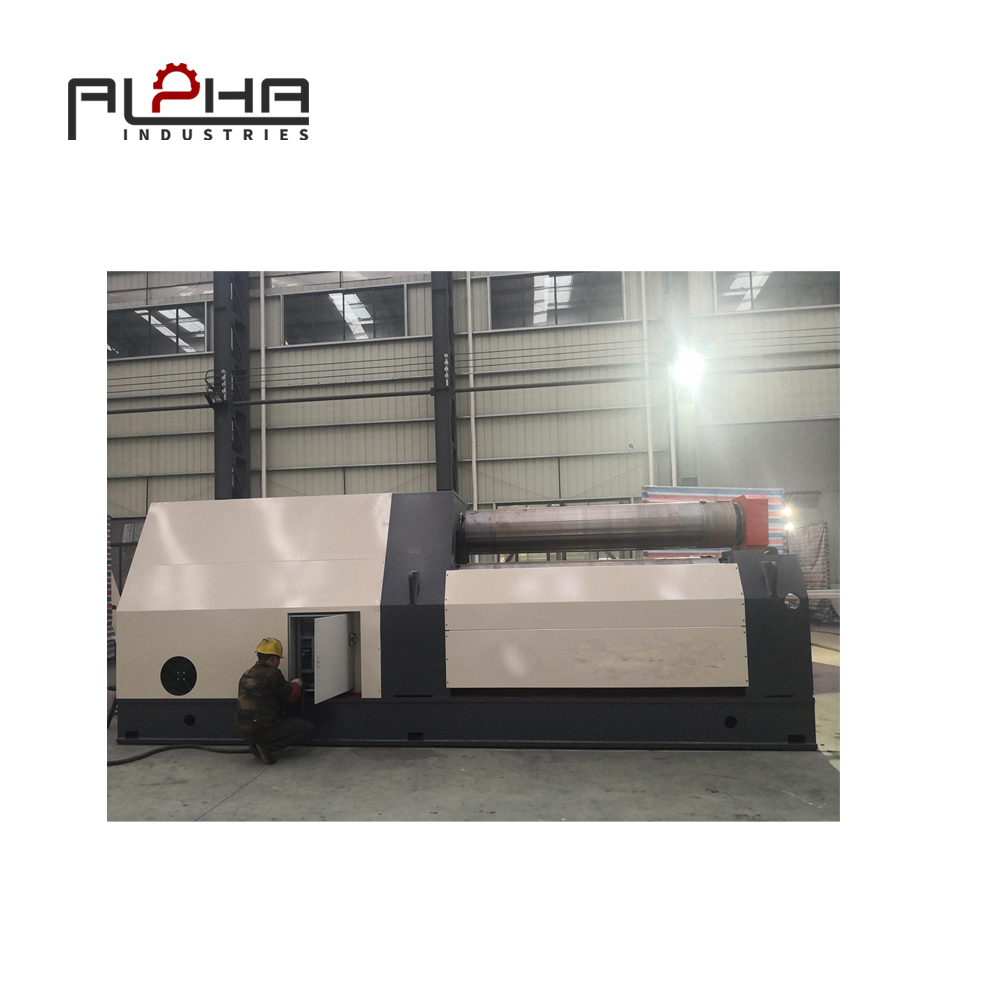
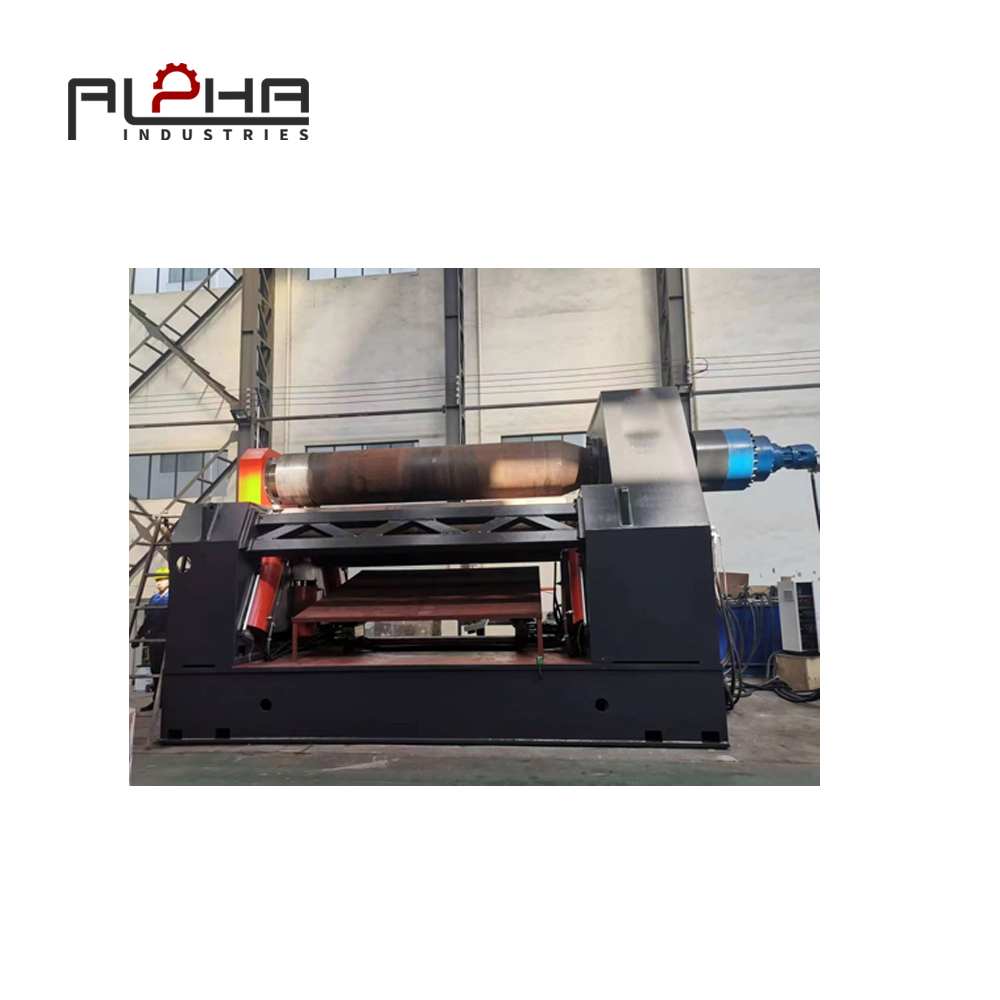
A 4-roller plate rolling machine uses an integrated roller arrangement to perform plate clamping, edge pre-bending, and rolling operations.
Its typical configuration includes:
-
One upper roller.
-
One lower roller.
-
Two side rollers.
-
Hydraulic and mechanical drive components.
-
An electrical control system.
The coordinated movement of these rollers allows the machine to handle multiple stages of the forming process.
From an energy management perspective, the main objective is to complete the required forming operations with appropriate machine loading, efficient operating sequences, and minimal unnecessary running time.
Integrated Processing Helps Reduce Unnecessary Handling
A four-roll configuration can perform pre-bending and rolling without repeatedly removing and repositioning the plate.
This can reduce handling time and simplify the overall production sequence.
Although material handling does not directly determine the machine's electrical consumption, a more organized workflow can reduce delays between operations and improve productive machine utilization.
For manufacturers processing different cylindrical components, this can help make better use of available production time.
Controlled Roller Movements Support Efficient Operations
The upper, lower, and side rollers work together to position and form the plate.
Properly controlled roller movements help operators complete the required bending sequence without unnecessary repeated adjustments.
When equipped with suitable CNC functions, the machine may support programmable positioning and repeatable operating procedures.
This can help reduce avoidable movements and improve the consistency of recurring production tasks.
The actual energy savings depend on machine configuration, control functions, material specifications, and operator practices.
Appropriate Hydraulic Configuration Helps Manage Power Consumption
The hydraulic system is an important consideration when evaluating a plate rolling machine's operating cost.
Buyers should understand the relationship between motor power, pump capacity, working pressure, and the machine's required forming force.
A hydraulic system should provide sufficient performance for the intended material and plate dimensions without being unnecessarily oversized.
It is also important to evaluate whether the machine includes energy-management features such as variable-speed drives, standby functions, or other power-control options.
These features should only be considered available when confirmed in the actual machine specification.
Stable Machine Performance Helps Avoid Repeated Processing
Incorrect roller positioning or unsuitable operating parameters can result in additional correction operations.
Repeated processing increases machine operating time and may increase energy consumption per finished component.
A properly selected machine, together with suitable operating procedures, can help operators achieve the required workpiece dimensions more consistently.
For Brazilian manufacturers producing cylindrical components in repeated batches, stable processing conditions can contribute to more predictable energy use.
Five Practical Ways to Reduce Energy Costs During Plate Rolling
Purchasing suitable equipment is only one part of controlling electricity consumption.
Daily operating practices also influence the amount of energy used during production.
Brazilian metal fabrication companies can consider the following measures.
Reduce Unnecessary Machine Idle Time
Operators should coordinate material preparation, machine setup, and production scheduling to minimize unnecessary waiting periods.
When no rolling operation is being performed, the machine should be placed in the manufacturer's recommended standby or shutdown condition, where appropriate.
The hydraulic system should not remain under unnecessary operating load during extended production interruptions.
This simple management practice can help reduce avoidable electricity consumption.
Select the Correct Rolling Parameters
Different materials and plate dimensions require different forming conditions.
The operator should consider:
-
Material type.
-
Plate thickness.
-
Material yield strength.
-
Working width.
-
Required rolling diameter.
-
Pre-bending requirements.
-
Machine-rated capacity.
Using suitable operating parameters helps avoid unnecessary repeated movements and correction cycles.
Processing conditions should always remain within the machine manufacturer's specified limits.
Maintain the Hydraulic System Regularly
Hydraulic system condition can influence the machine's operating efficiency.
Brazilian manufacturers should establish regular inspection procedures covering hydraulic oil, filters, pipelines, seals, cylinders, and connections.
Important maintenance activities include:
-
Checking hydraulic oil levels.
-
Monitoring oil condition.
-
Inspecting for leakage.
-
Replacing filters according to recommended intervals.
-
Checking hydraulic pressure stability.
-
Monitoring abnormal temperature increases.
-
Using the specified hydraulic oil grade.
The correct maintenance schedule should follow the equipment manufacturer's technical documentation.
Keep Rollers and Mechanical Components in Good Condition
The rollers and supporting mechanical components experience repeated loading during plate forming.
Insufficient lubrication or abnormal wear may affect mechanical movement and operating stability.
Regular inspection helps identify potential problems before they cause more serious equipment issues.
Manufacturers should pay attention to bearing condition, roller surfaces, lubrication points, and abnormal vibration.
Monitor Electricity Consumption Per Production Batch
Total electricity consumption is useful, but it does not always explain how efficiently a machine is being operated.
A more practical measurement is electricity consumption per finished workpiece or production batch.
For example, manufacturers can record:
-
Total electricity consumption.
-
Number of completed workpieces.
-
Average operating time.
-
Idle time.
-
Material thickness and type.
-
Rolling diameter.
This information helps production managers compare different operating procedures and identify opportunities to reduce unnecessary energy use.
Comparisons should involve workpieces with similar material specifications and forming requirements.
How Brazilian Manufacturers Can Evaluate the Energy Performance of a Plate Rolling Machine
When purchasing a new four-roll plate rolling machine, buyers should request more than a simple motor power specification.
Motor power indicates the rated electrical capacity of a motor, but it does not directly represent the electricity consumed during every production cycle.
Actual consumption depends on operating load, cycle duration, machine configuration, and working conditions.
A practical equipment evaluation should consider the following factors.
Main Motor Power and Hydraulic Pump Specifications
Ask the supplier for the main motor power, hydraulic pump specifications, and relevant electrical data.
Understanding these specifications helps buyers estimate the machine's power requirements and determine whether the available factory electrical supply is suitable.
Hydraulic System Design
The hydraulic system should provide the pressure and flow required for the machine's intended forming capacity.
Buyers should request information about the hydraulic circuit, pump configuration, and available energy-management features.
A suitable system should balance operating performance with practical maintenance requirements.
Actual Operating Consumption
If energy consumption is an important purchasing criterion, ask the supplier whether measured operating data can be provided.
Where possible, conduct a machine test using representative materials and production conditions.
A useful test should record electricity consumption during a complete operating cycle rather than relying only on motor nameplate ratings.
Standby and Power Management Functions
Some machine configurations may support standby modes or other power-management functions.
Buyers should verify whether these features are included and how they operate.
It is important not to assume that every CNC or hydraulic plate rolling machine has the same energy-saving functions.
Maintenance Accessibility
A machine that is easy to inspect and maintain can help reduce unnecessary downtime and maintain stable operating conditions.
Buyers should evaluate the accessibility of hydraulic components, lubrication points, electrical cabinets, and other maintenance-related areas.
Technical documentation and spare parts availability should also be considered.
The Importance of Electrical Supply Conditions in Brazil
Brazilian factories operate under different regional electrical infrastructure conditions.
Industrial electricity requirements should be evaluated before installing heavy machinery.
A plate rolling machine must be compatible with the factory's available voltage, frequency, phase configuration, and electrical protection arrangements.
Before purchasing equipment, buyers should confirm the following information with the supplier and their local electrical technicians.
Voltage Compatibility
The machine's electrical configuration must match the available factory supply.
If different voltage configurations are required, the necessary electrical arrangements should be discussed before shipment.
Frequency Compatibility
Brazilian industrial electrical systems commonly operate at 60 Hz.
However, buyers should verify the exact requirements of the machine's motors, control components, and electrical equipment.
Three-Phase Power Supply
Industrial plate rolling machines generally require an appropriate three-phase electrical supply.
The factory should confirm that its electrical installation can support the machine's rated power and starting requirements.
Electrical Protection
Suitable electrical protection helps safeguard the machine and its electrical components.
The installation should consider circuit protection, grounding, cable sizing, and other requirements specified by the manufacturer and applicable local regulations.
Power Quality
Voltage fluctuations and other electrical disturbances can affect industrial equipment.
Where necessary, manufacturers should consult qualified electrical professionals about suitable protection and power-quality solutions.
Proper electrical preparation helps avoid installation problems and supports more stable machine operation.
Choosing the Right 4-Roller Plate Rolling Machine for Brazilian Manufacturing Applications
Energy management should not be the only consideration when selecting a plate rolling machine.
The equipment must also meet the actual forming requirements of the workshop.
Rolling Thickness and Pre-Bending Capacity
Manufacturers should identify the maximum and most frequently processed plate thicknesses.
Rolling capacity and pre-bending capacity should be evaluated separately.
Material yield strength must also be considered because different steel grades require different bending forces.
Working Width
The working width determines the maximum plate length that can be processed in one operation.
Companies producing large storage tanks, pressure vessels, and industrial cylindrical components should choose equipment suitable for their regular workpiece dimensions.
Minimum Rolling Diameter
Different manufacturing applications require different cylindrical diameters.
The minimum achievable diameter depends on roller geometry, material thickness, material properties, and machine configuration.
Buyers should confirm this specification using their actual production drawings.
Roller Quality and Machine Rigidity
A rigid machine structure and suitable roller materials are important for stable forming performance.
The rollers must withstand repeated bending loads while maintaining their mechanical properties.
Manufacturers should evaluate the machine frame, roller material, heat treatment, and overall construction quality.
CNC Control and Operating Functions
CNC control can help manage roller positioning and repeatable rolling procedures.
For workshops handling different product specifications, programmable functions may reduce repetitive adjustments and support more organized production.
Buyers should compare actual available functions instead of assuming that all CNC machines provide identical capabilities.
Why Total Cost of Ownership Matters More Than the Purchase Price
For Brazilian manufacturers, the initial purchase price is only one part of the equipment investment.
A more complete evaluation should consider the total cost of ownership over the machine's expected operating life.
This includes several important factors:
-
Initial equipment cost: The machine purchase price and required accessories.
-
Import and transportation costs: Freight, customs procedures, applicable taxes, and other import-related expenses.
-
Electricity consumption: The power required during actual production and standby periods.
-
Maintenance costs: Hydraulic oil, filters, lubrication materials, replacement components, and maintenance labor.
-
Production efficiency: The time required to process workpieces and complete production batches.
-
Downtime costs: The financial impact of equipment interruptions and delayed production.
-
Technical support: The availability of documentation, spare parts, and troubleshooting assistance.
A machine with a lower initial price may not always offer the best long-term value.
For example, if an unsuitable machine requires repeated adjustments, operates inefficiently, or needs frequent maintenance, its total operating cost may become higher.
Brazilian manufacturers should therefore compare equipment based on real production requirements and long-term operating conditions.
Why Choose ALPHA for Your Plate Rolling Equipment Requirements?
For Brazilian metal fabrication companies, choosing suitable industrial machinery requires a clear understanding of both production requirements and operating expenses.
ALPHA provides metalworking machinery solutions for industrial manufacturing applications.
When evaluating a 4-roller plate rolling machine, buyers should consider its rolling capacity, pre-bending performance, hydraulic system configuration, motor specifications, roller quality, and control functions.
Whether your company manufactures storage tanks, pressure vessels, industrial equipment, or heavy steel components, selecting machinery according to actual production requirements can help improve workshop management and control operating costs.
ALPHA encourages customers to evaluate equipment through detailed technical specifications and clearly defined processing requirements.
A suitable machine should not only meet current production demands but also support reliable operation and practical maintenance over the long term.
Frequently Asked Questions About 4-Roller Plate Rolling Machines and Energy Consumption
Does a 4-roller plate rolling machine consume a lot of electricity?
Electricity consumption depends on motor power, hydraulic system design, operating load, production time, and machine configuration. Actual consumption should be evaluated under representative working conditions.
How can I reduce the electricity consumption of a plate rolling machine?
Reduce unnecessary idle operation, use suitable rolling parameters, maintain the hydraulic system, avoid repeated correction operations, and monitor electricity consumption per production batch.
Is a CNC plate rolling machine more energy-efficient than a conventional machine?
Not necessarily. CNC control can improve positioning and production repeatability, but energy efficiency depends on the complete machine design, drive system, hydraulic configuration, and operating conditions.
Does hydraulic oil quality affect machine energy consumption?
Yes. Contaminated or unsuitable hydraulic oil can affect system performance and increase wear. Regular oil inspection and replacement according to manufacturer recommendations help maintain proper hydraulic operation.
What electrical supply does a 4-roller plate rolling machine require in Brazil?
The requirements depend on the machine model. Buyers should confirm voltage, frequency, phase configuration, rated power, and electrical protection requirements before installation.
How can I calculate the energy cost of plate rolling?
Measure electricity consumption in kilowatt-hours (kWh) during a representative production period. Multiply the measured consumption by the applicable electricity tariff to estimate the energy cost.
For a more useful comparison, calculate the cost per finished workpiece or production batch.
What is the difference between motor power and actual electricity consumption?
Motor power represents the rated power of the motor, usually expressed in kilowatts (kW). Electricity consumption measures the energy used over time, expressed in kilowatt-hours (kWh).
A machine does not necessarily operate continuously at its rated motor power.
What should Brazilian buyers consider when importing a plate rolling machine?
Important considerations include machine capacity, electrical compatibility, hydraulic specifications, import costs, transportation, installation, maintenance documentation, spare parts, warranty conditions, and technical support.
Conclusion
Rising electricity costs make energy management an important part of industrial production planning in Brazil.
For metal fabrication companies using a 4-roller plate rolling machine, controlling energy consumption requires more than choosing a machine with a lower rated motor power.
The complete production process must be considered, including hydraulic system performance, roller movements, idle time, workpiece specifications, maintenance practices, and electrical supply conditions.
By selecting suitable machine capacity, reducing unnecessary operating time, maintaining hydraulic components, and monitoring energy consumption per production batch, manufacturers can improve their understanding of equipment operating costs.
For Brazilian businesses producing storage tanks, pressure vessels, and industrial cylindrical components, a properly selected and maintained plate rolling machine can support more predictable production operations and better long-term cost management.
Investing in the right equipment means looking beyond the initial purchase price and considering how the machine will perform throughout its working life.
Contact ALPHA
Looking for a 4-roller plate rolling machine for your manufacturing business in Brazil?
ALPHA can help you evaluate suitable metalworking machinery solutions according to your material type, plate thickness, working width, rolling diameter, electrical requirements, and production needs.
Whether you are upgrading existing equipment or planning a new metal fabrication project, contact our team to discuss your application and machine specifications.
Visit our Contact Us page to send your inquiry and learn more about ALPHA's industrial machinery solutions.