

The Production Challenges Facing Mexico's Metal Fabrication Industry
Mexican manufacturers operate in a competitive industrial environment. Nearshoring creates opportunities, but it also increases expectations for production capacity, delivery reliability, and manufacturing consistency.
Metal fabrication companies must balance several operational requirements.
Managing Different Customer Specifications
Not every customer orders the same cylindrical components.
A manufacturer may receive orders for storage tank sections, industrial pipes, pressure vessel shells, and customized steel structures within the same production period.
Each project may require different plate thicknesses, working widths, material grades, and finished diameters.
This creates frequent changes in production requirements.
If equipment requires extensive manual repositioning or complicated adjustments between jobs, the time spent preparing each order can reduce overall workshop productivity.
Manufacturers therefore need equipment that can accommodate different workpiece specifications without making every production change unnecessarily complicated.
Meeting Shorter Delivery Schedules
Nearshoring encourages closer cooperation between manufacturers, suppliers, and customers across North America.
In this environment, production delays can affect more than one factory. They may also influence downstream assembly, inventory planning, and transportation arrangements.
For metal fabricators, the challenge is to complete forming operations within the available production window while maintaining the required dimensions and quality.
Reducing unnecessary handling and repeated adjustments can help improve the flow of workpieces through the workshop.
Controlling Production Costs During Small-Batch Manufacturing
Customized orders often involve smaller production quantities than standardized mass production.
When a company produces only a limited number of cylindrical components for each customer, setup and preparation time become a larger part of the total production cycle.
If operators spend too much time positioning plates and adjusting rollers, the cost per finished component may increase.
An efficient rolling process should therefore focus not only on forming speed but also on reducing nonproductive time between different jobs.
Maintaining Consistent Results Across Different Orders
Different workpieces may require different rolling parameters.
Material strength, plate thickness, working width, and required diameter all influence the bending process.
If production procedures are not properly controlled, operators may need additional adjustments to achieve the required shape.
Consistent machine positioning and suitable control functions can help manufacturers establish more repeatable production procedures.
How a 4-Roller Plate Rolling Machine Supports Flexible Production
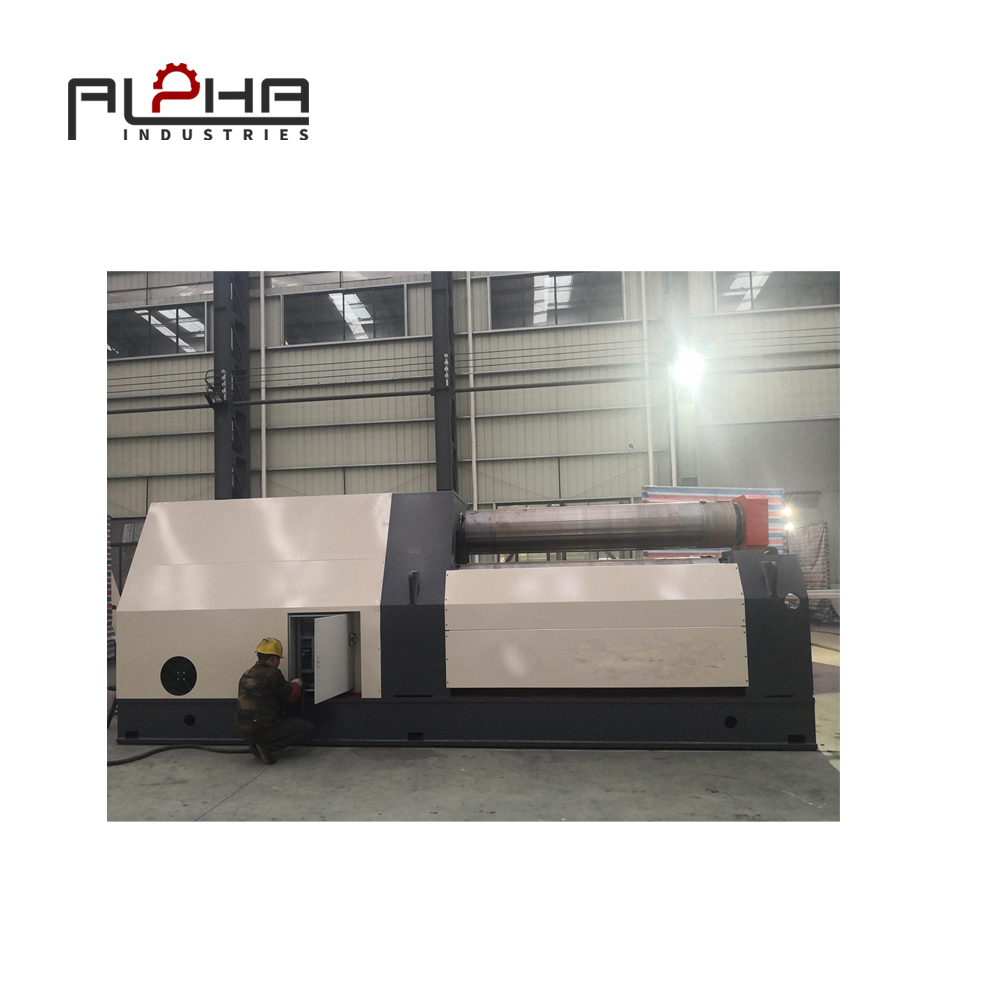
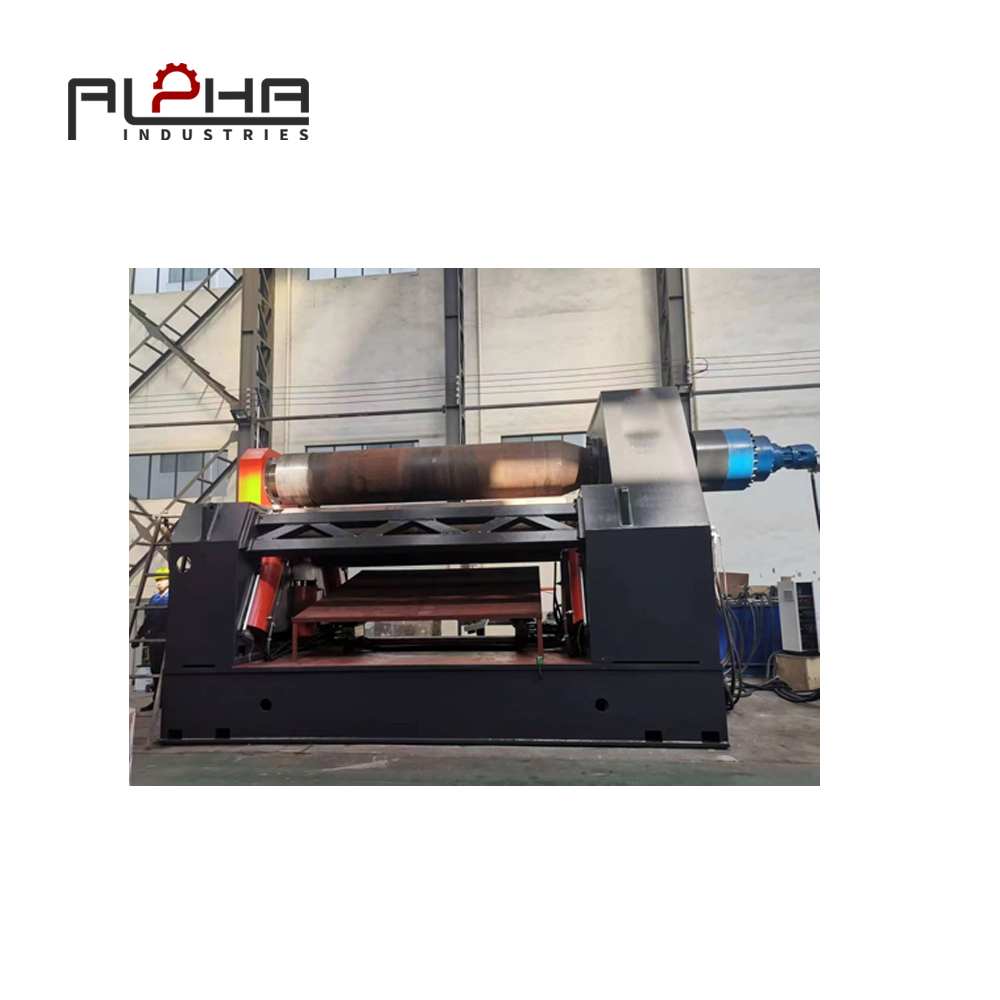
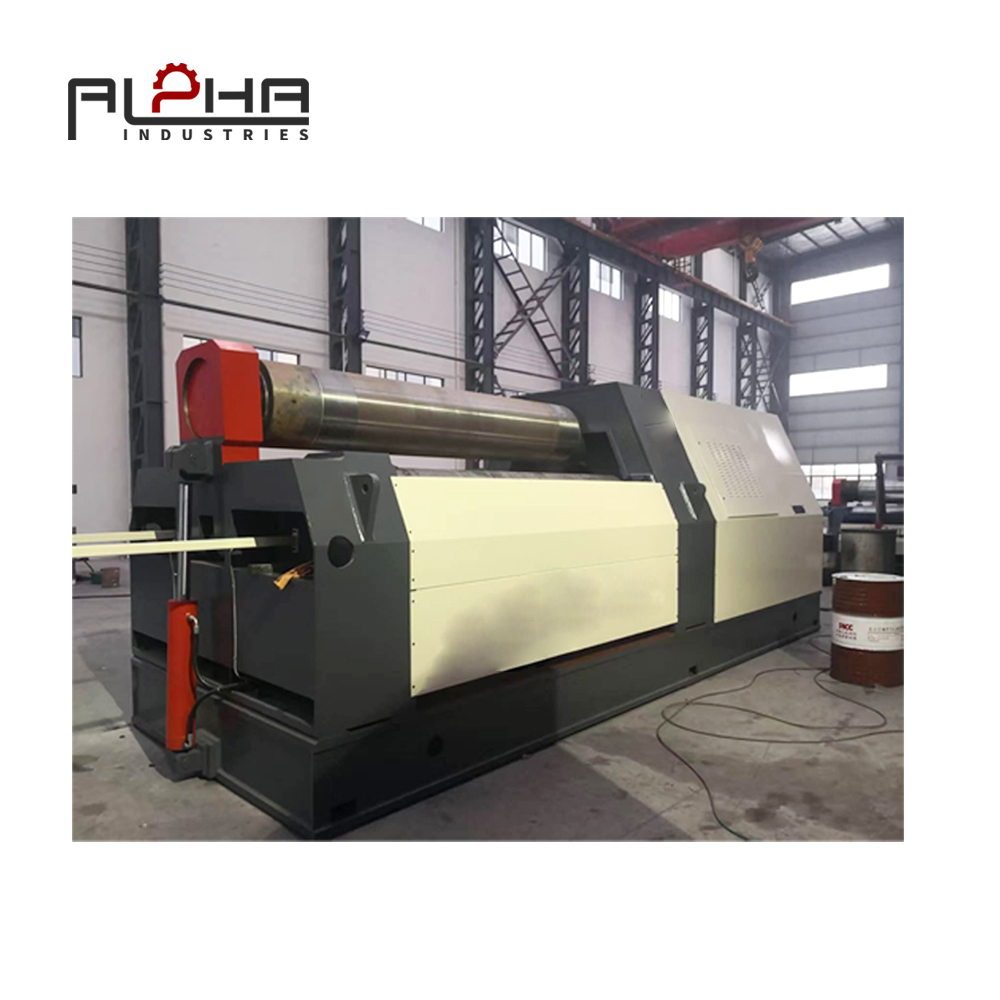
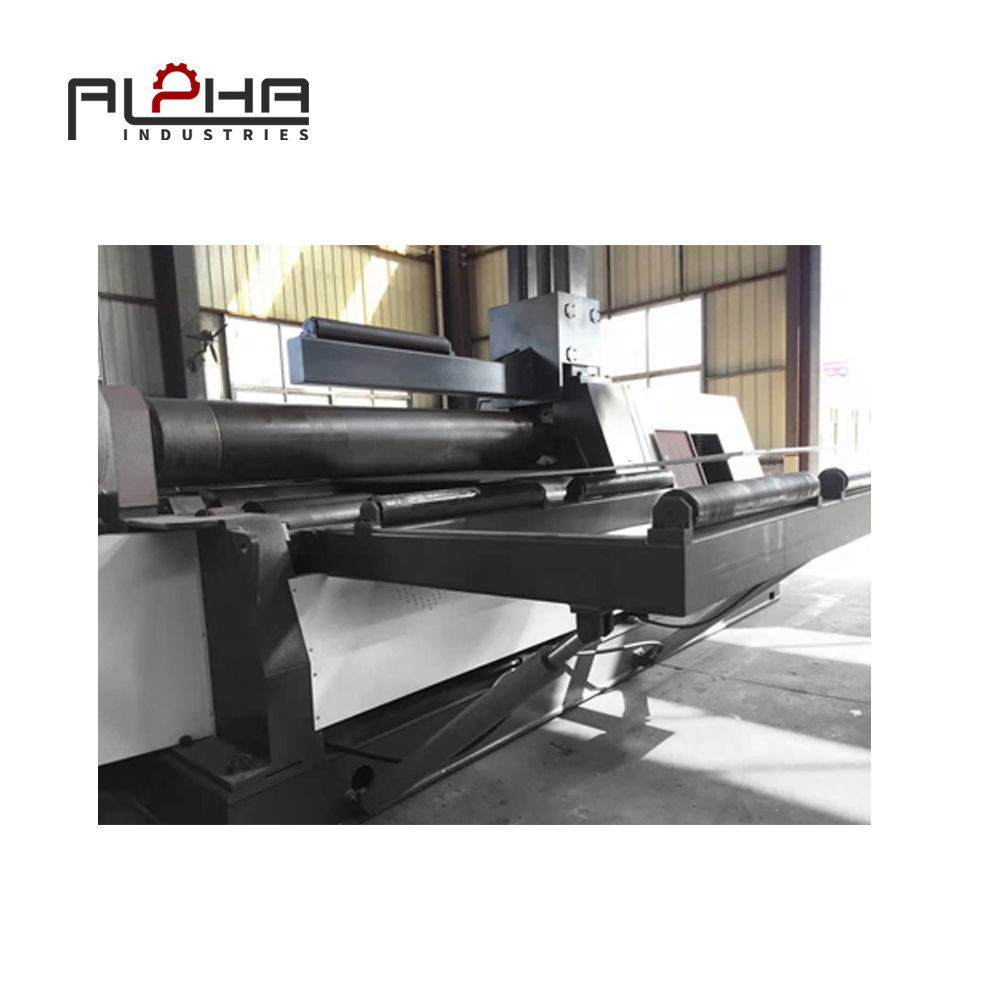
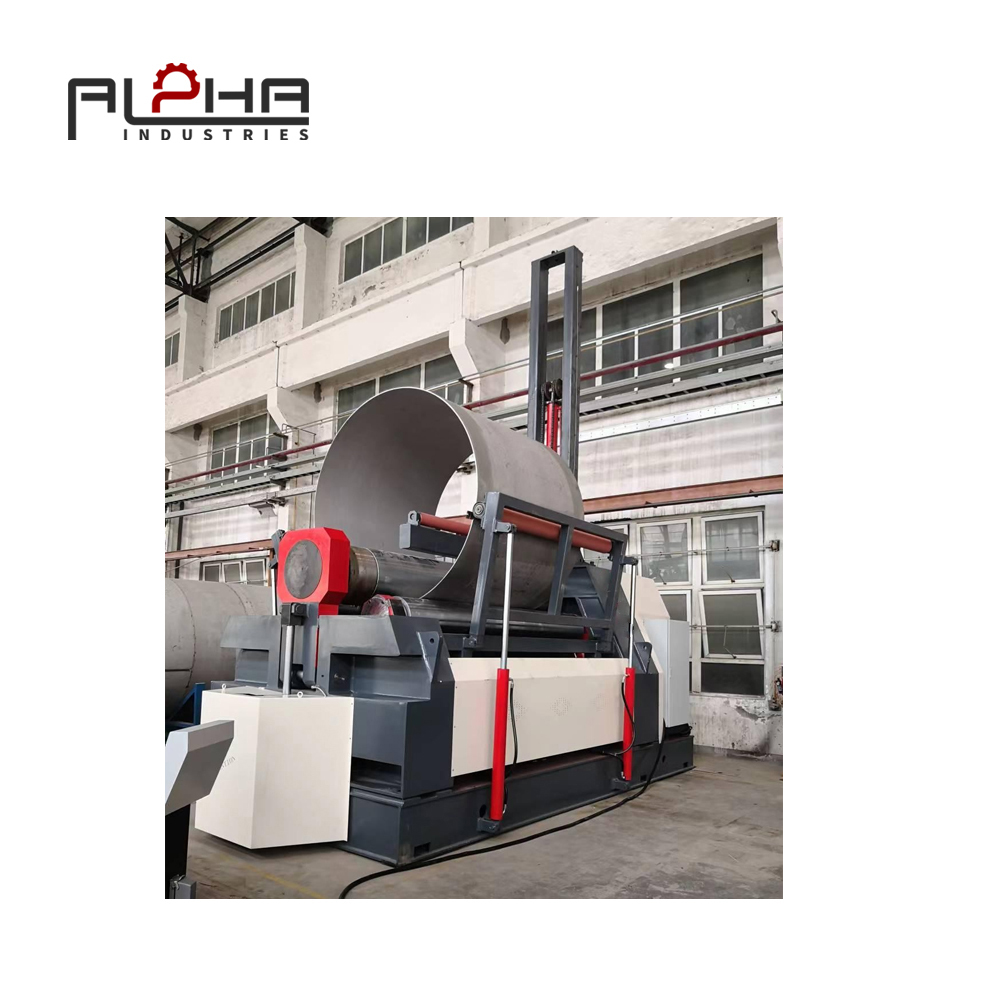
A 4-roller plate rolling machine is designed to handle plate positioning, clamping, pre-bending, and rolling through a coordinated roller arrangement.
Its typical structure consists of an upper roller, a lower roller, and two side rollers.
The four rollers work together to control the plate during the forming process.
Compared with conventional configurations that require more separate positioning steps, a four-roll arrangement can provide a more integrated workflow.
This is particularly useful for manufacturers that regularly change workpiece dimensions or process customized orders.
Faster Plate Positioning Between Production Jobs
Correct plate positioning is the starting point of an accurate rolling operation.
A four-roll machine uses the upper and lower rollers to clamp the plate, while the side rollers control the bending process.
This arrangement helps operators position and secure the workpiece before proceeding with pre-bending and rolling.
Reducing repeated repositioning can simplify the production sequence and save handling time.
For workshops processing different plate sizes, this can make production changes easier to manage.
Integrated Pre-Bending and Rolling Operations
Pre-bending is an important step when manufacturing cylindrical metal components.
The edges of a flat plate must be bent before the main rolling operation to reduce straight sections at the ends of the finished workpiece.
A four-roller plate rolling machine can perform pre-bending and subsequent rolling without repeatedly removing and repositioning the plate.
This integrated process helps reduce unnecessary handling and supports a more continuous production workflow.
For Mexican manufacturers producing tank sections, pressure vessel components, and industrial cylindrical structures, this can simplify the forming process before welding and assembly.
Flexible Processing of Different Rolling Diameters
Customized manufacturing frequently requires different finished diameters.
For example, a fabrication workshop may produce large cylindrical tank sections for one project and smaller industrial components for another.
The machine's roller movements and control functions must be suitable for these different requirements.
A properly selected four-roll machine can support different rolling diameters within its designed capacity.
Before purchasing, manufacturers should verify the minimum rolling diameter, maximum working width, material thickness, and pre-bending capacity.
The achievable diameter also depends on material properties, roller geometry, and machine configuration.
More Repeatable Production for Recurring Orders
Flexible manufacturing does not mean every order must be completely different.
Many metal fabrication companies receive repeat orders with similar dimensions and material specifications.
When equipped with a suitable CNC control system, a four-roll plate rolling machine can support programmable positioning and repeatable rolling procedures.
Operators can use established processing parameters for recurring jobs, reducing the need to determine every adjustment from the beginning.
This can help manufacturers manage both customized production and repeated orders more efficiently.
Why Setup Time Matters in Customized Plate Rolling
In a workshop handling multiple orders, machine availability is influenced by more than the actual bending time.
The complete production cycle includes several activities:
-
Reviewing workpiece drawings and material specifications.
-
Preparing the metal plate for processing.
-
Positioning and clamping the plate.
-
Performing edge pre-bending.
-
Completing the main rolling operation.
-
Checking the finished diameter and curvature.
-
Preparing the workpiece for welding or subsequent assembly.
If one stage requires repeated adjustments, the entire production schedule can be affected.
A four-roll plate rolling machine can help simplify several of these stages through its integrated clamping and forming arrangement.
However, actual production efficiency depends on machine capacity, operator experience, material handling equipment, control configuration, and workpiece complexity.
For this reason, Mexican manufacturers should evaluate the complete production workflow rather than comparing machines only by their rated rolling speed.
Applications of 4-Roller Plate Rolling Machines in Mexico
Mexico's manufacturing base includes various industries that require cylindrical and curved metal components.
A four-roll plate rolling machine can support several important applications.
Storage Tank Manufacturing
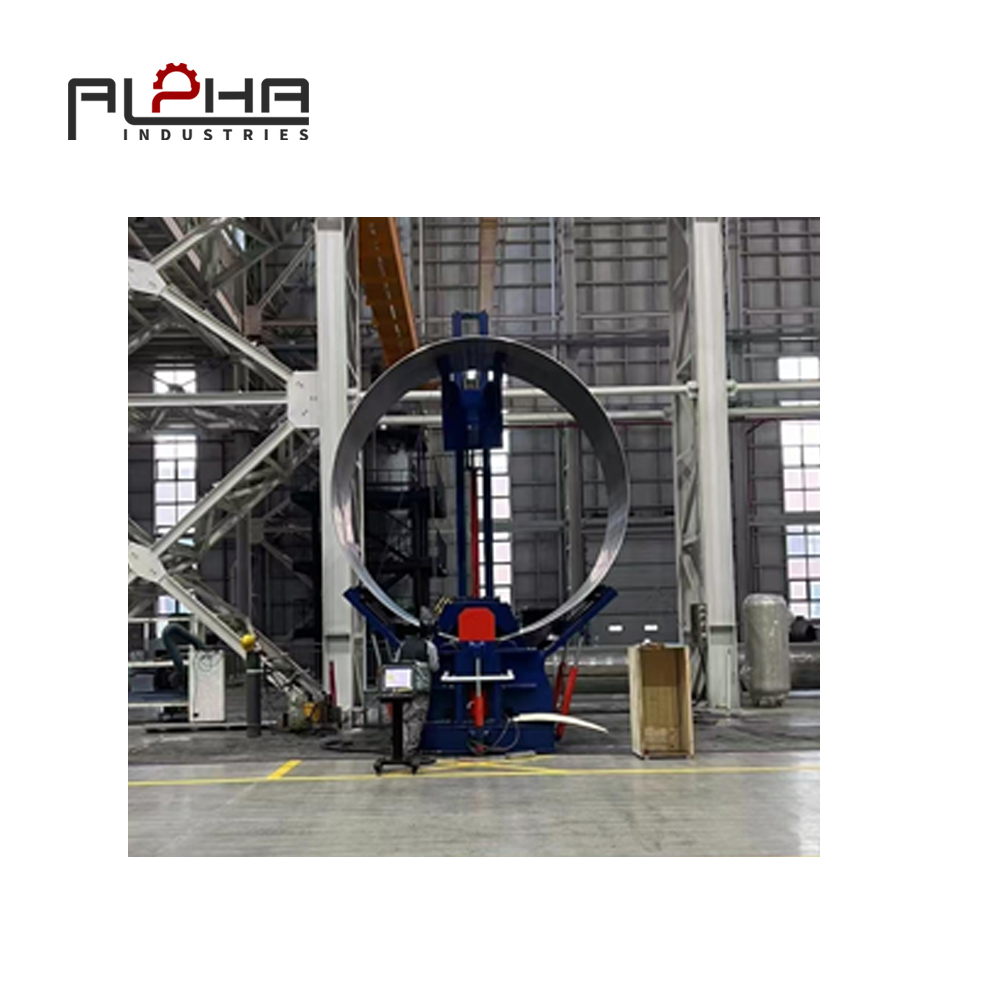
Storage tank manufacturers need to form flat steel plates into cylindrical sections before welding them together.
Consistent rolling and suitable edge pre-bending can help simplify shell assembly and improve the preparation of welding joints.
For manufacturers handling different tank diameters and specifications, flexible rolling equipment can support customized production.
Pressure Vessel Manufacturing
Pressure vessels require carefully controlled manufacturing processes.
Cylindrical shell sections must meet specified dimensional requirements before welding and inspection.
A suitable four-roll machine can support the forming of these components according to the required material and dimensional specifications.
Machine selection should consider material strength, plate thickness, working width, and the required finished diameter.
Automotive and Industrial Equipment Supply Chains
Mexico has an established automotive manufacturing base and a growing role in North American industrial supply chains.
Metal fabrication suppliers may produce cylindrical components, structural parts, equipment housings, and other formed steel products.
For suppliers managing different customer projects, flexible production equipment can help accommodate changing product specifications.
Construction and Infrastructure Projects
Construction and infrastructure projects often require customized steel components for structural and industrial applications.
Plate rolling machines can be used to manufacture curved sections, cylindrical structures, and other formed metal parts.
A suitable four-roll configuration can help workshops process different plate dimensions according to project requirements.
Energy and Industrial Equipment Manufacturing
Energy-related equipment and industrial facilities may require large cylindrical metal components.
Manufacturers producing tanks, vessel sections, and other heavy steel structures need machines with sufficient bending capacity and structural rigidity.
Choosing the correct equipment helps ensure that production requirements can be met without exceeding the machine's designed operating limits.
How CNC Technology Helps Mexican Manufacturers Manage Different Orders
CNC technology is an important consideration when selecting modern plate rolling equipment.
For companies handling different customer specifications, programmable machine functions can help simplify the transition between recurring production jobs.
Depending on the machine model, CNC functions may include:
-
Programmable roller positioning.
-
Digital position feedback.
-
Stored rolling parameters.
-
Controlled side roller movement.
-
Repeatable operating sequences.
-
Simplified adjustment procedures.
These features can help operators reproduce established processing conditions and reduce repetitive manual adjustments.
For manufacturers serving different industries, this can support a more organized approach to production scheduling.
However, CNC control does not automatically guarantee that every material and workpiece can be processed using identical settings.
Operators must still consider plate thickness, yield strength, material type, rolling diameter, and other processing requirements.
The most suitable control configuration is the one that matches the workshop's actual production needs.
Important Factors When Buying a 4-Roller Plate Rolling Machine in Mexico
Purchasing industrial machinery is a long-term investment. Mexican manufacturers should evaluate both technical specifications and the machine's suitability for their daily production requirements.
Rolling Thickness and Pre-Bending Capacity
Maximum rolling thickness is one of the most important specifications.
However, rolling capacity and pre-bending capacity should be evaluated separately.
Manufacturers should provide the material grade and yield strength when requesting a quotation because different materials require different bending forces.
Maximum Working Width
The working width determines the maximum plate length that can be processed in one operation.
Companies producing large storage tanks or industrial vessels should select a machine that accommodates their regular workpiece dimensions.
Minimum Rolling Diameter
Different applications require different cylindrical diameters.
Buyers should confirm whether the machine can achieve the smallest diameter required by their production drawings.
This specification depends on roller geometry, machine configuration, material thickness, and material properties.
Machine Structure and Roller Quality
A rigid machine frame and high-quality rollers are important for stable forming performance.
Manufacturers should evaluate the machine's structural design, roller material, heat treatment, and overall manufacturing quality.
These factors influence equipment durability and long-term production reliability.
CNC Functions and Operating Requirements
The control system should match the complexity of the workshop's production activities.
For companies frequently changing workpiece specifications, programmable positioning and repeatable operating functions may provide practical benefits.
Buyers should also confirm operator training requirements and the availability of technical documentation.
Installation, Maintenance, and Technical Support
For Mexican companies purchasing equipment internationally, installation planning and after-sales support are important considerations.
Before placing an order, clarify:
-
Machine installation requirements.
-
Electrical and hydraulic specifications.
-
Operator training arrangements.
-
Maintenance recommendations.
-
Spare parts availability.
-
Warranty conditions.
-
Technical assistance procedures.
-
Packaging and international transportation arrangements.
Clear communication before shipment can help reduce installation uncertainty and support a smoother equipment commissioning process.
How to Improve Production Planning with the Right Plate Rolling Equipment
A four-roll plate rolling machine should be selected according to the complete manufacturing process.
Before purchasing, Mexican manufacturers can evaluate their production requirements through several practical steps.
First, classify the workpieces according to material type, thickness, working width, and finished diameter.
Second, identify the most frequently repeated orders and the products that require frequent changes in machine settings.
Third, evaluate the time spent on plate positioning, pre-bending, rolling, and subsequent handling.
Fourth, determine whether CNC positioning and programmable procedures would improve the management of recurring jobs.
Finally, compare machine specifications with actual production requirements and request a demonstration using representative material whenever possible.
This approach helps manufacturers avoid purchasing equipment based only on headline specifications.
The objective is to select a machine that can support current production while providing enough flexibility for future orders.
Why Choose ALPHA for Industrial Plate Rolling Solutions?
For Mexican metal fabrication companies, selecting suitable machinery is an important step toward improving production flexibility and maintaining competitive delivery schedules.
ALPHA provides metalworking machinery solutions for industrial manufacturing applications.
When evaluating a 4-roller plate rolling machine, buyers should consider the complete forming process, including material specifications, plate dimensions, required rolling diameter, pre-bending capacity, roller configuration, and CNC control requirements.
Whether your company manufactures storage tanks, pressure vessel components, industrial equipment, or customized cylindrical structures, choosing suitable plate rolling equipment can help simplify production operations and improve workshop organization.
ALPHA focuses on helping customers identify machinery solutions according to their actual processing requirements.
Frequently Asked Questions About 4-Roller Plate Rolling Machines
What is a 4-roller plate rolling machine used for?
A 4-roller plate rolling machine is used to form flat metal plates into cylindrical, curved, and rounded components. Typical applications include storage tanks, pressure vessels, industrial pipes, and heavy steel structures.
Why is a four-roll plate rolling machine suitable for customized production?
Its integrated clamping, pre-bending, and rolling arrangement can reduce repeated plate repositioning. This makes it suitable for workshops processing different workpiece dimensions and customized orders.
Can a 4-roller plate rolling machine handle different plate thicknesses?
Yes, provided the material thickness and strength are within the machine's designed capacity. Buyers should verify both rolling and pre-bending specifications before purchasing.
Does a CNC plate rolling machine help reduce production setup time?
CNC functions can support programmable roller positioning and repeatable processing procedures. This may reduce repetitive adjustments, especially for recurring workpieces.
What materials can a four-roll plate rolling machine process?
Depending on its configuration and rated capacity, it can process materials such as carbon steel, stainless steel, and other suitable metal plates.
Is a four-roll plate rolling machine suitable for storage tank manufacturing?
Yes. It can be used to roll steel plates into cylindrical tank shell sections. Its pre-bending capability helps prepare the plate edges for subsequent welding and assembly.
What should Mexican buyers consider when importing a plate rolling machine?
Important considerations include machine specifications, electrical requirements, installation, operator training, spare parts, warranty conditions, technical support, and international shipping arrangements.
How can I choose the right plate rolling machine for my factory?
Start with your actual production requirements, including material type, maximum thickness, working width, minimum rolling diameter, and expected production volume. Then compare machine configurations and verify performance through technical evaluation or a rolling demonstration.
Conclusion
As Mexico continues to develop its role in North American manufacturing, metal fabrication companies need equipment that can respond to changing production requirements and increasingly demanding delivery schedules.
A 4-roller plate rolling machine offers an integrated approach to plate clamping, edge pre-bending, and rolling. By reducing unnecessary repositioning and supporting repeatable forming procedures, it can help manufacturers manage different workpiece specifications more efficiently.
For companies producing storage tanks, pressure vessel components, industrial equipment, and customized cylindrical structures, production flexibility is an important part of maintaining competitiveness.
Rather than selecting equipment based only on maximum capacity, manufacturers should evaluate how the machine fits into their complete production workflow.
The right plate rolling solution can help Mexican fabrication businesses improve order responsiveness, organize production more effectively, and prepare for changing manufacturing demands.
Contact ALPHA
Looking for a 4-roller plate rolling machine for your manufacturing business in Mexico?
ALPHA can help you explore suitable metalworking machinery solutions based on your material specifications, plate thickness, working width, required rolling diameter, and production requirements.
Whether you are upgrading existing equipment or planning a new metal fabrication production line, contact our team to discuss your application.
Visit our Contact Us page to learn more and send us your inquiry.