

Why NR-12 Matters for Brazilian Machinery Buyers
Brazil has an established metalworking and industrial manufacturing sector. Companies producing storage tanks, pressure vessels, steel structures, agricultural machinery, and industrial equipment depend on reliable metal forming machinery to maintain production capacity.
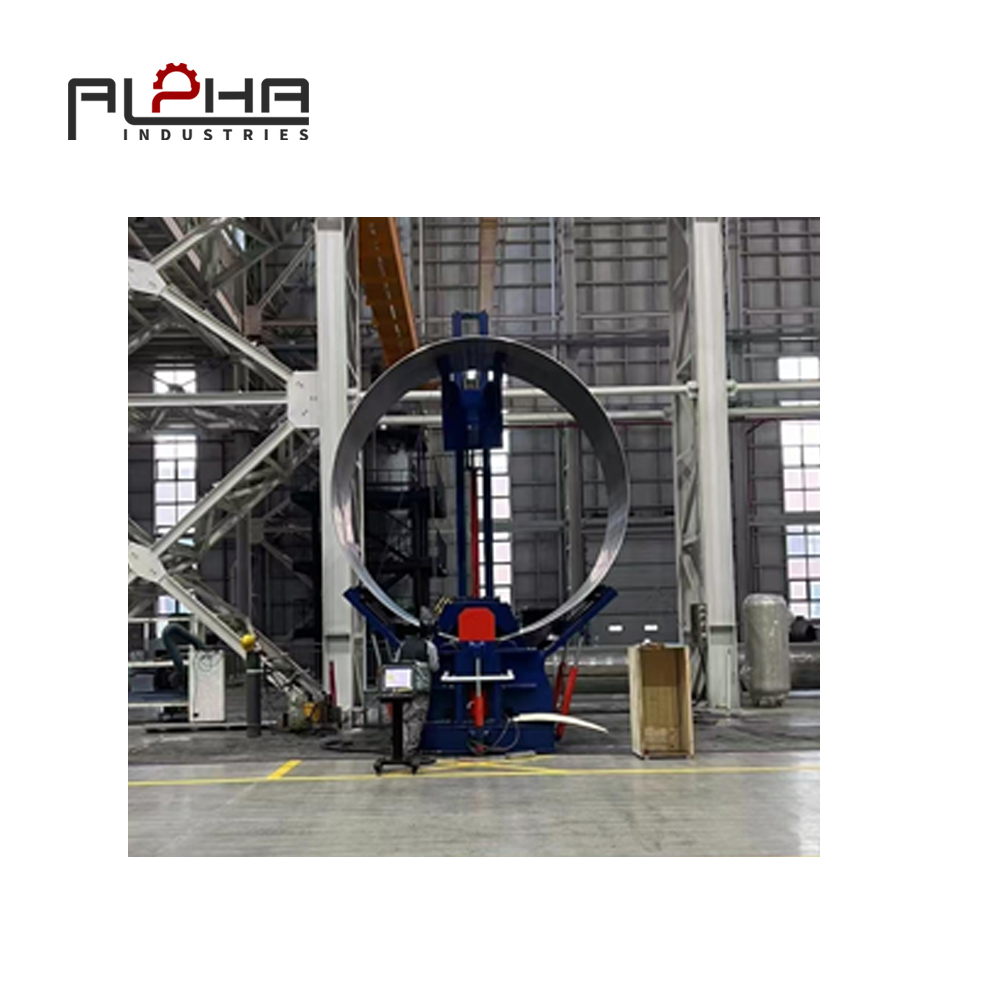
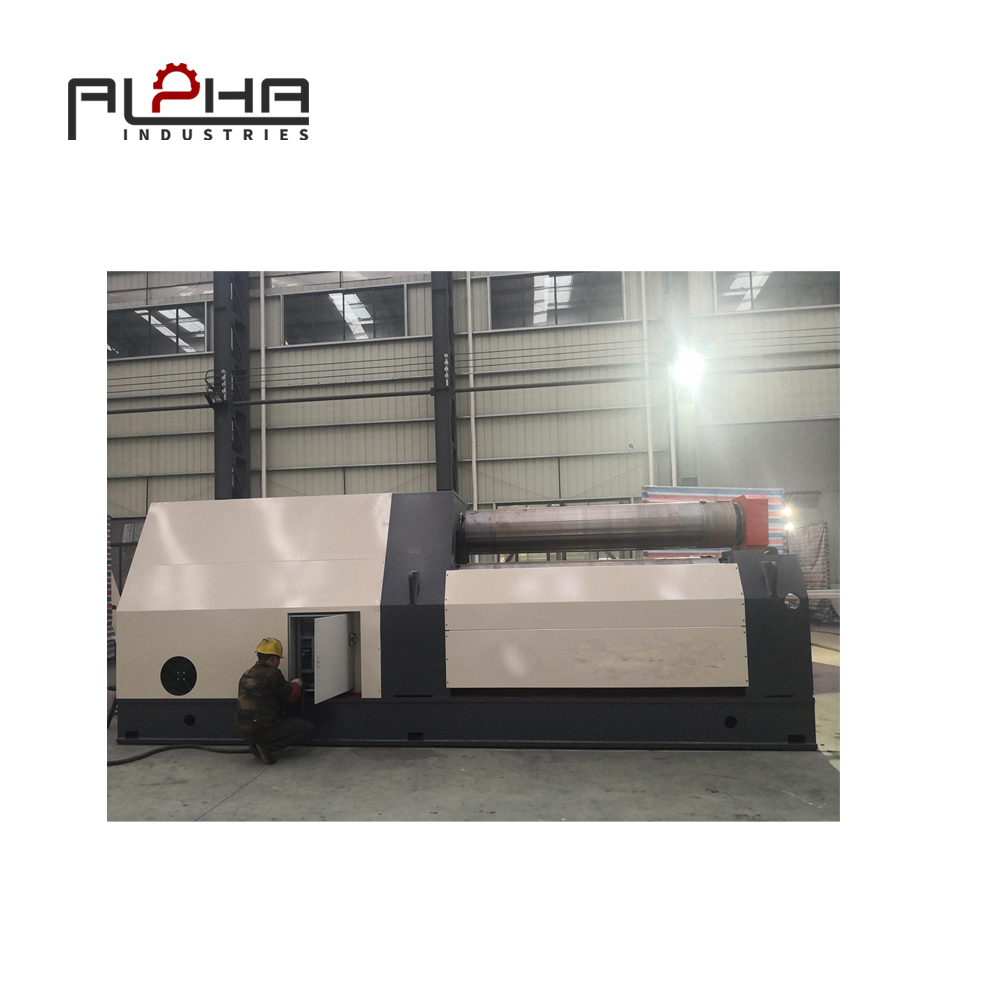
For these manufacturers, a 4-roller plate rolling machine is an important piece of equipment for converting flat steel plates into cylindrical and curved components.
However, purchasing a machine for the Brazilian market involves more than comparing rolling thickness, working width, motor power, and machine price.
Industrial machinery must also be evaluated from an occupational safety perspective.
One important regulation is Brazil's NR-12, officially known as the Regulatory Standard for Safety at Work on Machinery and Equipment. Published and maintained by Brazil's Ministry of Labour and Employment, NR-12 establishes technical references, protective measures, and minimum safety requirements for machinery throughout relevant stages of its lifecycle.
The regulation covers machinery design, manufacturing, importation, commercialization, and use. It also addresses matters such as machine operation, maintenance, inspection, adjustment, and cleaning.
For companies importing a 4-roller plate rolling machine into Brazil, understanding these requirements before purchasing can help reduce installation difficulties, avoid unnecessary modifications, and improve workplace safety planning.
The most important question is not simply whether a machine can roll thick steel plates. It is whether the equipment can perform its intended production tasks while providing appropriate protection for operators and maintenance personnel.
What Is NR-12 and Why Should Brazilian Machine Buyers Understand It?
NR-12 is Brazil's regulatory framework for occupational safety involving machinery and equipment.
Its purpose is to establish minimum technical and protective requirements to prevent workplace accidents and protect workers' physical integrity.
Unlike a simple machine specification, NR-12 considers safety throughout the equipment lifecycle.
This includes:
-
Machine design and manufacturing.
-
Importation and commercialization.
-
Installation and commissioning.
-
Normal machine operation.
-
Material feeding and handling.
-
Cleaning and inspection.
-
Maintenance and repair.
-
Decommissioning and dismantling.
For Brazilian manufacturers, this means that machine safety should be considered before equipment arrives at the factory.
A machine may have sufficient mechanical capacity and attractive pricing but still require additional safety evaluation or technical adjustments before it can be put into operation.
For overseas suppliers, understanding the customer's local safety requirements is also important.
Buyers should therefore discuss NR-12-related documentation, protective arrangements, electrical safety, and operating procedures during the quotation and technical confirmation stages.
Important: NR-12 conformity should be assessed against the current applicable regulation and the specific machine configuration by appropriately qualified professionals in Brazil. A general product description or an overseas safety certificate alone should not be treated as proof of full NR-12 compliance.
Understanding the Main Safety Risks of a 4-Roller Plate Rolling Machine
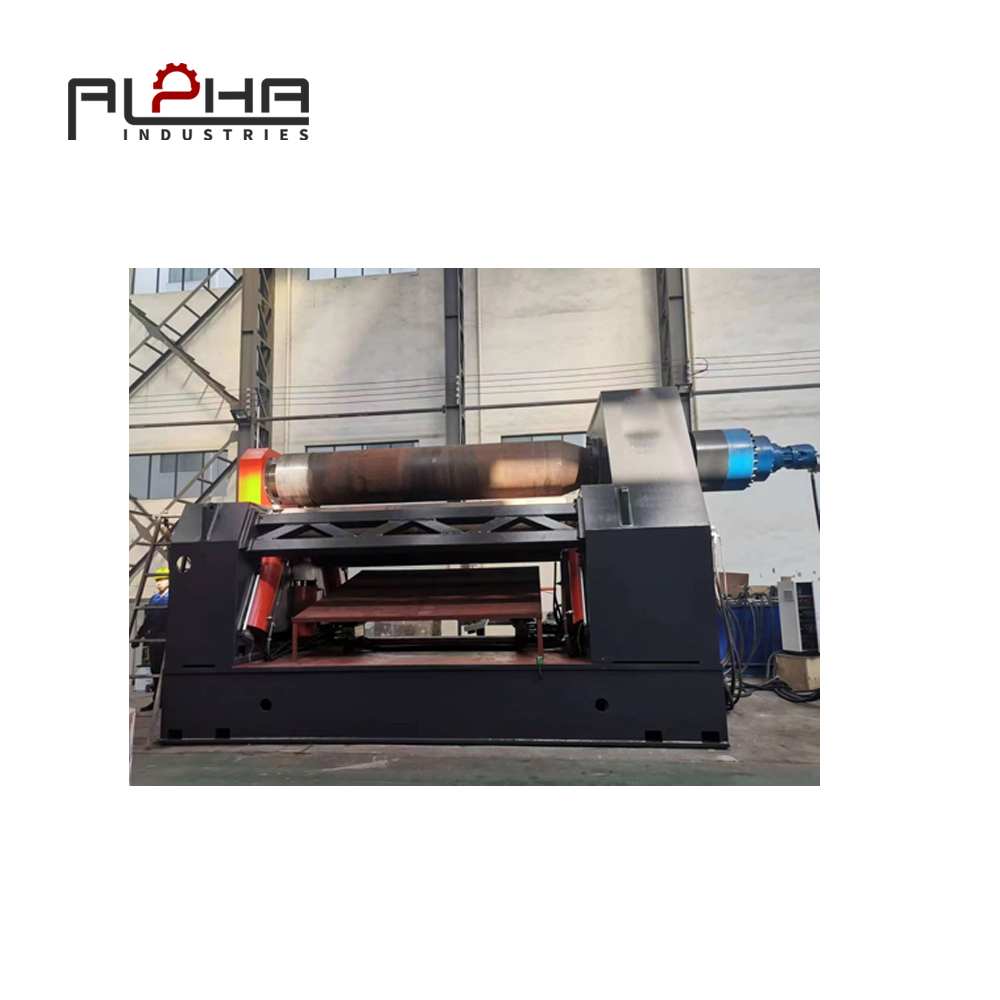
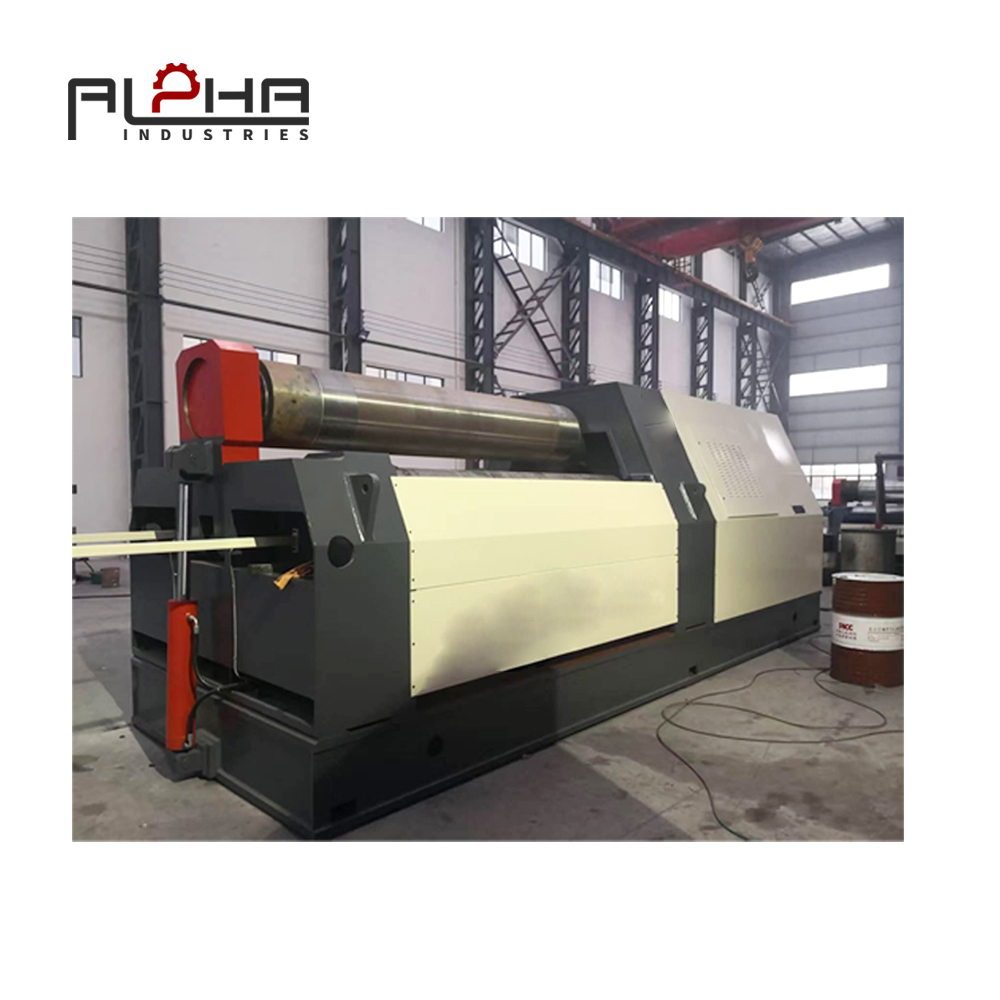
A four-roll plate rolling machine uses an upper roller, a lower roller, and two side rollers to clamp, pre-bend, and roll metal plates.
These components operate together to apply substantial mechanical forces during the forming process.
Although the machine offers an efficient solution for cylindrical metal production, its working areas contain potential hazards that must be considered during safety assessment.
1. Roller Pinch Points
The roller area is one of the most important safety considerations.
During operation, the rollers rotate and create spaces where fingers, hands, clothing, or other objects could become trapped.
The risk is particularly relevant during plate feeding, positioning, and adjustment.
Safety planning should identify accessible hazardous zones and determine appropriate protective measures based on the machine design and operating conditions.
Depending on the risk assessment, possible protective solutions may include:
-
Fixed mechanical guards.
-
Interlocked movable guards.
-
Appropriate safety distances.
-
Presence-detection devices where suitable.
-
Restricted access to hazardous areas.
-
Clearly defined operating procedures.
The appropriate solution must be selected according to the applicable requirements and actual machine configuration.
2. Heavy Plate Handling Risks
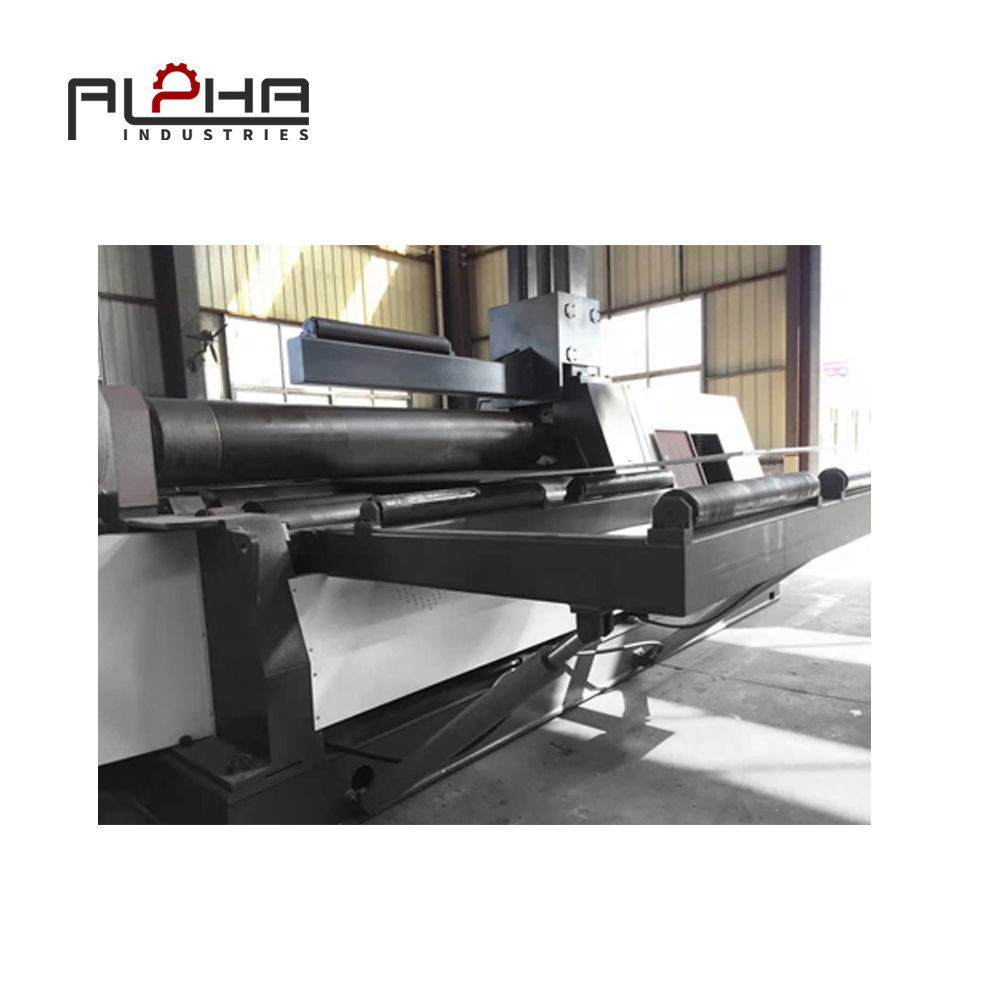
Metal plates processed by a 4-roller plate rolling machine can be large and heavy.
Incorrect material handling can create risks during loading, positioning, feeding, and unloading.
For example, a steel plate that is not properly supported may move unexpectedly during handling.
Manufacturers should evaluate the entire material handling process rather than focusing only on the machine itself.
Suitable lifting equipment, stable plate support, clearly defined operator responsibilities, and safe handling procedures are important parts of workshop safety.
3. Unexpected Machine Movement
Hydraulic and mechanical systems control the movement of the machine's rollers.
Unexpected movement during adjustment, cleaning, or maintenance can expose workers to serious hazards.
A proper safety design should consider how hazardous movement is prevented during maintenance and other non-production activities.
This may involve appropriate isolation procedures, control-system safety functions, and measures to prevent unintended machine activation.
Operators and maintenance personnel must understand the correct procedures before working near hazardous areas.
4. Electrical and Hydraulic Hazards
A 4-roller plate rolling machine may contain electrical control cabinets, motors, hydraulic pumps, cylinders, valves, and pressurized pipelines.
Electrical faults, damaged cables, hydraulic leaks, or unexpected pressure release can create additional workplace risks.
Safety evaluation should consider both mechanical and energy-related hazards.
The electrical and hydraulic systems should be designed, installed, inspected, and maintained according to applicable technical requirements.
Five Important NR-12 Safety Areas to Evaluate Before Purchasing
For Brazilian manufacturers importing a four-roll plate rolling machine, safety evaluation should begin during equipment selection.
The following areas deserve particular attention.
1. Machine Guarding and Hazardous Area Protection
Machine guarding helps prevent workers from accessing dangerous moving components.
For a plate rolling machine, buyers should examine the roller area, drive mechanisms, exposed transmission components, and other accessible hazardous zones.
The type of protection depends on whether access is required during normal operation, setup, inspection, or maintenance.
Fixed guards may be appropriate for areas that do not require frequent access.
Where movable guards are necessary, suitable interlocking arrangements may be considered according to the risk assessment.
It is important to ensure that protective devices do not introduce additional hazards or unnecessarily interfere with the production process.
Buyers should request drawings or photographs showing the proposed safety arrangements before confirming the machine configuration.
2. Emergency Stop Systems
Emergency stop devices are an important part of machinery safety.
They allow operators to initiate an emergency stop when a dangerous situation occurs.
When evaluating a 4-roller plate rolling machine, buyers should consider:
-
Emergency stop button locations.
-
Accessibility from relevant operating positions.
-
Visibility and identification.
-
Integration with the machine control system.
-
Reset procedures.
-
Behavior of the machine after emergency activation.
Emergency stop devices should be designed and positioned according to the applicable safety requirements.
An emergency stop system is not a replacement for proper guarding or other risk-reduction measures.
3. Safety-Related Control Systems
Modern CNC plate rolling machines may use electronic control systems to manage roller positioning and machine operation.
Safety-related control functions are particularly important because they influence how the machine responds when a protective device is activated or a hazardous condition occurs.
Depending on the risk assessment, safety-related controls may include:
-
Guard interlocking.
-
Emergency stop circuits.
-
Safety relays or safety controllers.
-
Monitoring of protective devices.
-
Prevention of unexpected restart.
-
Controlled stopping functions.
The required architecture and performance level should be determined by qualified technical personnel according to the applicable standards and risk assessment.
Buyers should not assume that an ordinary PLC or standard CNC control system automatically provides all required safety functions.
4. Electrical Cabinet and Hydraulic System Protection
The machine's electrical and hydraulic systems should also be included in the safety assessment.
For electrical systems, relevant considerations may include cabinet protection, grounding, cable routing, component identification, and suitable protection against electrical hazards.
For hydraulic systems, buyers should examine:
-
Hydraulic hose condition and routing.
-
Protection against leakage and component failure.
-
Pressure-related hazards.
-
Cylinder and valve arrangements.
-
Safe maintenance procedures.
-
Prevention of unexpected movement.
A well-organized electrical and hydraulic design helps support safe operation and easier maintenance.
5. Safety Labels and Operating Instructions
Operators need clear information about machine hazards and safe operating procedures.
Warning labels, operating instructions, and safety information should be easy to understand and available where required.
For Brazilian workplaces, documentation and instructions should be suitable for the local workforce.
Buyers should discuss Portuguese-language technical documentation with the supplier before equipment shipment.
This can include operating manuals, maintenance instructions, safety warnings, electrical diagrams, and hydraulic diagrams.
Why Portuguese Technical Documentation Is Important for Imported Machinery
One practical issue for Brazilian companies purchasing machinery from overseas suppliers is the availability of technical documentation in Portuguese.
Even when a machine has a suitable mechanical design, unclear operating instructions can create difficulties during installation, operator training, and maintenance.
NR-12 includes requirements concerning machinery instruction manuals and their safety information.
The applicable provisions should be checked in the current official text, including language and accessibility requirements.
For imported equipment, Brazilian buyers should clarify documentation arrangements before placing an order.
Important documents may include:
Operating Manual
Explains machine functions, operating procedures, safety precautions, and normal production activities.
Maintenance Manual
Provides inspection intervals, lubrication instructions, component maintenance procedures, and troubleshooting information.
Electrical Diagrams
Help qualified technicians understand the electrical configuration and identify relevant components.
Hydraulic Diagrams
Show hydraulic circuits, cylinders, valves, pumps, and related connections.
Safety Documentation
Provides information about protective devices, safety-related functions, hazards, and operating restrictions.
Training Materials
Support the preparation of operators and maintenance personnel.
Providing these documents in a language that workers can understand can improve communication and support safer equipment operation.
How Operator Training Helps Improve Machine Safety
Even a machine with suitable protective devices requires properly trained operators.
A 4-roller plate rolling machine involves several operations, including plate positioning, clamping, pre-bending, rolling, and unloading.
Operators need to understand both the production process and the potential hazards associated with each stage.
Training should cover the following areas.
Safe Machine Startup
Operators should understand the correct startup sequence and the checks required before production begins.
This includes verifying machine condition, protective devices, control-system status, and the working area.
Safe Plate Feeding and Positioning
Large metal plates require appropriate handling procedures.
Operators should understand the correct positioning method and the risks associated with moving workpieces.
Normal Rolling Operations
Training should explain the machine's operating controls, roller movements, pre-bending procedures, and safe working practices.
Emergency Response
Operators should know how to respond when an emergency occurs and understand the location and function of emergency stop devices.
Cleaning and Maintenance Safety
Cleaning and maintenance activities may expose workers to hazards that are not present during normal operation.
Personnel should understand the required isolation and safety procedures before entering hazardous areas or working on machine components.
Training should be appropriate to each worker's actual responsibilities and comply with applicable Brazilian requirements.
What Brazilian Buyers Should Ask Overseas Suppliers About NR-12
When purchasing a 4-roller plate rolling machine from an international manufacturer, technical communication is essential.
Instead of discussing only price and production capacity, buyers should include safety requirements in the initial quotation.
The following questions can help clarify the machine's configuration.
Does the Machine Include Appropriate Safety Guards?
Ask for photographs, drawings, or technical descriptions of the proposed guarding arrangements.
Confirm which hazardous areas are protected and how access is controlled.
Are Emergency Stop Devices Included?
Ask about the number, locations, and control-system integration of emergency stop devices.
Request information about the stopping behavior and reset procedure.
Are Safety-Related Electrical Components Identified?
Ask whether safety relays, safety controllers, interlocks, and other relevant components are included where required by the machine's safety design.
Can the Supplier Provide Portuguese Technical Documentation?
Confirm whether the operating manual, maintenance manual, electrical diagrams, hydraulic diagrams, and safety instructions can be supplied in Brazilian Portuguese.
Can the Machine Configuration Be Reviewed Before Shipment?
Buyers should arrange a technical review of the final machine configuration before shipment.
This is particularly important if local safety requirements may require additional guarding, electrical modifications, or documentation.
Can the Supplier Support Technical Communication During Installation?
Ask whether the supplier can provide remote technical assistance, component identification, installation guidance, and troubleshooting support.
These discussions help reduce misunderstandings and make equipment preparation more predictable.
How to Prepare a 4-Roller Plate Rolling Machine for the Brazilian Market
For overseas machinery manufacturers and Brazilian importers, preparation should begin before the machine leaves the factory.
A structured process can help identify safety-related requirements early.
Step 1: Define the Intended Machine Application
Identify the materials, plate thicknesses, working width, rolling diameters, and expected production activities.
The intended application helps determine the machine configuration and relevant safety hazards.
Step 2: Review the Machine Risk Assessment
The machine should be evaluated to identify potential hazards during operation, feeding, adjustment, cleaning, inspection, and maintenance.
Protective measures should be selected according to the applicable requirements and the results of the assessment.
Step 3: Confirm Protective Device Configuration
Review guards, emergency stops, interlocks, electrical protection, and safety-related control functions.
Confirm that the proposed arrangements match the final machine design.
Step 4: Prepare Technical Documentation
Arrange the operating manual, maintenance instructions, electrical and hydraulic diagrams, safety information, and other required technical documents.
Confirm Portuguese-language requirements with the Brazilian importer and qualified local professionals.
Step 5: Arrange Installation and Commissioning Review
Before putting the equipment into production, qualified personnel should evaluate the installation, safety functions, electrical connections, and operating conditions.
Any required modifications should be completed and verified before normal operation.
Step 6: Train Operators and Maintenance Personnel
Provide suitable training covering normal operation, machine hazards, protective devices, emergency procedures, and maintenance responsibilities.
Step 7: Establish Ongoing Safety Inspections
Safety is not a one-time activity.
Protective devices, guards, electrical systems, hydraulic components, and emergency stop functions should be inspected and maintained according to applicable requirements and manufacturer recommendations.
How NR-12 Safety Planning Can Benefit Brazilian Metal Fabrication Companies
Safety planning is sometimes treated as an additional purchasing expense.
However, a well-organized safety strategy can provide important operational benefits.
Reduced Workplace Accident Risks
Appropriate guarding, safety-related controls, and operator training help reduce exposure to hazardous machine movements.
Better Equipment Installation Preparation
Reviewing safety requirements before shipment can help identify potential technical issues earlier.
This may reduce the need for unexpected modifications after the machine arrives.
Clearer Operator Responsibilities
Suitable training and operating procedures help employees understand how to use the machine safely.
Improved Maintenance Management
Clear technical documentation and defined inspection procedures can support more organized maintenance activities.
Better Communication Between Buyers and Suppliers
Discussing safety requirements during the purchasing stage helps both parties understand the expected machine configuration and documentation.
For Brazilian companies importing industrial machinery, these advantages can make the equipment purchasing process more predictable.
Why Choose ALPHA for Your 4-Roller Plate Rolling Machine Requirements?
Selecting industrial machinery for the Brazilian market requires attention to both production performance and workplace safety.
ALPHA provides metalworking machinery solutions for industrial manufacturing applications.
When evaluating a 4-roller plate rolling machine, buyers should consider its rolling capacity, pre-bending performance, hydraulic configuration, electrical system, roller structure, control functions, and protective arrangements.
For Brazilian customers, it is also important to clarify NR-12-related technical requirements, Portuguese documentation, safety device configuration, and installation responsibilities before confirming an order.
ALPHA encourages buyers to provide their intended machine applications and technical requirements during the quotation process.
This helps establish a clearer understanding of the equipment configuration and the preparation needed for the Brazilian market.
Whether your company manufactures storage tanks, pressure vessels, industrial equipment, or heavy steel structures, choosing suitable machinery is an important step toward building a productive and safe manufacturing environment.
Frequently Asked Questions About NR-12 and 4-Roller Plate Rolling Machines
1. What is NR-12 in Brazil?
NR-12 is Brazil's regulatory standard for safety at work on machinery and equipment. It establishes technical references, protective measures, and minimum requirements intended to prevent workplace accidents and protect workers.
2. Does NR-12 apply to imported plate rolling machines?
NR-12 covers machinery and equipment in relevant stages including manufacturing, importation, commercialization, and use. Brazilian importers and users should verify the applicable requirements for their specific equipment.
3. What safety devices should a 4-roller plate rolling machine have?
Depending on the machine design and risk assessment, relevant protective measures may include mechanical guards, interlocked access points, emergency stop devices, safety-related control systems, and protection against unexpected movement.
The exact configuration must be determined according to applicable requirements.
4. Why are roller guards important on a four-roll plate rolling machine?
Rollers create pinch and entanglement hazards during operation. Appropriate guarding and other protective measures help prevent workers from accessing dangerous moving components.
5. Does a plate rolling machine need an emergency stop system?
Emergency stopping is an important machinery safety consideration. The applicable design, positioning, and control-system requirements should be verified against the current NR-12 text and the machine's risk assessment.
6. Must imported machinery have a Portuguese operating manual?
NR-12 includes requirements for machinery instruction manuals, including language and accessibility provisions. Brazilian buyers should confirm that the required documentation is available in Brazilian Portuguese before shipment and installation.
7. Who is responsible for evaluating NR-12 compliance?
Responsibilities depend on the parties involved in manufacturing, importing, installing, and operating the machine. Brazilian companies should work with appropriately qualified professionals to evaluate the equipment and applicable legal obligations.
8. Can a machine with CE certification automatically meet NR-12 requirements?
No. CE marking and Brazilian NR-12 requirements are different regulatory frameworks. Overseas certificates and technical standards may provide useful supporting information, but they should not be treated as automatic proof of NR-12 conformity.
9. Should NR-12 requirements be discussed before purchasing a plate rolling machine?
Yes. Reviewing safety requirements before purchasing helps buyers clarify protective devices, electrical configuration, documentation, and installation responsibilities before the machine is manufactured and shipped.
Conclusion
For Brazilian metal fabrication companies, machinery safety is an important part of industrial equipment purchasing.
A 4-roller plate rolling machine must provide the required forming capacity while also addressing hazards associated with roller movement, heavy plate handling, hydraulic systems, electrical controls, and maintenance activities.
NR-12 provides an important framework for evaluating these safety considerations.
By reviewing machine guarding, emergency stop arrangements, safety-related controls, Portuguese documentation, operator training, and installation requirements before purchasing, manufacturers can better prepare imported equipment for the Brazilian industrial environment.
Choosing a suitable machine should therefore involve more than comparing price and technical capacity.
A complete evaluation of production performance, safety arrangements, documentation, and local technical requirements can help companies make more informed equipment investments.
Contact ALPHA
Looking for a 4-roller plate rolling machine for your manufacturing business in Brazil?
ALPHA can help you explore suitable metalworking machinery solutions according to your plate thickness, working width, material specifications, rolling diameter, and production requirements.
If your project involves specific Brazilian machinery safety requirements, please share your technical expectations during the inquiry process so that the machine configuration and documentation can be discussed in advance.
Visit our Contact Us page to send your inquiry and learn more about ALPHA's industrial machinery solutions.