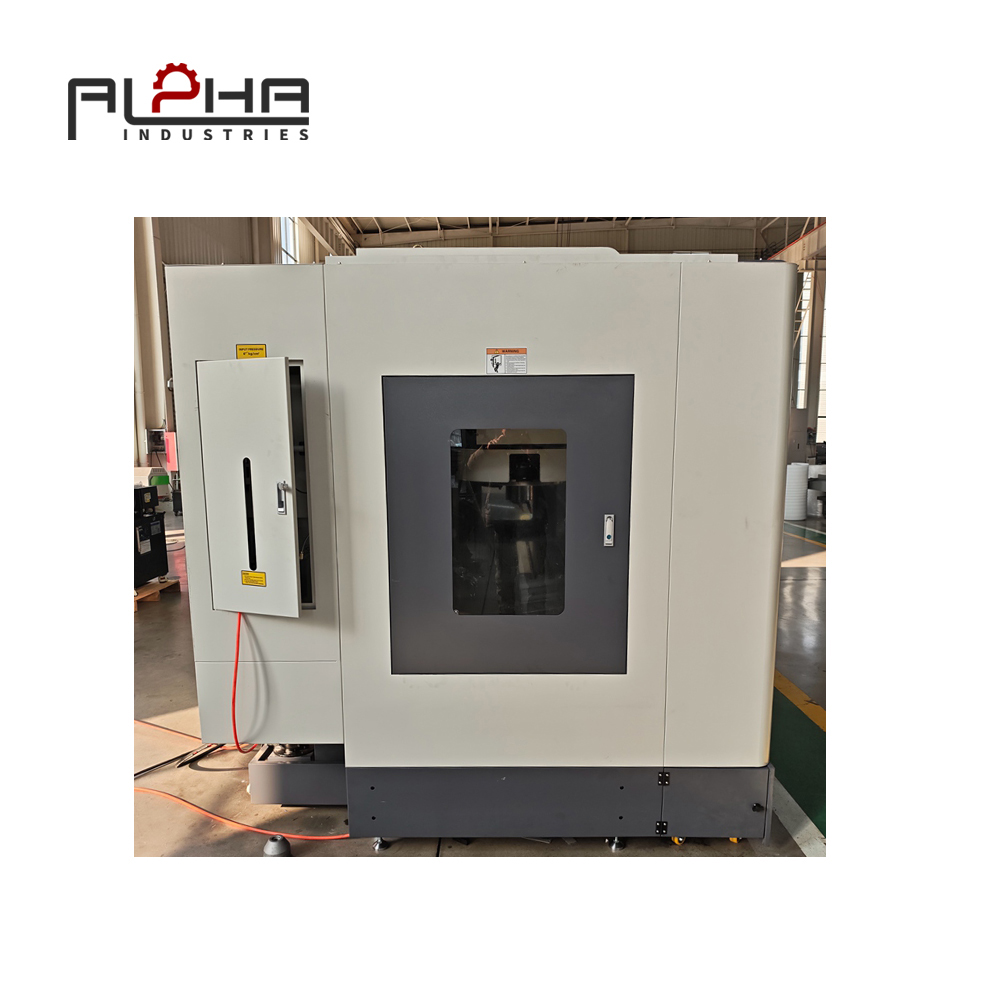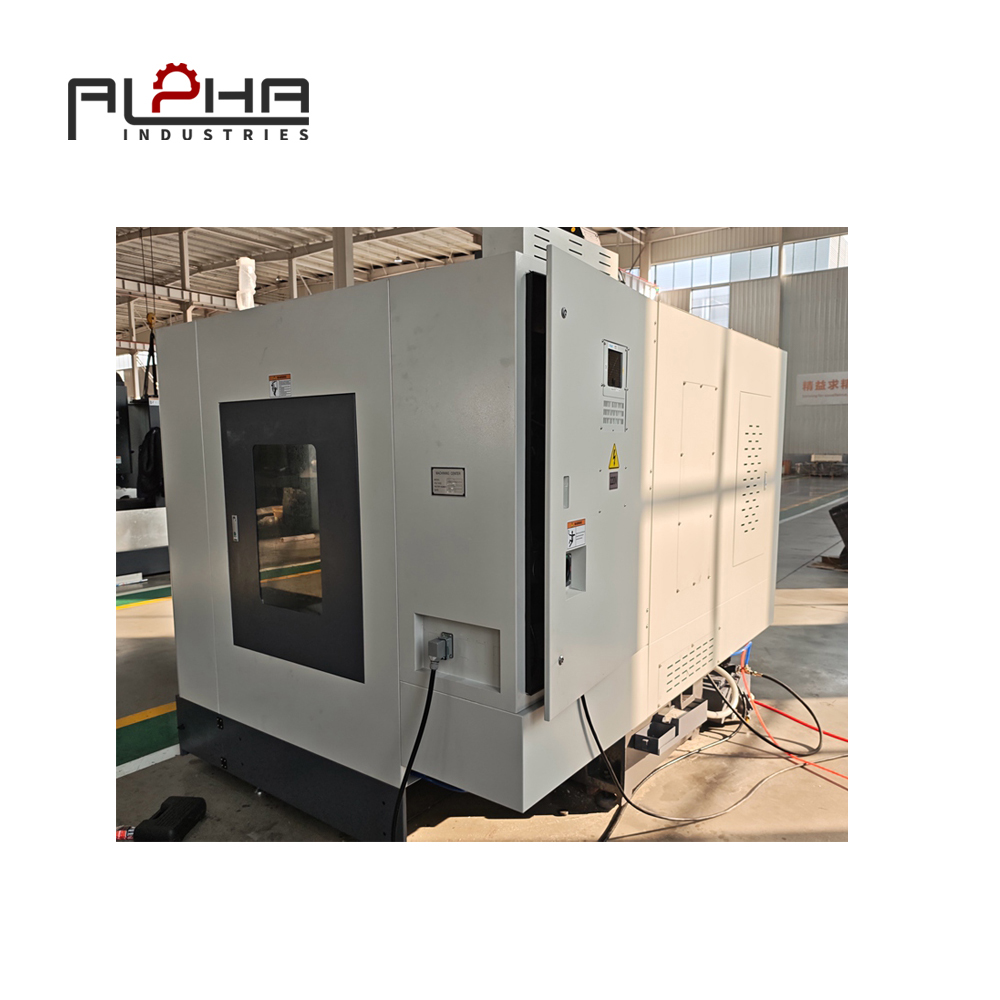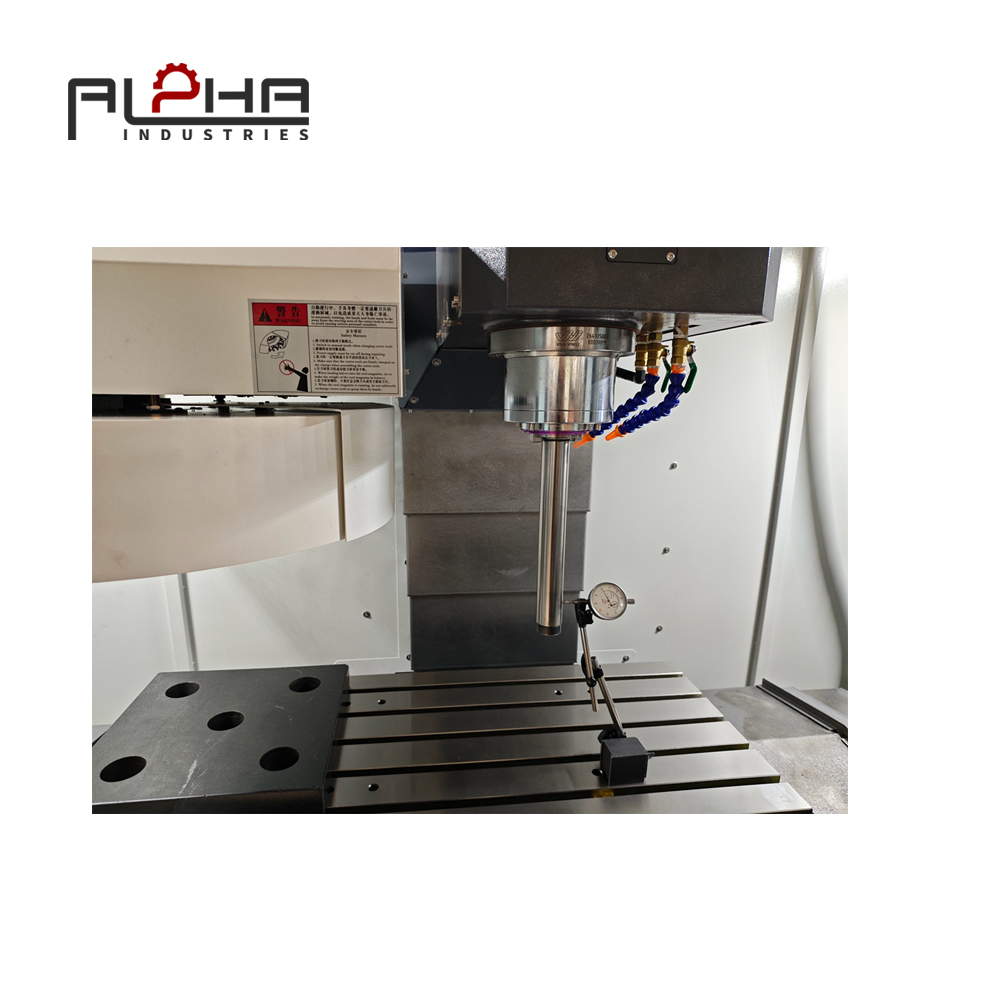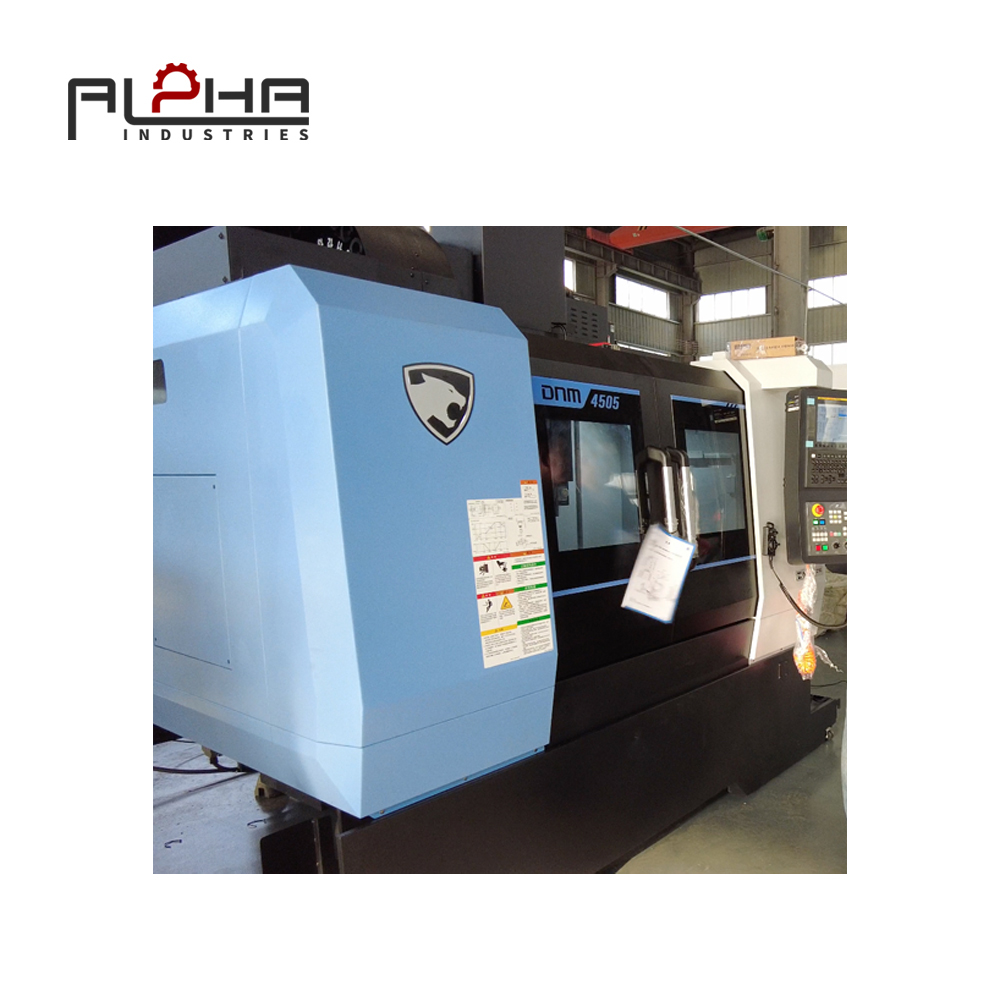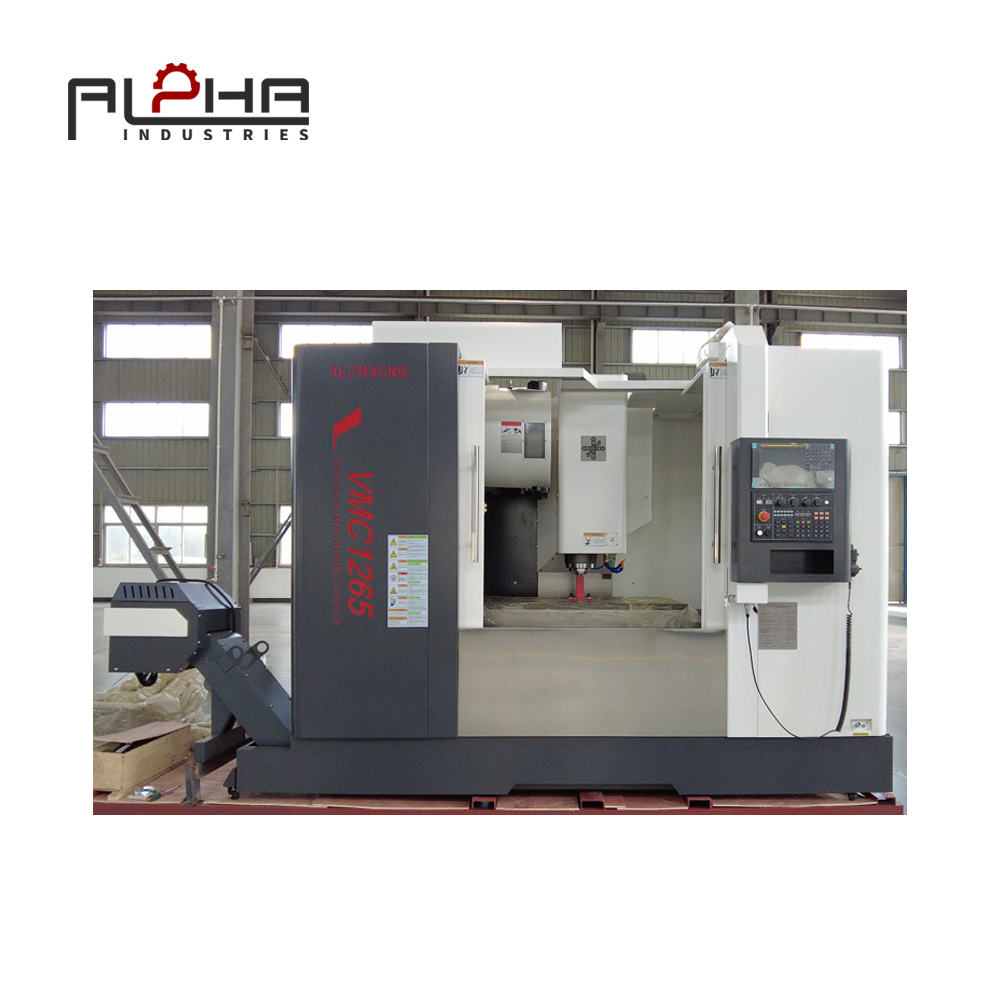


Why Energy Consumption per Part Matters in Russian CNC Manufacturing
For a manufacturing company, electricity consumption is more than a monthly utility expense. It is part of the operating cost of every component produced.
A VMC may have a powerful spindle motor, servo-driven axes, an automatic tool changer, a coolant pump, and several auxiliary systems. All these components contribute to the machine's total electricity demand.
However, the electricity consumed during actual metal removal is only one part of the overall picture.
A vertical machining center also uses energy while waiting for the next program, rotating its spindle without cutting, moving between machining positions, changing tools, circulating coolant, and performing other supporting operations.
For Russian metalworking companies, improving overall energy performance can help control manufacturing expenses, particularly when production involves long machining cycles, multiple workpieces, or equipment that operates across several shifts.
The key question is not simply how much electricity a VMC consumes in one hour.
How much electricity does the machine use to manufacture one acceptable finished component?
This is the concept of energy consumption per part.
Instead of looking only at the machine's rated power, manufacturers can evaluate the complete production process and identify where electricity is being consumed without creating additional production value.
The following sections explain how to approach this challenge in a practical and measurable way.
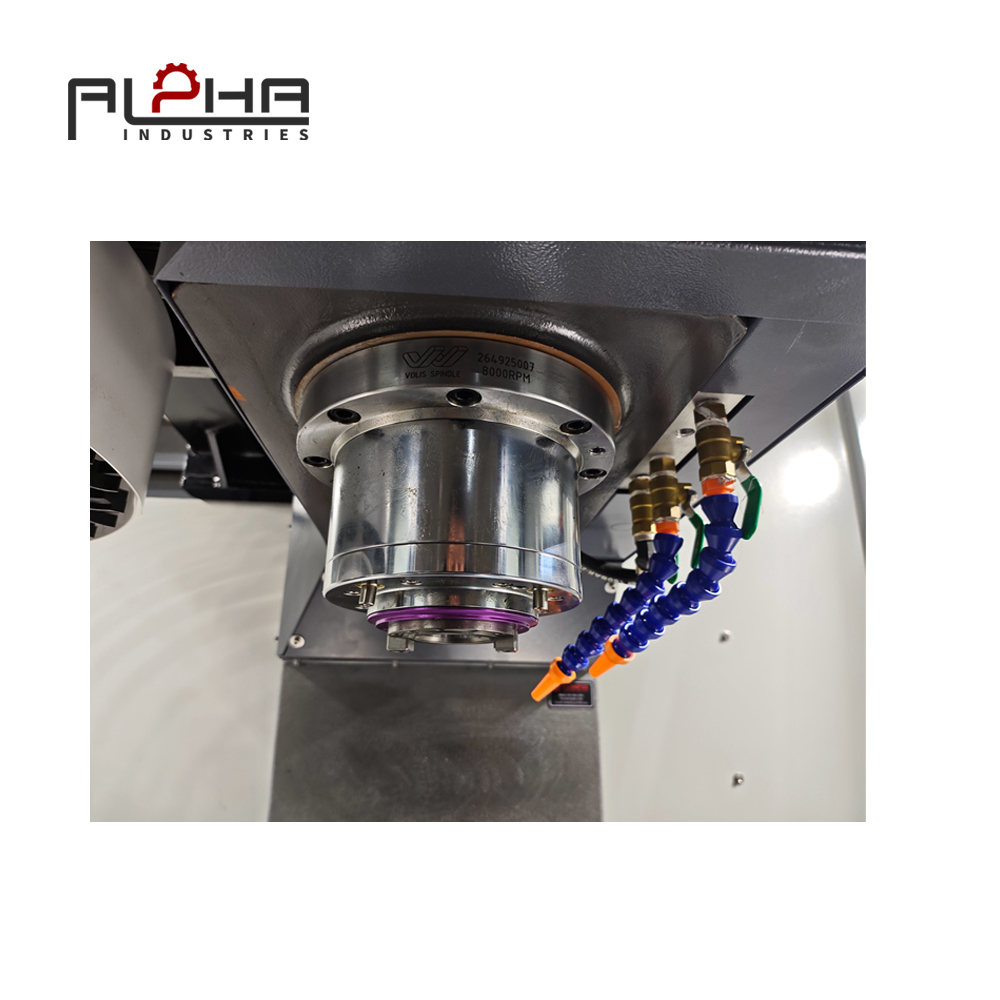
Understand Where VMC Electricity Consumption Comes From
Before reducing energy consumption, manufacturers need to understand which machine activities contribute to the total electricity demand.
A VMC does not operate in one constant energy state. Its power demand changes according to the machining task and the operating condition of different machine components.
Main Energy-Consuming Systems in a VMC
A typical vertical machining center includes several electrical consumers.
Spindle drive
The spindle motor provides the rotational power required for cutting. Its energy demand changes according to spindle speed, cutting load, tool diameter, material, and machining conditions.
During heavy milling, the spindle may require considerably more power than during light finishing operations.
Feed axis and servo systems
The X, Y, and Z axes move the worktable or spindle assembly. Their motors consume energy during positioning, feed movement, acceleration, and deceleration.
Long and unnecessary movements can increase energy consumption without improving the finished component.
Automatic tool changer
The ATC performs tool exchange operations according to the CNC program. Although each individual tool change may be relatively short, frequent changes can contribute to the overall energy required for a production cycle.
Coolant and lubrication systems
Coolant pumps, lubrication pumps, and related equipment support machining stability and machine operation.
Their electricity consumption depends on system design, operating conditions, and how long the equipment remains active.
Chip removal systems
Chip conveyors and chip-handling equipment may also require electrical power.
The actual energy demand depends on the conveyor type, operating frequency, and machine configuration.
CNC control and auxiliary equipment
The control system, servo drives, cooling fans, lighting, and other electrical components consume energy even when the machine is not actively removing material.
This means that machine selection should consider more than spindle motor power.
A complete evaluation should examine the machine's main drive, auxiliary systems, operating modes, and production requirements.
Cutting Energy and Non-Cutting Energy
For practical analysis, VMC energy consumption can be divided into three broad categories.
|
Energy Category |
Typical Activities |
Improvement Opportunity |
|---|---|---|
|
Cutting energy |
Milling, drilling, boring, tapping |
Optimize cutting parameters and tool selection |
|
Non-cutting energy |
Standby, spindle idling, rapid movements, tool changes |
Reduce unnecessary operating time |
|
Auxiliary energy |
Coolant pumps, lubrication, chip conveyors, fans |
Match operation to actual process requirements |
Research published in the Journal of Cleaner Production has examined the energy consumption of CNC machine tools and identified non-cutting operations as an important opportunity for energy reduction. Its findings support evaluating the complete machining cycle instead of considering only the cutting stage.
For a manufacturer, this distinction is important because reducing unnecessary machine operating time can improve energy efficiency without changing the workpiece material or sacrificing the required machining quality.
Reduce Spindle Idle Time Without Affecting Production Readiness
Spindle idle time is one of the areas worth examining when evaluating VMC electricity consumption.
A spindle may continue rotating even when the cutting tool is not removing material.
This can happen during inefficient program transitions, unnecessary air cutting, waiting periods, or poorly organized machining sequences.
Identify Unnecessary Spindle Rotation
The first step is to review the CNC program and production process.
Manufacturers should identify situations where the spindle is rotating but no useful machining operation is taking place.
Possible examples include:
-
Excessive spindle rotation before the next cutting operation.
-
Long waiting periods between machining stages.
-
Unnecessary air cutting.
-
Poorly organized tool sequences.
-
Repeated approach and retract movements.
-
Delays caused by workpiece handling or operator preparation.
Not every spindle rotation without cutting is unnecessary. Some operations require a controlled approach, tool positioning, or spindle stabilization.
The objective is to remove avoidable idle activity while maintaining safe and reliable machining conditions.
Organize Machining Operations More Efficiently
The machining sequence can influence how long the spindle operates without producing a finished feature.
For example, a component may require face milling, drilling, pocket milling, and tapping.
If the machining sequence is poorly organized, the machine may perform additional positioning movements or repeated tool changes.
A more efficient sequence can reduce unnecessary transitions.
However, the machining order must still account for:
-
Workpiece rigidity.
-
Cutting tool accessibility.
-
Chip evacuation.
-
Surface finish requirements.
-
Dimensional accuracy.
-
Tool loading and cutting forces.
A shorter program is not automatically a better program. It must produce the required component quality consistently.
Review Standby Procedures
When the machine is waiting for material, inspection, or the next production order, manufacturers should review whether all active systems need to remain in operation.
Any standby or energy-saving function must follow the machine manufacturer's operating instructions.
Operators should never disable lubrication, cooling, protective systems, or other functions that are necessary for safe machine operation.
The aim is to avoid unnecessary electricity consumption without compromising machine reliability.
Optimize Cutting Parameters to Improve Energy Efficiency
Cutting parameters have a direct influence on machining time, tool loading, surface quality, and electricity consumption.
Selecting the right spindle speed, feed rate, and depth of cut can improve the relationship between energy consumption and material removal.
However, simply increasing the cutting speed is not a reliable energy-saving strategy.
The parameters must be appropriate for the machine, tool, workpiece material, and machining operation.
Spindle Speed: Match RPM to the Cutting Tool
Spindle speed affects the cutting speed and the operating condition of the spindle drive.
An excessively high spindle speed may increase power demand, heat generation, and tool wear without providing a meaningful improvement in machining time.
An excessively low spindle speed may also reduce process efficiency when the cutting tool is operating outside its suitable cutting range.
The appropriate spindle speed should be determined according to:
-
Workpiece material.
-
Cutter diameter.
-
Tool material and coating.
-
Cutting speed recommendation.
-
Required surface finish.
-
Machine spindle capability.
-
Tool holder and workholding stability.
For Russian manufacturers processing different materials, a single fixed spindle speed is rarely suitable for every job.
Feed Rate: Avoid Excessively Conservative Settings
A feed rate that is too low may extend the machining cycle unnecessarily.
When the machine spends more time completing a component, fixed energy consumption and auxiliary equipment operation continue for a longer period.
Increasing feed rate within the permitted machining range may reduce cycle time and lower the energy consumed per finished part.
However, the feed rate must remain within the limits of the cutting tool, machine structure, workpiece rigidity, and required dimensional accuracy.
Manufacturers should monitor:
-
Cutting load.
-
Tool wear.
-
Surface finish.
-
Dimensional variation.
-
Vibration.
-
Chip formation.
The goal is to find a stable machining condition that balances cutting performance, tool life, and energy consumption.
Depth of Cut: Improve Material Removal Efficiency
Depth of cut affects cutting forces and the amount of material removed during each pass.
If the depth of cut is unnecessarily small, the machine may require additional passes to complete the same feature.
This can increase machining time and energy consumption.
Where the machine, tool, and workpiece allow, a suitable depth of cut can reduce the number of passes.
However, excessive cutting depth may overload the spindle, reduce tool life, cause vibration, or affect surface quality.
A balanced machining strategy should consider the relationship between cutting force, material removal rate, tool durability, and machine capability.
Select Tools According to the Material and Operation
Tool selection also influences energy efficiency.
A suitable cutter can improve chip formation, reduce cutting resistance, and maintain stable machining conditions.
Manufacturers should consider:
-
Tool geometry.
-
Cutter diameter.
-
Number of cutting edges.
-
Tool material.
-
Coating.
-
Workpiece hardness.
-
Cutting fluid requirements.
-
Tool life.
Using an unsuitable or worn tool can increase cutting resistance and lead to longer machining cycles or additional finishing operations.
The energy cost of a machining process should therefore be evaluated together with tool consumption and component quality.
Improve CNC Toolpaths to Reduce Unnecessary Machine Movement
Toolpath planning has an important influence on the total energy used by a VMC.
A toolpath determines how the cutting tool moves through the workpiece, how much material is removed during each pass, and how much non-cutting movement is required.
An inefficient toolpath may increase machining time even when the cutting parameters are reasonable.
Reduce Unnecessary Rapid Movements
Rapid positioning allows the machine to move quickly between machining locations.
However, excessive movement between distant positions may increase cycle time and energy demand.
Programmers should review whether the machining sequence can be reorganized to reduce unnecessary travel.
Potential improvements include:
-
Grouping machining features by tool.
-
Reducing repeated travel between distant areas.
-
Optimizing approach and retract positions.
-
Avoiding unnecessary tool repositioning.
-
Using suitable machining sequences for related features.
These changes should be verified to ensure that the cutting tool, fixture, and workpiece remain clear of potential collision zones.
Minimize Air Cutting
Air cutting occurs when the tool moves through a programmed path without removing material.
Some air cutting is unavoidable, particularly during tool approach, withdrawal, and repositioning.
However, unnecessary air cutting can extend the machining cycle and increase electricity consumption.
CAM programmers should review toolpaths for:
-
Excessive approach distances.
-
Repeated movements over already machined surfaces.
-
Unnecessary clearance movements.
-
Inefficient entry and exit paths.
-
Redundant machining operations.
Reducing these movements can improve the relationship between machine operating time and actual material removal.
Use Suitable Roughing and Finishing Strategies
Roughing and finishing have different machining requirements.
Roughing focuses on removing material efficiently while maintaining stable cutting conditions.
Finishing focuses on dimensional accuracy and surface quality.
Trying to use the same strategy for both operations may create unnecessary machining time or tool wear.
A suitable process plan can separate these objectives and select appropriate tools, cutting parameters, and toolpaths for each stage.
For example, a roughing tool may remove the majority of the material, while a finishing tool completes the final surfaces and dimensions.
This can help avoid repeated low-efficiency passes.
Manage Coolant and Auxiliary Systems According to the Actual Machining Process
Coolant and auxiliary systems are important parts of VMC operation.
They support tool cooling, lubrication, chip removal, and machining stability.
However, their energy demand should be considered when evaluating the complete machining process.
Coolant Pump Operation
Coolant systems may operate during cutting, tool positioning, or other machine states depending on the machine configuration and program.
Manufacturers should check whether coolant delivery is appropriate for the machining operation.
Important considerations include:
-
Coolant flow requirements.
-
Pump capacity.
-
Nozzle positioning.
-
Filtration condition.
-
Coolant concentration.
-
Tank cleanliness.
-
Chip contamination.
An unsuitable coolant arrangement may cause poor chip evacuation, excessive fluid use, or unnecessary pump operation.
However, reducing coolant flow without technical verification can increase tool wear, heat, and scrap.
Energy efficiency must not come at the expense of machining quality.
Chip Removal and Conveyor Operation
Metal chips need to be removed to maintain a clean and stable machining environment.
Depending on the machine design, chip removal may involve a conveyor, flushing system, or manual cleaning procedure.
Manufacturers should check whether the chip removal method is suitable for the material and production volume.
Long chips, excessive chip accumulation, or poor chip evacuation may interrupt machining and require additional cleaning.
A suitable chip management system can help maintain production continuity while avoiding unnecessary auxiliary operation.
Compressed Air Consumption
Compressed air may be used for spindle protection, tool changing, cleaning, and other machine functions.
Although compressed air may not be generated directly by the VMC, it still contributes to the energy cost of the manufacturing process.
A workshop should review:
-
Air pressure settings.
-
Pipeline leakage.
-
Unnecessary air blowing.
-
Compressor operating efficiency.
-
Machine air requirements.
Do not reduce the air pressure below the machine manufacturer's specified requirements.
The purpose is to eliminate waste in the compressed-air supply system while maintaining reliable machine operation.
Calculate VMC Energy Consumption Per Finished Part
A manufacturer cannot improve energy efficiency effectively without measuring the current situation.
Looking only at the machine's rated power does not show how much electricity is used to produce one finished component.
A more useful approach is to measure actual energy consumption during production.
Basic Energy Consumption Formula
The basic formula is:
Energy Consumption per Part = Total Electricity Consumption ÷ Number of Accepted Finished Parts
For example, assume a VMC consumes 30 kWh during a production period and manufactures 60 accepted components.
The energy consumption per finished component is:
30 kWh ÷ 60 parts = 0.5 kWh per part.
This is an illustrative calculation, not a measured performance result for a specific VMC.
If the machine consumes 30 kWh but only 50 components pass inspection, the actual energy consumption per accepted component becomes:
30 kWh ÷ 50 parts = 0.6 kWh per accepted part.
This second calculation is more useful because it includes the impact of rejected components.
Include All Relevant Energy Consumers
For a more complete evaluation, manufacturers should decide whether the measurement includes only the VMC or also supporting equipment.
Depending on the production arrangement, the energy boundary may include:
-
CNC machining center.
-
Coolant system.
-
Chip conveyor.
-
Compressed-air supply.
-
External cooling equipment.
-
Workpiece handling equipment.
The measurement boundary should remain consistent when comparing different production periods or machines.
Record Energy by Operating State
A more detailed measurement method separates the machine's energy use into different operating conditions.
|
Operating State |
Information to Record |
|---|---|
|
Machine standby |
Power demand while waiting |
|
Spindle idle |
Energy used without cutting |
|
Actual machining |
Energy used during material removal |
|
Tool changing |
Energy associated with tool exchange |
|
Auxiliary operation |
Coolant, lubrication, chip removal |
|
Total production cycle |
Complete energy use for the job |
This information can help manufacturers identify where the greatest improvement opportunities exist.
Compare Similar Workpieces
Energy consumption per part should be compared between similar jobs.
A large steel component and a small aluminum component have different material removal requirements. Comparing their energy consumption directly may produce misleading conclusions.
For meaningful analysis, compare parts with similar:
-
Material.
-
Geometry.
-
Machining operations.
-
Dimensional requirements.
-
Surface finish.
-
Production quantity.
This makes it easier to identify whether an improvement comes from better machine operation or simply from a different production mix.
Choose a VMC Configuration That Matches the Required Production Tasks
Energy efficiency should also be considered during machine selection.
A machine that is too large for the typical workpiece may involve unnecessary capacity and operating requirements.
A machine that is too small may require additional setups, special fixtures, or repeated machining operations.
The correct configuration should match the workshop's actual production needs.
Select Appropriate Table Dimensions
The worktable should provide sufficient space for the workpiece, fixture, and required clamping arrangement.
Manufacturers should evaluate:
-
Table length and width.
-
Maximum workpiece weight.
-
T-slot configuration.
-
Fixture dimensions.
-
Workpiece loading access.
-
Available machining clearance.
A suitable table size can help reduce unnecessary fixture changes and workpiece repositioning.
Match Axis Travel to Workpiece Dimensions
The X-, Y-, and Z-axis travel should accommodate the actual machining envelope.
Buyers should not evaluate axis travel using workpiece dimensions alone.
The fixture height, tool length, workpiece orientation, and required machining access must also be considered.
A suitable machining envelope helps avoid additional setups that may increase production time and energy consumption.
Evaluate Spindle Power and Speed
Spindle power and speed should match the materials and cutting operations.
For example, high-speed machining of aluminum components may require a different spindle configuration from heavy milling of steel parts.
Important factors include:
-
Rated spindle power.
-
Available torque across the speed range.
-
Maximum spindle speed.
-
Tool interface.
-
Cutting requirements.
-
Typical workpiece materials.
A higher spindle power rating does not automatically mean lower energy consumption.
The machine should provide sufficient performance for the required operations without being selected solely on the basis of the largest available motor.
Review Auxiliary Equipment
When comparing VMC configurations, manufacturers should also consider auxiliary systems.
These may include coolant pumps, chip conveyors, spindle cooling, lubrication equipment, and other supporting components.
Ask the supplier for available electrical specifications and connected-load information.
Where possible, request operating power data under defined machining conditions rather than relying only on the machine's maximum connected load.
Establish an Energy Management Routine for VMC Production
Energy efficiency should be part of normal production management rather than a one-time machine adjustment.
A practical routine allows manufacturers to identify abnormal consumption and evaluate whether improvements are producing measurable results.
Establish a Baseline
Before changing machining parameters, record the current energy consumption for several representative production jobs.
Include the number of accepted parts, cycle time, setup time, and machine operating hours.
This creates a baseline for comparison.
Monitor Energy Consumption Regularly
Where suitable metering equipment is available, record energy use by shift, job, or production batch.
The information can be used to identify:
-
Long standby periods.
-
Excessive spindle idling.
-
Unusually long machining cycles.
-
Increased auxiliary system operation.
-
Changes in energy consumption per part.
Compare Energy and Quality Indicators Together
A reduction in electricity consumption is not necessarily an improvement if it increases scrap or rework.
Manufacturers should monitor energy alongside production quality.
Useful indicators include:
-
Energy per accepted part.
-
Cycle time per part.
-
First-pass yield.
-
Tool life.
-
Scrap rate.
-
Machine utilization.
-
Unplanned downtime.
A successful improvement should reduce unnecessary energy consumption while maintaining the required machining accuracy and product quality.
Review Results After Every Process Change
When a company changes a cutting tool, CNC program, coolant arrangement, or machining sequence, the results should be measured again.
This helps determine whether the adjustment has improved the overall production process.
Small improvements can be accumulated over time, but each change should be technically verified.
A Practical Energy Reduction Checklist for Russian VMC Workshops
The following checklist can help production managers and CNC operators identify improvement opportunities.
Machine Operation
-
Record electricity consumption during standby and machining.
-
Identify unnecessary spindle rotation.
-
Review long waiting periods between operations.
-
Follow the machine manufacturer's recommended shutdown and standby procedures.
Cutting Process
-
Check spindle speed and feed rate.
-
Verify cutting depth and tool suitability.
-
Review tool wear and replacement intervals.
-
Avoid unnecessary finishing passes.
CNC Programming
-
Review rapid positioning movements.
-
Reduce unnecessary air cutting.
-
Optimize tool sequence.
-
Verify approach and retract movements.
-
Check for redundant machining operations.
Auxiliary Systems
-
Inspect coolant pump operation.
-
Maintain coolant filtration.
-
Check chip conveyor operation.
-
Inspect compressed-air pipelines for leaks.
-
Follow specified lubrication and cooling requirements.
Production Management
-
Establish energy consumption per accepted part.
-
Compare similar workpieces.
-
Record cycle time and machine idle time.
-
Review results after process changes.
-
Include quality and tool life in energy improvement decisions.
Frequently Asked Questions About VMC Energy Consumption
How much electricity does a VMC consume per hour?
The electricity consumption of a VMC depends on its size, spindle configuration, cutting load, auxiliary equipment, and operating state. Rated power is not the same as actual average power consumption. The most reliable method is to measure the machine under representative production conditions.
How can a manufacturer reduce VMC electricity consumption?
Manufacturers can review spindle idle time, optimize cutting parameters, improve toolpaths, reduce unnecessary machine movements, and manage auxiliary systems appropriately. Measuring energy consumption per accepted part helps identify which changes produce meaningful improvements.
Does higher spindle speed always increase VMC energy consumption?
Not necessarily. Energy demand depends on the spindle design, cutting load, tool diameter, material, and machining conditions. Higher spindle speed may increase power demand in some operations, but it can also reduce machining time when used within the appropriate cutting range.
Can increasing feed rate reduce CNC machining energy consumption?
Increasing feed rate within the permitted machining range may shorten the cycle time and reduce energy consumed per part. However, excessive feed can increase cutting forces, tool wear, vibration, and scrap. The correct setting must balance productivity, tool life, and machining quality.
Why should manufacturers measure energy consumption per part instead of per hour?
Energy consumption per part connects electricity use with actual production output. A machine may consume energy for several hours but produce different quantities depending on machining time, idle periods, and rejected components. Measuring energy per accepted part provides a more useful production cost indicator.
Do coolant pumps and chip conveyors affect VMC energy consumption?
Yes. Coolant pumps, chip conveyors, lubrication systems, and other auxiliary equipment contribute to the total energy demand of a machining process. Their operation should match the actual machining requirements, but essential cooling, lubrication, and chip removal functions must not be disabled to save electricity.
Is a VMC with a higher spindle power rating more energy efficient?
Not automatically. Spindle power indicates the machine's available power capability, not its energy efficiency under every production condition. Manufacturers should compare actual operating requirements, machining performance, auxiliary equipment, and energy consumption for similar production tasks.
What should Russian manufacturers check before buying an energy-efficient VMC?
Buyers should review the machine's spindle specifications, axis travel, table dimensions, tool magazine, auxiliary equipment, connected electrical load, and available operating data. They should also evaluate the machine using representative workpieces and machining operations rather than relying on a single power rating.
Choose the Right VMC for More Efficient CNC Production with ALPHA
For Russian manufacturers, controlling the energy required to produce each component can help improve cost management and production efficiency.
A VMC should be evaluated not only by its spindle power, maximum speed, or machining capacity, but also by how effectively it performs the complete production cycle.
Reducing unnecessary idle time, optimizing cutting parameters, improving toolpaths, and managing auxiliary equipment can all contribute to better energy performance.
When selecting a vertical machining center, manufacturers should consider their typical workpiece materials, machining operations, production volume, required accuracy, and available workshop infrastructure.
A suitable machine configuration should provide the necessary machining capability while supporting stable and efficient production.
ALPHA provides metalworking machinery solutions for industrial manufacturing applications. If your company is planning to purchase a VMC or upgrade its CNC machining capacity, share your workpiece drawings, material specifications, machining requirements, and production targets with our team.
Contact ALPHA
Looking for a VMC for your manufacturing facility in Russia? Contact ALPHA to discuss your machining requirements and explore a suitable vertical machining center solution.
Contact Us: https://alpha-cnc.com/contact-us