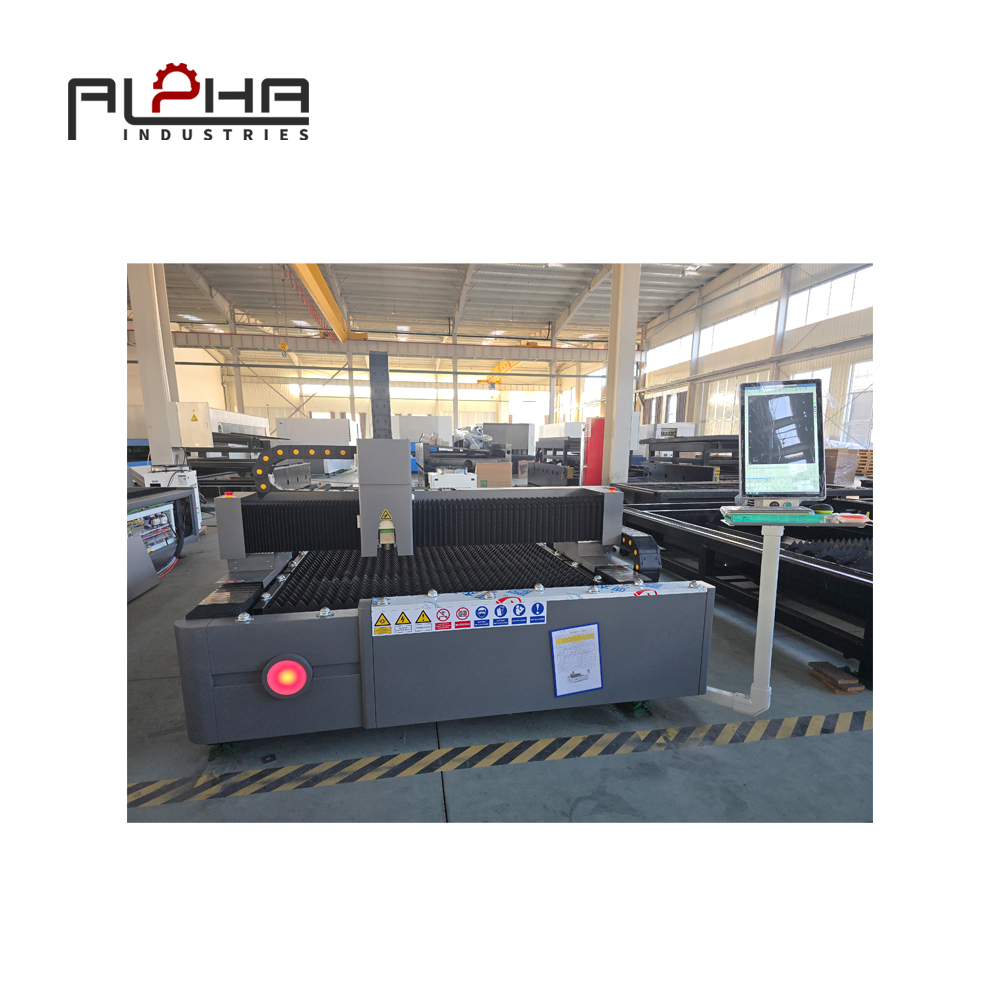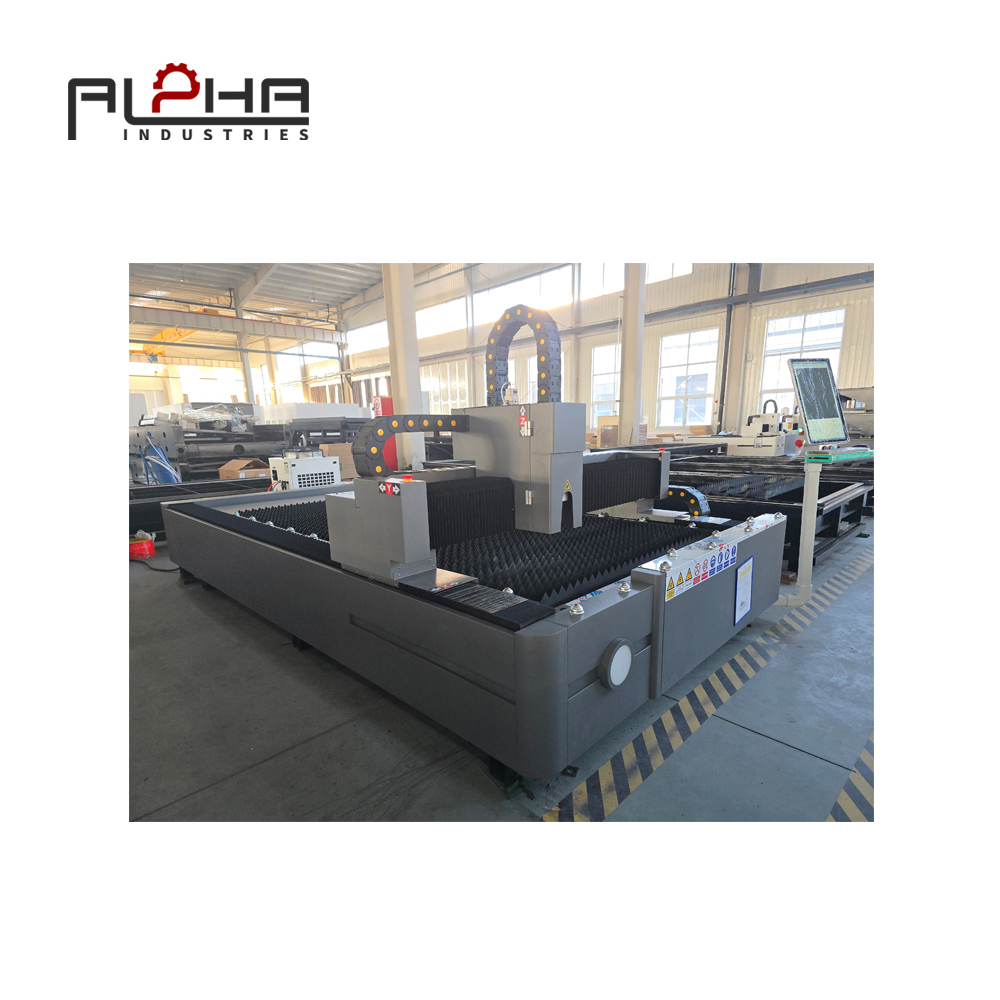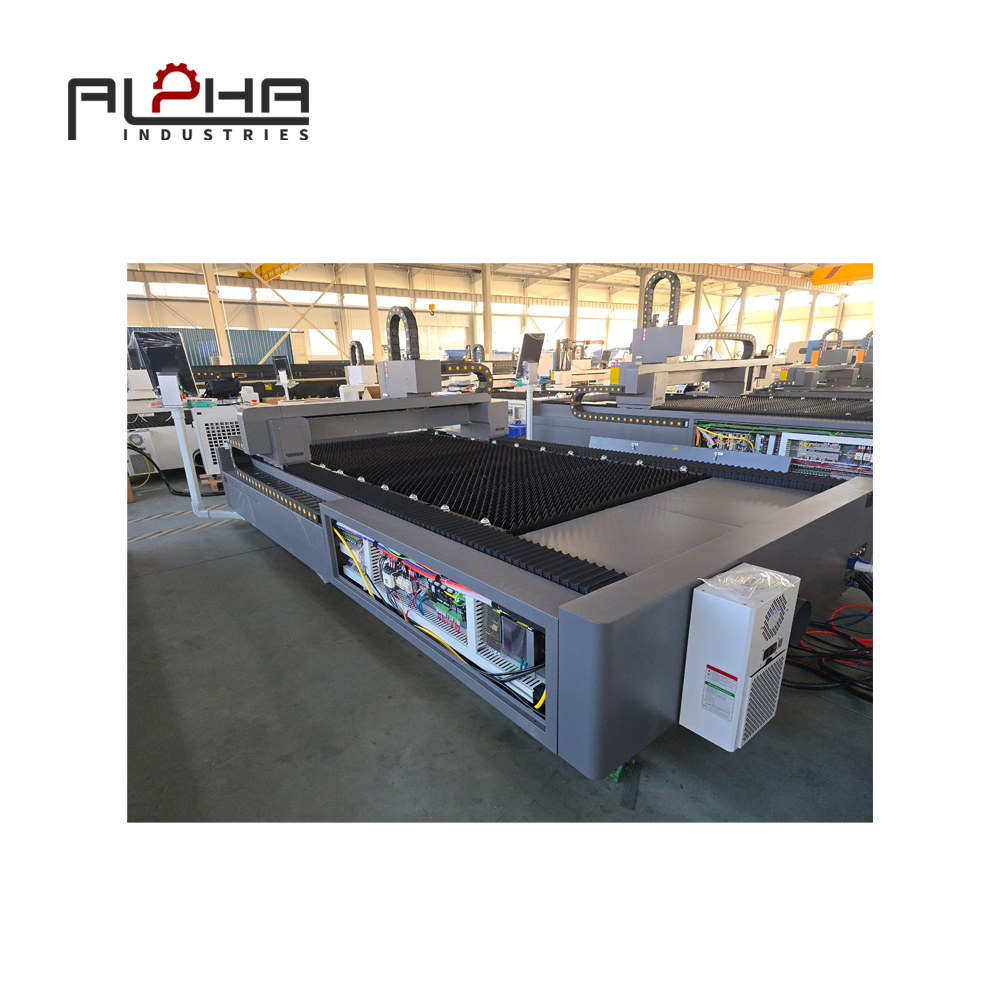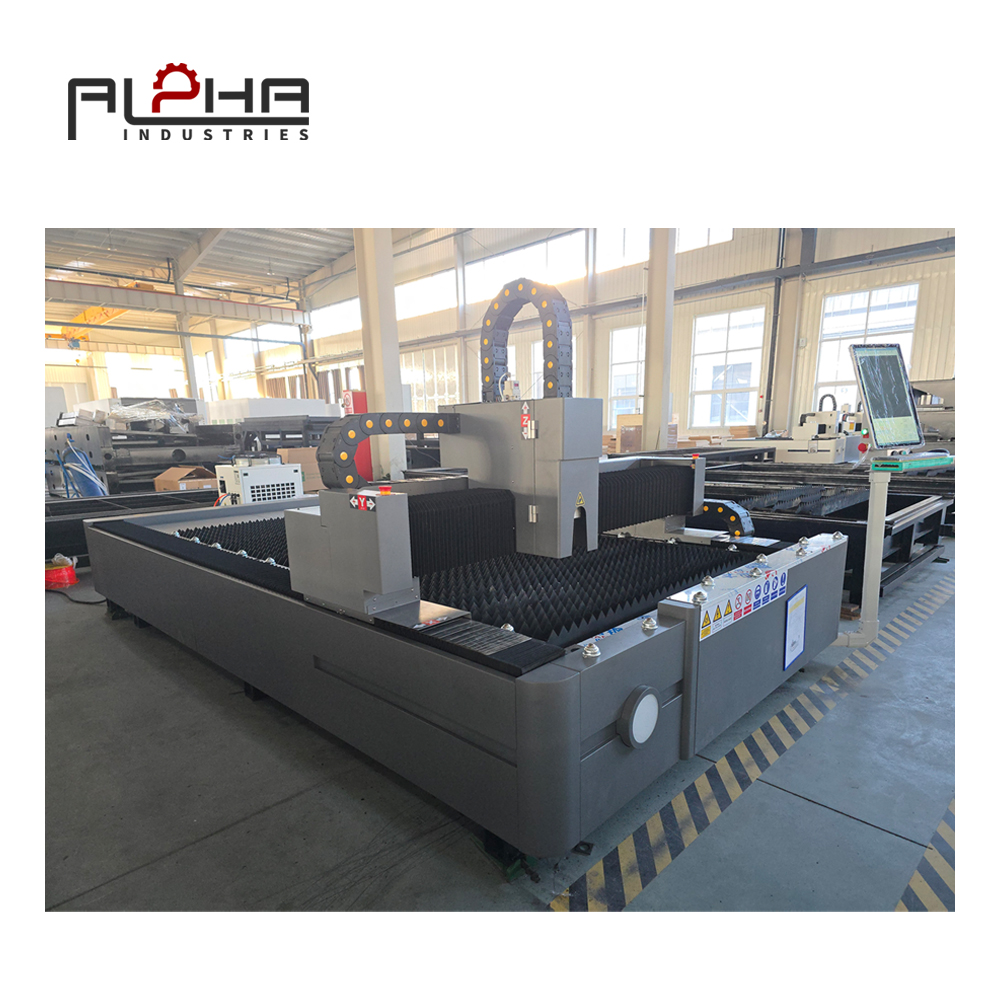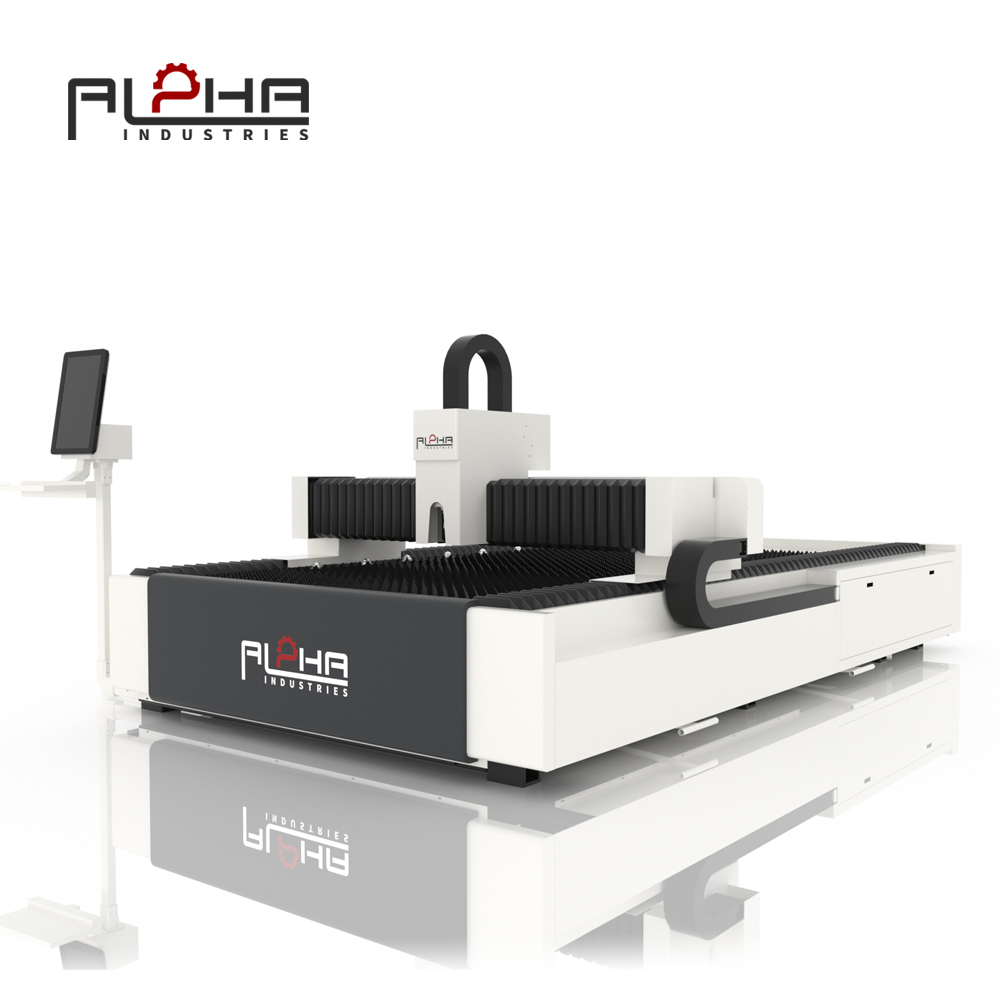


For metal fabrication companies in Ukraine, investing in a laser cutting machine involves more than choosing cutting power or maximum sheet thickness. Manufacturers must consider production reliability, electricity costs, material utilization, maintenance requirements, and the ability to maintain consistent output when operating conditions change.
A CNC laser cutting machine can process sheet metal with programmable cutting paths, repeatable positioning, and flexible production settings. These capabilities make laser cutting an important option for manufacturers producing electrical enclosures, agricultural machinery components, construction parts, industrial cabinets, and customized metal products.
However, the value of a laser cutting machine depends on how effectively it fits into the complete production process.
In Ukraine, where industrial electricity supply and energy costs have created additional challenges for manufacturers, production planning deserves particular attention. In February 2026, reporting on ArcelorMittal Kryvyi Rih described electricity shortages and higher electricity costs as major pressures on Ukrainian industrial production. Although conditions differ by region and facility, these challenges highlight why manufacturers need to evaluate energy consumption and production continuity together.
For Ukrainian metalworking businesses, the key question is not simply how fast a laser cutting machine can cut metal. It is how consistently the equipment can produce qualified parts while controlling the total cost of manufacturing.
This article examines how to select and operate a laser cutting machine with these priorities in mind.
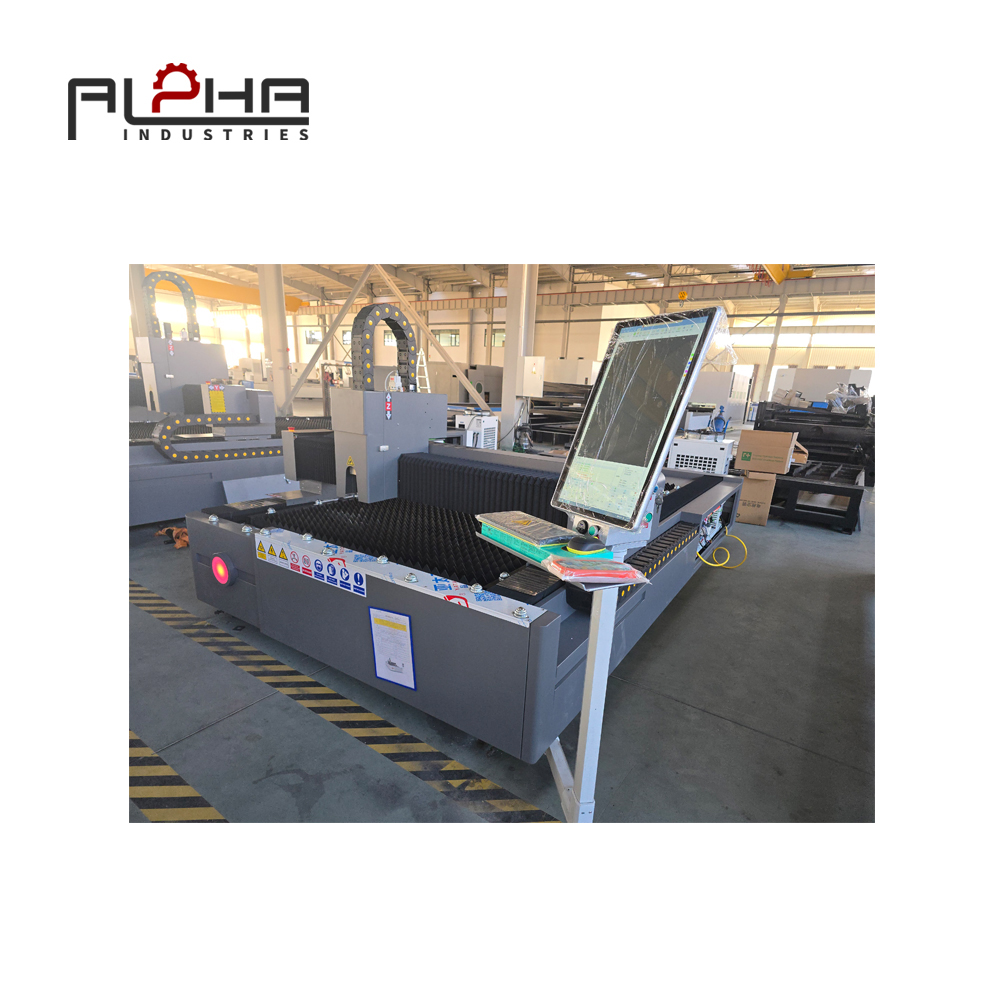
Why Production Reliability Matters When Choosing a Laser Cutting Machine in Ukraine
Production interruptions can affect an entire metal fabrication workflow.
A laser cutting machine may supply components to bending, welding, machining, and assembly departments. If cutting operations stop unexpectedly, downstream processes may experience material shortages, delayed orders, and underutilized labor.
The consequences can extend beyond the cutting department.
For example, a manufacturer producing electrical cabinets may need laser-cut panels before bending and assembly can begin. If the cutting process falls behind schedule, the entire production sequence may be delayed.
This makes production reliability an important equipment selection criterion.
How Can a Laser Cutting Machine Help Improve Production Reliability?
A suitable CNC laser cutting machine can support more predictable manufacturing through several capabilities.
Programmable Cutting Operations
CNC programs allow operators to define cutting paths and reuse established production settings for repeat orders. This can reduce repeated manual programming and help maintain consistent processing procedures.
Repeatable Positioning
Accurate positioning helps manufacturers produce components according to defined dimensions, provided that the machine is correctly installed, calibrated, and maintained.
Flexible Job Scheduling
A laser cutting system can process different part designs by changing the program and appropriate cutting parameters. This is useful for manufacturers handling customized orders and changing production priorities.
Consistent Process Monitoring
Monitoring cutting quality, machine alarms, assist-gas conditions, and operating parameters helps operators identify problems before they affect a large production batch.
These capabilities do not eliminate every production interruption. They can, however, help manufacturers establish more controlled cutting processes and reduce avoidable operational problems.
Managing Electricity Costs Without Sacrificing Cutting Productivity
Electricity consumption is an important consideration when evaluating a metal laser cutting machine for the Ukrainian market.
A machine's operating cost depends on more than the rated power of its laser source. The complete system may include the laser source, CNC control, drive motors, cooling equipment, extraction system, compressed air equipment, and other auxiliary components.
The actual electrical load depends on the machine configuration, cutting material, operating parameters, auxiliary equipment, and production schedule.
Consequently, comparing machines solely by laser source power does not provide a complete picture of energy efficiency.
What Should Manufacturers Evaluate When Comparing Energy Consumption?
Manufacturers should consider the relationship between electricity consumption and qualified production output.
Important factors include:
Laser source power and electrical efficiency
Cutting speed under the intended material and thickness conditions
Energy consumption of auxiliary systems
Actual cutting time per production shift
Setup and material-handling time
Scrap and rejected components
Cooling and extraction requirements
Maintenance and equipment utilization
A machine with higher rated laser power does not automatically deliver the lowest cost per finished part. Its value depends on whether its additional cutting capacity produces meaningful improvements in throughput for the intended applications.
Similarly, a machine with lower rated power may not be the most economical choice if it requires substantially longer cutting times for the materials being processed.
Calculate Energy Consumption Per Qualified Part
One useful evaluation method is to measure energy consumption per acceptable finished component.
Energy Consumption per Qualified Part = Total Electricity Consumed ÷ Number of Qualified Parts Produced
For example, if a production batch consumes 120 kWh and produces 600 qualified components, the average energy consumption is:
120 kWh ÷ 600 parts = 0.2 kWh per part
This is an illustrative calculation, not a performance claim for any specific machine.
Manufacturers can use the same method to compare production batches, machine configurations, or cutting strategies, provided that the parts and production conditions are comparable.
The calculation should include the relevant equipment and auxiliary loads if the objective is to measure the energy cost of the complete cutting process.
This approach helps Ukrainian manufacturers move beyond headline power specifications and evaluate the real production value of a laser cutting machine.
Preparing Laser Cutting Operations for Unstable Power Conditions
Power interruptions create practical challenges for industrial equipment.
For laser cutting operations, an unexpected interruption may affect an active cutting program, the condition of the workpiece, production scheduling, and the availability of downstream processes.
Manufacturers should therefore consider power supply requirements during equipment selection and installation.
Review the Complete Electrical Installation
Before installing a CNC laser cutting machine, manufacturers should confirm that the proposed electrical infrastructure meets the equipment manufacturer's requirements.
The review should cover:
Available electrical capacity
Voltage and frequency requirements
Grounding and electrical protection
Power quality and voltage fluctuations
Requirements for the laser source and cooling system
Auxiliary equipment loads
Safe shutdown and restart procedures
These requirements should be confirmed with the equipment supplier and a qualified electrical professional.
Consider Backup Power Carefully
Backup power may help support selected control systems, monitoring equipment, or safe shutdown functions. However, a small backup power supply should not be assumed capable of operating the entire laser cutting system.
The laser source, cooling equipment, extraction system, drives, and other components may have different electrical requirements.
A generator or alternative power system must be sized according to the actual load, starting characteristics, power quality requirements, and operating conditions.
Manufacturers should also confirm whether the proposed power arrangement is compatible with the laser source and control system.
Most importantly, backup power does not automatically guarantee uninterrupted cutting. A suitable recovery procedure is still necessary.
Establish a Safe Recovery Procedure
When an interruption occurs, operators should follow the machine manufacturer's instructions rather than immediately restarting the cutting program.
A practical recovery procedure may include:
Confirming that the machine has entered a safe state
Checking machine alarms and power supply status
Verifying that the laser source and cooling system are operating normally
Inspecting the workpiece and cutting area
Confirming the cutting program, workpiece position, and relevant process settings
Resuming production only after the machine is confirmed ready for operation
The appropriate procedure depends on the machine design and the type of interruption.
For Ukrainian manufacturers, this preparation can help reduce confusion during unexpected downtime and support a more controlled return to production.
How Material Utilization Reduces the Cost of Laser Cutting
Electricity is only one part of the cost of operating a laser cutting machine.
Metal sheets and plates can represent a substantial portion of manufacturing expenditure. When raw material prices increase or purchasing budgets become tighter, unnecessary scrap can directly affect production profitability.
Material utilization is therefore an important consideration when selecting and operating a CNC laser cutter.
Improve Sheet Nesting Before Cutting
Nesting software arranges multiple part profiles within a sheet to make efficient use of the available material.
Effective nesting can help manufacturers:
Reduce unused spaces between parts
Improve the number of components produced per sheet
Reduce unnecessary sheet remnants
Standardize cutting plans for repeat orders
Improve material planning across different jobs
The best nesting strategy depends on part geometry, sheet dimensions, material type, cutting constraints, and production priorities.
For example, a manufacturer producing several sizes of metal enclosure panels may benefit from arranging compatible components together rather than processing each part family independently.
However, maximizing the number of parts on a sheet should not be the only objective. Manufacturers must also consider part orientation, grain direction where relevant, thermal distortion, cutting sequence, part stability, and unloading requirements.
A good nesting plan balances material utilization with cutting quality and production practicality.
Monitor Scrap and Rework Separately
Scrap caused by poor nesting differs from scrap caused by incorrect cutting parameters, damaged material, or operator errors.
Manufacturers should record these causes separately.
This makes it easier to identify the most effective improvement.
For example, poor nesting may require better programming, while excessive edge defects may require parameter adjustment or maintenance.
Reducing unnecessary scrap can lower the material cost per qualified part without requiring a higher-power laser source.
For businesses facing tighter production budgets, this can be an important source of operational improvement.
Choosing the Right Laser Power for Ukrainian Manufacturing Applications
Laser power is one of the most visible specifications when comparing fiber laser cutting machines. However, selecting the correct power requires an understanding of the materials and components the machine will process.
A machine intended primarily for thin sheet metal may have different requirements from a system designed for thicker carbon steel plate.
Manufacturers should consider their actual production mix instead of selecting a configuration based on the highest possible cutting speed or maximum advertised thickness.
Thin Sheet Metal Applications
Thin sheet metal is commonly used for:
Electrical cabinets
Control panels
Metal enclosures
Ventilation components
Furniture parts
Appliance components
Light industrial brackets
For these applications, cutting quality, repeatability, nesting efficiency, and changeover time may be more important than maximum cutting thickness.
A properly configured laser cutting machine can support flexible production across multiple part designs.
Medium-Thickness Metal Processing
Manufacturers processing medium-thickness sheet metal may need to balance cutting speed, edge quality, assist-gas consumption, and material requirements.
The appropriate laser power depends on the material grade, thickness, desired cutting quality, and production volume.
Cutting parameters should be validated under representative production conditions rather than selected from power ratings alone.
Thicker Plate Applications
For thicker materials, higher laser power may improve processing capability, depending on the material and machine configuration.
However, thicker plate cutting may also require greater attention to assist gas, cutting stability, edge quality, thermal effects, material handling, and operating costs.
Manufacturers should request sample cuts or application testing when possible, particularly when their production depends on a narrow range of critical material specifications.
A Practical Selection Principle
The most appropriate laser cutting machine is not necessarily the machine with the highest power.
It is the machine that can reliably process the manufacturer's required materials and part designs at an acceptable cost per qualified component.
This principle is particularly useful for Ukrainian businesses that need to balance production flexibility, capital investment, energy use, and future demand.
Reducing Downtime Through Preventive Maintenance
Equipment downtime can disrupt delivery schedules and increase the cost of manufacturing.
For a laser cutting machine, maintenance requirements depend on the laser source, optical system, cutting head, motion system, cooling equipment, electrical components, and extraction system.
Preventive maintenance helps manufacturers identify developing problems before they cause more serious production interruptions.
Cutting Head and Optical Components
The condition of the cutting head and optical components can affect beam delivery and cutting performance.
Manufacturers should follow the equipment manufacturer's instructions for inspection, cleaning, replacement, and contamination prevention.
Optical components should not be handled or cleaned using unapproved methods, because incorrect procedures can cause damage.
Cooling System
The cooling system helps maintain the operating conditions required by the laser source and other components.
Manufacturers should monitor relevant alarms, coolant conditions, and maintenance requirements according to the machine documentation.
Poor cooling performance can lead to alarms, interruptions, or equipment damage.
Assist-Gas Supply
Assist gas plays an important role in cutting performance and edge quality.
Incorrect pressure, inadequate supply, contamination, or unsuitable gas selection may affect the cutting result.
Manufacturers should verify the gas supply and cutting parameters required for each material and thickness.
Motion System and Machine Accuracy
The drive system, guides, and other mechanical components should be inspected and maintained according to the manufacturer's schedule.
Unusual noise, vibration, positioning errors, or deteriorating cutting consistency should be investigated rather than ignored.
Build a Maintenance Schedule
A maintenance plan may include daily checks, scheduled inspections, consumable replacement, software and parameter backups, and periodic professional servicing.
The exact tasks and intervals should follow the machine manufacturer's recommendations.
For Ukrainian manufacturers, maintaining access to technical documentation, compatible spare parts, and qualified technical support is also important when planning equipment availability.
How CNC Programming Supports Flexible Production
Many metal fabrication companies handle a mixture of repeat orders and customized components.
This creates a need for flexible production without excessive manual setup.
A CNC laser cutting machine can store and reuse cutting programs, making it easier to manage recurring jobs and changing part designs.
Reduce Repeated Programming Work
When a repeat order arrives, a validated program can help reduce the need to recreate the cutting path.
Operators should still verify the material, thickness, sheet dimensions, cutting parameters, and machine condition before production begins.
Reusing a program without confirming these conditions can produce defects if the material or processing requirements have changed.
Improve Production Scheduling
A structured job schedule can help manufacturers group compatible materials and thicknesses, prepare programs in advance, and reduce unnecessary changeovers.
For example, a workshop producing steel brackets, cabinet panels, and mounting plates may organize jobs according to material specifications and delivery priorities.
The objective is to minimize avoidable setup time without delaying urgent orders or creating unnecessary work-in-progress inventory.
Standardize Quality Checks
A consistent first-piece inspection process can help identify dimensional or cutting defects before a full batch is completed.
The process may include checking critical dimensions, edge condition, hole geometry, and other drawing requirements.
Once the part is approved, the production team can proceed according to the established quality procedure.
This reduces the risk of discovering a problem only after many components have been processed.
Integrating Laser Cutting With Bending and Welding Operations
A laser cutting machine rarely operates in isolation in a metal fabrication factory.
Cut components may need to be bent, welded, ground, assembled, or coated before delivery.
Consequently, improving cutting performance should support the requirements of downstream operations.
Cutting Accuracy and Bending Quality
Accurate cutting dimensions and correctly positioned holes can help components fit subsequent bending operations.
However, the final result also depends on material properties, bend allowances, tooling, machine calibration, and process control.
Manufacturers should coordinate cutting and bending programs to reduce dimensional inconsistencies across the production sequence.
Edge Quality and Welding Preparation
Cutting quality may influence the amount of finishing required before welding or assembly.
The required edge condition depends on the material, cutting process, component design, and welding specification.
Where a component requires a particular edge preparation, manufacturers should validate the cutting process and determine whether additional finishing is necessary.
Coordinate Production Capacity
If the laser cutting machine produces parts faster than the bending or welding department can process them, work-in-progress inventory may accumulate.
Conversely, insufficient cutting capacity may leave downstream equipment waiting for components.
Manufacturers should therefore evaluate the capacity of the complete production line rather than measuring laser cutting speed in isolation.
A balanced workflow can improve delivery performance and reduce unnecessary material handling.
Calculating the Total Cost of a Laser Cutting Machine
The purchase price is an important part of equipment investment, but it does not represent the complete cost of ownership.
For Ukrainian manufacturers, a more comprehensive assessment should include the cost of operating and maintaining the machine throughout its expected service life.
Purchase and Installation
Initial costs may include the machine, transport, installation, commissioning, electrical preparation, ventilation, cooling, and other required infrastructure.
The actual requirements depend on the selected configuration and the factory environment.
Energy and Consumables
Operating costs may include electricity, assist gas, cutting nozzles, protective windows, other approved consumables, and maintenance materials.
These costs vary according to production conditions and cutting requirements.
Labor and Training
Operator training, programming, setup, inspection, and material handling all contribute to production cost.
A machine that is technically capable of high-speed cutting may not achieve its expected output if the workflow, staffing, or programming process is not adequately prepared.
Downtime and Maintenance
Maintenance expenses should be considered alongside the cost of unplanned production interruptions.
Manufacturers should evaluate service arrangements, spare-part availability, technical documentation, and the time needed to diagnose and resolve common problems.
Material Waste and Quality Costs
Scrap and rework increase the effective cost of each qualified part.
A useful total-cost assessment should therefore consider material utilization, rejected components, and the finishing work required after cutting.
Cost per Qualified Part
Cost per Qualified Part = Total Relevant Production Costs ÷ Number of Qualified Parts Produced
Relevant costs may include material, energy, labor, consumables, maintenance, and an appropriate allocation of equipment and facility costs.
Manufacturers should define the calculation consistently when comparing different machines.
This provides a more useful investment comparison than purchase price alone.
What Should Ukrainian Manufacturers Check Before Purchasing a Laser Cutting Machine?
Before choosing a laser cutting machine, manufacturers should prepare a clear list of production requirements.
This helps suppliers recommend a suitable configuration and makes quotations easier to compare.
Material and Thickness
Identify the materials processed most frequently, including carbon steel, stainless steel, aluminum, or other metals.
List the normal working thicknesses and any less frequent maximum-thickness requirements.
Working Area
Confirm the sheet dimensions used in current production and consider whether future orders may require a larger working area.
The working area should support the intended parts and material-handling arrangements.
Required Cutting Quality
Define the dimensional tolerances, edge quality, hole requirements, and finishing expectations for representative parts.
When possible, provide technical drawings and sample materials for evaluation.
Production Volume
Estimate the number of parts produced per shift, the proportion of repeat orders, and the expected growth in production volume.
This information helps determine whether flexibility, maximum throughput, or a balance of both is most important.
Available Infrastructure
Confirm the electrical supply, cooling requirements, gas supply, ventilation, floor space, and material-handling arrangements.
These factors can affect installation cost and machine availability.
Technical Support
Ask about commissioning, operator training, maintenance guidance, troubleshooting, spare parts, and technical support arrangements.
A clear support plan helps manufacturers prepare for the practical requirements of long-term machine operation.
Future Production Requirements
Consider whether the business expects to add new materials, process thicker sheets, increase production volume, or integrate cutting with bending and automation.
The objective is to choose a configuration that meets current needs while allowing a reasonable path for future development.
Why Application-Specific Laser Cutting Solutions Matter
There is no single laser cutting machine configuration that is ideal for every manufacturer in Ukraine.
A small fabrication workshop producing customized enclosures may prioritize flexibility, ease of programming, and efficient material use.
A larger industrial manufacturer may place greater emphasis on throughput, automated material handling, production monitoring, and integration with downstream processes.
A company processing thicker plate may require different cutting capabilities and material-handling arrangements from a business working mainly with thin sheet metal.
The appropriate equipment selection should therefore be based on the actual application.
At ALPHA, the objective is to help customers evaluate metalworking equipment according to their production requirements rather than focusing on one specification in isolation.
When considering a laser cutting machine, manufacturers should review material type, thickness, working area, expected output, cutting quality, electricity requirements, auxiliary equipment, maintenance, and future production plans together.
This approach helps create a more practical basis for comparing equipment configurations and planning an investment.
Frequently Asked Questions About Laser Cutting Machines in Ukraine
What Is the Best Laser Cutting Machine for Ukrainian Manufacturers?
The best machine depends on the material, thickness, working area, cutting quality, production volume, budget, and available infrastructure. Manufacturers should evaluate these factors together rather than selecting a machine based only on laser power or purchase price.
Is a Fiber Laser Cutting Machine Suitable for Sheet Metal Processing?
Fiber laser cutting machines are widely used for processing many types of metal sheet and plate. Their suitability depends on the material, thickness, required edge quality, machine configuration, and production requirements.
How Can a Laser Cutting Machine Help Reduce Manufacturing Costs?
A properly selected and operated machine can help reduce manufacturing costs through repeatable cutting, efficient nesting, reduced rework, appropriate cutting parameters, and better production scheduling. Actual savings depend on the application and operating conditions.
How Does Electricity Consumption Affect Laser Cutting Costs?
Electricity consumption contributes to the cost of producing each component. Manufacturers should consider the complete system load and measure energy use against qualified output to make meaningful comparisons between machines and production processes.
Can a Laser Cutting Machine Operate During a Power Outage?
A laser cutting machine should not be assumed capable of continuing normal cutting during a power outage. Operation depends on the electrical supply and the machine configuration. Any backup power solution must be appropriately engineered and approved for the relevant equipment.
How Can Manufacturers Reduce Laser Cutting Downtime?
Preventive maintenance, proper electrical installation, stable gas supply, validated cutting parameters, operator training, and documented recovery procedures can help reduce avoidable interruptions. Maintenance must follow the equipment manufacturer's recommendations.
What Laser Power Is Needed for Cutting Metal?
The required power depends on material type, thickness, desired cutting speed, edge quality, and production volume. Manufacturers should confirm performance using representative materials and cutting tests whenever possible.
How Important Is Nesting Software for a Laser Cutting Machine?
Nesting software can improve sheet utilization by arranging parts efficiently. Better nesting can reduce material waste, although cutting quality, part orientation, thermal effects, and unloading requirements must also be considered.
What Should Be Included in a Laser Cutting Machine Quotation?
A quotation should clearly identify the machine configuration, laser source, working area, CNC system, included accessories, electrical and cooling requirements, installation scope, training, warranty, maintenance requirements, and available technical support. Buyers should also clarify transport and commissioning arrangements.
How Can I Choose a Suitable Laser Cutting Machine for My Factory?
Start by documenting your materials, thickness range, sheet dimensions, production volume, quality requirements, infrastructure, and budget. Share these details with the supplier so that the proposed configuration can be evaluated against your actual manufacturing needs.
Conclusion: Building More Reliable Laser Cutting Operations in Ukraine
For Ukrainian manufacturers, choosing a laser cutting machine is a production decision that affects material costs, electricity consumption, delivery schedules, and long-term manufacturing performance.
The most effective approach is to evaluate the complete cutting process rather than focusing exclusively on laser power or maximum cutting speed.
A suitable CNC laser cutting machine should match the materials being processed, deliver the required cutting quality, support efficient material utilization, and fit the factory's electrical and operational conditions.
Manufacturers can strengthen their operations by focusing on these priorities:
Select machine specifications according to actual material and thickness requirements.
Evaluate electricity consumption against qualified production output.
Improve nesting, cutting parameters, and production scheduling.
Establish preventive maintenance and safe power-interruption recovery procedures.
Consider the machine's total cost of ownership and integration with downstream processes.
These measures provide a practical foundation for improving production efficiency while managing the operating challenges faced by metal fabrication businesses.
ALPHA supports manufacturers evaluating metalworking machinery for different production applications. To discuss your laser cutting requirements and identify a suitable equipment configuration, contact our team.
Contact ALPHA CNC: https://alpha-cnc.com/contact-us
Explore the ALPHA CNC website to learn more about our metalworking machinery and manufacturing solutions: https://alpha-cnc.com/