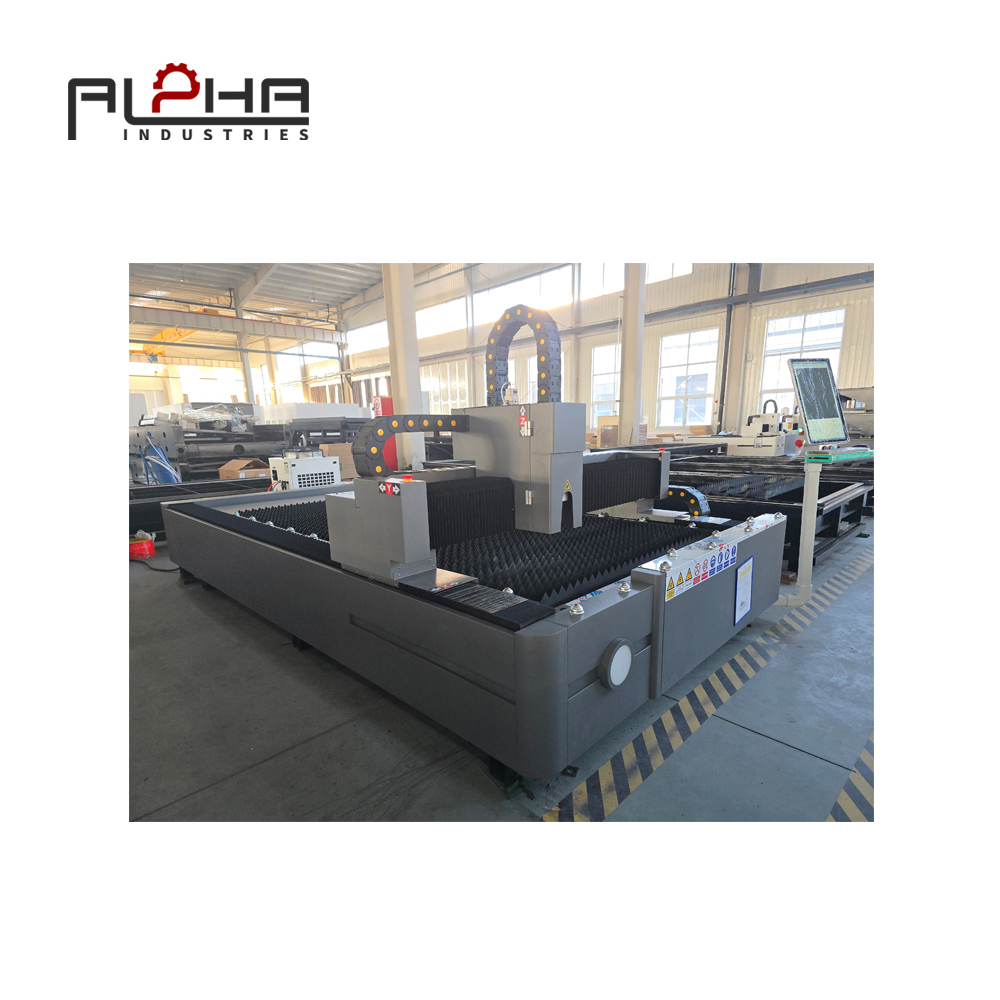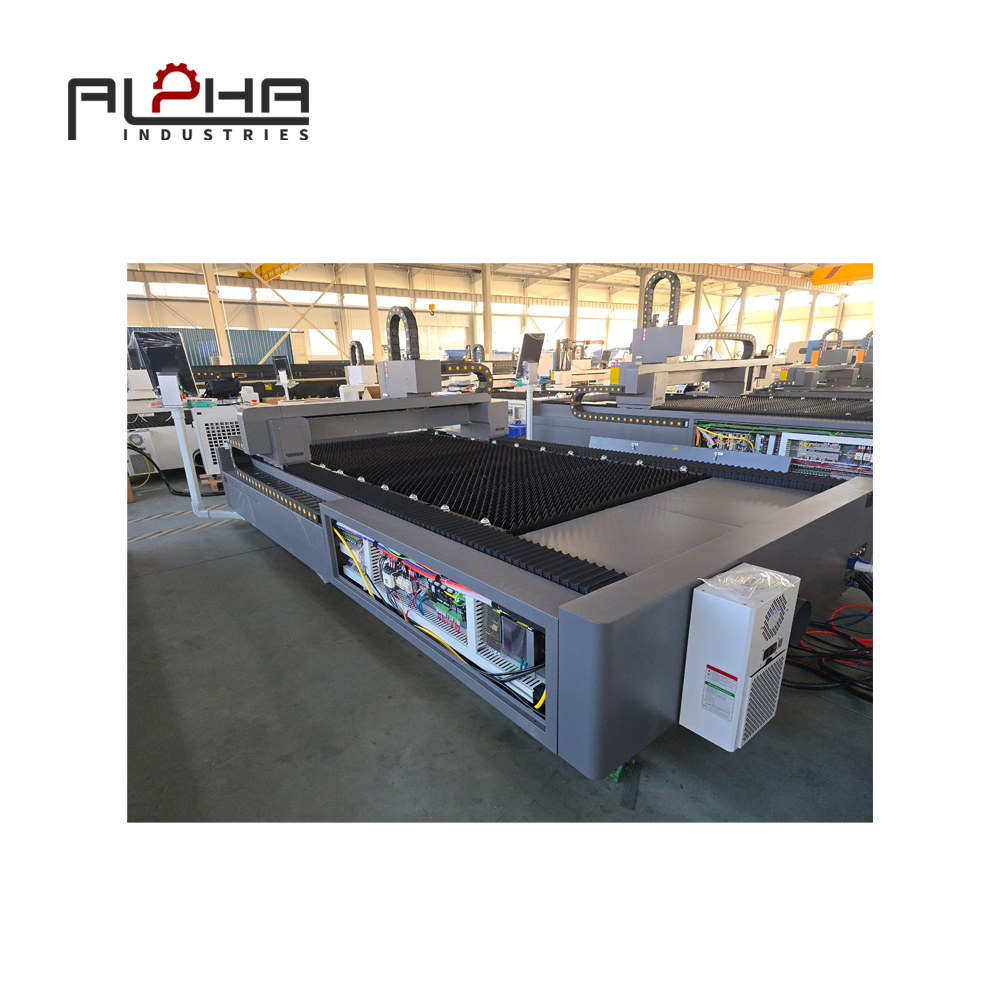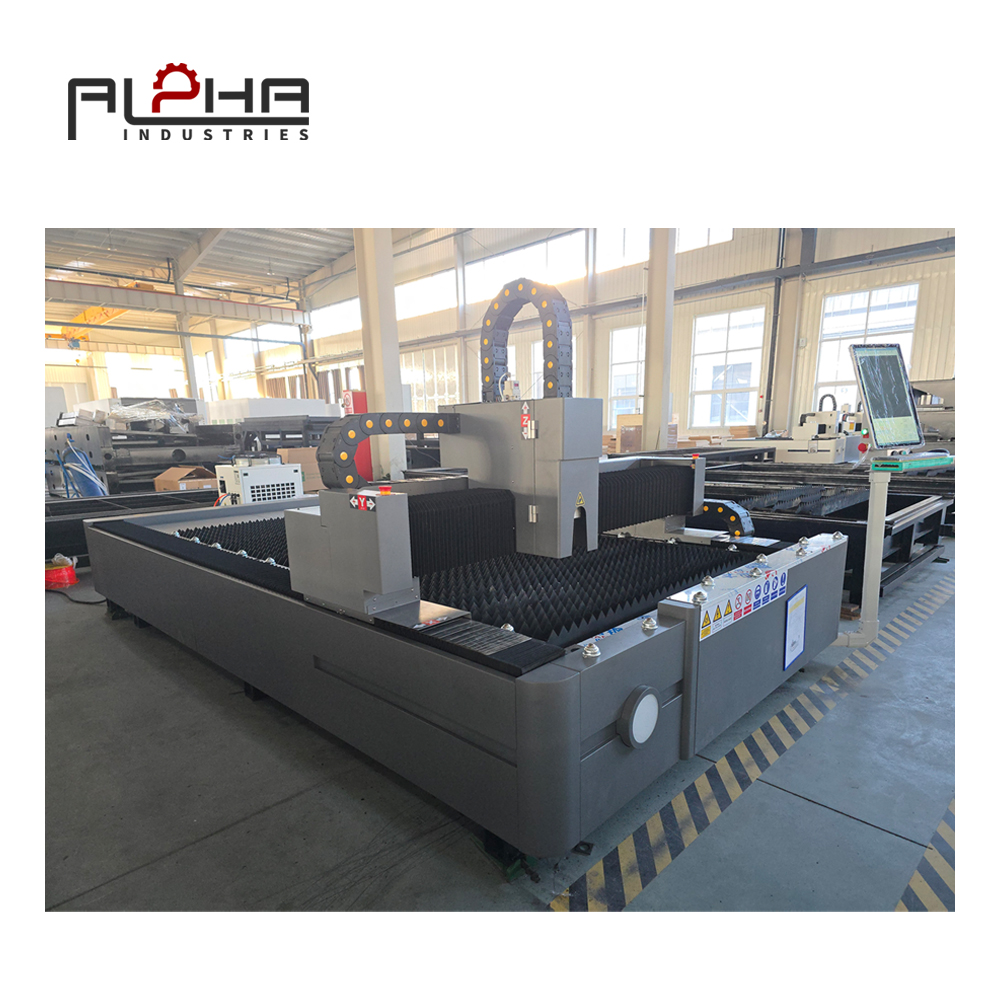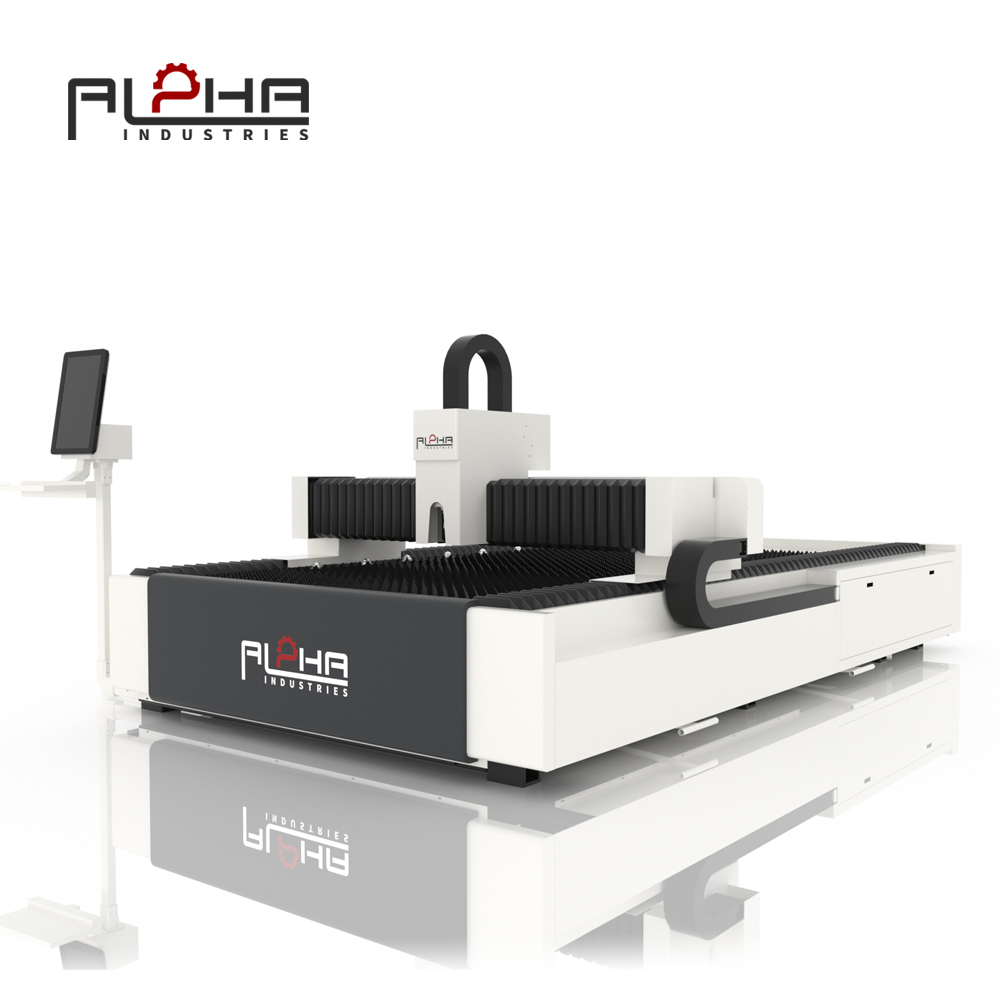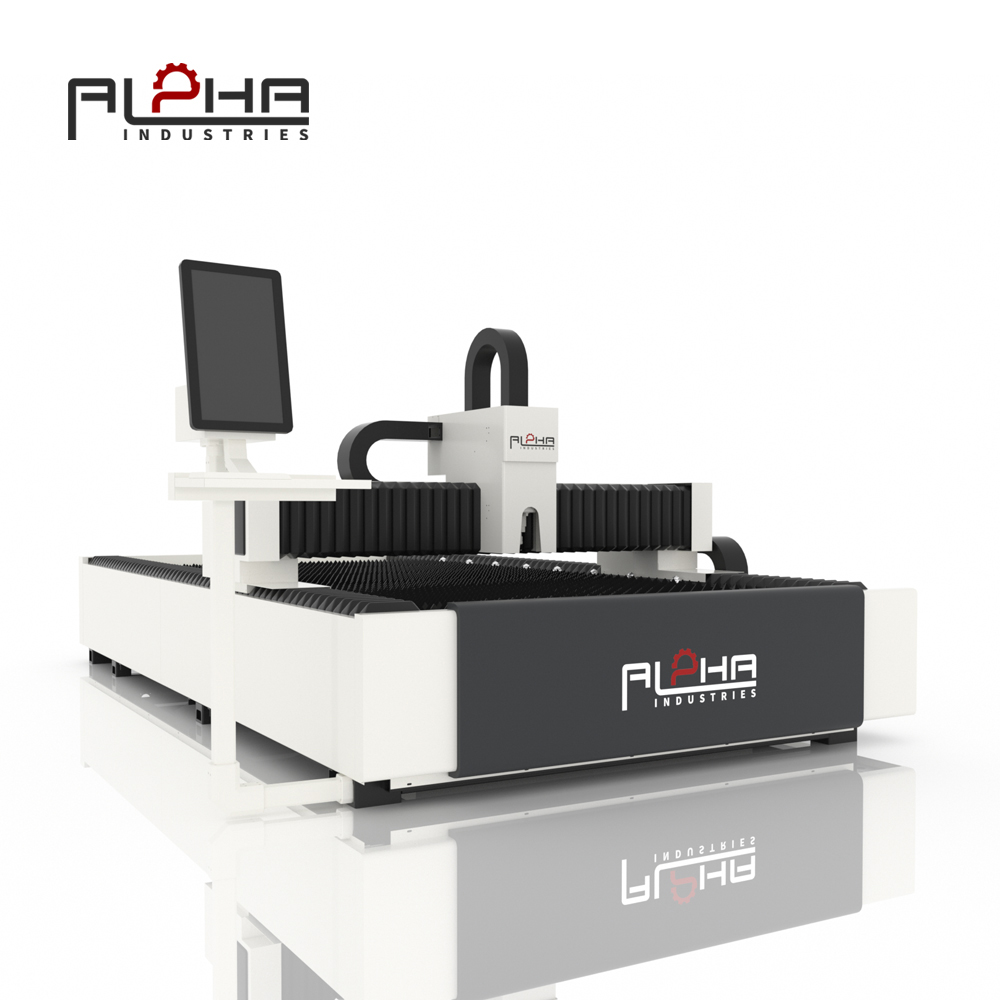


For metal fabrication companies in Ukraine, production flexibility is becoming an important consideration when investing in new equipment. Manufacturers may need to process different part designs, respond to changing customer requirements, manage small batches, and maintain delivery schedules without creating unnecessary costs.
Under these conditions, purchasing a laser cutting machine based only on maximum cutting speed or laser power can lead to an incomplete investment decision. The equipment must also support efficient job changes, consistent part quality, practical programming, and smooth coordination with downstream manufacturing operations.
A CNC laser cutting machine provides programmable cutting paths and repeatable processing for a wide range of sheet metal components. When properly configured, it can help manufacturers move between different jobs while maintaining a controlled production process.
This flexibility is relevant to businesses producing electrical enclosures, machinery covers, ventilation components, mounting brackets, construction parts, agricultural equipment components, and customized sheet metal products.
Ukraine's metal fabrication sector includes manufacturers that accept individual components, small batches, and production orders based on customer drawings. Local service providers also highlight the importance of digital drawings, nesting, repeatable production, and coordination between laser cutting and subsequent bending or welding operations. These examples illustrate the practical value of flexible manufacturing workflows in the Ukrainian market.
For manufacturers evaluating a CNC laser cutting machine, the central question is therefore not simply how quickly the machine can cut a sheet. It is how effectively the entire production process can respond to changing orders while protecting quality, productivity, and delivery performance.
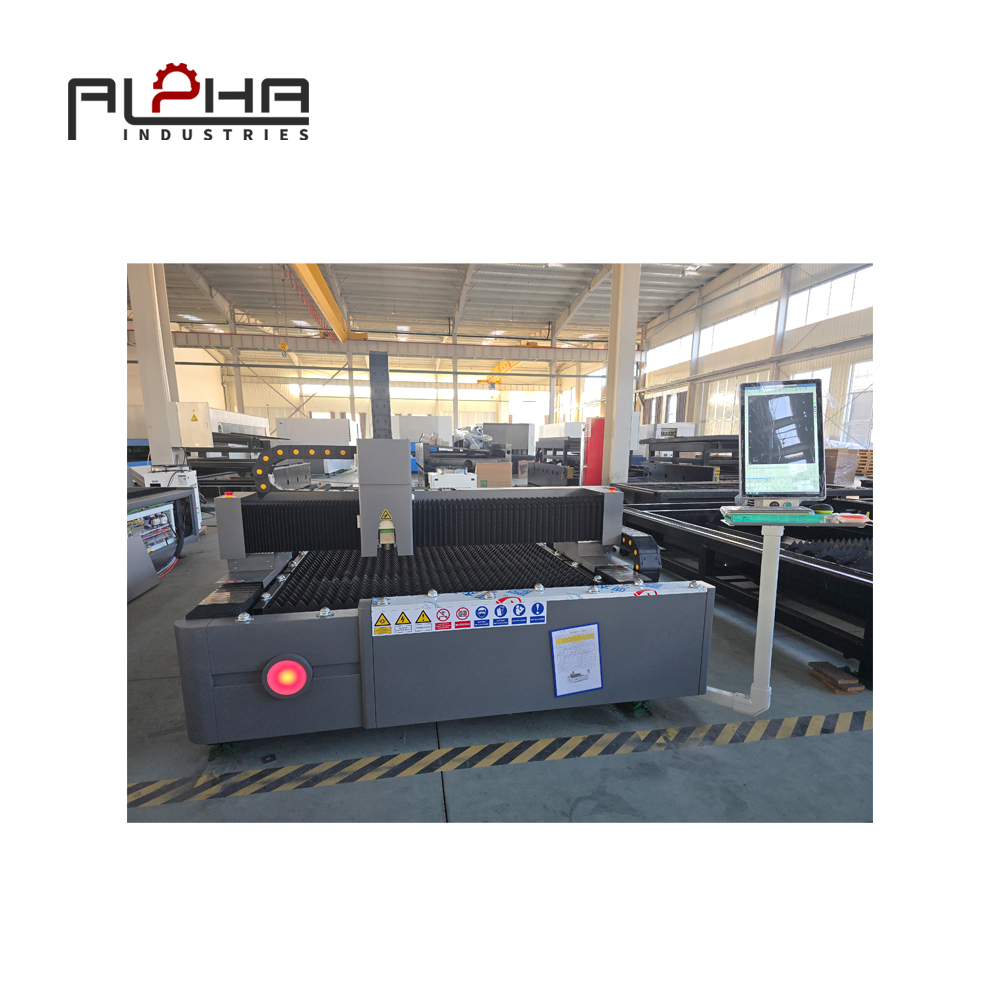
Why Production Flexibility Matters for Ukrainian Metal Fabricators
Metal fabrication rarely involves producing one identical component indefinitely. Customer requirements may change according to project specifications, product revisions, material availability, or delivery priorities.
A manufacturer producing industrial cabinets, for example, may need to process several panel dimensions in the same week. A workshop supplying agricultural machinery may receive orders for different brackets, guards, mounting plates, and structural components. A company manufacturing ventilation equipment may need to switch between different duct-related parts and sheet metal profiles.
These applications require more than cutting capability. They require a production system that can handle variation without excessive preparation time.
The Cost of Frequent Job Changes
Every production change can involve several activities:
-
Reviewing drawings and technical specifications
-
Preparing or checking CNC programs
-
Confirming material grade and thickness
-
Selecting appropriate cutting parameters
-
Arranging sheets and preparing the work area
-
Verifying the first completed parts
-
Updating production records and delivery priorities
These activities are necessary, but inefficient preparation can consume valuable production time.
If operators repeatedly search for files, recreate existing programs, or clarify incomplete specifications, the laser cutting machine may spend too much time waiting instead of processing material.
The result can be lower equipment utilization, delayed orders, and greater pressure on production staff.
For Ukrainian manufacturers managing customized orders or fluctuating production volumes, reducing avoidable preparation work can be just as important as improving cutting speed.
Why a Flexible CNC Laser Cutting Machine Can Help
A CNC laser cutting machine uses programmed cutting paths to process parts according to defined geometries. Once a program has been validated, it can often be reused for repeat orders under the same material and process conditions.
This creates opportunities to standardize recurring work while preserving the ability to manufacture different components.
A suitable system can help manufacturers:
-
Switch between approved part programs more efficiently
-
Process different contours without dedicated mechanical cutting tools
-
Repeat established cutting operations
-
Organize production around material and thickness requirements
-
Support prototype, small-batch, and repeat production
-
Reduce dependence on repeated manual cutting operations
The actual benefits depend on the machine configuration, software, operator capability, production planning, and the complexity of the parts being manufactured.
Flexibility should therefore be evaluated as a complete production capability rather than a single machine specification.
How CNC Laser Cutting Supports Short-Run and Customized Production
Short production runs create a particular challenge for metal fabrication companies. The time required to prepare a job can represent a significant share of the total manufacturing time when only a small number of parts are produced.
For example, preparing a cutting program and confirming the first part may require similar activities whether the order contains a few components or a much larger batch. If preparation is poorly organized, the cost per part can become unnecessarily high.
CNC laser cutting can help reduce this burden by allowing manufacturers to process different part geometries through programmed motion rather than dedicated cutting dies.
Process Different Designs on the Same Machine
A suitable CNC laser cutting machine can process multiple part designs within its working area, provided that the material, thickness, geometry, and cutting requirements fall within the machine's capabilities.
This is useful for manufacturers that produce a variety of components rather than a single standardized product.
A workshop may need to cut rectangular panels, mounting holes, curved profiles, slots, and irregular contours during the same production period. A CNC system can execute the relevant programs without requiring a separate mechanical cutting tool for each contour.
However, each job still needs appropriate preparation. Material specifications, sheet dimensions, cutting parameters, and workpiece requirements must be confirmed before production.
Make Repeat Orders Easier to Manage
Repeat orders provide an opportunity to improve consistency.
Manufacturers can maintain an organized library of approved cutting programs, material specifications, and quality inspection records. When an existing component is ordered again, the production team can retrieve the validated information instead of starting the preparation process from scratch.
A controlled program library should include the part revision and the conditions under which the program was approved.
If the drawing, material, thickness, or cutting requirements change, the program should be reviewed before reuse.
This approach supports repeatability without assuming that every production condition remains identical.
Support Prototype Development
Manufacturers may need to produce sample components before committing to a larger production batch.
A CNC laser cutting machine can help prepare prototypes and revised part designs without the tooling changes associated with some conventional manufacturing processes.
This can be useful when customers request modifications to enclosure dimensions, mounting positions, ventilation openings, or other sheet metal features.
Prototype production should still include dimensional checks and process validation. The objective is to identify design or manufacturing issues before they affect a larger batch.
Reducing Setup Delays Through Better CNC Programming
Machine capability alone cannot eliminate inefficient job preparation. Manufacturers also need a clear process for managing drawings, programs, materials, and production priorities.
For a laser cutting machine to deliver consistent results, the digital information used in production must be accurate, accessible, and properly controlled.
Standardize Drawing Preparation
Incomplete or inconsistent drawings can delay production before the machine begins cutting.
Manufacturers should establish clear requirements for part files and technical information. Depending on the workflow, useful information may include:
-
Part dimensions and tolerances
-
Material grade and thickness
-
Drawing revision
-
Quantity required
-
Critical holes, slots, and contours
-
Surface or edge-quality requirements
-
Subsequent bending or welding requirements
Common file formats used in metal fabrication workflows include DXF and DWG for two-dimensional profiles, while STEP files may be useful when three-dimensional geometry is involved. The formats supported by a particular CNC system and its software should be confirmed before purchasing equipment.
Where customer drawings contain incomplete information, the technical team should resolve the uncertainties before releasing the job to production.
Organize Programs by Part and Material
A structured program library makes it easier to retrieve previously approved cutting information.
Programs can be organized according to part number, revision, material, thickness, or product family. Clear naming conventions help operators identify the correct file and reduce the risk of selecting an outdated program.
Manufacturers should also maintain appropriate backups and access controls for production files.
This is especially useful when several operators share a machine or when repeat orders are processed over an extended period.
Reduce Unnecessary Parameter Changes
Different materials and thicknesses may require different cutting parameters. Operators should use settings validated for the relevant application rather than making repeated adjustments without documenting the results.
A controlled parameter library can help production teams identify suitable starting conditions for common materials.
Actual cutting performance still depends on the laser source, optics, nozzle condition, assist gas, material quality, and machine configuration. Parameters should be confirmed through appropriate testing and inspection.
Standardization reduces avoidable variation while preserving the ability to adjust the process when conditions genuinely change.
Improving Material Scheduling and Nesting Efficiency
Production flexibility depends partly on how materials are prepared and allocated to different jobs.
If each order is scheduled independently without considering material type, thickness, sheet dimensions, or delivery priority, the workshop may experience unnecessary material changes and additional preparation work.
A better approach combines job planning with nesting and material management.
Group Compatible Jobs Where Practical
Manufacturers can review upcoming orders and identify jobs that use compatible materials and thicknesses.
Processing compatible jobs within a planned production window may reduce the need for repeated material changes and parameter adjustments.
However, jobs should not be grouped solely for machine convenience. Urgent delivery commitments, material availability, customer priorities, and downstream capacity must also be considered.
The objective is to improve overall production flow rather than maximize the number of similar jobs processed in isolation.
Use Nesting to Support Both Material Yield and Scheduling
Nesting software arranges part profiles within a sheet to improve material utilization.
For customized production, nesting can also help manufacturers determine which parts can be processed together and how much material a job is likely to require.
An effective nesting strategy should consider:
-
Sheet dimensions and material specifications
-
Part geometry and required orientation
-
Cutting sequence and thermal effects
-
Part stability during processing
-
Unloading and sorting requirements
-
Delivery priorities and batch quantities
A layout that maximizes the number of parts on a sheet is not always the most practical option. Small components may become difficult to remove, thin sections may be affected by heat, or parts for urgent orders may become mixed with lower-priority jobs.
Manufacturers should balance material utilization with cutting quality, handling efficiency, and production scheduling.
Track Material Remnants
Usable sheet remnants may be valuable for future small-batch orders.
A basic remnant management process can record material type, thickness, dimensions, and storage location. When a suitable future job arrives, the production team can check whether an existing remnant can be used.
This can help reduce unnecessary material purchases, particularly for small parts that do not require a full sheet.
Remnant reuse should still consider material identification, surface condition, dimensional suitability, and the requirements of the finished component.
Why Cutting Accuracy Must Be Connected to Downstream Processes
A laser cutting machine is often only the first stage of a larger manufacturing route.
After cutting, sheet metal parts may move to bending, welding, grinding, coating, or assembly. If the cut components do not meet the requirements of these subsequent operations, the time saved during cutting may be lost later.
For this reason, manufacturers should evaluate cutting quality in the context of the finished product.
Coordinate Laser Cutting With Press Brake Operations
For components that will be bent, the position of holes, slots, edges, and reference features can affect the final geometry.
The cutting program should be prepared using the correct drawing revision and coordinated with the bending process.
Manufacturers should also consider bend allowances, material thickness, material properties, tooling, and the dimensional requirements of the finished part.
A laser cutting machine cannot compensate for incorrect design data or an unsuitable bending setup. Cutting and bending processes must be coordinated to achieve the intended dimensions.
Prepare Parts for Welding and Assembly
Cut components may require consistent edge conditions and accurate feature positioning before welding or assembly.
Poorly controlled dimensions can create gaps, alignment problems, or additional fitting work.
Manufacturers should define the critical dimensions and inspection points for components that form part of a larger assembly.
Where edge preparation or special surface requirements apply, these should be included in the production specification.
Balance Cutting Capacity With Factory Capacity
Increasing cutting output does not automatically increase total factory productivity.
If the laser cutting machine produces components faster than the bending or welding departments can process them, work-in-progress inventory may accumulate. This can increase handling requirements and make it more difficult to track urgent orders.
Conversely, insufficient cutting capacity may leave downstream equipment waiting for material.
A practical production plan should consider the capacity of the complete manufacturing route, including material handling, inspection, bending, welding, and assembly.
The goal is to deliver the right components to the next operation at the right time.
Maintaining Consistent Quality Across Different Production Runs
Frequent job changes can introduce quality risks when operators use incorrect programs, overlook material differences, or fail to verify the first parts produced after a changeover.
Manufacturers should therefore establish a consistent quality-control procedure for both new jobs and repeat production.
Inspect the First Completed Part
Before processing a full batch, the production team should verify that the first completed part meets the relevant drawing requirements.
Depending on the component, inspection may include:
-
Overall dimensions
-
Hole and slot positions
-
Contour accuracy
-
Edge condition
-
Visible cutting defects
-
Features required for bending or assembly
The inspection method should match the part's critical requirements.
If the first part does not meet the specification, the cause should be investigated before continuing the batch.
Record Process Changes
When operators adjust cutting parameters or make changes to a program, the reason and result should be documented according to the factory's procedures.
This creates a more useful production history and helps prevent the same problems from recurring.
Changes should be reviewed carefully when they affect critical dimensions, edge quality, or downstream assembly.
Separate Cutting Defects From Design Problems
Not every dimensional or assembly issue originates at the laser cutting stage.
Some problems may result from incorrect drawings, material variation, unsuitable bend allowances, incorrect fixtures, or changes in downstream processes.
A clear inspection and problem-solving process helps manufacturers identify the actual cause instead of making unnecessary machine adjustments.
This is particularly important for customized components, where part designs and production conditions may differ from one order to the next.
Choosing the Right CNC Laser Cutting Machine for Ukraine
The appropriate machine configuration depends on the parts being manufactured, the expected production volume, and the working conditions of the factory.
A manufacturer producing thin sheet metal enclosures may have different requirements from a company cutting medium-thickness steel components for industrial equipment.
The selection process should begin with real production data rather than a single headline specification.
Material Type and Thickness Range
Identify the materials processed most frequently, such as carbon steel, stainless steel, aluminum, or other metals.
Document the normal working thicknesses and the maximum thicknesses that are genuinely required.
Laser performance varies according to material type, thickness, laser source, assist gas, cutting parameters, and the desired edge quality.
Suppliers should be asked to confirm whether the proposed configuration can meet the actual application requirements.
Working Area and Part Dimensions
The working area should accommodate the sheet sizes used in production and the dimensions of the components being cut.
Manufacturers should also consider how sheets will be loaded, positioned, unloaded, and transported to the next operation.
A larger working area may be useful for certain production requirements, but it should be evaluated alongside available factory space, material-handling equipment, and investment budget.
Laser Power and Required Output
Laser power should be selected according to material, thickness, cutting quality, and production volume.
Higher power may improve processing capability for some applications, but it does not automatically produce the lowest cost per part.
Manufacturers should evaluate cutting performance under representative conditions and consider the time required for loading, setup, inspection, and unloading.
Where possible, sample cutting tests can help confirm whether the proposed configuration meets the required quality and throughput.
CNC Control and Software
The control system and associated software affect how programs are prepared, transferred, managed, and executed.
Manufacturers should confirm the compatibility of the software with their existing drawing workflows and the availability of the features they actually need.
Training requirements, program management, file compatibility, and ease of operation should be considered as part of the equipment evaluation.
Material Handling and Factory Layout
The machine must fit the physical production environment.
Review available floor space, sheet storage, loading arrangements, unloading space, extraction requirements, cooling equipment, and the movement of finished parts.
A suitable layout can reduce unnecessary handling and improve access for inspection and maintenance.
Technical Support and Maintenance
Before purchasing, manufacturers should clarify commissioning arrangements, operator training, maintenance guidance, spare-part availability, and technical support procedures.
A clear service plan helps the factory prepare for routine maintenance and troubleshooting.
The availability of support should be evaluated alongside the machine's cutting specifications and purchase price.
How to Evaluate Productivity Beyond Cutting Speed
Cutting speed is an important performance factor, but it does not represent the complete production cycle.
A machine may cut a particular contour quickly while the overall job still takes longer than expected because of programming, material preparation, loading, unloading, inspection, or downstream processing.
Manufacturers should therefore use production measures that reflect the complete workflow.
Measure Total Cycle Time
Total cycle time should account for the activities required to complete a job, not only the time during which the laser is actively cutting.
Depending on the factory, the measurement may include program preparation, material handling, setup, cutting, inspection, unloading, and transfer to the next operation.
Tracking these stages helps identify where the most significant delays occur.
Monitor Changeover Time
Changeover time is the time required to prepare the machine and production process for a different job.
Manufacturers can record how long it takes to retrieve the correct program, confirm the material, prepare the work area, establish the required settings, and approve the first part.
Repeated measurements can reveal whether delays are caused by missing information, poor file organization, material preparation, or the machine itself.
Track First-Pass Quality
First-pass quality measures how many parts meet the requirements without needing correction or rework.
A high cutting speed offers limited value if the resulting components require extensive reprocessing.
Tracking first-pass quality alongside cycle time gives manufacturers a more balanced view of performance.
Calculate Cost Per Qualified Part
A useful production metric is the total relevant manufacturing cost divided by the number of acceptable parts produced.
Cost per Qualified Part = Total Relevant Production Costs ÷ Number of Qualified Parts Produced
Relevant costs may include material, machine operation, labor, consumables, maintenance, scrap, rework, and an appropriate allocation of equipment costs.
This calculation can help compare different production methods or machine configurations when the parts and operating conditions are comparable.
It also encourages manufacturers to consider quality and workflow efficiency instead of evaluating equipment by speed alone.
Common Mistakes When Buying a Laser Cutting Machine
Equipment purchases can become less effective when selection focuses on specifications without considering the production process.
Choosing Laser Power Without Reviewing Actual Jobs
Selecting the highest available power may increase investment costs without delivering a meaningful benefit for the factory's normal production mix.
Manufacturers should identify their most common materials and thicknesses before deciding on the appropriate configuration.
Underestimating Programming and Training
A capable machine still requires suitable programs, trained operators, and clear production procedures.
If training and program preparation are overlooked, the factory may struggle to achieve the expected productivity.
Ignoring Downstream Capacity
Cutting output should be matched with bending, welding, finishing, and assembly capacity.
Otherwise, faster cutting may simply create larger queues of unfinished parts.
Comparing Purchase Prices Without Comparing Scope
Quotations may differ in the included equipment, software, accessories, installation, training, warranty, and service arrangements.
Manufacturers should compare the complete proposed configuration rather than the headline price alone.
Failing to Plan for Repeat Orders
Without an organized system for storing approved programs and material information, repeat production can require unnecessary preparation.
A program management procedure helps preserve production knowledge and improve consistency across orders.
Overlooking Quality Verification
Starting a full batch without checking the first completed part can allow defects to spread through the production run.
A defined first-piece inspection procedure helps identify issues earlier.
A Practical Evaluation Framework for Ukrainian Manufacturers
Before making an investment, manufacturers can organize their requirements into a short technical and operational review.
Production Requirements
List the typical parts, materials, thicknesses, sheet sizes, batch quantities, and expected production volume.
Quality Requirements
Identify critical dimensions, hole positions, edge conditions, and any requirements imposed by bending, welding, or assembly.
Workflow Requirements
Document how programs are prepared, how materials are supplied, how jobs are scheduled, and how cut parts move to the next operation.
Equipment Requirements
Confirm working area, laser power, CNC control, software compatibility, extraction, cooling, material handling, and other necessary components.
Operating Requirements
Review operator training, maintenance procedures, consumables, spare parts, and technical support.
Investment Evaluation
Compare the proposed equipment according to its suitability for actual jobs, expected production output, total ownership cost, and potential to support future requirements.
This review gives manufacturers a clearer basis for discussing machine configuration with suppliers and comparing quotations on consistent terms.
Why Application-Based Equipment Selection Matters
There is no single CNC laser cutting machine that is ideal for every metal fabrication company in Ukraine.
A workshop producing customized enclosures may prioritize programming flexibility, efficient nesting, and straightforward job changes. A manufacturer producing large quantities of repeated components may place greater emphasis on cycle time, material handling, and stable repeat production.
A company supplying parts for bending and welding may need to focus particularly on dimensional consistency and coordination between manufacturing stages.
The correct choice depends on the actual application and the production system in which the machine will operate.
At ALPHA, the objective is to help customers evaluate metalworking machinery according to their production requirements. Rather than focusing on laser power or cutting speed alone, manufacturers should consider material specifications, part geometry, production volume, required quality, software, factory layout, maintenance, and downstream operations together.
For Ukrainian manufacturers managing customized orders and changing production priorities, an application-based approach can help establish a more practical investment plan.
Frequently Asked Questions About CNC Laser Cutting Machines in Ukraine
What is a CNC laser cutting machine used for?
A CNC laser cutting machine uses a computer-controlled cutting path to process materials into specified shapes. In metal fabrication, it is commonly used to produce sheet metal panels, brackets, enclosures, covers, mounting plates, and other components. The machine's suitability depends on the material, thickness, geometry, and required cutting quality.
How can a laser cutting machine help with customized orders?
A CNC laser cutting machine can process different part geometries by using the appropriate cutting programs, without requiring a dedicated mechanical cutting die for every contour. This can support prototype production, small batches, and customized components, provided that the machine configuration and process settings are suitable for the application.
Is a CNC laser cutting machine suitable for small production batches?
It can be suitable for small batches because programmed cutting allows manufacturers to process different designs on the same machine. However, overall efficiency also depends on programming time, material preparation, machine setup, inspection, and batch size. Manufacturers should evaluate the complete production cycle rather than cutting time alone.
How can manufacturers reduce laser cutting setup time?
Manufacturers can organize approved CNC programs, standardize drawing requirements, prepare material in advance, group compatible jobs where practical, and use documented cutting parameters. A clear first-piece inspection process can also reduce the risk of running a full batch with incorrect settings.
What files are needed for CNC laser cutting?
The required file formats depend on the CNC system and software. DXF and DWG are commonly used for two-dimensional cutting profiles, while STEP files may be used for three-dimensional models and related engineering workflows. Manufacturers should confirm the supported formats and provide clear information about material, thickness, quantity, dimensions, and critical tolerances.
How should I choose the laser power for my factory?
Laser power should be selected according to material type, thickness, cutting speed, edge quality, and production volume. Manufacturers should identify their most common applications and request technical confirmation or sample cutting tests when necessary. The highest available power is not automatically the most economical option.
How does nesting software improve production?
Nesting software arranges part profiles within a sheet to improve material utilization. It can also support job planning and help manufacturers determine which parts can be processed together. The best layout must balance material yield with part quality, thermal effects, handling, and delivery priorities.
How can laser cutting quality affect bending and welding?
Cutting dimensions, hole positions, and edge conditions can affect how components fit during bending, welding, and assembly. Coordinating the cutting program with downstream processes helps reduce dimensional inconsistencies and unnecessary rework. Final quality still depends on the complete manufacturing process.
What should I compare when evaluating laser cutting machines?
Compare the machine's suitability for your materials, thickness range, working area, required output, cutting quality, CNC control, software, installation needs, maintenance, training, and technical support. Evaluate quotations based on comparable equipment scope and expected operating requirements.
How can I estimate the total cost of a laser cutting machine?
Consider the purchase price, transport, installation, commissioning, energy, consumables, labor, maintenance, spare parts, downtime, material waste, and rework. Comparing total relevant costs against qualified production output can provide a more meaningful basis for evaluating different machine configurations.
What information should I provide when requesting a laser cutting machine quotation?
Provide your material types, normal and maximum thicknesses, sheet dimensions, representative part drawings, expected production quantities, quality requirements, available factory space, and current production workflow. These details help the supplier evaluate a suitable configuration and clarify the technical scope of the quotation.
Conclusion: Building a More Flexible Metal Fabrication Workflow in Ukraine
For Ukrainian metal fabrication companies, changing orders and customized production requirements can place pressure on machine utilization, delivery schedules, and manufacturing costs.
A CNC laser cutting machine can help address these challenges through programmable cutting, repeatable processing, flexible part production, and better integration with digital manufacturing workflows. However, the best results depend on more than the machine itself.
Manufacturers should also standardize drawing preparation, organize CNC programs, plan material usage, verify first-piece quality, and coordinate cutting capacity with bending, welding, and assembly operations.
The most effective equipment investment is one that supports the factory's actual production mix, from prototype components and small batches to recurring orders.
At ALPHA, we help manufacturers evaluate metalworking machinery for different production applications. If you are planning to improve cutting flexibility, reduce avoidable setup delays, or select a CNC laser cutting machine for your factory, contact our team to discuss your requirements.
Contact ALPHA CNC: https://alpha-cnc.com/contact-us
Explore our website: https://alpha-cnc.com/