

Why VMC Downtime Is a Serious Production Risk in Russia
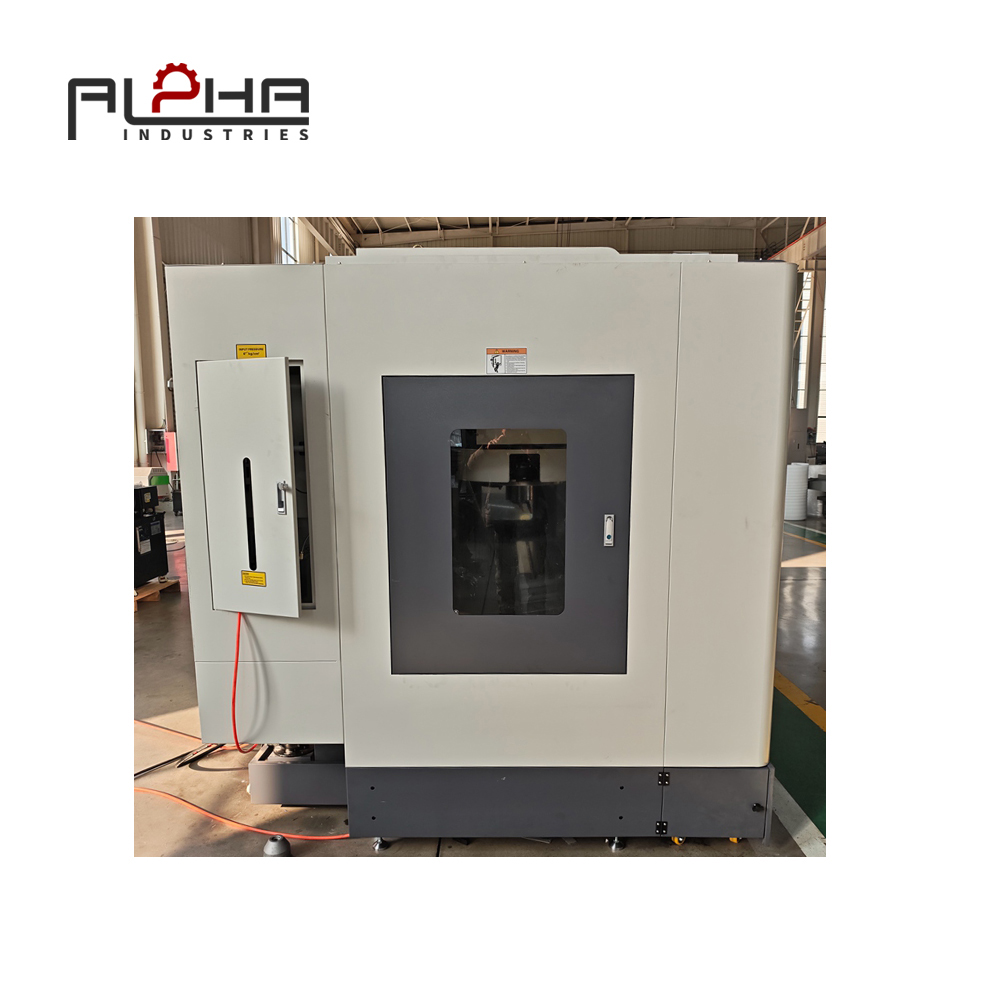
For a modern metalworking factory, a Vertical Machining Center (VMC) is more than a machine for milling, drilling, and tapping. It is an important part of the production system.
A VMC may be responsible for manufacturing precision components, machining equipment housings, producing mechanical parts, and completing multiple operations on a single workpiece. When the machine stops unexpectedly, the impact can quickly spread to other departments.
Production orders may be delayed. Operators may have to wait for repairs. Workpieces may remain unfinished. Other machines may become overloaded as production managers attempt to reorganize the schedule.
For Russian manufacturers, equipment maintenance and spare parts planning deserve particular attention. The Center for Development of Basic Industries, a Russian industrial development organization, reported in September 2026 that some Russian manufacturers face longer repair periods and difficulties obtaining certain machine components. Its discussion of predictive maintenance highlights the growing importance of identifying equipment problems before they cause production stoppages.
This does not mean that every VMC will experience parts shortages or service delays. However, it demonstrates why manufacturers should not depend entirely on emergency repairs.
A more reliable approach is to manage the machine throughout its operating life.
For companies using a VMC, this means understanding which components are most critical, creating a maintenance schedule, keeping suitable spare parts available, and establishing a clear procedure for responding to abnormal machine conditions.
The goal is straightforward: reduce the likelihood that a small maintenance problem becomes a major production interruption.
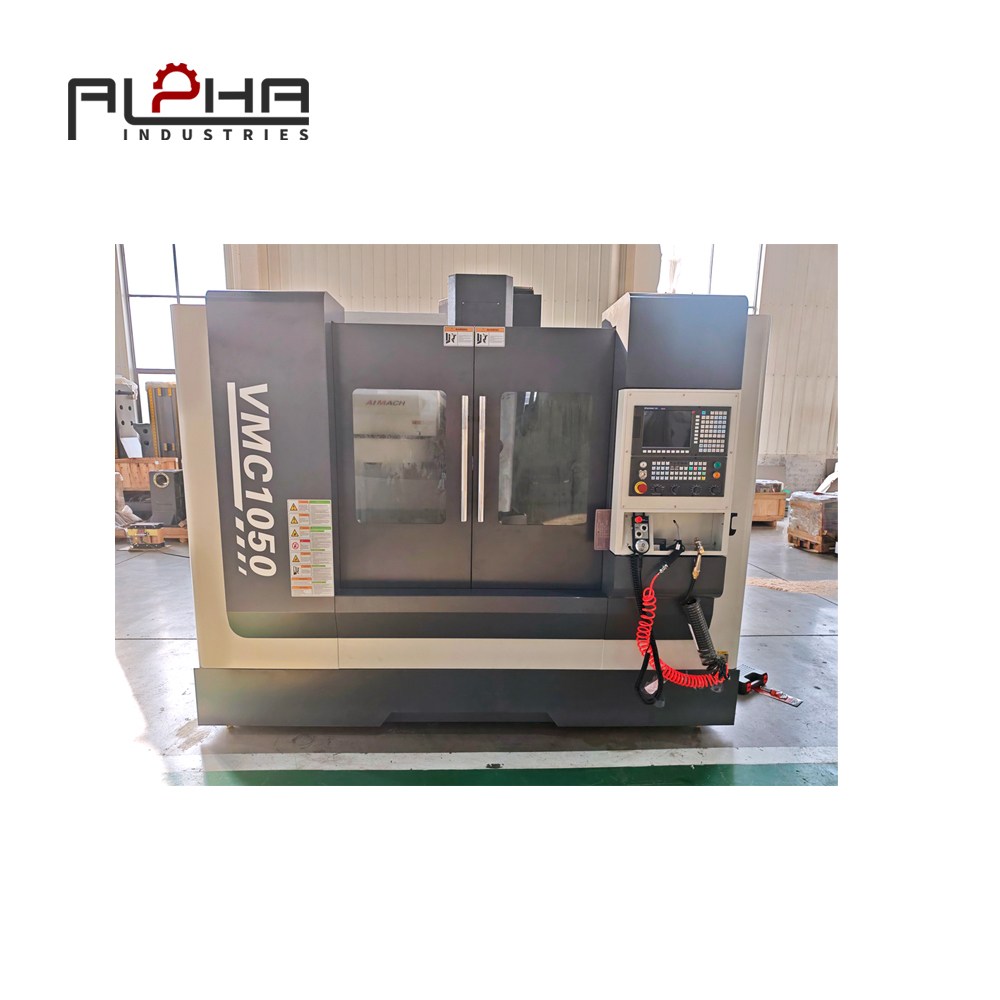
Why Unexpected VMC Stoppages Can Become Expensive
A machine failure rarely creates only one type of cost.
The direct repair expense may be relatively easy to identify, but the indirect production losses can be more difficult to calculate.
Production Schedule Disruption
A VMC may be assigned to a specific production process or a group of components that require particular machining capabilities.
If the machine stops, unfinished work may not be transferred easily to another machine. Differences in table size, spindle configuration, tool availability, workholding, and CNC programs can make production transfer complicated.
Even a short interruption may affect the delivery schedule if the machine is part of a tightly planned workflow.
Additional Labor Costs
When a VMC becomes unavailable, operators, programmers, and maintenance personnel may need to spend additional time investigating the problem.
Production managers may also need to reorganize work assignments or arrange overtime to recover lost output.
These costs should be included when evaluating machine reliability.
Delayed Customer Deliveries
For subcontractors and component manufacturers, delivery commitments are often connected to the schedules of other companies.
A delayed machined component may affect assembly, equipment installation, or the next production stage.
A workshop that frequently experiences unexpected stoppages may find it more difficult to maintain predictable delivery performance.
Higher Emergency Repair Costs
Emergency repairs can involve urgent transportation, expedited spare parts, additional technician visits, and unplanned labor.
If a component is not available locally, the repair period may depend on supplier response and delivery arrangements.
A planned replacement of a worn component is generally easier to schedule than a repair following a major failure.
This is why preventive maintenance should be considered a production management activity, not simply a technical responsibility.
Identify the VMC Components That Need Regular Attention
A vertical machining center contains several interconnected systems. Problems in one system can affect the performance of others.
A practical maintenance plan should identify the most important components and define how their condition will be checked.
Spindle Assembly
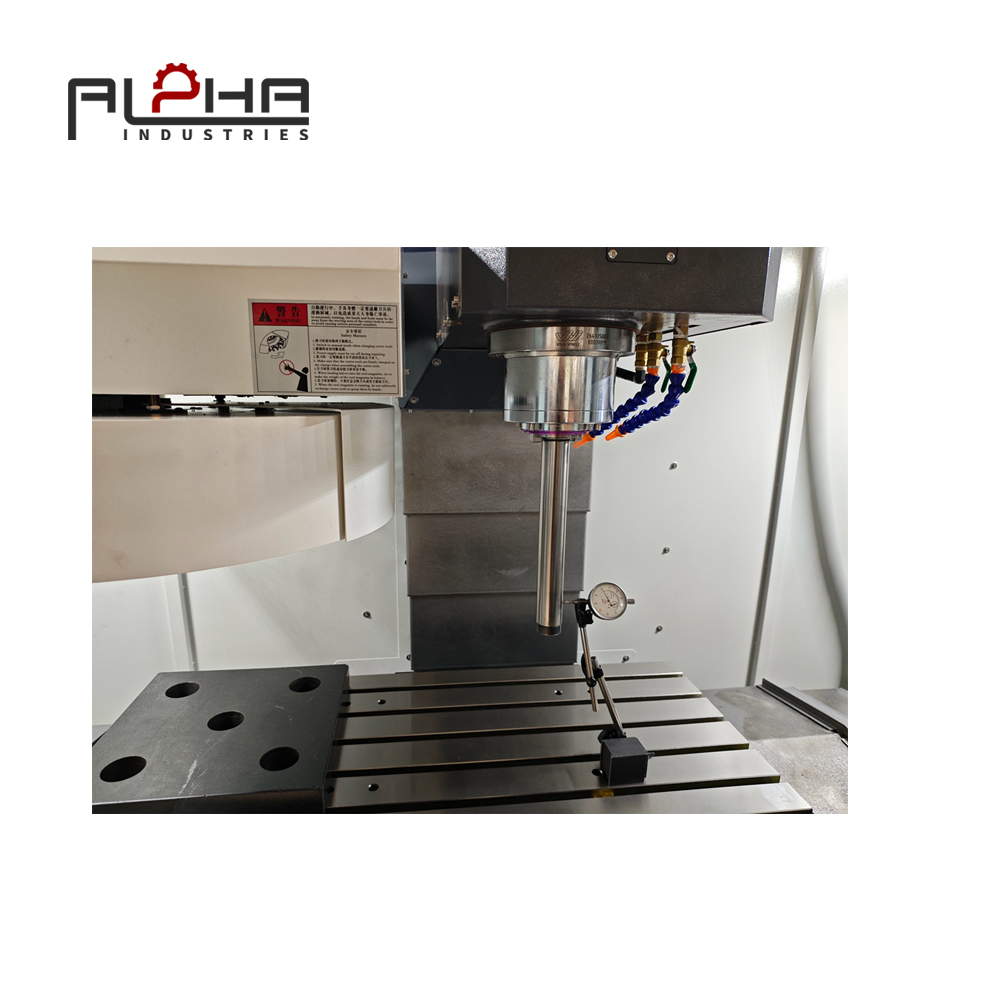
The spindle is one of the most critical parts of a VMC.
It holds and rotates the cutting tool, directly influencing machining accuracy, surface finish, and cutting performance.
Potential warning signs include:
-
Abnormal noise during spindle rotation
-
Increased vibration
-
Unusual temperature changes
-
Poor surface finish
-
Tool runout
-
Inconsistent machining results
A dirty or damaged spindle taper can affect tool seating and machining quality.
Manufacturers should regularly inspect and clean the spindle taper according to the machine builder's instructions. More detailed checks, such as spindle runout and drawbar force measurements, should be performed at the specified intervals by qualified personnel.
Automatic Tool Changer
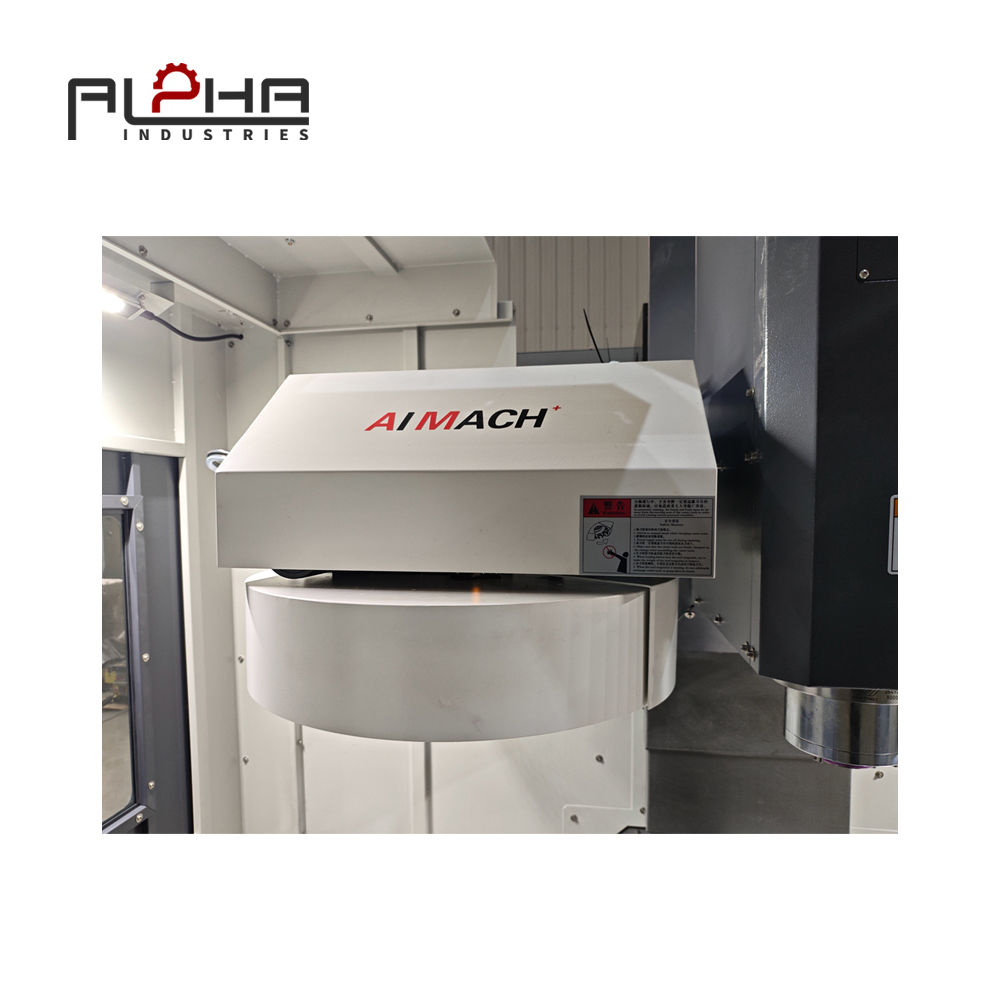
The automatic tool changer (ATC) supports continuous machining by changing tools according to the CNC program.
Its main components may include the tool magazine, tool-changing arm, grippers, sensors, drive mechanisms, and related control elements.
Chips and contamination can interfere with the movement of mechanical components.
Potential warning signs include:
-
Incomplete tool changes
-
Unusual movement during tool exchange
-
Tool magazine positioning errors
-
Repeated tool-changing alarms
-
Abnormal noise from the changer mechanism
Regular cleaning and inspection can help reduce the risk of tool-changing interruptions.
The exact maintenance tasks depend on whether the VMC uses an umbrella-type or arm-type tool changer.
Automatic Lubrication System
The lubrication system supplies oil or grease to designated machine components.
Insufficient lubrication can accelerate wear in guideways, ball screws, and other moving elements.
Maintenance personnel should check:
-
Lubrication reservoir levels
-
Pump operation
-
Distribution hoses
-
Visible leakage
-
Lubrication alarms
-
The condition of designated lubrication points
A lubrication alarm should never be ignored simply because the machine continues to move.
If lubrication delivery is interrupted, continued operation may increase component wear.
Ball Screws and Linear Guideways
Ball screws and linear guideways are essential to the movement of the machine axes.
They influence positioning, repeatability, and the smoothness of machine travel.
Potential warning signs include:
-
Unusual noise during axis movement
-
Irregular movement
-
Increased vibration
-
Positioning errors
-
Visible contamination
-
Abnormal wear
Inspection and lubrication should follow the manufacturer's recommended procedure.
Adjustment or replacement of these components should be handled by qualified technicians.
Coolant and Chip Removal Systems
Coolant helps manage cutting temperature and remove chips from the machining area.
The chip conveyor and filtration system support continuous operation by moving metal chips away from the work zone.
If chips accumulate or filters become blocked, coolant circulation and chip removal may become less effective.
Routine inspection should cover:
-
Coolant level
-
Coolant concentration, where applicable
-
Filter condition
-
Pump operation
-
Hose condition
-
Chip conveyor movement
-
Tank contamination
These relatively simple checks can help prevent avoidable interruptions.
Electrical Cabinet and CNC Control System
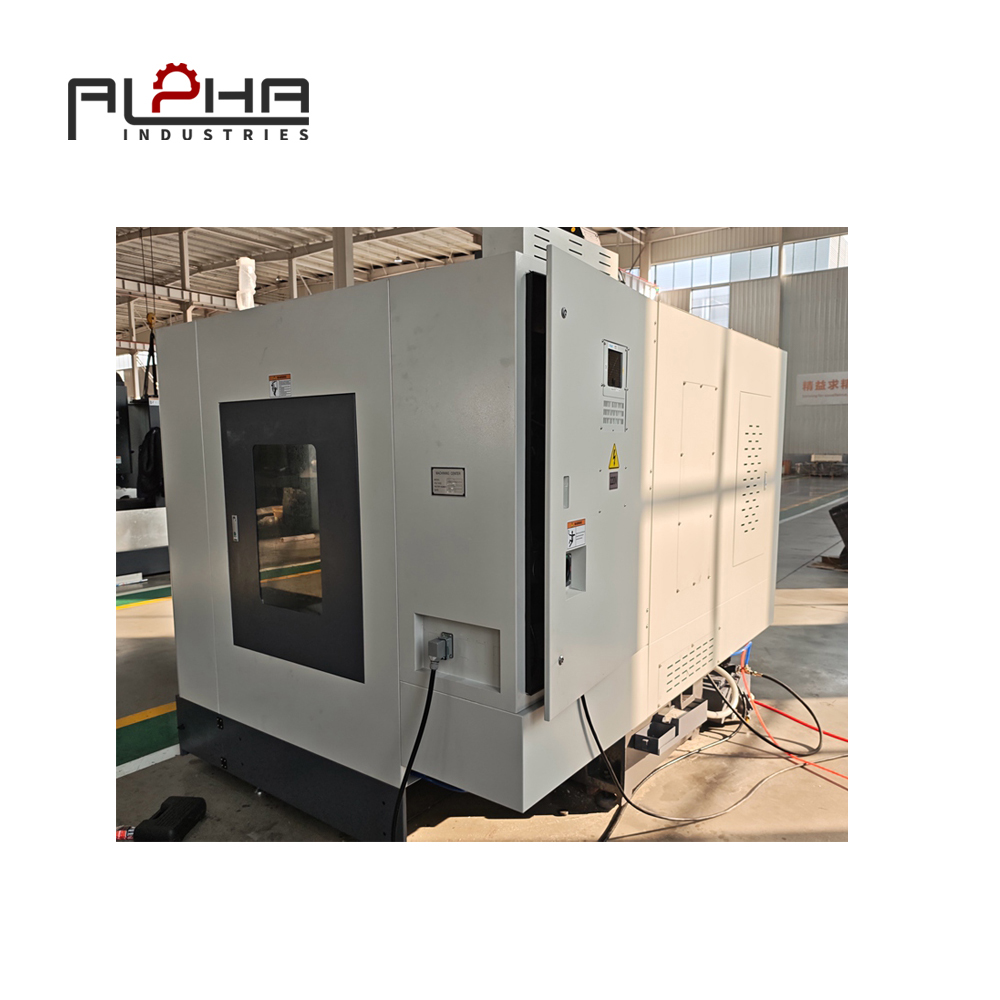
The electrical cabinet contains important components responsible for machine control and operation.
Maintenance personnel should pay attention to cabinet ventilation, cooling fans, filters, visible wiring condition, and abnormal alarms.
Electrical troubleshooting, component replacement, and control-system adjustments should be performed by qualified personnel following appropriate safety procedures.
Build a Preventive Maintenance Schedule Instead of Waiting for Failure
One of the most effective ways to manage VMC downtime is to replace irregular maintenance with a documented maintenance schedule.
The purpose is not to inspect every component constantly. It is to perform the right checks at appropriate intervals.
A maintenance schedule should be based on the machine manufacturer's manual, operating hours, cutting conditions, production intensity, and actual machine condition.
Daily and Per-Shift Checks
Daily checks should focus on conditions that can change quickly during production.
Typical tasks may include:
-
Check the lubrication reservoir.
-
Check coolant level and visible condition.
-
Remove chips from the work area and machine enclosure.
-
Inspect the tool changer area for accumulated chips.
-
Check for visible oil or coolant leakage.
-
Listen for unusual noise during operation.
-
Review active alarms and abnormal machine messages.
-
Confirm that safety devices and doors operate correctly.
These checks are relatively straightforward and can often be incorporated into the operator's shift routine.
Weekly Checks
Weekly inspections can focus on areas that accumulate contamination or experience repeated mechanical movement.
Examples include:
-
Clean the automatic tool changer area.
-
Inspect accessible guideway covers.
-
Check coolant filters and chip collection areas.
-
Inspect visible lubrication hoses.
-
Check the condition of tool holders and pull studs.
-
Review repeated tool-changing or axis alarms.
Monthly Checks
Monthly maintenance may include more detailed inspections, depending on the machine design.
Examples include:
-
Inspect the spindle taper.
-
Check lubrication system operation.
-
Review tool changer mechanical condition.
-
Inspect coolant hoses and filtration components.
-
Check electrical cabinet filters and ventilation.
-
Review machine accuracy trends.
-
Examine recurring alarms and maintenance records.
Periodic Professional Inspection
Some tasks require trained service personnel and appropriate measuring equipment.
These may include:
-
Spindle runout measurement
-
Drawbar force testing
-
Axis positioning and repeatability checks
-
Backlash evaluation
-
Ball screw condition assessment
-
Machine geometry inspection
-
Servo drive diagnostics
-
Electrical system testing
The maintenance interval should be determined by the machine manufacturer's recommendations and actual operating conditions.
A VMC running multiple shifts or machining abrasive materials may require more frequent inspections than a machine used occasionally.
Spare Parts Planning: Prepare for Critical Components Before They Fail
Preventive maintenance reduces risk, but it cannot eliminate every unexpected failure.
For Russian manufacturers, a spare parts strategy is an important part of equipment management.
The objective is not to purchase every possible replacement component. It is to identify the parts that could cause significant downtime if they are unavailable.
Classify Spare Parts by Importance
A practical spare parts system can divide components into three categories.
Category A: Production-Critical Components
These are parts whose failure may stop the machine or prevent essential operations.
Depending on the VMC configuration, examples may include:
-
Selected sensors
-
Fuses and relays
-
Lubrication system components
-
Coolant pump components
-
Common pneumatic fittings
-
Selected electrical components
The exact list should be based on the machine's design and service history.
Category B: Important Wear Components
These components may not stop production immediately, but their condition can influence machine reliability.
Examples include:
-
Tool changer wear components
-
Seals and hoses
-
Filters
-
Belts, where fitted
-
Selected bearings
-
Protective covers and wipers
Category C: Major Assemblies
These are expensive or specialized components that usually require more careful planning.
Examples include:
-
Spindle assemblies
-
Servo motors
-
Servo drives
-
CNC control components
-
Major axis transmission components
-
Automatic tool changer assemblies
It may not be economical to keep every major assembly in stock.
However, manufacturers should know how to identify these parts, where they can be sourced, and what information is required to order replacements.
Create a Critical Spare Parts List
A useful spare parts list should include:
|
Information |
Purpose |
|---|---|
|
Component name |
Identifies the part |
|
Machine model |
Confirms equipment compatibility |
|
Part number |
Reduces ordering errors |
|
Manufacturer or brand |
Helps verify the original specification |
|
Quantity available |
Shows current stock |
|
Minimum stock level |
Defines when replenishment is needed |
|
Supplier information |
Supports faster communication |
|
Estimated lead time |
Helps evaluate supply risk |
|
Storage requirements |
Protects component condition |
For electronic components, compatibility should be confirmed carefully.
A similar-looking sensor, drive, or circuit board may not have the same electrical specifications or communication functions.
Substituting components without technical verification can create additional problems.
Avoid Unnecessary Spare Parts Inventory
Keeping too many spare parts can tie up working capital.
Some components may become obsolete or reach the end of their storage life before they are needed.
The right approach is to balance inventory cost against the potential production loss caused by a missing component.
A simple risk assessment can consider:
-
How frequently the component fails
-
Whether its failure stops the machine
-
How quickly it can be sourced
-
Whether a suitable alternative exists
-
The cost of keeping it in stock
-
The production impact of waiting for replacement
This allows the company to prioritize the components that deserve immediate attention.
Use Early Warning Signs to Prevent Major VMC Failures
Many machine failures develop gradually.
Abnormal noise, vibration, temperature changes, or repeated alarms may indicate that a component is no longer operating normally.
Detecting these changes early can provide an opportunity to schedule inspection before a major breakdown occurs.
Monitor Spindle Noise and Vibration
Changes in spindle noise or vibration can indicate problems involving bearings, tool holders, cutting conditions, or other mechanical components.
However, not every vibration problem originates in the spindle.
Tool imbalance, improper workholding, worn cutting tools, and unsuitable machining parameters can also affect vibration.
A systematic diagnosis should therefore consider the entire machining setup.
For high-value or heavily used VMCs, vibration monitoring may provide additional information about spindle and bearing condition.
Review Machine Alarms
Repeated alarms should be recorded rather than cleared without investigation.
A useful alarm record should include:
-
Alarm code and description
-
Date and time
-
Operating conditions
-
Axis or subsystem involved
-
Recent maintenance activity
-
Corrective action
-
Whether the alarm occurred again
Repeated alarms may reveal an underlying problem even when the machine can continue operating.
Track Spindle and Axis Operating Conditions
Where the CNC system provides suitable diagnostic information, maintenance personnel can review operating data and identify abnormal changes.
Depending on the machine and monitoring configuration, useful information may include:
-
Spindle load
-
Spindle temperature
-
Servo load
-
Axis operating conditions
-
Alarm frequency
-
Machine operating hours
Data should be interpreted against the machine's normal operating range.
A single unusual reading does not automatically prove that a component is failing.
Establish Baseline Measurements
Baseline measurements make it easier to recognize changes.
For example, a workshop may record normal spindle vibration under a defined operating condition.
Later measurements can be compared with the original values.
The same principle can be applied to selected temperature, load, and accuracy measurements.
This approach turns maintenance from a purely reactive activity into a more systematic process.
Improve Maintenance Management with a Simple Machine History Record
A maintenance record helps the company understand how the VMC behaves over time.
Without documentation, important information may remain in the memory of individual operators or technicians.
This creates problems when staff members change or when the machine develops a recurring fault.
What Should a VMC Maintenance Record Include?
A machine history record can contain the following information.
Machine Information
-
Machine model and serial number
-
CNC control system
-
Spindle configuration
-
Tool magazine type
-
Installation date
-
Supplier and technical contact
Operating Information
-
Operating hours
-
Production shifts
-
Main workpiece materials
-
Typical cutting conditions
-
Major production applications
Maintenance Information
-
Inspection date
-
Maintenance task
-
Component condition
-
Parts replaced
-
Technician responsible
-
Next inspection date
Fault Information
-
Alarm code
-
Fault description
-
Production impact
-
Root cause, if confirmed
-
Corrective action
-
Follow-up result
This information can help the maintenance team identify repeated problems and make better decisions about spare parts.
Calculate Downtime More Accurately
A useful performance indicator is the total unplanned downtime over a defined period.
For example:
Unplanned Downtime = Total Time Lost Due to Unexpected Machine Stoppages
The workshop can also calculate:
Downtime Rate (%) = Unplanned Downtime Hours ÷ Planned Production Hours × 100
This indicator helps compare machine reliability across different months or production periods.
Another useful metric is Mean Time Between Failures (MTBF), which estimates the average operating time between failures.
These indicators are more useful when the company applies consistent definitions and records downtime accurately.
Why Serviceability Should Be Considered Before Purchasing a New VMC
Maintenance planning should begin before a machine is purchased.
A VMC may have excellent machining specifications, but if its maintenance requirements are difficult to manage, the total cost of ownership may be higher than expected.
Russian manufacturers should therefore evaluate serviceability alongside machine performance.
Check the Availability of Technical Documentation
Before purchasing, buyers should confirm that the machine comes with clear technical documentation.
Important documents may include:
-
Operation manual
-
Maintenance manual
-
Electrical diagrams
-
Hydraulic and pneumatic diagrams, where applicable
-
Lubrication specifications
-
Spare parts list
-
CNC alarm information
-
Installation requirements
Clear documentation makes it easier for maintenance personnel to understand the machine and communicate with the supplier.
Confirm Spare Parts Identification
A supplier should be able to provide the correct identification information for key components.
This may include part numbers, component descriptions, brand information, and technical specifications.
Accurate identification helps reduce the risk of ordering an incompatible replacement.
Understand the Maintenance Requirements of Different Configurations
Different VMC configurations have different maintenance needs.
For example, a machine with an advanced tool changer may require additional inspection of its mechanical and sensing components.
A spindle with a specific cooling or lubrication arrangement may require a different maintenance procedure from another spindle configuration.
Buyers should understand these requirements before finalizing the machine specification.
Evaluate Technical Support Arrangements
Before purchasing, clarify:
-
What technical support is available?
-
How are service questions handled?
-
Can the supplier assist with remote troubleshooting?
-
What information should be provided when reporting a fault?
-
Are spare parts lists available?
-
What operator and maintenance training is included?
-
Which maintenance tasks require qualified technicians?
These questions help establish realistic expectations for long-term equipment management.
How to Reduce the Risk of Production Stoppages During the First Year
The first year of machine operation is an important period for establishing maintenance habits.
A structured plan can help operators understand the machine and give the maintenance team useful information about its operating condition.
During Installation and Commissioning
Before production begins:
-
Confirm that the machine is installed according to the manufacturer's requirements.
-
Verify the electrical supply and grounding arrangements.
-
Check lubrication and coolant systems.
-
Confirm the operation of the tool changer.
-
Test the machine's basic movements.
-
Review emergency stop and safety functions.
-
Record initial machine condition and key parameters.
-
Train operators in normal startup and shutdown procedures.
During the First Three Months
The workshop should focus on building a reliable operating routine.
Operators should learn how to identify abnormal noise, vibration, lubrication alarms, and tool-changing problems.
Maintenance personnel should review the machine's initial operating history and confirm that routine checks are being completed.
Any recurring issue should be communicated to the supplier with clear descriptions and relevant alarm information.
During Regular Production
Once the machine is integrated into normal production, the company should maintain its inspection schedule and update the spare parts list.
Production managers should also review whether the machine's actual workload matches the original purchasing assumptions.
If the VMC is running more shifts or machining more demanding materials than expected, the maintenance plan may need adjustment.
Before the Warranty Period Ends
The company should review the maintenance record and identify any unresolved problems.
It is useful to confirm:
-
Whether all scheduled maintenance has been completed
-
Whether repeated alarms remain unresolved
-
Whether the spindle and axes require inspection
-
Whether any replacement components are needed
-
Whether technical questions remain open
A documented review makes it easier to communicate with the supplier and plan future maintenance.
A Practical VMC Maintenance and Spare Parts Checklist for Russian Manufacturers
The following checklist can be adapted to different VMC models and production environments.
|
Maintenance Area |
Recommended Management Action |
Main Objective |
|---|---|---|
|
Spindle |
Inspect taper and monitor abnormal noise or vibration |
Protect spindle condition |
|
Tool changer |
Clean chips and inspect mechanical movement |
Reduce tool-changing interruptions |
|
Lubrication |
Check reservoir, pump, and distribution lines |
Prevent inadequate lubrication |
|
Ball screws |
Inspect movement and follow lubrication instructions |
Support stable axis movement |
|
Guideways |
Check covers, cleanliness, and lubrication |
Reduce contamination and wear |
|
Coolant |
Check level, filtration, and circulation |
Maintain effective coolant delivery |
|
Chip conveyor |
Remove accumulated chips and inspect operation |
Avoid chip-removal problems |
|
Electrical cabinet |
Inspect ventilation and visible condition |
Support reliable electrical operation |
|
Spare parts |
Maintain a critical component list |
Reduce replacement delays |
|
Maintenance records |
Record inspections, alarms, and repairs |
Identify recurring problems |
The table provides a general management framework, not a replacement for the machine-specific service manual. Inspection intervals and technical procedures should always follow the VMC manufacturer's instructions.
Questions Buyers Frequently Ask About VMC Maintenance and Spare Parts
How can a Russian machine shop reduce unexpected VMC downtime?
Start with a preventive maintenance schedule, record recurring alarms, inspect critical components, and maintain a prioritized spare parts list. Operators should report abnormal machine behavior early instead of waiting for a complete failure.
Which VMC components should be checked most frequently?
The spindle, automatic tool changer, lubrication system, coolant system, chip conveyor, and visible electrical cabinet ventilation are important areas for routine inspection. The exact schedule depends on the machine model and operating conditions.
Which spare parts should a VMC owner keep in stock?
There is no universal spare parts list for every VMC. The most suitable inventory depends on the machine configuration, component lead times, service history, and production impact of each potential failure. Common critical components and consumables should be prioritized based on risk.
How often should a VMC be serviced?
Maintenance intervals depend on the machine manufacturer's recommendations, operating hours, cutting materials, production intensity, and environmental conditions. Daily, weekly, monthly, and periodic professional inspections may form part of a maintenance program.
Can CNC alarms help prevent machine failure?
Yes. Alarm records can help identify repeated abnormal conditions and guide troubleshooting. However, an alarm code should be investigated according to the machine manual rather than simply reset without identifying the cause.
What should buyers request from a VMC supplier?
Buyers should request the operation and maintenance manuals, electrical diagrams, spare parts list, lubrication information, CNC alarm documentation, installation requirements, and details about technical support and training.
Is preventive maintenance more economical than emergency repair?
Preventive maintenance can help identify wear and developing faults before they cause major breakdowns. Its financial value depends on the machine, maintenance costs, production schedule, and potential cost of downtime. It should be evaluated as part of the company's total equipment management strategy.
Build a More Reliable VMC Production Plan with ALPHA
For Russian manufacturers, purchasing a VMC is only the beginning of the equipment investment.
Long-term production performance also depends on maintenance planning, spare parts identification, operator training, and the ability to respond effectively when abnormal machine conditions appear.
A suitable vertical machining center should meet the workshop's machining requirements while offering a configuration that the company can operate and maintain effectively.
Before choosing a VMC, manufacturers should evaluate the spindle, CNC control system, automatic tool changer, lubrication arrangement, coolant system, machine structure, and available technical documentation.
It is equally important to clarify what maintenance information, spare parts support, and technical assistance can be provided.
ALPHA provides metalworking machinery solutions for industrial manufacturing applications. When discussing a VMC for your factory, sharing the intended workpiece materials, machining operations, production volume, and preferred machine configuration can help identify an appropriate solution.
Contact ALPHA
Looking for a VMC for your Russian manufacturing facility? Contact ALPHA to discuss your machining requirements, machine configuration, and technical questions.
Contact Us: https://alpha-cnc.com/contact-us