

Production Bottlenecks: The Biggest Obstacle to Manufacturing Growth
Across the Americas, manufacturers are investing heavily in automation, robotics, ERP systems, and digital manufacturing. Yet many factories still struggle to reach planned production capacity.
The reason is simple: one inefficient machining process can slow the entire production system.
For manufacturers producing automotive components, aerospace parts, agricultural equipment, industrial pumps, energy equipment, and precision mechanical parts, machining is often one of the longest production stages.
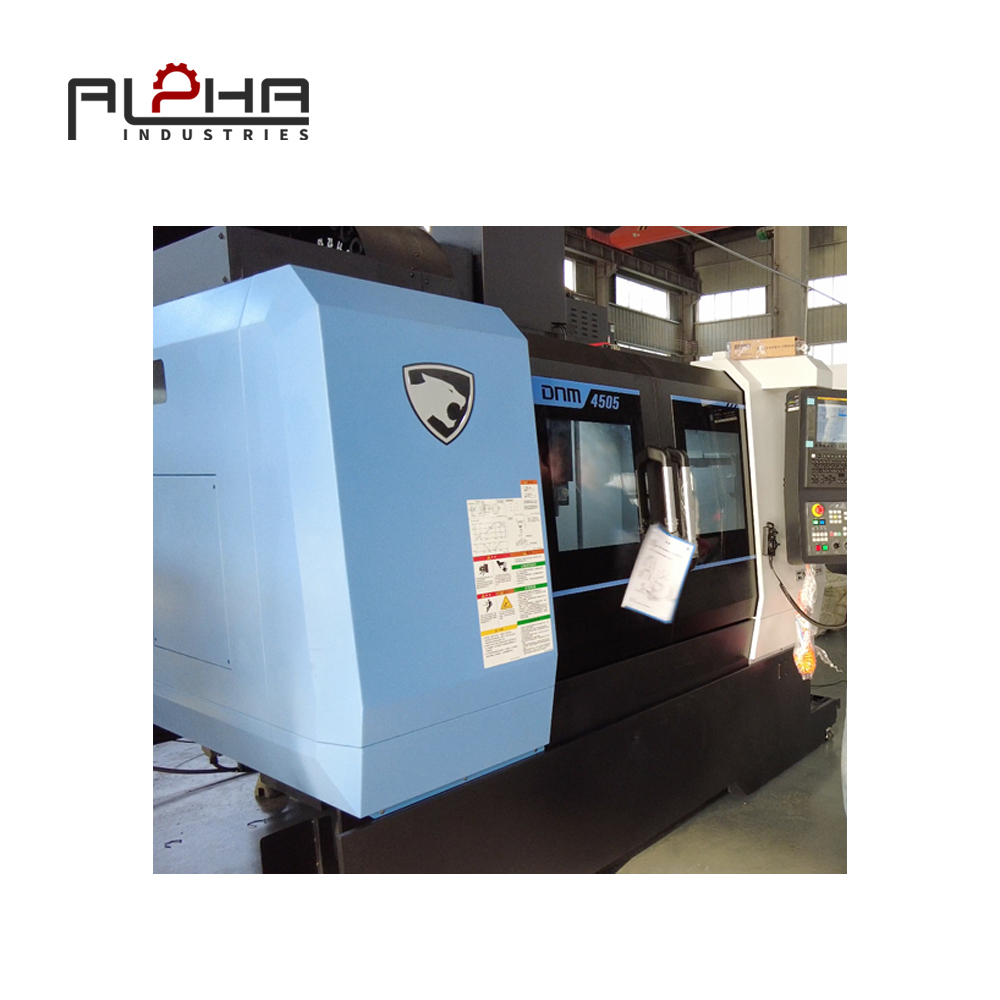
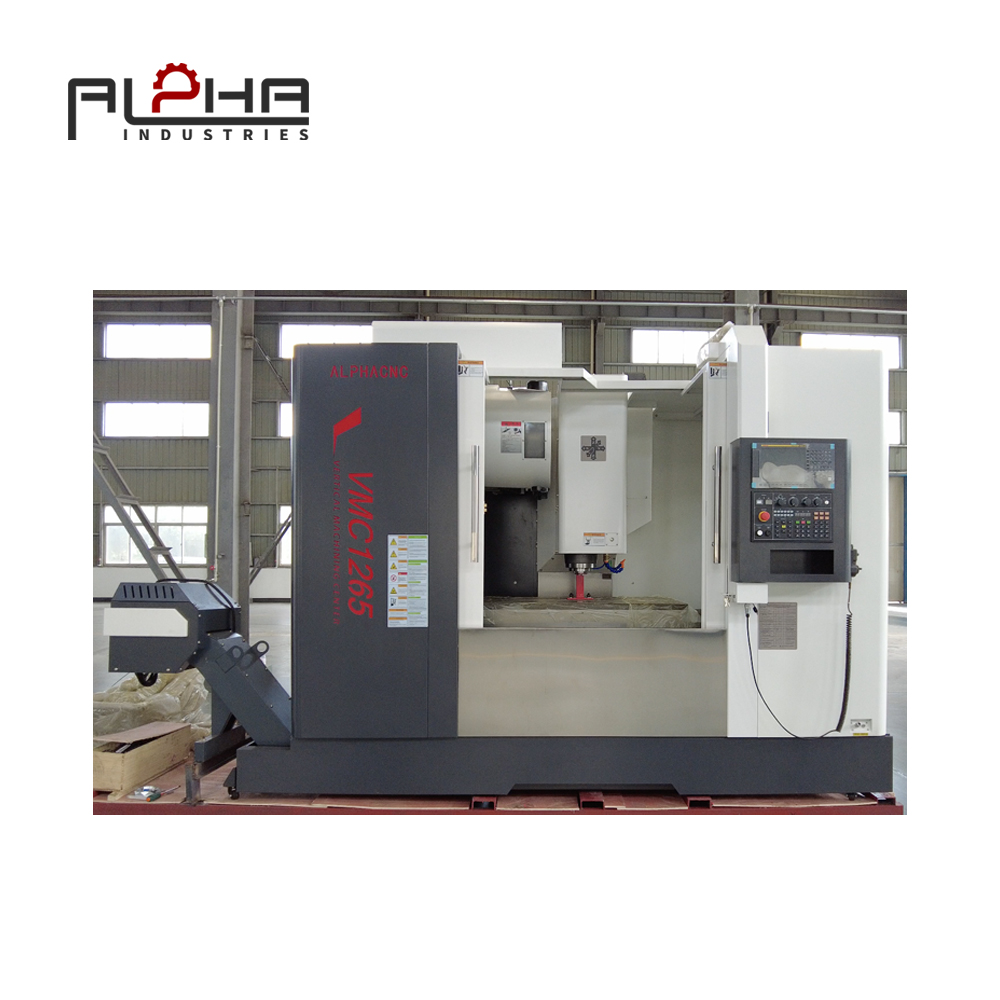
When a Vertical Machining Center (VMC) cannot maintain stable output, downstream processes such as inspection, assembly, painting, and shipping must wait.
The result is a factory-wide productivity problem.
Why Production Capacity Does Not Match Machine Capacity
Adding more machining centers does not automatically increase output. Actual capacity depends on the efficiency of every production step.
Common causes of low machine utilization include:
- Long setup times
- Frequent tool changes
- Programming delays
- Manual workpiece positioning
- Machine warm-up
- Unexpected alarms
- Maintenance interruptions
- Quality rework
- Operator availability
When these delays accumulate across multiple shifts, equipment utilization can fall significantly, limiting factory profitability.
Four Common Bottlenecks Caused by Outdated VMCs
1. Long Non-Cutting Time
Older machining centers may spend too much time preparing to cut.
Common causes include:
- Slow rapid traverse speeds
- Manual fixture adjustments
- Long tool-change cycles
- Slow spindle acceleration
- Complex setup procedures
Even small delays can create substantial production losses over hundreds of parts.
2. Frequent Process Interruptions
Unexpected alarms can disrupt production schedules.
Typical causes include:
- Servo overload
- Tool wear
- Cooling system problems
- Lubrication issues
- Electrical instability
- Programming errors
Each interruption affects both the current workpiece and the wider production schedule.
3. Inconsistent Machining Performance
Cycle times may vary between operators or production shifts, causing:
- Unpredictable delivery schedules
- Difficult capacity planning
- Increased overtime
- More rework
- Customer dissatisfaction
Stable production requires stable machining performance.
4. Limited Automation Compatibility
Older VMCs may have difficulty integrating with:
- Robotic loading systems
- Automatic pallet changers
- Tool management systems
- MES platforms
- Factory monitoring systems
Without automation connectivity, production scalability becomes more difficult.
How Modern VMCs Remove Production Bottlenecks
Modern Vertical Machining Centers focus on improving the complete machining process, not just increasing spindle speed.
Faster Tool Changes
Automatic Tool Changers (ATC) help reduce idle time and improve:
- Spindle utilization
- Cycle times
- Production throughput
High-Speed Motion Systems
Modern servo systems provide:
- Faster rapid traverse
- Smooth acceleration
- Accurate positioning
- Improved contour machining
Less waiting means more machining.
Intelligent CNC Controls
Advanced CNC systems support:
- Program storage
- Graphic simulation
- Tool-life monitoring
- Automatic diagnostics
- Remote production monitoring
- Network communication
Operators can spend less time troubleshooting and more time producing.
Automation Integration
Modern VMCs can integrate with:
- Robotic loading
- Automatic pallet exchange
- Workpiece probing
- Tool presetting
- Central production scheduling
Automation helps maintain production even during shift changes and unmanned periods.
Why Throughput Matters More Than Maximum Machine Speed
Many buyers focus on spindle speed and feed rate. However, manufacturers ultimately need finished parts—not spindle revolutions.
A machining center that consistently meets production schedules with minimal downtime can generate more annual output than a faster machine with frequent interruptions.
Higher throughput helps manufacturers:
- Accept more orders
- Improve delivery performance
- Reduce overtime
- Lower production costs
- Increase customer satisfaction
- Expand capacity without adding factory space
Why Alpha VMCs Help Increase Throughput
At Alpha, our Vertical Machining Centers are designed to maximize productive machining time and reduce production bottlenecks.
Key advantages include:
- High-rigidity machine construction
- Stable high-speed spindle performance
- Fast and reliable automatic tool changers
- High positioning accuracy and repeatability
- Automation-ready architecture
- CNC compatibility with production monitoring
- Reliable multi-shift operation
- Professional engineering and application support
Whether you produce automotive components, molds, energy equipment, industrial machinery, agricultural parts, or precision metal products, Alpha VMC solutions can help improve throughput and reduce operating costs.
Conclusion
The most productive factories will not necessarily have the largest number of CNC machines. They will have the most efficient production systems.
A modern VMC can help manufacturers:
- Shorten production cycles
- Improve machine utilization
- Reduce downtime
- Support automation
- Increase production capacity
- Lower operating costs
Investing in the right VMC is an investment in higher throughput and long-term manufacturing growth.
Frequently Asked Questions
What causes production bottlenecks in CNC machining?
Long setup times, downtime, inefficient tool changes, manual operations, and outdated CNC equipment are common causes.
How does a modern VMC improve throughput?
It reduces non-cutting time through faster tool changes, high-speed positioning, intelligent CNC controls, automation, and improved reliability.
Why is machine utilization important?
Higher utilization means more finished parts are produced over time, directly improving production capacity and profitability.
Which industries benefit from high-throughput VMCs?
Automotive, aerospace, energy, mold manufacturing, agricultural machinery, medical devices, and precision engineering can all benefit.
Can modern VMCs integrate with Industry 4.0 systems?
Yes. Modern VMCs can support MES connectivity, robotic automation, pallet systems, production monitoring, and digital manufacturing platforms.
Contact Us
Increase Manufacturing Throughput with Alpha VMCs
If production bottlenecks are limiting your factory's growth, Alpha can provide reliable, high-performance Vertical Machining Centers tailored to your production requirements.
Our engineering team can help you select the right VMC solution to improve throughput, reduce downtime, and prepare your factory for future automation.
Contact us: https://alpha-cnc.com/contact-us