

Reduce Scrap Rates in High-Mix Manufacturing with Advanced VMC Solutions for the Americas
Manufacturing companies throughout North America and Latin America face increasing pressure to improve quality while controlling production costs. Whether producing automotive components, agricultural equipment, industrial machinery, or precision molds, one challenge continues to affect profitability:
Excessive production scrap.
Scrap is far more than wasted material. Every defective part consumes machine time, cutting tools, electricity, labor, inspection resources, and production capacity. As material costs rise and customers demand tighter tolerances, reducing scrap has become a strategic manufacturing priority.
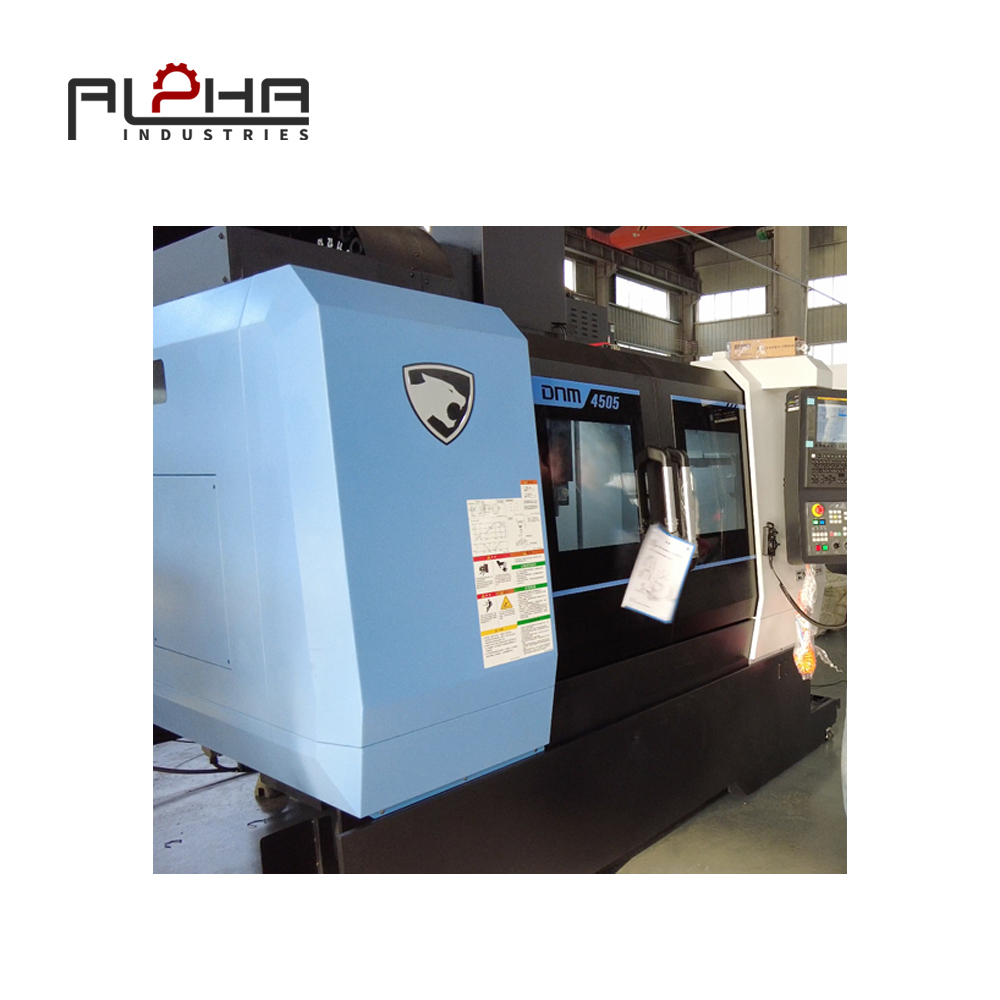
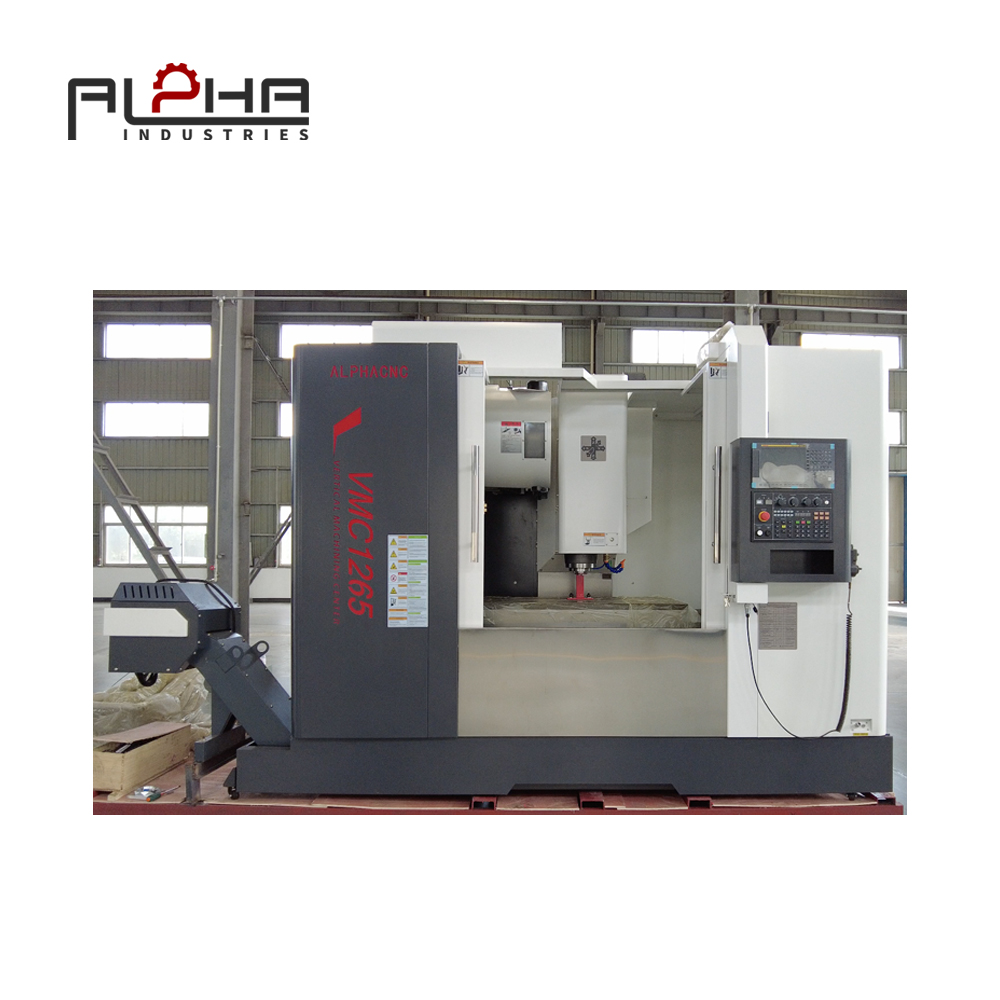
For high-mix, medium-volume production, selecting the right Vertical Machining Center (VMC) can help reduce scrap and achieve more stable, repeatable machining quality.
Why Scrap Rates Continue to Increase
Many machine shops assume scrap is primarily caused by operator mistakes. In reality, recurring defects often result from unstable machining systems.
Common causes include:
- Machine vibration during heavy cutting
- Thermal deformation during continuous production
- Poor spindle rigidity
- Inaccurate positioning
- Tool wear caused by unstable cutting loads
- Inconsistent repeatability between production batches
- Insufficient rigidity for difficult materials
These problems become especially significant when machining:
- Stainless steel
- Tool steel
- Cast iron
- Aluminum alloys
- Titanium alloys
- High-strength alloy steel
Even minor dimensional variations can accumulate into significant quality and cost problems.
The Real Cost of Scrap
Scrap costs much more than the price of raw materials. Each rejected workpiece may also include:
- CNC machining time
- Tool consumption
- Programming costs
- Operator labor
- Electricity consumption
- Inspection time
- Rework expenses
- Production delays
- Reduced manufacturing capacity
For factories producing large volumes of precision components, even a small reduction in scrap rates can generate substantial savings.
How a Modern VMC Reduces Scrap
A high-performance VMC helps control multiple sources of machining variation.
Superior Machine Rigidity
A rigid machine structure minimizes vibration and chatter during cutting.
Key benefits include:
- Better surface finish
- Improved dimensional consistency
- Longer tool life
- Reduced vibration
- Lower risk of workpiece deformation
For heavy mechanical components and mold manufacturing, machine rigidity directly contributes to lower rejection rates.
High-Precision Spindle Performance
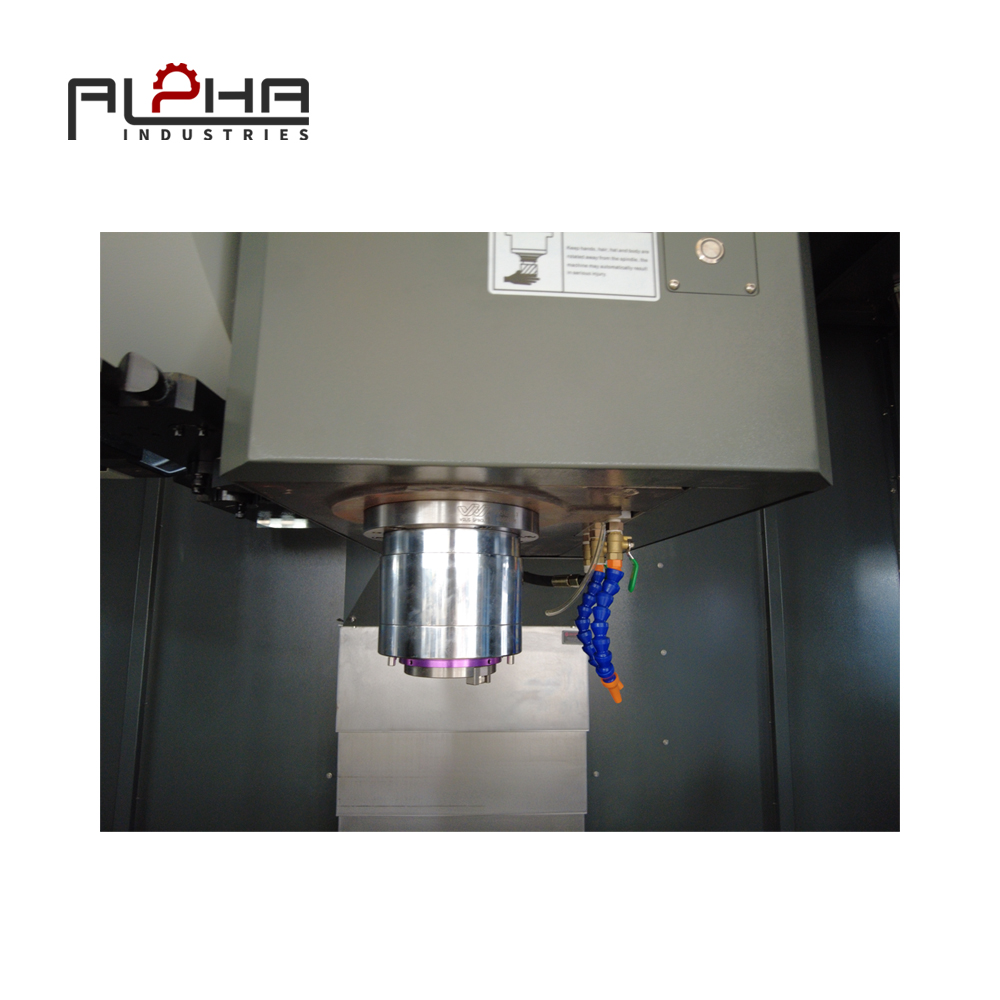
Modern VMCs provide stable spindle performance with:
- High rotational accuracy
- Low vibration
- Stable spindle speed
- Improved thermal performance
This helps maintain consistent machining quality during long production cycles.
Stable Thermal Performance
Continuous machining generates heat that can affect machine geometry and accuracy.
A well-designed VMC helps reduce thermal distortion, providing:
- Consistent accuracy
- Stable repeatability
- Reduced dimensional drift
- Higher first-pass yield
Precise Positioning and CNC Control
Advanced CNC systems support:
- Fast positioning
- Smooth interpolation
- Accurate contour machining
- Excellent repeatability
This is especially important for complex components requiring multiple machining operations.
Reliable Tool Management
Tool wear can gradually reduce machining quality. Modern VMC systems help improve process consistency through:
- Automatic tool changers
- Tool life monitoring
- Stable tool positioning
- Consistent tool repeatability
These features reduce human error and improve long-term production stability.
Industries That Benefit from Low-Scrap VMC Machining
Automotive Manufacturing
Reduced scrap improves component consistency, assembly accuracy, production efficiency, and delivery reliability.
Mold and Die Manufacturing
High-precision VMCs help achieve better surface quality and dimensional stability while reducing finishing and rework.
Agricultural Equipment
Rigid machine structures support heavy cutting and help reduce production waste for large mechanical components.
Energy Equipment
Components such as valve bodies and pump housings require consistent precision and repeatability to reduce costly rework.
Industrial Machinery
Complex parts requiring multiple operations benefit from stable machining quality throughout the production process.
Why Manufacturers Are Investing in Better VMC Technology
Manufacturers increasingly prioritize equipment capable of delivering:
- Higher first-pass yield
- Lower scrap rates
- Better machining consistency
- Reduced downtime
- Faster production cycles
- Lower maintenance costs
- Longer machine service life
- Higher return on investment
Rather than focusing only on machine purchase price, manufacturers are increasingly evaluating the total cost of production over the machine's lifetime.
Reducing scrap can provide one of the fastest returns on investment.
How ALPHA Supports High-Precision Manufacturing
At ALPHA, we understand that reducing scrap requires more than machine accuracy. It requires stable and reliable machining performance.
Our VMC solutions are designed to provide:
- High-rigidity machine structures
- Stable machining accuracy
- Reliable spindle performance
- High-speed CNC control
- Efficient automatic tool changing
- Excellent repeatability
- Long-term production stability
- Lower operating costs
Whether producing molds, automotive components, industrial machinery, or custom metal parts, ALPHA helps manufacturers improve machining consistency and reduce production waste.
Best Practices for Maximizing VMC Performance
To achieve lower scrap rates, manufacturers should combine advanced equipment with optimized production practices:
- Perform regular machine calibration
- Monitor cutting tool life proactively
- Optimize cutting parameters
- Use high-quality workholding systems
- Schedule preventive maintenance
- Train operators on CNC best practices
- Maintain stable workshop conditions
- Analyze production data for recurring quality issues
Together, these practices help maintain consistent product quality and maximize machine utilization.
Conclusion
Reducing scrap is no longer simply a quality objective—it is a major competitive advantage.
A modern Vertical Machining Center can help manufacturers improve machining precision, production stability, first-pass yield, and long-term profitability.
By combining rigid machine construction, precision spindle technology, advanced CNC control, and reliable automation, manufacturers can significantly reduce waste and improve overall production efficiency.
For companies seeking sustainable growth, reducing scrap starts with selecting the right machining solution.
Frequently Asked Questions
What is the biggest cause of machining scrap in CNC production?
Common causes include machine vibration, thermal deformation, worn cutting tools, insufficient rigidity, and inconsistent positioning accuracy.
How does a VMC improve first-pass yield?
A VMC improves first-pass yield through stable machining accuracy, precise positioning, repeatable tool changes, and consistent spindle performance.
Which industries benefit most from low-scrap machining?
Automotive, aerospace, mold manufacturing, energy equipment, agricultural machinery, industrial equipment, and precision engineering can all benefit.
Does reducing scrap reduce production costs?
Yes. Lower scrap reduces material waste, labor costs, machining time, tooling expenses, inspection work, and production delays.
What should manufacturers consider when selecting a VMC?
Important factors include machine rigidity, spindle quality, positioning accuracy, thermal stability, CNC control, tool changer reliability, maintenance requirements, and long-term production consistency.
Contact Us
Looking for a reliable VMC solution to reduce scrap, improve machining precision, and increase manufacturing efficiency?
ALPHA provides advanced Vertical Machining Centers designed for modern manufacturers.
Contact our engineering team today to discuss your machining requirements and receive a customized solution.
Contact Us: ALPHA Contact Us