

Supply Chain Resilience Has Become a Strategic Priority for Manufacturers in the Americas
Over the past several years, manufacturers across the Americas have faced repeated supply chain disruptions. Global logistics delays, geopolitical uncertainties, rising freight costs, and shortages of precision components have exposed the risks of depending too heavily on outsourced manufacturing.
For companies serving industries such as aerospace, automotive, medical devices, renewable energy, heavy equipment, agricultural machinery, and industrial automation, even a short supply chain interruption can delay production schedules, increase operating costs, and weaken customer confidence.
As a result, manufacturers are no longer evaluating CNC equipment solely based on machining performance. Today, many investment decisions are driven by a broader objective: building a more resilient, self-sufficient, and responsive production system.
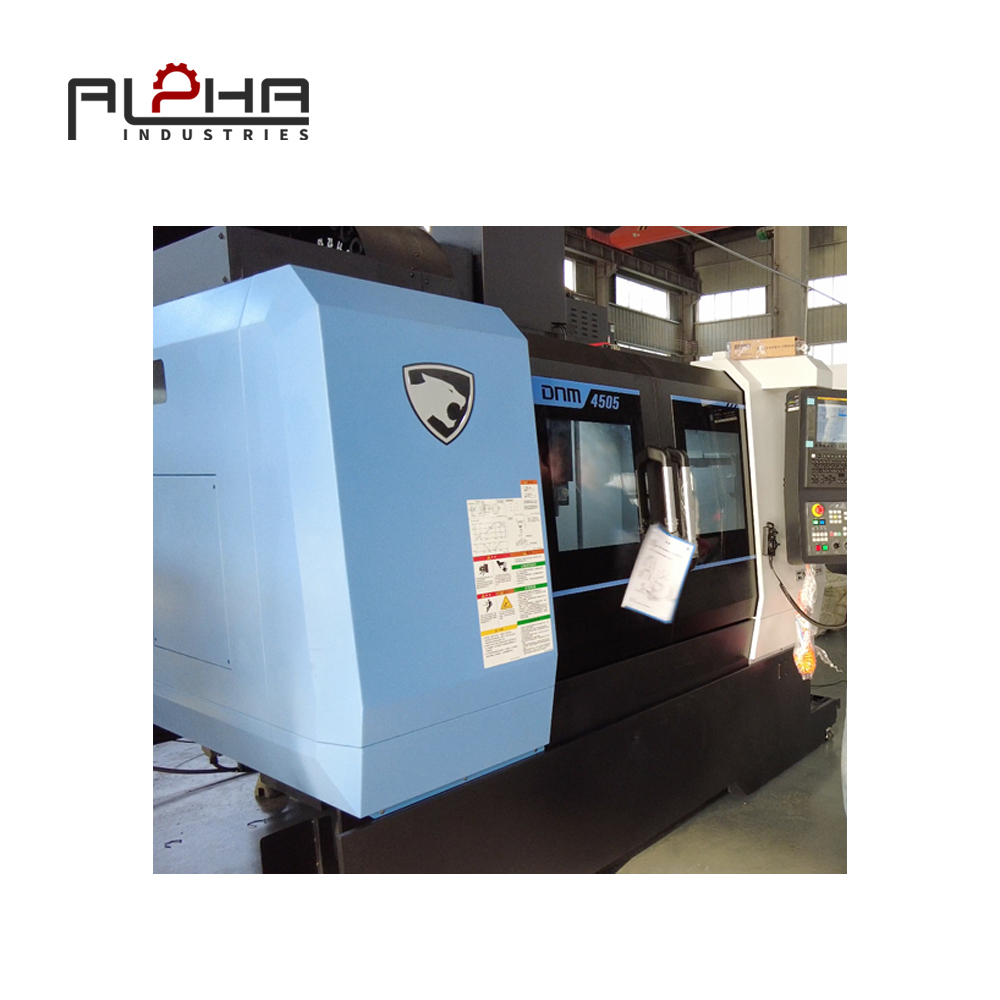
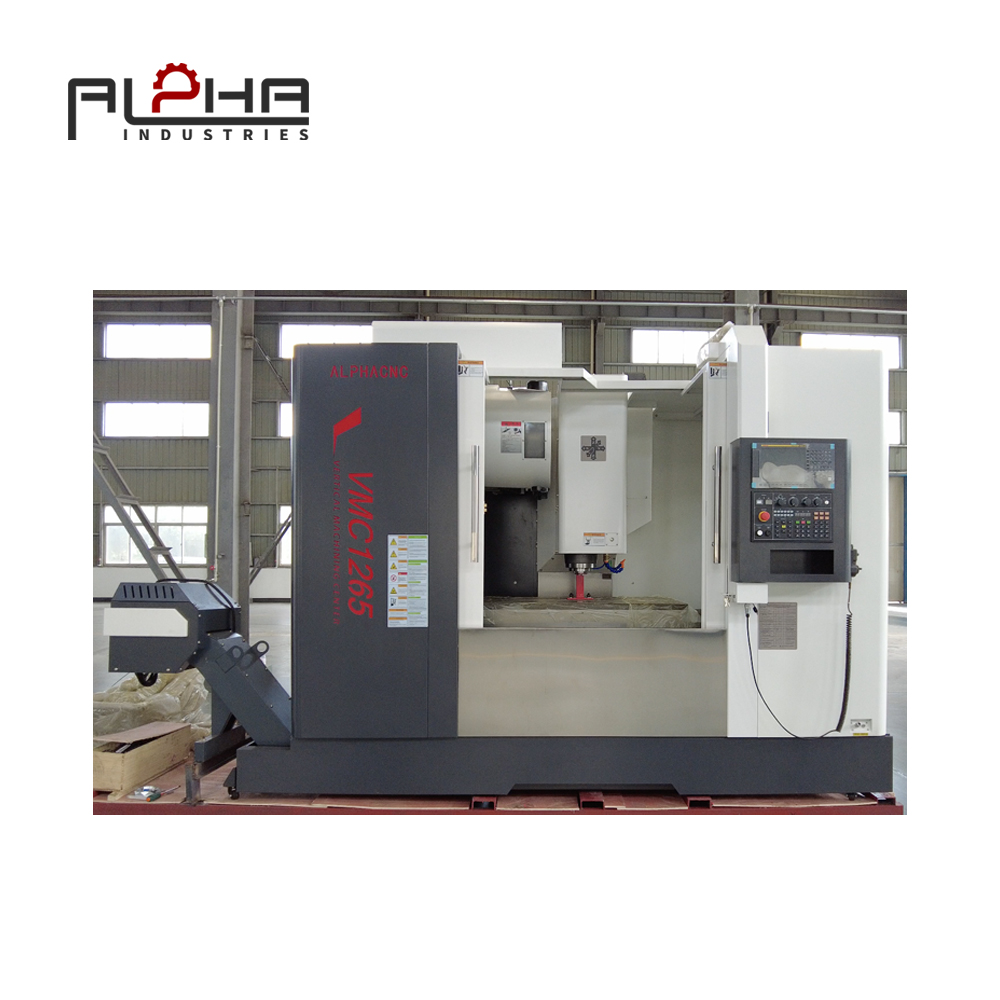
Modern Vertical Machining Centers (VMCs) have become a critical part of this strategy.
Why Supply Chain Disruptions Continue to Affect Manufacturing
Although global logistics have improved, manufacturers throughout the Americas still face ongoing risks that impact production planning.
Common challenges include:
- Delayed delivery of outsourced machined components
- Rising international transportation costs
- Limited availability of qualified subcontractors
- Longer procurement lead times
- Fluctuating customer demand
- Inventory shortages
- Increased pressure to shorten delivery schedules
These issues often force manufacturers to maintain larger inventories, tie up working capital, and accept longer production cycles.
The Hidden Costs of Outsourced Machining
Outsourcing machining operations may reduce short-term capital investment, but it can also introduce significant operational risks.
Limited Production Control
Manufacturers have less visibility into machining schedules, quality control, and process optimization. Any supplier delay can directly impact final assembly.
Longer Lead Times
Every outsourced process requires transportation, scheduling, inspection, and coordination. These additional steps increase overall production time.
Inconsistent Quality
Different suppliers may use different machines, tooling, and quality standards. This can lead to dimensional variation and additional inspection requirements.
Reduced Flexibility
Engineering changes or urgent production adjustments become more difficult once machining has been outsourced. Manufacturers lose the ability to respond quickly to customer requests.
Bringing Machining Operations In-House with Modern VMC Technology
Many manufacturers are responding by expanding their internal machining capabilities.
A modern Vertical Machining Center enables companies to produce critical components in-house while maintaining greater control over production quality, scheduling, and delivery.
In-house machining provides several strategic advantages.
Faster Response to Customer Orders
With an advanced VMC, manufacturers can begin production without waiting for external suppliers.
Benefits include:
- Shorter production lead times
- Faster engineering modifications
- Reduced order backlog
- Improved on-time delivery
Greater responsiveness strengthens customer relationships and enhances competitiveness.
Improved Quality Control
Internal machining allows manufacturers to standardize production processes.
Using one controlled machining environment improves:
- Dimensional consistency
- Surface finish
- Process repeatability
- Inspection efficiency
Quality issues can also be identified and corrected more quickly.
Reduced Dependence on External Suppliers
Producing key components in-house minimizes exposure to supply chain disruptions.
Manufacturers gain greater control over:
- Production scheduling
- Capacity planning
- Inventory management
- Confidential product designs
This reduces business risk while improving operational stability.
Flexible Production Supports Market Changes
Customer demand is becoming increasingly unpredictable.
Modern VMCs enable manufacturers to quickly switch between different products through:
- Rapid CNC program changes
- Automatic tool changers
- Precision work offsets
- Digital production management
Factories can efficiently handle both prototype production and batch manufacturing without major process changes.
Digital Manufacturing Improves Supply Chain Visibility
Modern Vertical Machining Centers can support digital manufacturing through integration with:
- ERP systems
- Manufacturing Execution Systems (MES)
- CAD/CAM software
- Production scheduling platforms
- Remote monitoring systems
Real-time production data can help manufacturers make faster decisions while improving production visibility and supply chain coordination.
Automation Strengthens Manufacturing Resilience
Many manufacturers across the Americas combine VMCs with automation technologies to further reduce operational risk.
Common solutions include:
- Automatic pallet changers
- Robotic loading systems
- Tool management software
- Machine monitoring platforms
- Automated inspection systems
Automation helps improve production continuity while reducing dependence on manual labor.
Why Resilient Manufacturing Creates Long-Term Competitive Advantage
Manufacturers with stronger internal machining capabilities can benefit from:
- Better delivery performance
- Lower production risk
- Improved customer confidence
- Faster product development
- Higher production flexibility
- Reduced inventory costs
- Better utilization of manufacturing resources
Instead of simply reacting to supply chain disruptions, manufacturers can build production systems capable of adapting to unexpected market changes.
Why Alpha Vertical Machining Centers Support Supply Chain Stability
At Alpha, we understand that modern manufacturers require more than machining accuracy—they also need production resilience.
Our Vertical Machining Centers are designed to help manufacturers strengthen internal production capabilities while supporting long-term operational stability.
Key advantages include:
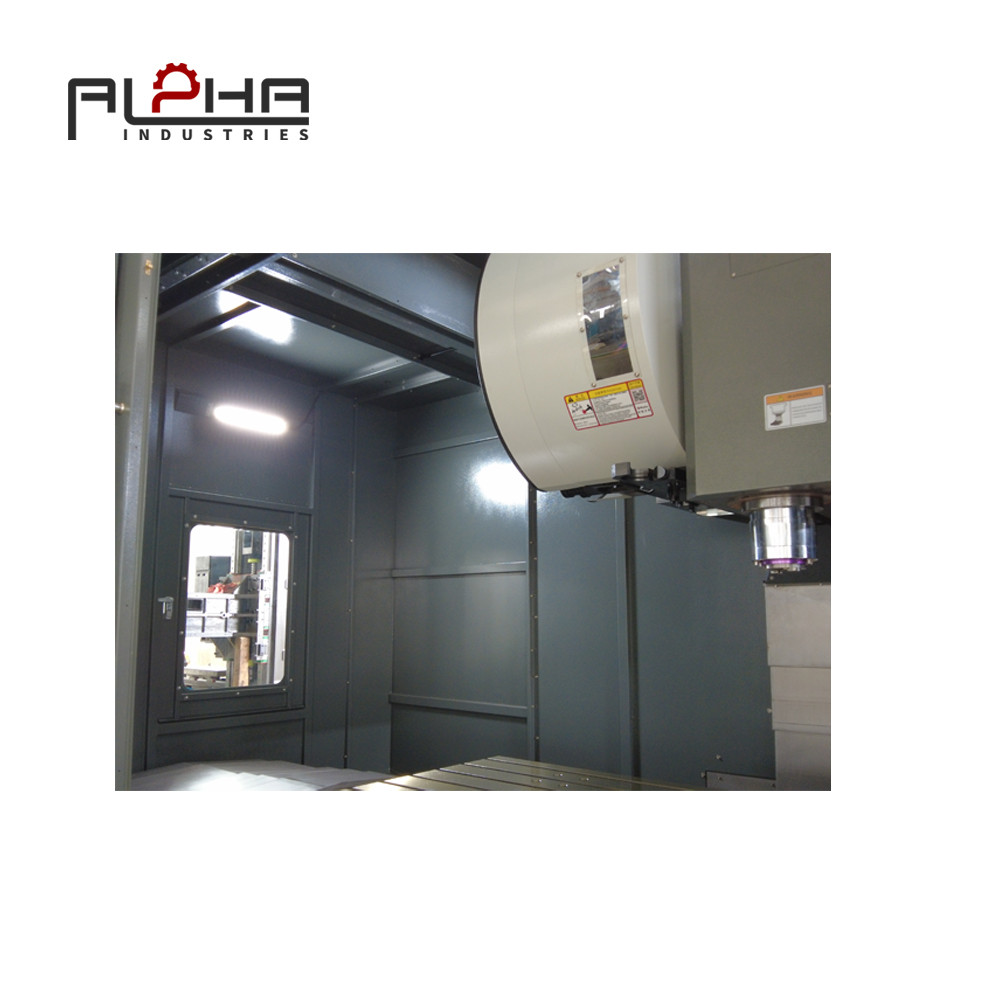
- High-rigidity machine construction for reliable performance
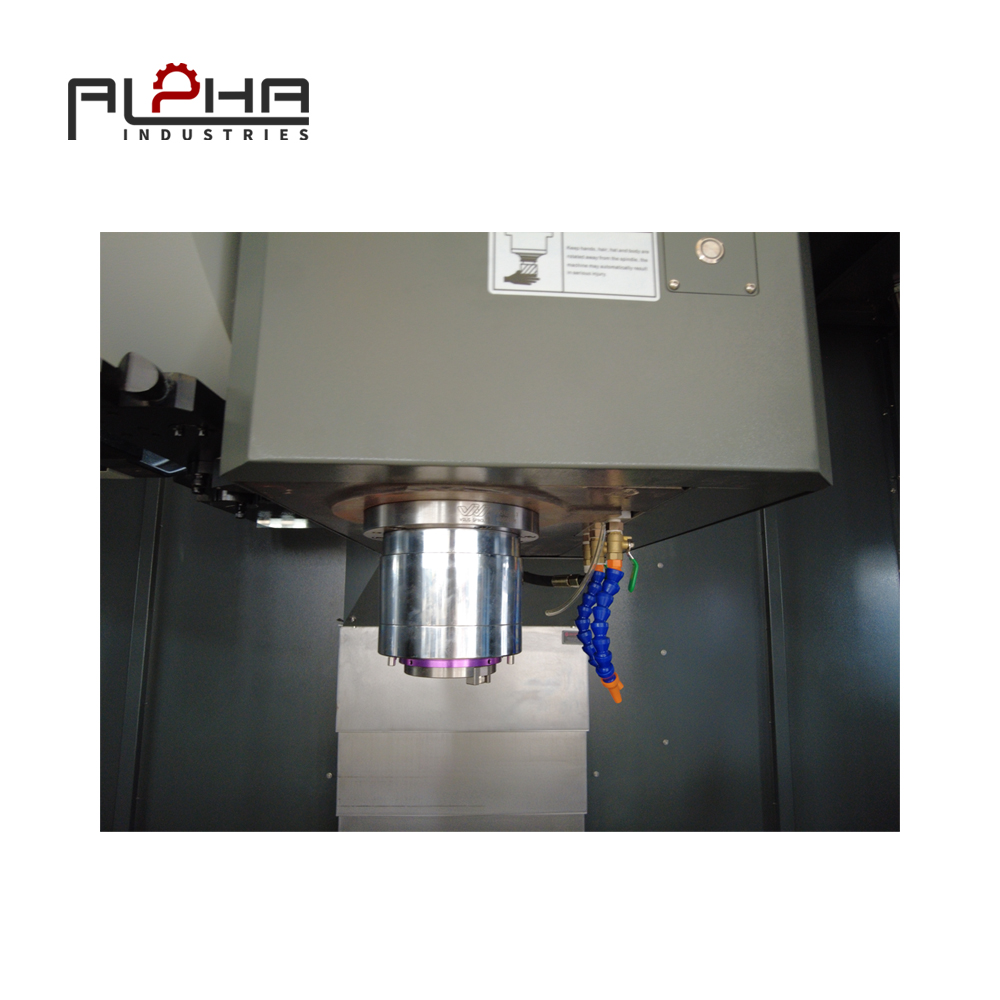
- Precision spindle systems for consistent machining quality
- Advanced CNC controller compatibility
- High positioning accuracy and repeatability
- Fast automatic tool changers
- Automation-ready configurations
- Excellent long-term reliability
- Comprehensive engineering support and after-sales service
Whether manufacturing automotive components, aerospace structures, industrial machinery, hydraulic systems, molds, or precision mechanical parts, Alpha VMC solutions can help manufacturers build stronger, more flexible, and more resilient production operations.
Conclusion
Supply chain resilience has become one of the defining competitive advantages for manufacturers across the Americas.
Companies that strengthen their internal machining capabilities are better positioned to reduce production risk, improve delivery performance, and respond quickly to changing customer requirements.
Modern Vertical Machining Centers play a vital role in this transformation by combining machining precision, production flexibility, digital connectivity, and automation readiness into one powerful manufacturing solution.
With Alpha VMC technology, manufacturers can move beyond short-term production challenges and build a stronger foundation for sustainable long-term growth.
Frequently Asked Questions (FAQ)
1. Why is supply chain resilience important for CNC manufacturers?
A resilient supply chain helps reduce production interruptions, shorten lead times, improve delivery reliability, and minimize dependence on external suppliers.
2. How does a Vertical Machining Center improve supply chain resilience?
A modern VMC enables manufacturers to machine critical components in-house, improve production flexibility, reduce outsourcing, and respond more quickly to customer demand.
3. Which industries benefit most from in-house CNC machining?
Automotive, aerospace, medical devices, renewable energy, industrial equipment, agricultural machinery, mold manufacturing, and precision engineering can all benefit from greater production control.
4. Can VMCs support digital supply chain management?
Modern VMCs can integrate with ERP, MES, CAD/CAM, and production monitoring systems to improve manufacturing visibility and decision-making.
5. What should manufacturers consider when investing in a VMC for long-term resilience?
Key factors include machine reliability, structural rigidity, automation compatibility, digital connectivity, service support, production flexibility, and long-term operating efficiency.
Contact Us
Strengthen Your Manufacturing Future with Alpha Vertical Machining Centers
If your business is looking to improve supply chain resilience, reduce outsourcing risks, and increase production flexibility, Alpha offers advanced Vertical Machining Center solutions engineered for reliable, high-performance manufacturing.
Our experienced engineering team can recommend the ideal VMC configuration based on your production capacity, component requirements, machining precision, and automation goals.
Whether you are expanding in-house machining capabilities or building a smarter production system, Alpha is ready to support your long-term manufacturing success.
Contact our CNC specialists today to receive a customized machining solution tailored to your business.
Contact Us: Alpha CNC Contact Us