

Why Manufacturing Downtime Has Become a Major Challenge Across the Americas
For manufacturers across North America and South America, production downtime is no longer simply a maintenance issue.
It has become a major business risk.
Companies serving industries such as automotive, aerospace, energy, heavy equipment, medical manufacturing, metal fabrication, and industrial machinery depend on stable production schedules. When a CNC machine unexpectedly stops, the impact can extend far beyond one machine.
Downtime can cause:
-
Missed production schedules
-
Delayed customer deliveries
-
Higher labor costs
-
Increased overtime expenses
-
Reduced machine utilization
-
Production bottlenecks
-
Lower overall profitability
-
Increased maintenance costs
-
Lost business opportunities
For manufacturers operating in competitive markets, every hour of unexpected downtime can create significant financial pressure.
This is why more companies are changing how they evaluate CNC equipment.
Instead of focusing only on the purchase price of a machine, manufacturers are increasingly asking:
How reliable will this machine be over the next five or ten years?
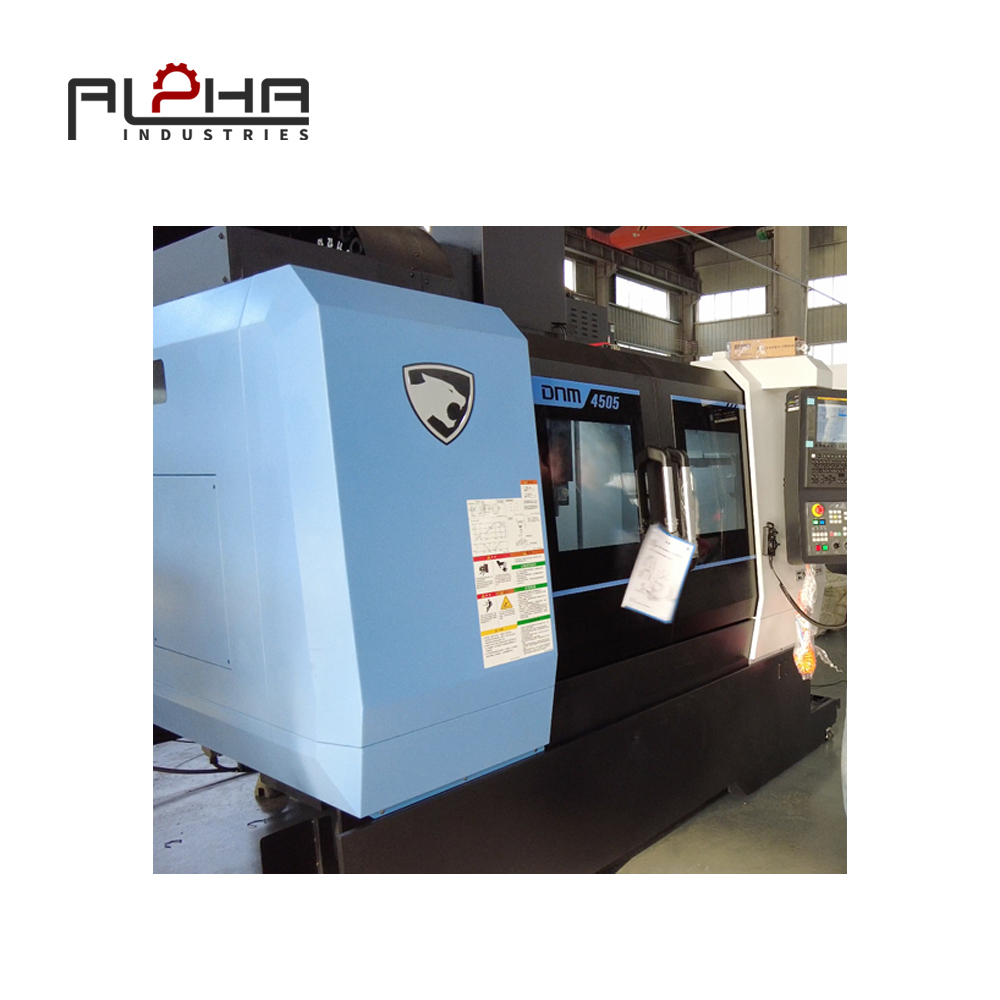
This question has become especially important for companies investing in a Vertical Machining Center.
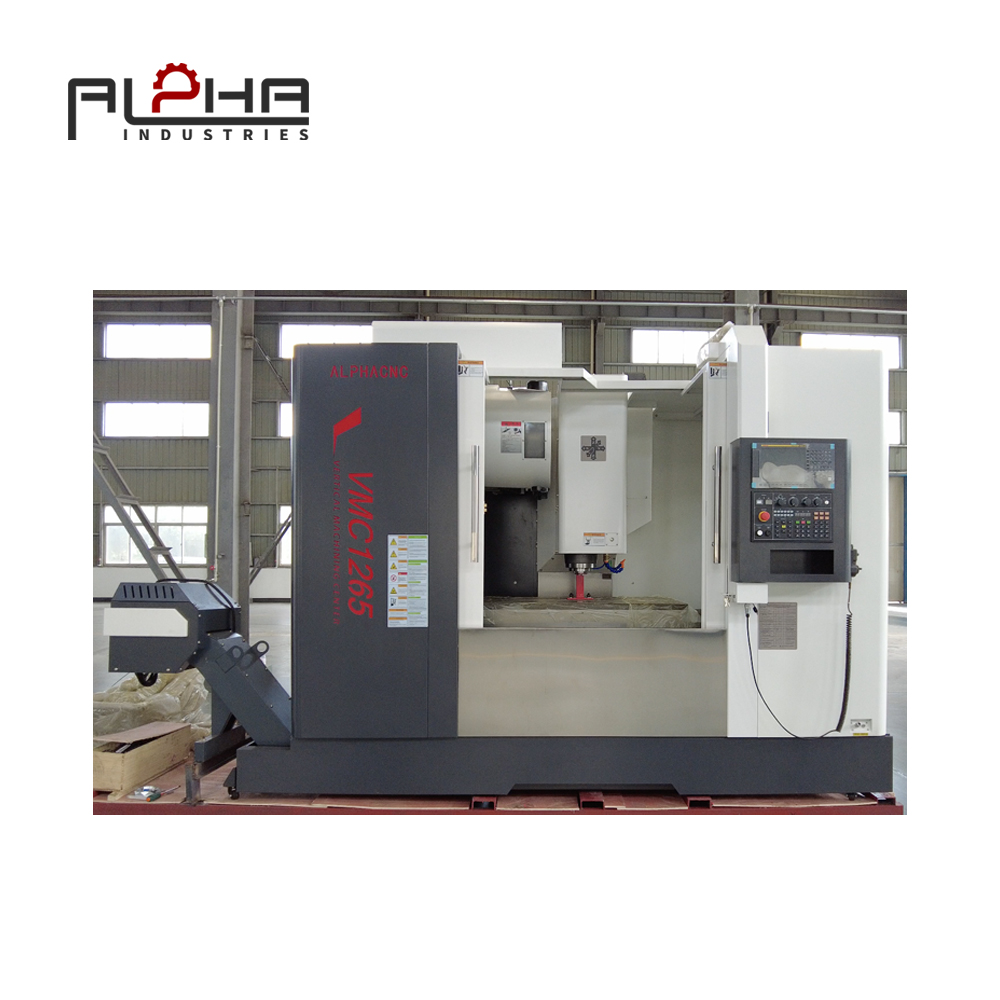
The Hidden Cost of CNC Machine Downtime
The true cost of downtime is often much higher than the cost of repairing a machine.
For example, when a CNC machining center stops unexpectedly, manufacturers may face multiple simultaneous costs.
The machine itself is no longer producing parts.
Operators may remain idle.
Production schedules may need to be changed.
Downstream processes may also stop.
Urgent orders may require overtime or outsourcing.
In some cases, manufacturers may even lose customers because of delayed delivery.
The total financial impact can include:
Lost Production Capacity
A machine that is stopped cannot generate output.
For high-volume manufacturers, even a few hours of downtime can result in hundreds or thousands of parts not being produced.
Labor Costs
Operators, supervisors, and maintenance personnel may still be required even when the machine is not producing.
Emergency Maintenance Expenses
Unexpected failures often require urgent repairs, replacement parts, and additional technical support.
Emergency maintenance is generally more expensive than planned preventive maintenance.
Production Delays
A failure in one machining process can create bottlenecks throughout the entire production line.
Customer Delivery Risks
Late deliveries can damage long-term customer relationships.
For manufacturers across the Americas, maintaining reliable production capacity has therefore become a strategic priority.
Why Vertical Machining Center Reliability Matters More Than Ever
A Vertical Machining Center is often one of the most important machines on the production floor.
It may perform multiple operations, including:
-
Milling
-
Drilling
-
Tapping
-
Boring
-
Threading
-
Contouring
-
Precision machining
Because a VMC can perform multiple machining operations in one setup, a single machine failure can affect several stages of production.
Machine reliability therefore directly influences:
-
Production efficiency
-
Part quality
-
Delivery performance
-
Manufacturing costs
-
Machine utilization
-
Customer satisfaction
A reliable VMC is not simply a piece of equipment.
It is part of the manufacturer's production infrastructure.
The Main Causes of Unplanned Downtime in CNC Machining
Understanding the causes of downtime is the first step toward reducing it.
Several factors can affect the reliability of a Vertical Machining Center.
1. Poor Machine Structural Design
The machine structure forms the foundation of machining stability.
If the machine lacks sufficient rigidity, long-term vibration and heavy machining loads can affect:
-
Machining accuracy
-
Surface quality
-
Component life
-
Spindle performance
-
Cutting tool life
A rigid and stable machine structure helps reduce mechanical stress during continuous operation.
This is particularly important for manufacturers machining:
-
Steel
-
Stainless steel
-
Cast iron
-
Aluminum components
-
Mold components
-
Heavy industrial parts
A properly designed machine structure can contribute to more stable long-term operation.
2. Spindle Problems
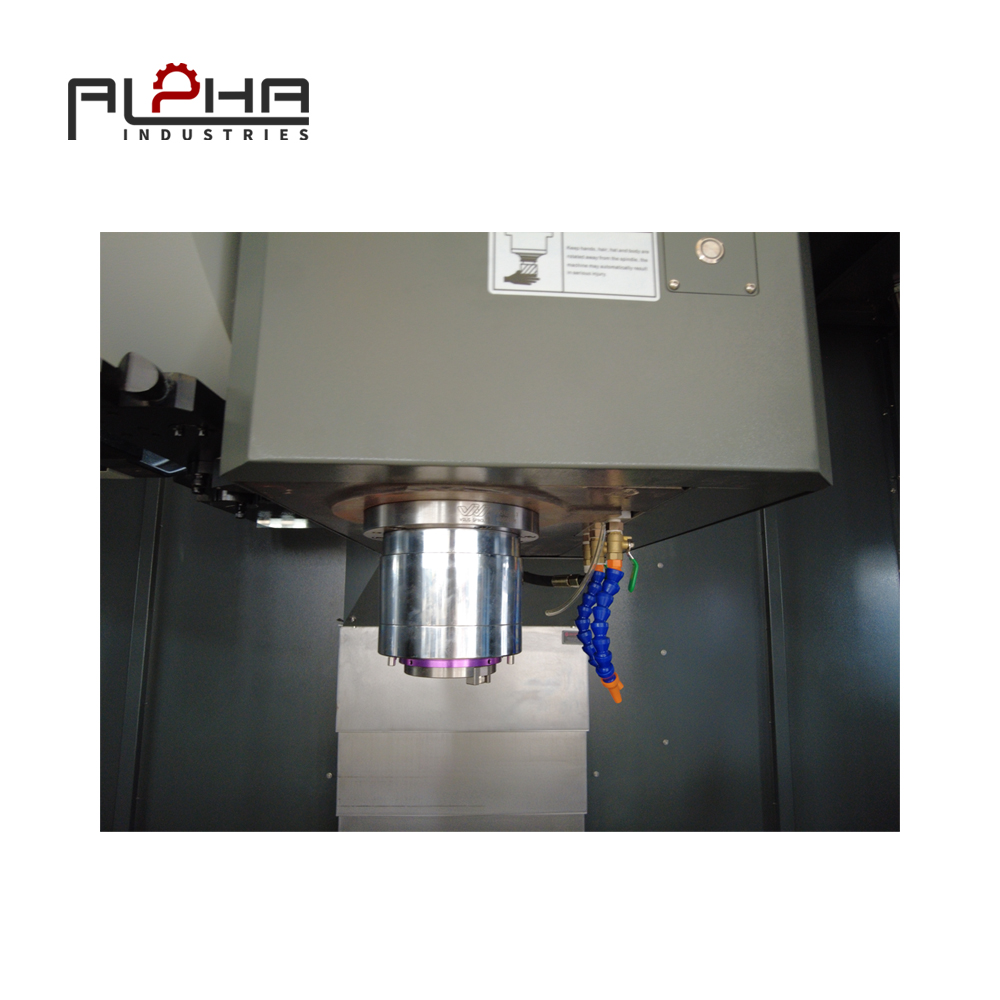
The spindle is one of the most critical components of a CNC machining center.
Spindle problems can lead to:
-
Poor surface finish
-
Increased vibration
-
Reduced machining accuracy
-
Tool damage
-
Production stoppages
Manufacturers should evaluate factors such as:
-
Spindle quality
-
Bearing configuration
-
Cooling system
-
Maximum spindle speed
-
Torque performance
-
Suitability for the intended material
Choosing the correct spindle configuration for the actual application is essential.
A manufacturer performing high-speed aluminum machining may require different spindle characteristics than a company performing heavy-duty steel machining.
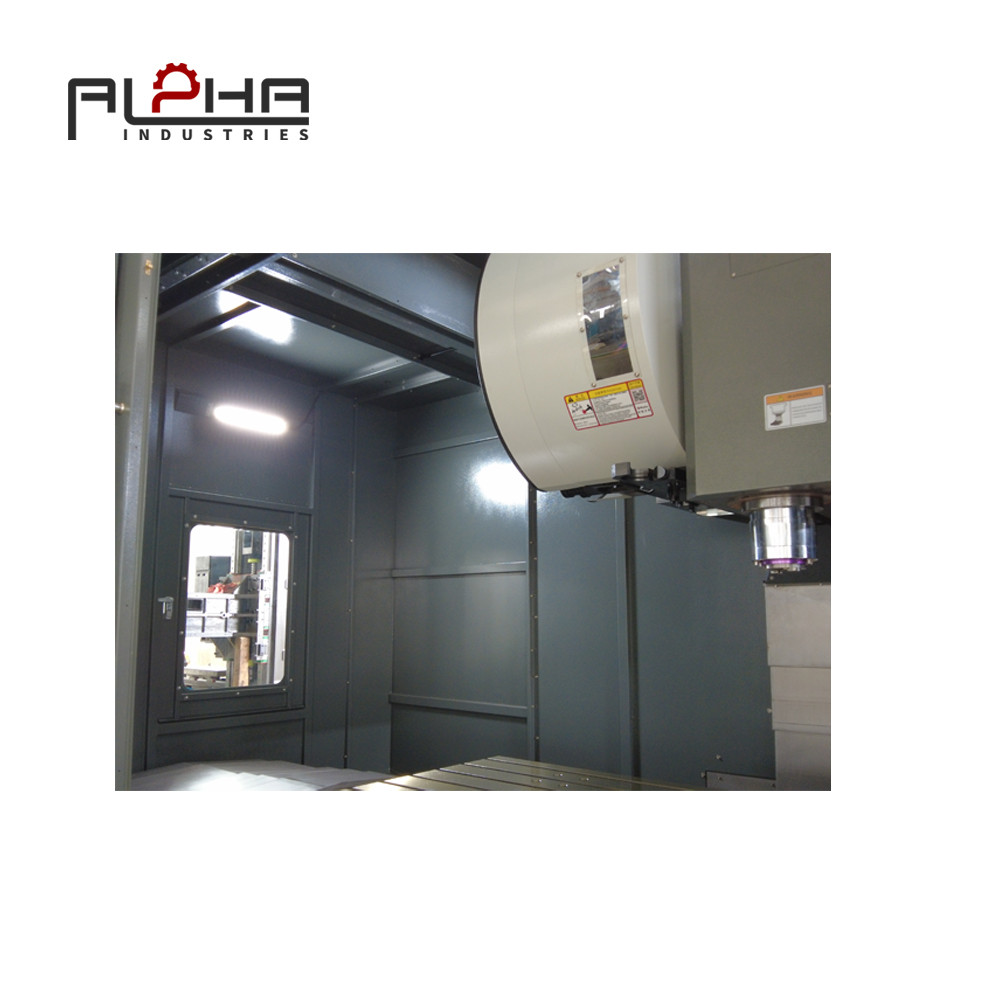
3. Poor Chip Management
Chip accumulation is often underestimated.
During continuous CNC machining, large amounts of chips can accumulate inside the machine.
Poor chip removal may lead to:
-
Tool interference
-
Reduced machining efficiency
-
Machine contamination
-
Damage to components
-
Increased operator intervention
An effective chip conveyor and coolant management system can significantly improve production stability.
For high-volume production environments, automated chip removal can reduce the need for frequent manual cleaning.
4. Inadequate Preventive Maintenance
Many machine failures do not occur suddenly without warning.
They develop gradually.
Without regular inspection and maintenance, small problems can become major failures.
A preventive maintenance strategy should include regular inspection of:
-
Lubrication systems
-
Spindle condition
-
Coolant systems
-
Electrical components
-
Hydraulic components
-
Guideways
-
Ball screws
-
Chip removal systems
The goal is not simply to repair machines after failure.
The goal is to identify potential problems before they interrupt production.
How Advanced Vertical Machining Centers Help Increase Machine Uptime
Modern Vertical Machining Centers are increasingly designed around production stability.
Manufacturers are looking for equipment that can operate continuously while maintaining machining accuracy.
Several features can help improve uptime.
High-Rigidity Machine Structure
A rigid machine structure improves stability during machining.
Higher rigidity can help:
-
Reduce vibration
-
Improve cutting stability
-
Maintain machining accuracy
-
Support heavier cutting operations
-
Extend component service life
For manufacturers operating multiple shifts, machine stability is particularly important.
A VMC must maintain reliable performance not only during occasional machining but also during continuous industrial production.
Reliable CNC Control Systems
The CNC control system is the operational center of the machine.
A reliable and widely supported control system can help manufacturers improve:
-
Programming efficiency
-
Machine monitoring
-
Troubleshooting
-
Operator training
-
Production consistency
Ease of operation is also important.
When manufacturers face skilled labor shortages, a CNC system that supports efficient programming and operation can reduce dependence on highly specialized operators.
This is an increasingly important consideration across manufacturing markets in the Americas.
Automatic Tool Changing Systems
Tool changing is a frequent part of CNC machining.
An efficient automatic tool changer can help reduce non-cutting time and improve production efficiency.
Important considerations include:
-
Tool magazine capacity
-
Tool change speed
-
Tool change reliability
-
Suitability for production requirements
For complex parts requiring multiple machining operations, automatic tool management becomes particularly important.
Reducing manual intervention can improve both productivity and production consistency.
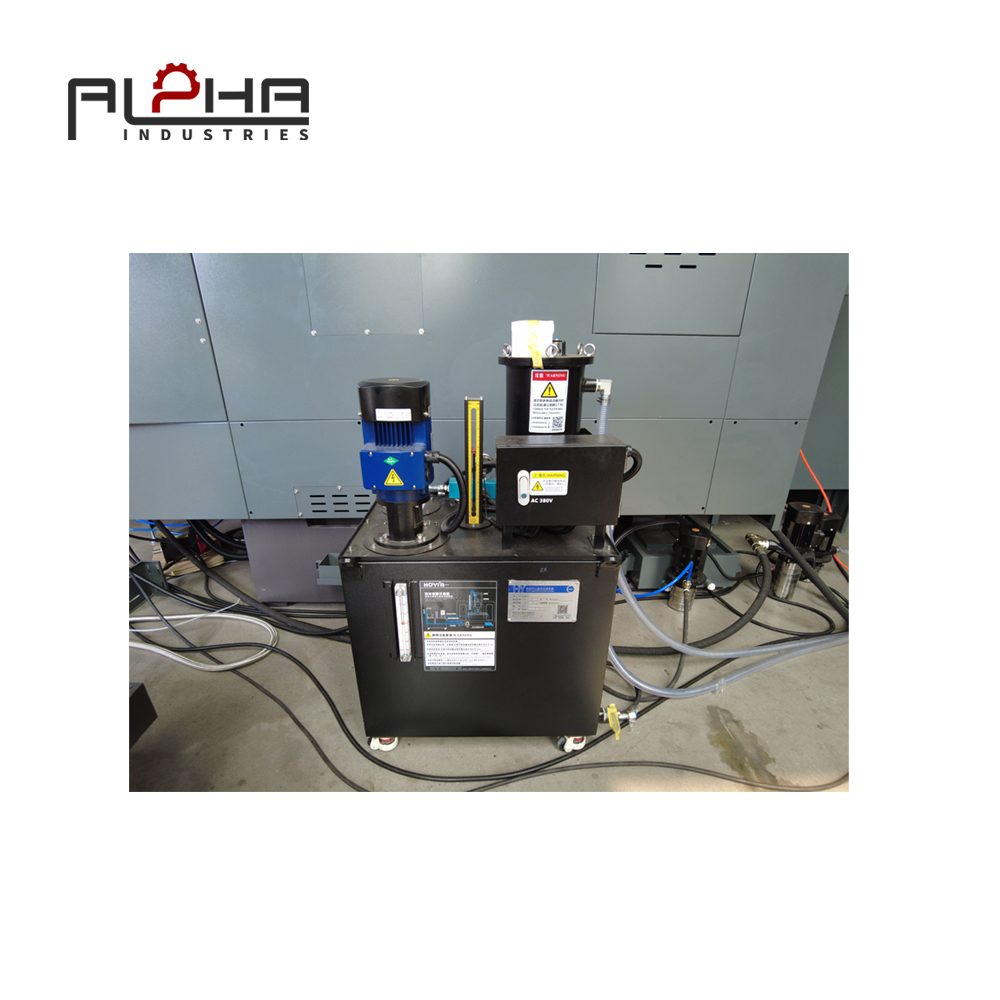
Efficient Lubrication Systems
Proper lubrication is essential for long-term machine reliability.
Automatic lubrication systems help ensure that critical machine components receive appropriate lubrication during operation.
This can support the service life of components such as:
-
Guideways
-
Ball screws
-
Moving mechanical assemblies
A well-designed lubrication system also reduces dependence on manual maintenance procedures.
Integrated Machine Monitoring
Modern manufacturing increasingly depends on machine data.
Monitoring key operating conditions can help manufacturers identify potential issues earlier.
Depending on the machine configuration, monitoring may include:
-
Operating status
-
Alarm information
-
Production time
-
Maintenance requirements
-
Machine utilization
The ability to monitor machine performance supports a transition from reactive maintenance toward more proactive maintenance management.
Why Skilled Labor Shortages Make Reliable VMCs Even More Important
Labor shortages remain a challenge for manufacturers across many industrial markets.
Experienced CNC operators and maintenance technicians require training and practical experience.
When skilled workers are unavailable, manufacturers face several challenges:
-
Longer machine setup times
-
Programming errors
-
Delayed maintenance
-
Incorrect operating procedures
-
Reduced production efficiency
A reliable and user-friendly Vertical Machining Center can help reduce some of these challenges.
Important features may include:
-
Intuitive CNC controls
-
Clear machine alarms
-
Simplified maintenance access
-
Reliable automatic functions
-
Stable machining performance
Automation and reliability do not completely replace skilled workers.
However, they can reduce unnecessary operator intervention and make production processes easier to manage.
Choosing the Right VMC Configuration for Maximum Uptime
Not every Vertical Machining Center is suitable for every application.
Selecting the wrong configuration can create operational problems.
Before purchasing a VMC, manufacturers should evaluate their actual production requirements.
Important considerations include:
Workpiece Size
The machine table and travel dimensions must match the size of the workpieces.
Manufacturers should consider:
-
X-axis travel
-
Y-axis travel
-
Z-axis travel
-
Table dimensions
-
Maximum table load
Material Type
Different materials require different machining strategies.
A machine designed primarily for high-speed aluminum machining may not be the ideal solution for heavy-duty steel cutting.
Production Volume
High-volume production requires greater emphasis on:
-
Automation
-
Tool capacity
-
Machine uptime
-
Chip management
-
Cycle time optimization
Machining Accuracy
Industries such as aerospace, mold manufacturing, and precision components may require higher positioning accuracy and repeatability.
Automation Requirements
Manufacturers planning future production expansion should consider whether the VMC can support:
-
Robotic loading
-
Pallet systems
-
Automated part handling
-
Production monitoring
Selecting the right machine configuration from the beginning can reduce future operational limitations.
The Importance of Preventive Maintenance for VMC Uptime
Even the most advanced CNC machine requires maintenance.
Manufacturers that wait until equipment fails before performing maintenance often experience higher costs.
Preventive maintenance focuses on reducing unexpected failures.
A typical VMC maintenance strategy may include:
Daily Checks
-
Coolant level
-
Lubrication status
-
Air pressure
-
Machine alarms
-
Chip removal condition
Weekly Checks
-
Machine cleanliness
-
Coolant condition
-
Tool changer operation
-
Chip conveyor performance
Monthly or Scheduled Checks
-
Lubrication system inspection
-
Electrical cabinet inspection
-
Mechanical component checks
-
Guideway condition
-
Spindle performance evaluation
The exact maintenance schedule should always follow the machine manufacturer's recommendations.
However, the principle remains the same:
Planned maintenance is usually less expensive than unexpected downtime.
How Machine Uptime Improves Total Cost of Ownership
The purchase price of a CNC machine is only one part of the investment.
Manufacturers should also consider the machine's long-term operating costs.
These may include:
-
Maintenance costs
-
Spare parts
-
Energy consumption
-
Labor requirements
-
Machine downtime
-
Tool consumption
-
Production efficiency
This is commonly described as the Total Cost of Ownership (TCO).
A lower-priced machine may appear attractive initially.
However, if it requires frequent repairs or causes repeated production interruptions, the long-term cost can become significantly higher.
A reliable Vertical Machining Center can help manufacturers improve the economic value of their investment through:
-
Higher machine utilization
-
More stable production
-
Lower unexpected maintenance costs
-
Improved delivery reliability
-
Longer operational service life
For many manufacturers, uptime is therefore directly connected to profitability.
Why VMC Uptime Supports Manufacturing Competitiveness in the Americas
Manufacturers across the Americas compete in increasingly demanding markets.
Customers expect:
-
Faster delivery
-
Consistent quality
-
Competitive pricing
-
High precision
-
Flexible production capacity
To meet these expectations, manufacturers need equipment that can operate consistently.
A machine that frequently stops can create a competitive disadvantage.
By improving machine reliability and reducing unplanned downtime, manufacturers can:
-
Increase production capacity without expanding factory space
-
Improve on-time delivery
-
Reduce emergency maintenance costs
-
Improve workforce productivity
-
Support higher production volumes
This is one reason why VMC investment decisions are increasingly focused on long-term production performance rather than purchase price alone.
How ALPHA Supports Reliable CNC Machining Solutions
ALPHA CNC provides CNC and metalworking equipment solutions for manufacturers with different production requirements.
When selecting a Vertical Machining Center, the focus should not only be on basic machine specifications.
The right solution should consider:
-
Workpiece requirements
-
Material type
-
Machining processes
-
Production volume
-
Accuracy requirements
-
Automation needs
-
Long-term operating costs
A properly configured VMC can help manufacturers build a more stable and productive machining operation.
Frequently Asked Questions About Vertical Machining Center Reliability
What causes the most downtime in a Vertical Machining Center?
Common causes include insufficient preventive maintenance, spindle problems, lubrication failures, chip accumulation, electrical issues, and improper machine operation.
How can manufacturers improve VMC machine uptime?
Manufacturers can improve uptime by selecting reliable equipment, following preventive maintenance schedules, monitoring machine condition, maintaining proper lubrication, and ensuring effective chip removal.
Is a more expensive VMC always more reliable?
Not necessarily. Reliability depends on machine design, component quality, manufacturing quality, maintenance practices, and whether the machine is correctly matched to the application.
How important is preventive maintenance for CNC machines?
Preventive maintenance is essential because it helps identify potential problems before they cause unexpected production stoppages and expensive repairs.
How does machine downtime affect manufacturing costs?
Downtime can increase costs through lost production, idle labor, delayed deliveries, emergency repairs, overtime, and reduced machine utilization.
What should manufacturers consider when choosing a VMC?
Key considerations include workpiece size, materials, machining requirements, spindle configuration, accuracy, production volume, automation requirements, maintenance accessibility, and long-term operating costs.
Can a Vertical Machining Center support automated production?
Yes. Depending on the configuration, a VMC can be integrated with robotic loading systems, automated part handling, production monitoring, and other automation solutions.
Final Thoughts: Reliability Is a Competitive Advantage
For manufacturers across the Americas, reducing unplanned downtime has become a major priority.
The most effective strategy is not simply repairing machines faster after a failure.
It is building a more reliable production system from the beginning.
A well-configured Vertical Machining Center can support this goal by providing stable machining performance, efficient automation, easier maintenance, and higher machine utilization.
As labor costs, delivery expectations, and production pressure continue to increase, machine uptime will become even more important.
The right CNC investment can help manufacturers produce more parts, maintain more consistent delivery schedules, and reduce the long-term financial impact of unexpected downtime.
Explore More CNC Solutions
Learn more about CNC and metalworking equipment solutions from ALPHA CNC.
For machine specifications, technical consultation, or a customized VMC solution, Contact Us.