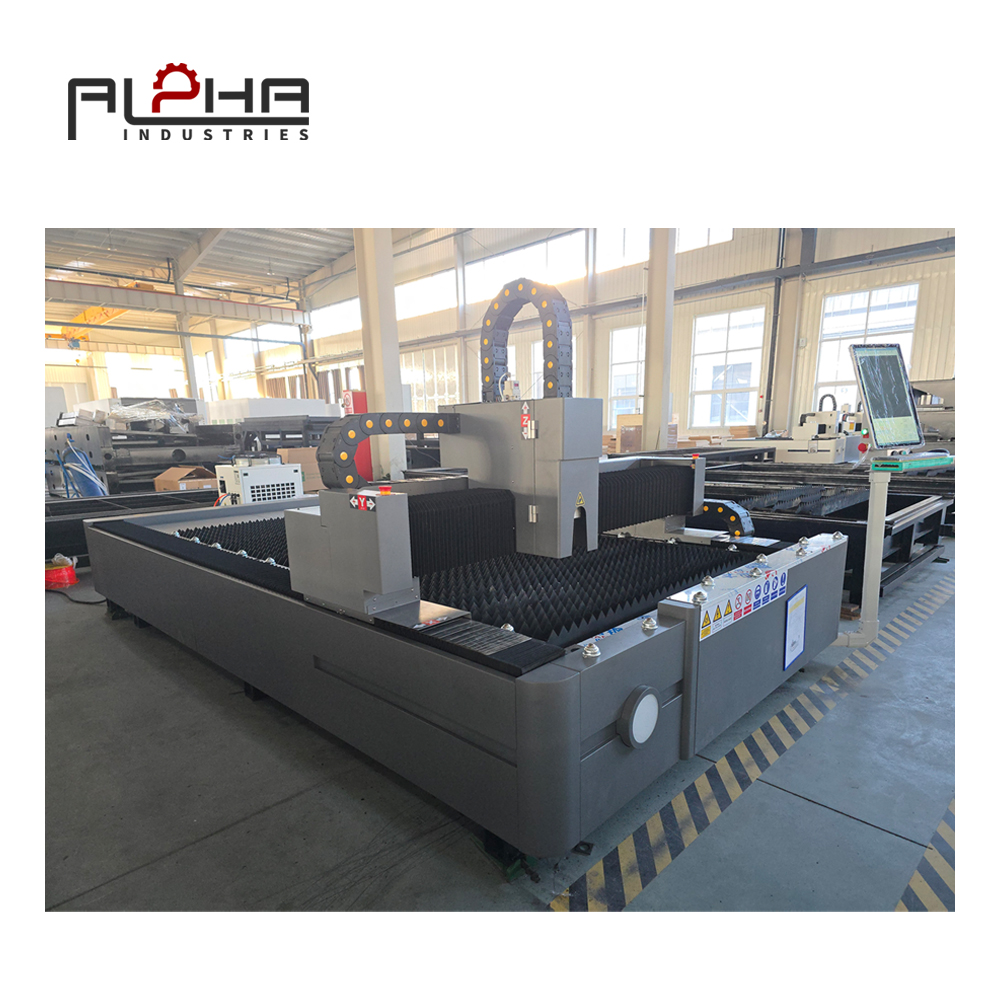


Why After-Sales Support Matters When Buying a Laser Cutting Machine in Ukraine
For metalworking manufacturers in Ukraine, investing in a laser cutting machine is an important decision that affects more than cutting speed or initial purchase price. A machine must also remain practical to operate, maintain, and repair throughout its working life.
Manufacturers producing electrical enclosures, agricultural machinery components, construction parts, metal cabinets, industrial equipment, and custom sheet metal products often depend on consistent cutting operations. If a critical machine becomes unavailable, downstream processes such as bending, welding, assembly, and finishing may also be delayed.
In this environment, the real value of a laser cutting machine depends partly on what happens after installation.
A machine may offer attractive specifications, but manufacturers should also understand how technical problems will be diagnosed, how replacement components can be obtained, and what support is available when operators encounter unfamiliar issues.
For Ukrainian buyers comparing imported laser cutting equipment, these questions deserve attention before an order is placed. A well-planned purchase should consider not only the machine itself but also the support system required to keep it productive.
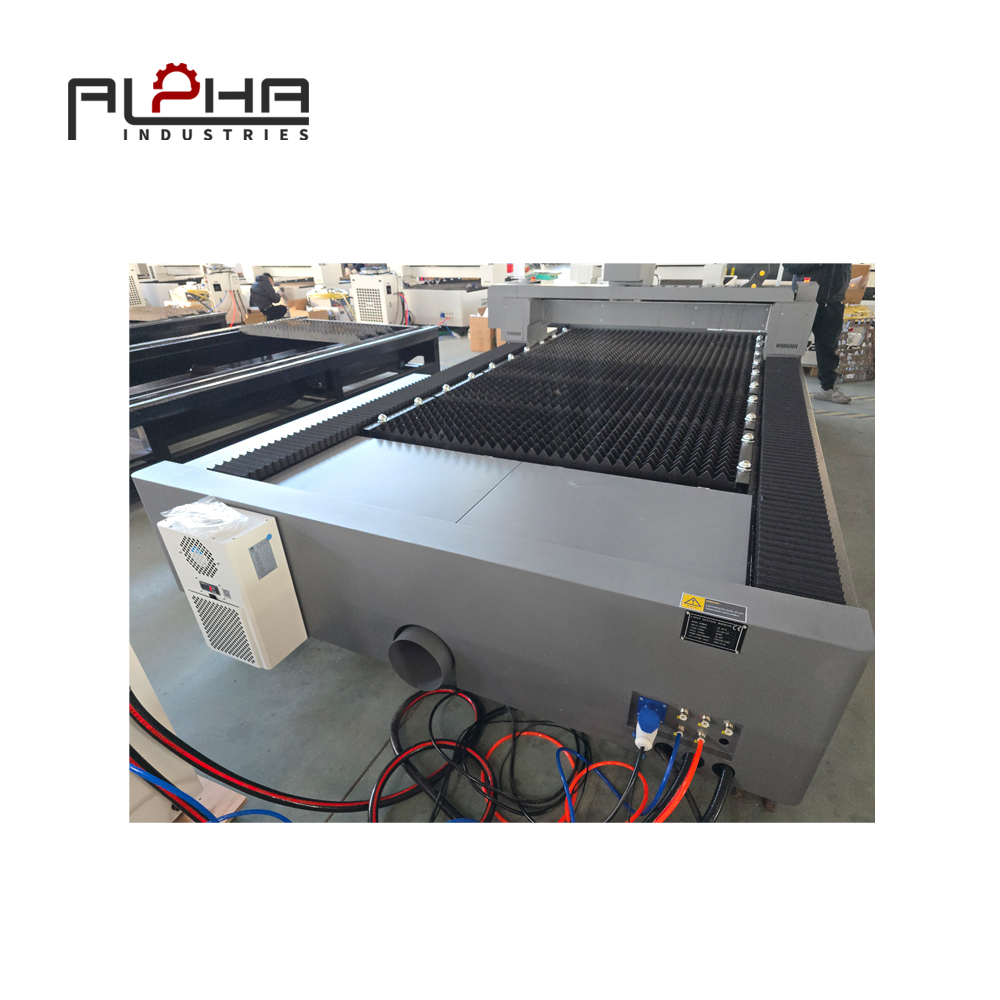
The Hidden Risks Behind a Low Purchase Price
When comparing laser cutting machines, it is natural to focus on the initial investment. However, the purchase price represents only one part of the total cost of ownership.
A lower-priced machine may still become expensive if maintenance is difficult, consumables are unsuitable, replacement parts are hard to identify, or technical problems take too long to resolve.
The following factors can significantly influence long-term operating costs.
Unexpected Maintenance Expenses
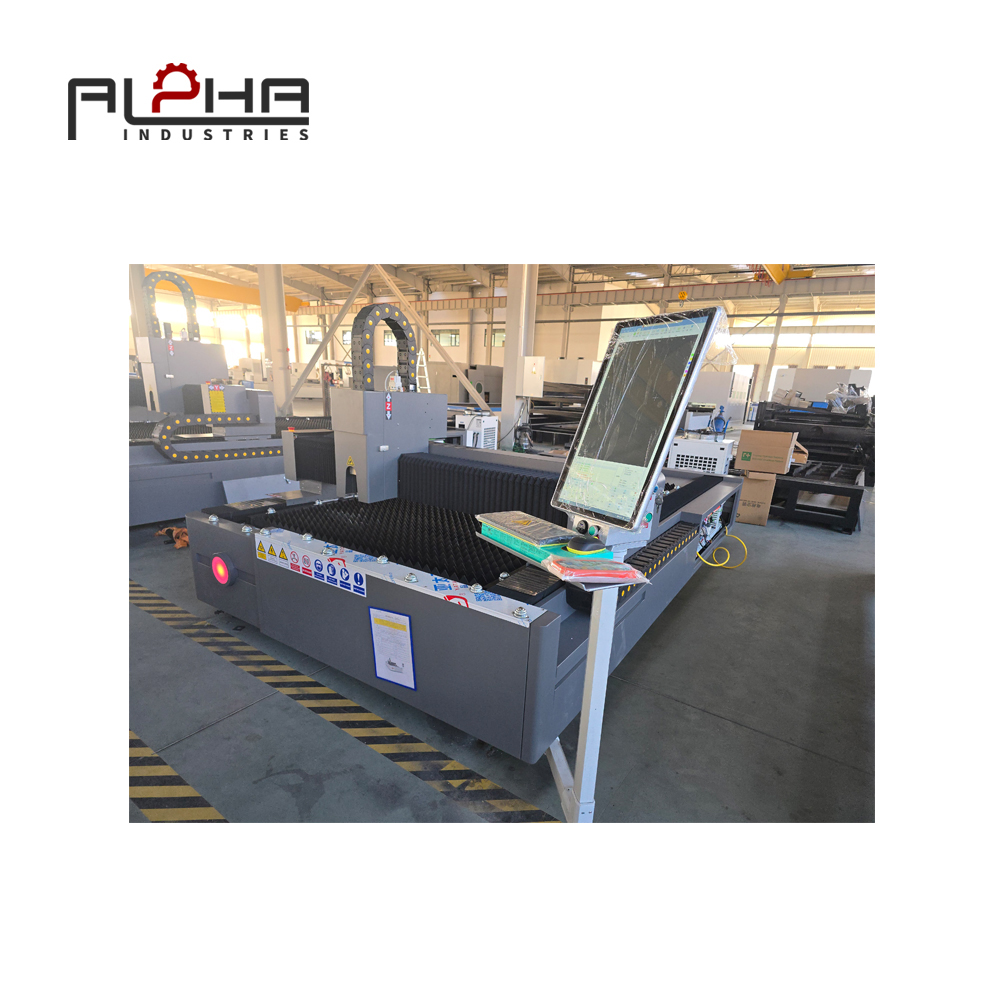
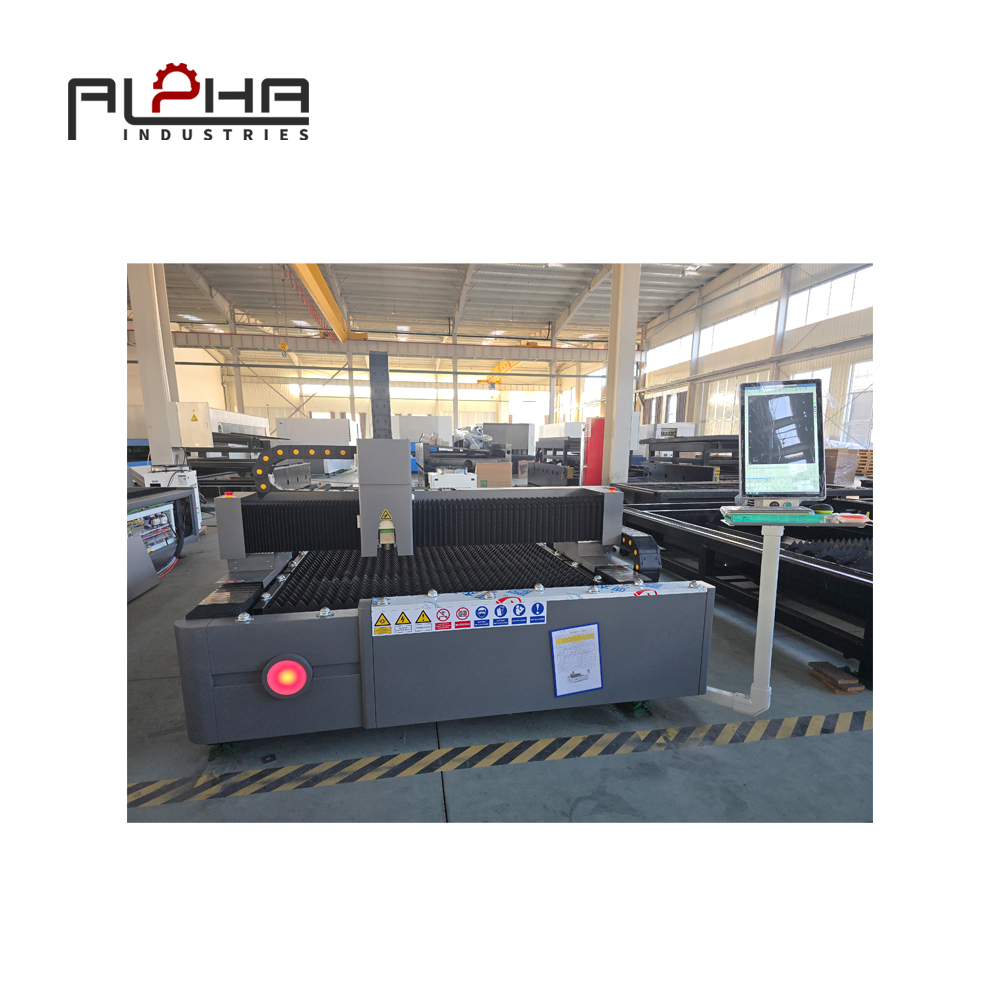
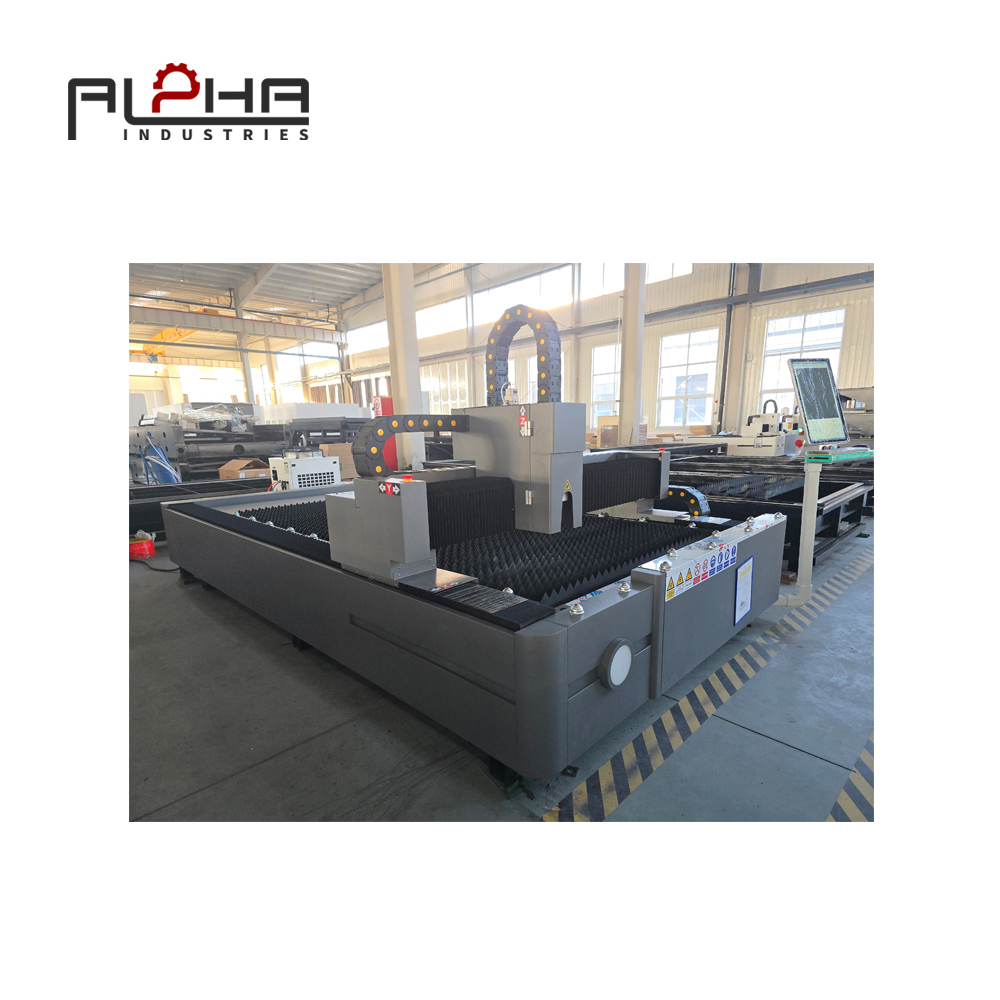
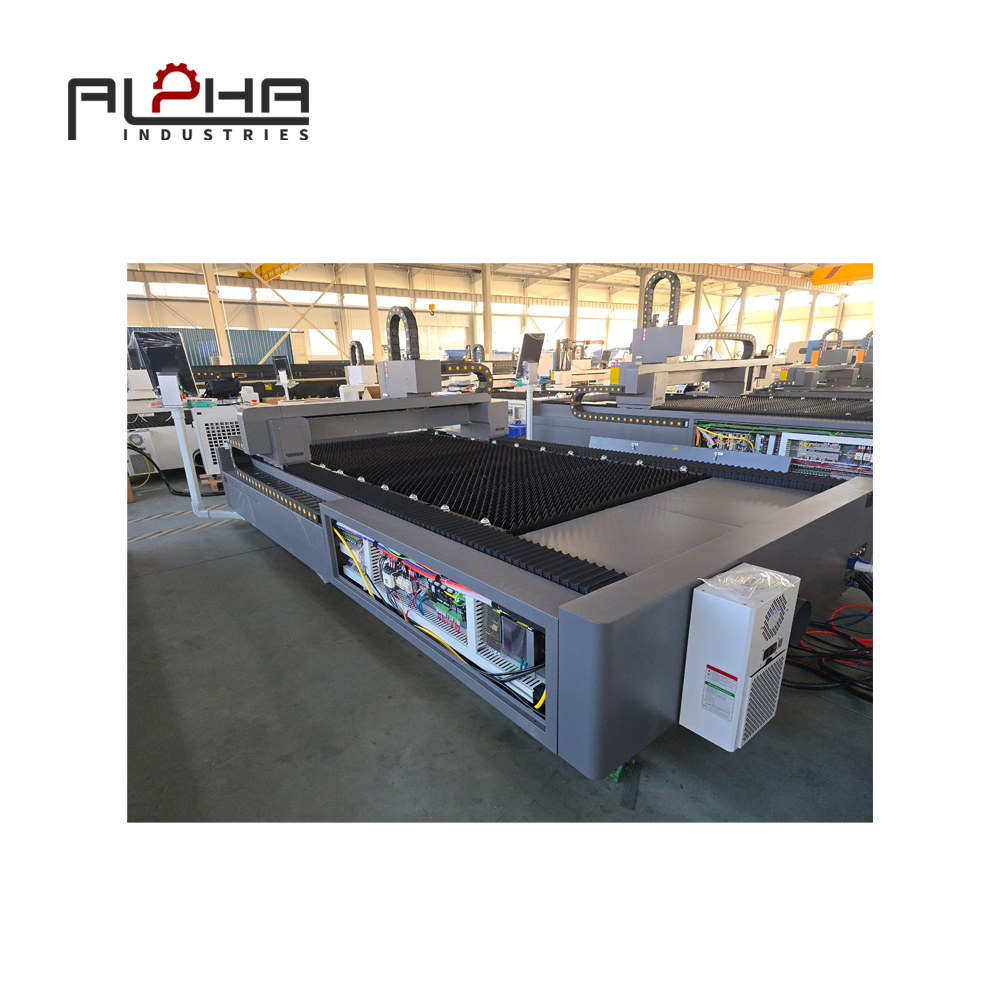
A fiber laser cutting machine integrates multiple systems, including the laser source, cutting head, motion system, CNC controller, electrical components, cooling equipment, and dust extraction arrangements.
Each system requires suitable operating conditions and maintenance procedures. If routine inspections are neglected or incorrect consumables are used, performance can deteriorate and repair costs may increase.
Manufacturers should therefore request clear maintenance instructions before purchasing equipment. These should explain routine inspection intervals, cleaning procedures, lubrication requirements, consumable replacement, and the warning signs that require technical assistance.
Understanding these requirements helps production teams plan maintenance instead of reacting only after a problem occurs.
Delays in Obtaining Replacement Parts
Some machine components are consumables, while others may need replacement only after extended operation or an unexpected failure. In either case, identifying the correct part and confirming its availability can affect the repair timeline.
For Ukrainian manufacturers purchasing equipment from overseas suppliers, international shipping, customs procedures, and transportation arrangements may introduce additional uncertainty.
Before selecting a laser cutting machine, buyers should ask which components are commonly replaced, whether part numbers and technical documentation are available, and how replacement orders are handled.
It is also useful to identify critical consumables in advance. Depending on the machine configuration and cutting application, these may include protective windows, nozzles, ceramic components, filters, and other manufacturer-specified parts.
Keeping appropriate consumables on hand can help reduce avoidable interruptions. The recommended stock level should depend on actual usage, supplier lead times, and the consequences of running out of each item.
Limited Access to Technical Expertise
Laser cutting involves more than operating a start button. Operators must understand material selection, cutting parameters, focus settings, gas requirements, machine safety, and basic troubleshooting.
When a cutting problem appears, an inexperienced operator may struggle to determine whether it originates from material variation, incorrect settings, a contaminated optical component, a gas supply issue, or another part of the process.
Without suitable technical guidance, minor problems can lead to repeated testing, unnecessary consumable replacement, or extended machine downtime.
For this reason, manufacturers should evaluate the quality of the supplier’s technical support before committing to a machine. Useful support may include remote troubleshooting, clear operating documentation, installation guidance, structured operator training, and a defined process for escalating complex technical issues.
How to Evaluate a Laser Cutting Machine Supplier Before Purchase
A dependable supplier should help buyers understand how the equipment will perform in their specific production environment. Instead of relying entirely on catalogue specifications, Ukrainian manufacturers can use a structured evaluation process.
Confirm the Scope of Installation and Commissioning
Installation involves more than positioning a machine on the factory floor. The site may need suitable foundations, electrical capacity, compressed air or cutting gas arrangements, ventilation, cooling equipment, and safe material-handling access.
Requirements vary according to the machine model and configuration.
Before delivery, buyers should confirm which installation tasks are included in the quotation and which must be arranged locally. They should also establish whether commissioning support is available and what conditions must be met before the machine can be started.
A clear installation plan helps reduce confusion between the machine supplier, the buyer, and local contractors.
Ask What Technical Support Actually Includes
The phrase “technical support” can describe very different levels of service. Buyers should clarify the actual support process rather than relying on a general promise of assistance.
Important questions include:
-
Is remote troubleshooting available when the machine develops a problem?
-
What information should the operator provide when reporting a fault?
-
Are operating manuals, electrical diagrams, and maintenance instructions supplied?
-
Can the supplier help identify replacement parts using model and serial number information?
-
Is operator training included, and what subjects does it cover?
-
How are warranty claims assessed and processed?
-
What options are available if remote troubleshooting cannot resolve the problem?
The answers should be specific enough for the buyer to understand what support can reasonably be expected.
Manufacturers should also clarify response arrangements, working hours, language options, and any additional charges for training or service. These details make supplier comparisons more meaningful.
Check Spare Parts Identification and Compatibility
Spare parts planning is particularly important when a machine contains components from several manufacturers. A replacement part must match the installed configuration, not merely look similar to the original component.
Before purchase, buyers should request a list of important machine components, their model identifiers, and the procedure for ordering replacements. Where appropriate, they should confirm whether commonly used consumables follow standard specifications or require particular manufacturer-approved versions.
This is also an opportunity to ask how component changes are documented. Accurate records can make future maintenance easier, particularly when a machine has been in service for several years.
A transparent parts identification process helps manufacturers avoid ordering incompatible components and reduces uncertainty during repairs.
Operator Training: A Practical Investment in Production Stability
Even a well-built laser cutting machine cannot deliver consistent results if operators lack the necessary knowledge. Training should therefore be treated as part of equipment implementation rather than an optional extra.
Build a Consistent Operating Procedure
A structured training program should cover machine startup and shutdown, material loading, program selection, parameter verification, cutting checks, routine cleaning, and emergency procedures.
Operators should also understand which adjustments they are authorized to make and which problems require technical assistance.
Standard operating procedures can help different shifts follow the same process. This is particularly useful for manufacturers that produce a wide variety of parts or have several employees sharing responsibility for the same equipment.
Train Operators to Recognize Early Warning Signs
Operators do not need to perform every repair themselves. However, they should know how to recognize abnormal cutting conditions and report them accurately.
Examples include changes in edge quality, unusual machine alarms, unexpected gas pressure readings, abnormal sounds, or recurring process instability.
Early reporting can help maintenance personnel investigate problems before they affect a larger production batch. It also gives technical support teams more useful information when remote diagnosis is required.
Reduce Dependence on Individual Experience
When critical machine knowledge exists only in one employee’s memory, staff absences or turnover can create operational difficulties.
Manufacturers can reduce this risk by documenting proven cutting parameters, approved maintenance procedures, troubleshooting steps, and important machine settings.
For recurring jobs, controlled program storage and clear revision records can make production more repeatable. These practices do not eliminate the need for skilled personnel, but they help preserve knowledge within the company.
Choosing a Laser Cutting Machine That Fits the Actual Production Environment
After-sales support is important, but it should not replace proper technical selection. The machine must still be suitable for the materials, thicknesses, part dimensions, and production volumes involved.
Match Laser Power to Material and Cutting Requirements
Laser power influences cutting capability, but higher power is not automatically the best choice for every workshop.
The correct configuration depends on material type, thickness range, required edge quality, part geometry, cutting speed, and the gas and process settings used. A machine selected for occasional thin-sheet work may have different requirements from one intended for frequent cutting of thicker plate.
Manufacturers should prepare a representative list of their actual jobs before requesting quotations. This should include common materials, typical and maximum thicknesses, sheet sizes, hole and contour requirements, and expected production quantities.
Suppliers can then evaluate a suitable configuration against these requirements rather than recommending a machine based on power alone.
Consider the Complete Cutting System
A laser cutting machine operates as an integrated system. The laser source, cutting head, motion components, CNC control, cooling system, extraction equipment, and software all influence its practical performance.
Buyers should review compatibility between these systems and confirm which components are included in the quoted configuration.
They should also consider the factory layout. Sheet loading, unloading, finished-part handling, scrap removal, ventilation, and operator access can affect how effectively the machine fits into existing production.
A technically capable machine may still create bottlenecks if material handling and downstream processes cannot keep pace.
Evaluate Safety and Factory Requirements
Laser cutting requires suitable safety measures and operating procedures. Depending on the machine design, these may include protective enclosures, interlocks, laser-rated viewing windows, extraction systems, electrical safeguards, and appropriate operator training.
Manufacturers should verify the actual safety features of the proposed model and determine what additional site arrangements are required. They should also confirm applicable local requirements and any documentation needed for installation and operation.
Safety should be evaluated as part of the complete equipment configuration, not as an afterthought.
Calculating the Total Cost of Ownership
For Ukrainian manufacturers, comparing the initial prices of different laser cutting machines is useful, but a broader cost assessment can support a better purchasing decision.
Total cost of ownership may include:
-
Initial machine price and transportation
-
Installation, commissioning, and operator training
-
Electrical infrastructure and other site preparation
-
Cutting gas, electricity, and other operating consumables
-
Routine maintenance and replacement components
-
Software, tooling, and process-related expenses
-
Planned maintenance downtime and unplanned production interruptions
-
Technical support and future service costs
Not every cost can be predicted precisely. However, manufacturers can compare realistic scenarios by using their expected operating hours, material mix, production volume, and supplier-provided maintenance requirements.
A practical evaluation should consider both recurring expenses and the potential business impact of a machine being unavailable.
For example, if a cutting machine supports several downstream production processes, a prolonged interruption may affect more than the cutting department alone. The financial impact can include delayed orders, rescheduling, idle labor, and disruption to delivery commitments.
Rather than assuming that the lowest-priced machine will deliver the best return, buyers should compare the expected lifetime cost against the machine’s suitability, productivity, support arrangements, and maintenance requirements.
A Pre-Purchase Checklist for Ukrainian Manufacturers
Before confirming an order for a laser cutting machine, use the following checklist to organize the evaluation.
Technical Suitability
-
Confirm the required materials, thickness range, working area, and cutting applications.
-
Review the laser source, cutting head, CNC system, motion components, and included accessories.
-
Request a demonstration or sample cutting test using representative materials where practical.
Service and Maintenance
-
Obtain the maintenance schedule and operating documentation.
-
Confirm how technical questions and machine faults are reported.
-
Ask about remote troubleshooting, commissioning, and training arrangements.
-
Identify critical spare parts and clarify ordering procedures.
Commercial and Delivery Arrangements
-
Confirm what is included in the quotation and what costs are excluded.
-
Review the warranty scope, limitations, and claim procedure.
-
Clarify delivery, installation responsibilities, and acceptance criteria.
-
Establish how software updates, component replacements, and technical documentation will be handled.
Production Planning
-
Assess electrical, ventilation, cooling, and material-handling requirements.
-
Define operator responsibilities and maintenance records.
-
Estimate operating costs using realistic production assumptions.
-
Consider how cutting output will connect with bending, welding, and other downstream operations.
This checklist helps turn a broad equipment comparison into a more practical purchasing decision.
How ALPHA Supports Laser Cutting Equipment Selection
For manufacturers evaluating a laser cutting machine, the selection process should begin with the actual production task. Material types, thickness requirements, part dimensions, expected output, factory conditions, and operator experience all influence the appropriate configuration.
ALPHA provides metalworking machinery solutions for manufacturers looking to improve their fabrication processes. When evaluating laser cutting equipment, buyers should discuss their application requirements, confirm the proposed machine configuration, and clarify the available documentation, training, maintenance guidance, and technical support arrangements before making a final decision.
A clear discussion before purchase can help identify technical requirements early and establish more realistic expectations for installation and long-term operation.
For Ukrainian manufacturers, the objective is not simply to purchase a machine with attractive specifications. It is to choose equipment that fits the production environment and can be managed effectively over time.
A carefully evaluated laser cutting machine can become a valuable part of a sheet metal production system when its technical capabilities, operating requirements, and long-term support needs are considered together.
Frequently Asked Questions
What should Ukrainian manufacturers check before buying a laser cutting machine?
Manufacturers should evaluate cutting requirements, machine configuration, installation needs, operating costs, spare parts availability, technical support, warranty conditions, and operator training. These factors help determine whether the machine is suitable for the intended application and practical to maintain.
Why is after-sales service important for a fiber laser cutting machine?
A fiber laser cutting machine contains several integrated systems that may require maintenance, troubleshooting, or replacement components. Effective technical support can help operators identify problems, follow correct maintenance procedures, and reduce avoidable delays when assistance is needed.
Which spare parts should a laser cutting machine buyer consider keeping in stock?
The appropriate stock depends on the machine model, operating hours, material mix, and supplier lead times. Manufacturers commonly review consumables such as nozzles and protective windows, along with other manufacturer-specified components. The supplier should provide a model-specific recommendation rather than a generic list.
How can a manufacturer reduce laser cutting machine maintenance costs?
Follow the recommended maintenance schedule, use compatible consumables, keep the machine clean, maintain accurate service records, train operators, and investigate abnormal cutting conditions early. Planned maintenance can make expenses more predictable and help avoid preventable failures.
Is a higher-power laser cutting machine always a better investment?
No. The best choice depends on the materials, thicknesses, cutting quality, production volume, and operating costs involved. Excess capacity may increase the initial investment without delivering equivalent value if the machine’s capabilities are not needed in daily production.
What information should I provide when requesting a laser cutting machine quotation?
Provide the materials you process, minimum and maximum thicknesses, typical sheet dimensions, representative part drawings, expected production volume, cutting quality requirements, factory conditions, and any automation needs. This information helps the supplier assess a suitable configuration and identify additional equipment or site requirements.
How can I compare the long-term cost of two laser cutting machines?
Compare more than the purchase price. Include installation, training, energy, cutting gas, consumables, maintenance, replacement parts, technical support, and the possible cost of production interruptions. Use realistic operating assumptions and request clarification wherever the supplier’s quotation leaves costs undefined.
Contact ALPHA for Laser Cutting Machine Information
Choosing a laser cutting machine is a long-term production decision. By assessing technical suitability, maintenance requirements, spare parts, training, and support arrangements before purchase, Ukrainian manufacturers can make a more informed equipment investment.
Explore ALPHA’s website for more information about metalworking machinery and available solutions.
Website: https://alpha-cnc.com/
Contact Us: https://alpha-cnc.com/contact-us