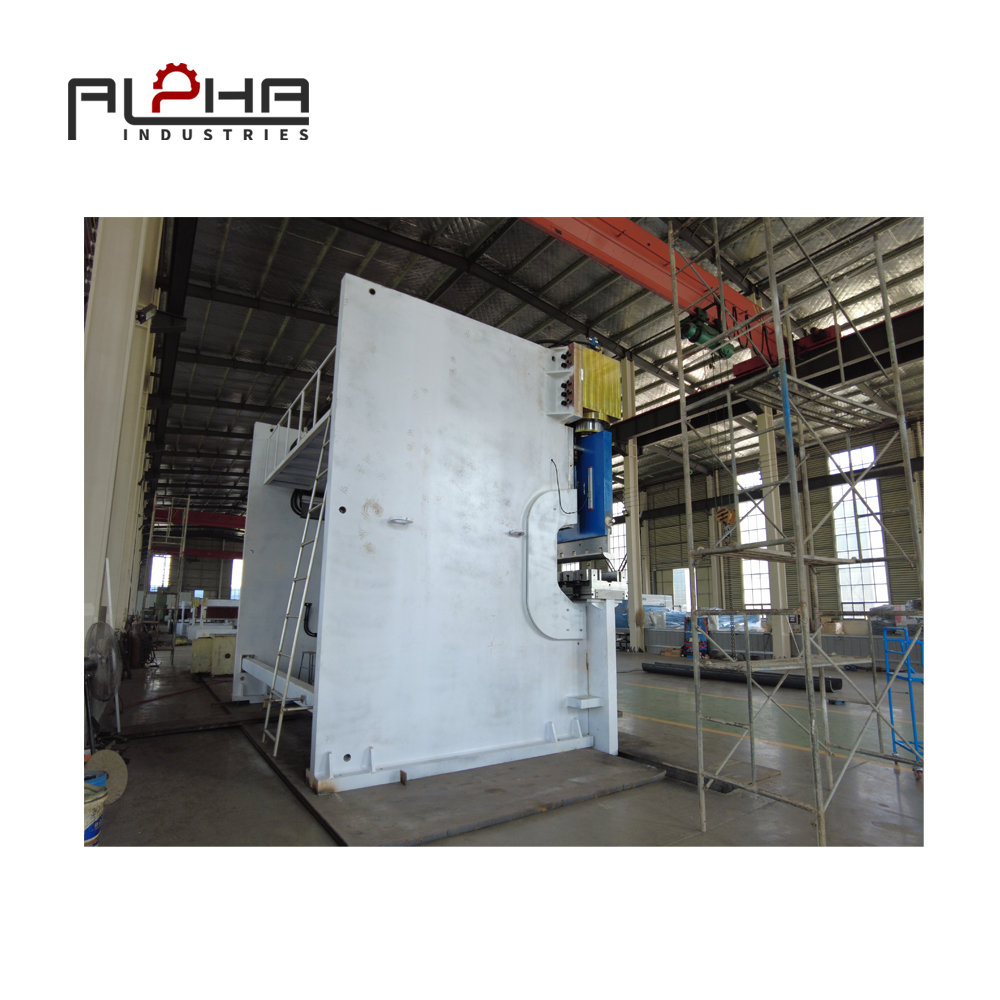


The Long-Part Bending Accuracy Challenge Is Becoming More Serious Across the Americas
Across North America, Central America, and South America, manufacturers are increasingly producing larger fabricated components.
Industries such as:
- Construction equipment
- Transportation
- Commercial vehicles
- Agricultural machinery
- Energy infrastructure
- Steel structures
- Heavy equipment
- Shipbuilding
- HVAC and industrial systems
often require long sheet metal components that cannot be efficiently processed using a standard single-machine press brake.
These components may include:
- Long structural profiles
- Large brackets
- Steel frames
- Equipment panels
- Truck and trailer components
- Heavy-duty enclosures
- Long channels
- Industrial support structures
For manufacturers, bending a long workpiece introduces a completely different set of challenges compared with bending smaller sheet metal parts.
The problem is not simply generating enough bending force.
The real challenge is maintaining consistent bending accuracy across the entire length of the workpiece.
This is where a dual-machine tandem press brake becomes increasingly important.
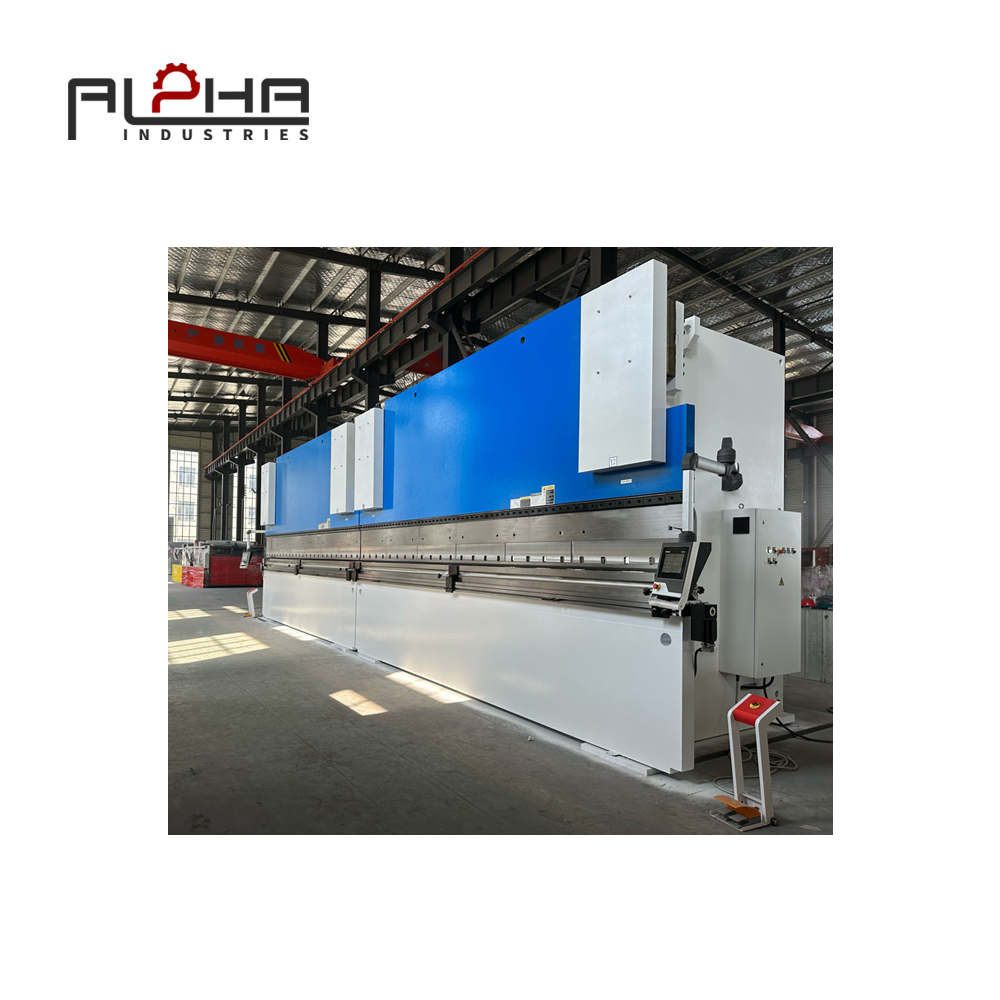
Why Long Sheet Metal Parts Are Difficult to Bend Accurately
When manufacturers bend a short component, controlling the bending angle is relatively straightforward.
However, as the workpiece becomes longer, several technical problems become more significant.
Workpiece Deflection
Long metal sheets naturally experience deflection during handling and bending.
If the workpiece is not properly supported, its own weight can create uneven loading conditions.
This may result in:
- Angle inconsistency
- Positioning errors
- Uneven bends
- Operator difficulties
- Reduced repeatability
For manufacturers producing long and heavy components, manual handling can also become a major production bottleneck.
Uneven Bending Force Distribution
A long workpiece requires bending force to be distributed correctly across the entire bending length.
If the machine structure, ram movement, or tooling setup is not properly coordinated, different sections of the workpiece may experience slightly different bending conditions.
The result can be:
- Different bending angles from one end to the other
- Excessive material stress
- Inconsistent part geometry
- Increased inspection requirements
- More rework
Even small deviations can become expensive when the components are used in structural assemblies.
Ram Synchronization Errors
One of the most important technical challenges in long-part bending is synchronization.
When two press brakes are used together, both machines must move as one coordinated system.
If synchronization is not precise, manufacturers may experience:
- Uneven ram positions
- Angle differences
- Material distortion
- Tooling stress
- Damage to expensive workpieces
For this reason, a tandem press brake system must provide highly reliable synchronization between the two machines.
What Is a Dual-Machine Tandem Press Brake?
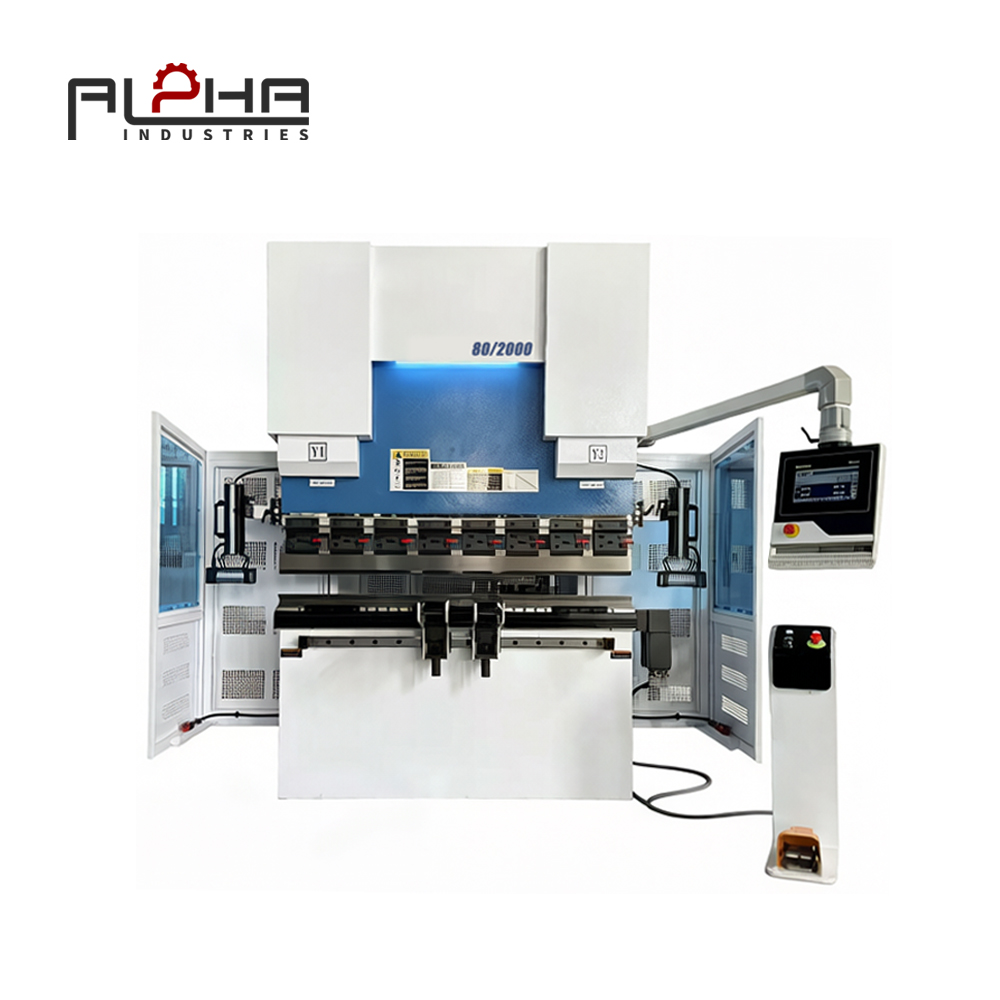
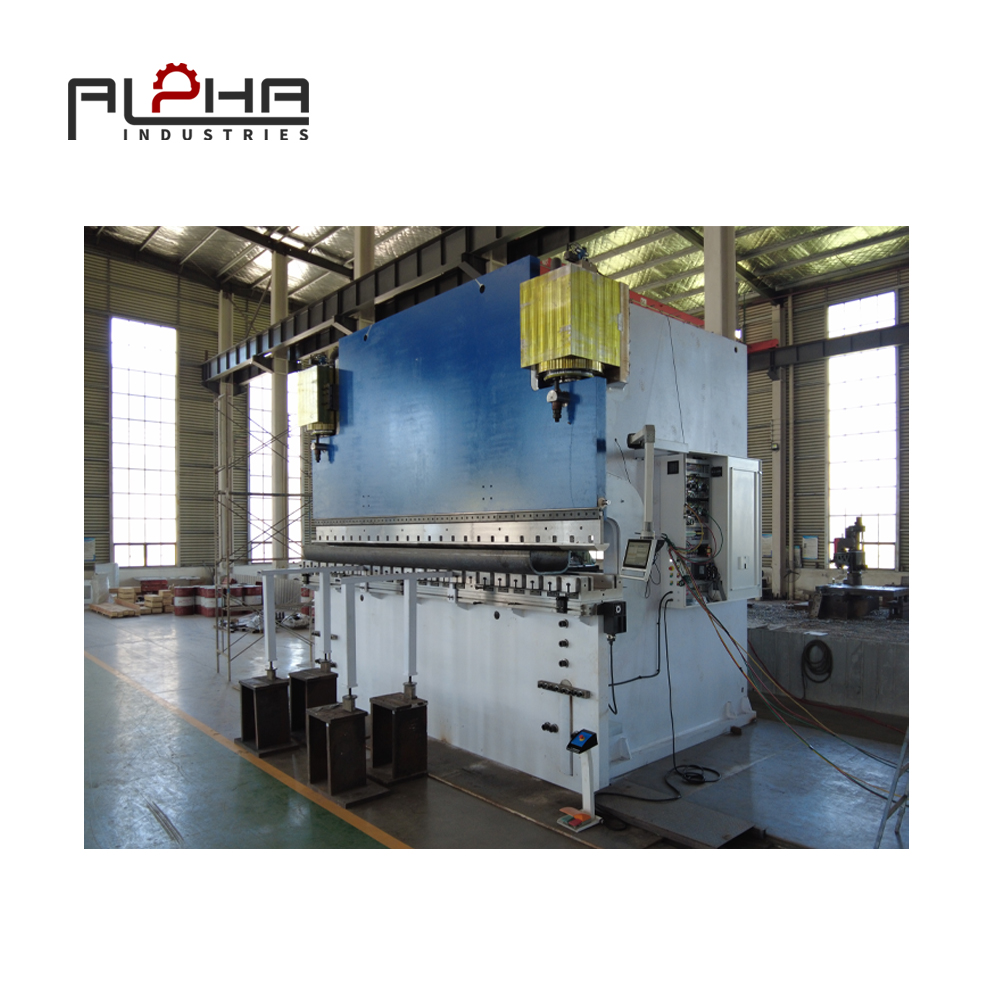
A dual-machine tandem press brake consists of two press brakes installed and configured to operate together through a synchronized control system.
Instead of functioning as two independent machines, the two press brakes can be electronically coordinated to create one larger bending platform.
This configuration allows manufacturers to process workpieces that are significantly longer than the bending capacity of a single machine.
Depending on production requirements, the machines can typically operate in different modes.
Tandem Mode
In tandem mode, both machines operate together.
The CNC system synchronizes critical movements, allowing the two press brakes to function as one coordinated system for bending extra-long workpieces.
This is particularly valuable for manufacturers producing:
- Long structural components
- Large panels
- Heavy-duty profiles
- Transportation components
- Industrial frames
Independent Mode
A major advantage of a dual-machine configuration is production flexibility.
When long workpieces are not being processed, the two machines may be used independently for separate bending operations.
This means manufacturers can potentially increase equipment utilization rather than dedicating an oversized machine exclusively to occasional long-part production.
For factories with changing production requirements, this flexibility can be an important investment advantage.
The Core Technology: CNC Synchronization Between Two Press Brakes
The most important feature of a tandem press brake is not simply placing two machines next to each other.
The real value comes from the synchronization technology.
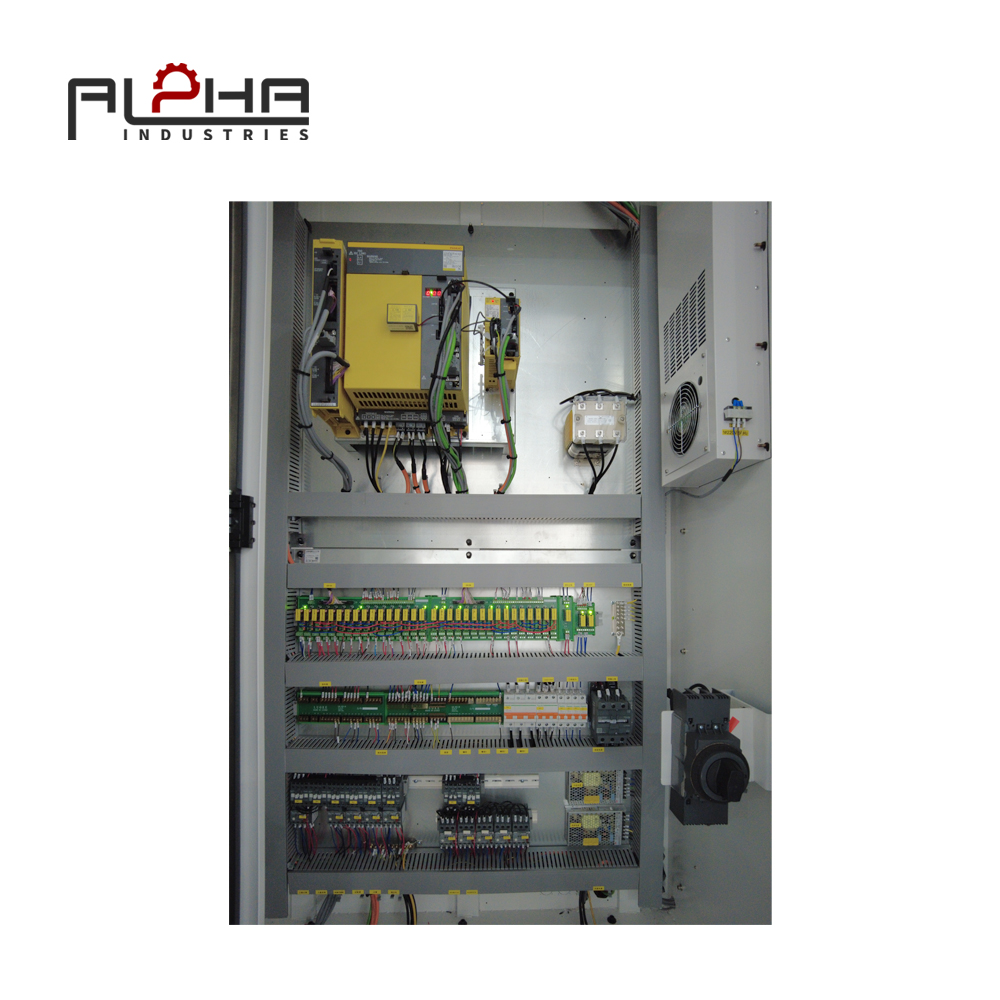
A professional CNC tandem press brake system must coordinate multiple machine movements.
These may include:
- Ram movement
- Bending depth
- Stroke position
- Machine speed
- Bending sequence
- Backgauge positioning
- Safety functions
The objective is to ensure that both machines perform the bending operation as a coordinated production system.
If one machine reaches a different position or moves differently from the other, the final bending result can be affected.
Therefore, synchronization accuracy is one of the most important considerations when selecting a tandem bending solution.
How Tandem Press Brakes Improve Long-Part Bending Accuracy
1. Coordinated Ram Movement
The synchronized movement of the two press brakes helps maintain a consistent bending process across a long workpiece.
Instead of treating the component as two separate bending operations, the CNC system coordinates the machines as one system.
This improves consistency and reduces the risk of angle differences between sections of the workpiece.
2. Better Control of Long Workpieces
Long workpieces are more difficult to position manually.
A tandem press brake provides a larger working area and coordinated bending platform, allowing operators to manage oversized components more effectively.
Additional material support and automation options can further improve handling.
For manufacturers dealing with heavy and long components, improved handling can directly contribute to better bending consistency.
3. Reduced Repositioning Errors
Without sufficient bending length, manufacturers may attempt alternative production methods.
For example, they may:
- Bend separate sections
- Reposition the workpiece multiple times
- Weld smaller components together
- Outsource oversized bending operations
These approaches can increase production complexity.
Every additional repositioning step introduces another opportunity for dimensional error.
A tandem press brake allows the workpiece to be processed across a longer continuous bending length, reducing unnecessary repositioning.
4. More Consistent Production Across Large Components
Consistency becomes particularly important when manufacturers produce multiple long components that must fit together.
Examples include:
- Vehicle frames
- Structural assemblies
- Equipment housings
- Large industrial panels
If the bending angle varies between parts, assembly operations become more difficult.
A synchronized tandem press brake helps manufacturers improve repeatability across production batches.
Why Accuracy Problems Create Major Costs for Manufacturers
In many factories, bending errors are not isolated problems.
They create additional costs throughout the production process.
A small bending deviation may lead to:
- Additional inspection
- Rework
- Material waste
- Welding corrections
- Assembly problems
- Production delays
- Customer quality complaints
For large fabricated components, the cost of a rejected part can be significant.
The material itself may already represent a major investment.
Additional processes may have already been completed, including:
- Laser cutting
- Welding
- Machining
- Surface preparation
If the bending operation creates an unacceptable dimensional error, much of the previous production value may be lost.
This is why manufacturers are increasingly focusing on first-pass accuracy.
The Growing Pressure to Reduce Rework in the Americas
Manufacturers across the Americas continue to face pressure to improve operational efficiency.
Common challenges include:
- Rising labor costs
- Skilled operator shortages
- Material price fluctuations
- Long production lead times
- High transportation costs
- Increasing customer quality requirements
Under these conditions, rework is becoming increasingly expensive.
A production strategy based on repeatedly correcting bending errors is no longer efficient.
Manufacturers need equipment that helps improve consistency during the first bending operation.
A properly configured tandem press brake system can support this objective by providing greater bending capacity while maintaining coordinated machine movement.
Tandem Press Brake vs. One Extra-Large Press Brake
When manufacturers need to bend long workpieces, they often consider two options:
- One extremely large press brake
- Two synchronized press brakes operating in tandem
Both options can provide significant bending capacity.
However, a tandem configuration offers several potential operational advantages.
Production Flexibility
A very large single press brake is primarily dedicated to large components.
A dual-machine tandem system can provide more flexibility because the machines may be used together or separately, depending on the configuration and production requirements.
Equipment Utilization
Factories do not always produce oversized components continuously.
When long-part production is limited, using two machines independently may help improve overall equipment utilization.
Production Scheduling
Independent operation can provide greater flexibility for production scheduling.
For example, one machine can process one type of component while the other handles a different production task.
When an oversized workpiece arrives, both machines can be switched to synchronized tandem operation.
Important Factors When Selecting a Tandem Press Brake
Manufacturers should not select a tandem press brake based only on total tonnage or total bending length.
Several technical factors should be evaluated.
Synchronization System
The CNC synchronization system is one of the most important elements.
Manufacturers should understand how the two machines coordinate movement and maintain positioning consistency during bending.
Frame Consistency
The structural design of both press brakes should be properly matched.
Differences in machine behavior can affect long-part bending performance.
A tandem system should be engineered as a coordinated solution rather than simply combining unrelated machines.
CNC Control Capability
The control system should support tandem operation and complex bending sequences.
Important functions may include:
- Multi-axis control
- Program management
- Automatic bending sequence calculation
- Position monitoring
- Tandem synchronization
The control system should also support efficient programming for the types of components produced by the factory.
Tooling Compatibility
Long workpieces require properly configured tooling.
Manufacturers should evaluate:
- Tool length
- Tool alignment
- Tool strength
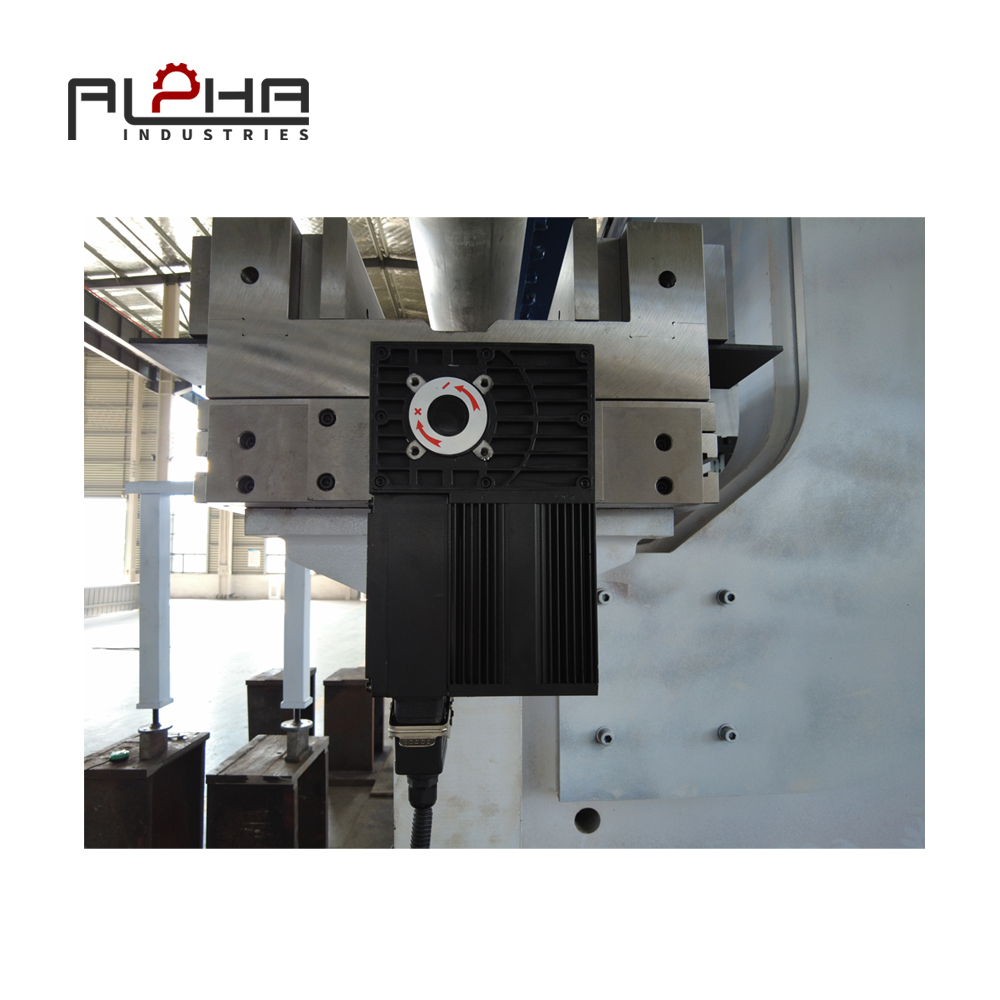
- Tool clamping
- Tool change requirements
Incorrect tooling setup can reduce the benefits of even the most advanced tandem press brake system.
Material Handling
For long and heavy workpieces, material handling should be considered as part of the complete solution.
Optional equipment may include:
- Sheet followers
- Front support systems
- Automated loading
- Material handling devices
Improving workpiece support can help operators maintain better control during bending.
Applications of Dual-Machine Tandem Press Brakes
A tandem CNC press brake is particularly suitable for manufacturers producing oversized fabricated components.
Common applications include:
Transportation Equipment
Long metal components are widely used in:
- Truck manufacturing
- Trailers
- Railway equipment
- Commercial vehicles
Consistent bending accuracy is important because components often need to fit into larger assemblies.
Heavy Equipment Manufacturing
Construction and industrial equipment frequently require:
- Large frames
- Structural panels
- Heavy-duty supports
- Reinforced components
A tandem press brake can provide the bending length required for these applications.
Steel Structure Fabrication
Long profiles and fabricated steel components are common in industrial construction.
A synchronized press brake can help manufacturers process longer workpieces while reducing the need for additional assembly operations.
Energy and Infrastructure
Large fabricated metal components are used in:
- Energy systems
- Industrial infrastructure
- Equipment enclosures
- Structural installations
Long bending capacity can help manufacturers process components more efficiently.
How Alpha Supports Tandem Press Brake Manufacturing Requirements
Alpha provides press brake solutions designed for different levels of production requirements, including applications involving large and long sheet metal components.
For manufacturers requiring extended bending capacity, a dual-machine tandem press brake solution can be configured based on factors such as:
- Required bending length
- Material thickness
- Material type
- Required bending force
- Production volume
- Automation requirements
- Factory layout
- Finished part dimensions
The objective is not simply to provide the largest machine.
The objective is to develop a bending solution that matches the customer's actual production process.
For long-part manufacturing, machine selection should begin with the workpiece.
Manufacturers should first analyze:
- Maximum part length
- Material thickness
- Material grade
- Bending angle requirements
- Number of bends
- Production volume
- Required repeatability
Based on this information, Alpha can help evaluate an appropriate tandem press brake configuration.
Frequently Asked Questions About Tandem Press Brakes
What is a tandem press brake?
A tandem press brake consists of two press brakes synchronized through a control system so they can operate together when bending extra-long workpieces.
Can two press brakes operate independently?
Depending on the machine configuration and control system, dual-machine tandem press brakes can operate independently for separate production tasks and together for oversized workpieces.
Why is synchronization important in tandem bending?
Synchronization helps ensure coordinated ram movement and bending performance across the full length of a long workpiece.
What industries use tandem press brakes?
Tandem press brakes are commonly used in transportation, heavy equipment, steel fabrication, infrastructure, energy, and other industries that produce large fabricated metal components.
How do I choose the correct tandem press brake size?
The correct configuration depends on workpiece length, material thickness, material type, bending requirements, production volume, and other technical factors.
Can a tandem press brake reduce welding operations?
For some applications, processing a longer component as one piece can reduce the need to manufacture and join multiple smaller sections. The actual result depends on part design and production requirements.
The Future of Long Sheet Metal Bending Is More Flexible and More Accurate
Manufacturers are increasingly being asked to produce larger components with tighter quality requirements and shorter delivery times.
At the same time, factories must control labor costs, reduce material waste, and improve production efficiency.
For companies producing extra-long sheet metal components, a dual-machine tandem press brake provides a practical solution to one of the most important manufacturing challenges: maintaining consistent bending accuracy across long workpieces.
By combining two synchronized press brakes into one coordinated bending system, manufacturers can increase bending length while maintaining production flexibility.
For factories across the Americas, the ability to reduce rework, improve first-pass accuracy, and process larger components efficiently can provide a significant competitive advantage.
Contact Us to discuss your workpiece size, material, bending requirements, and production goals. Alpha can help evaluate a suitable tandem press brake configuration for your application.