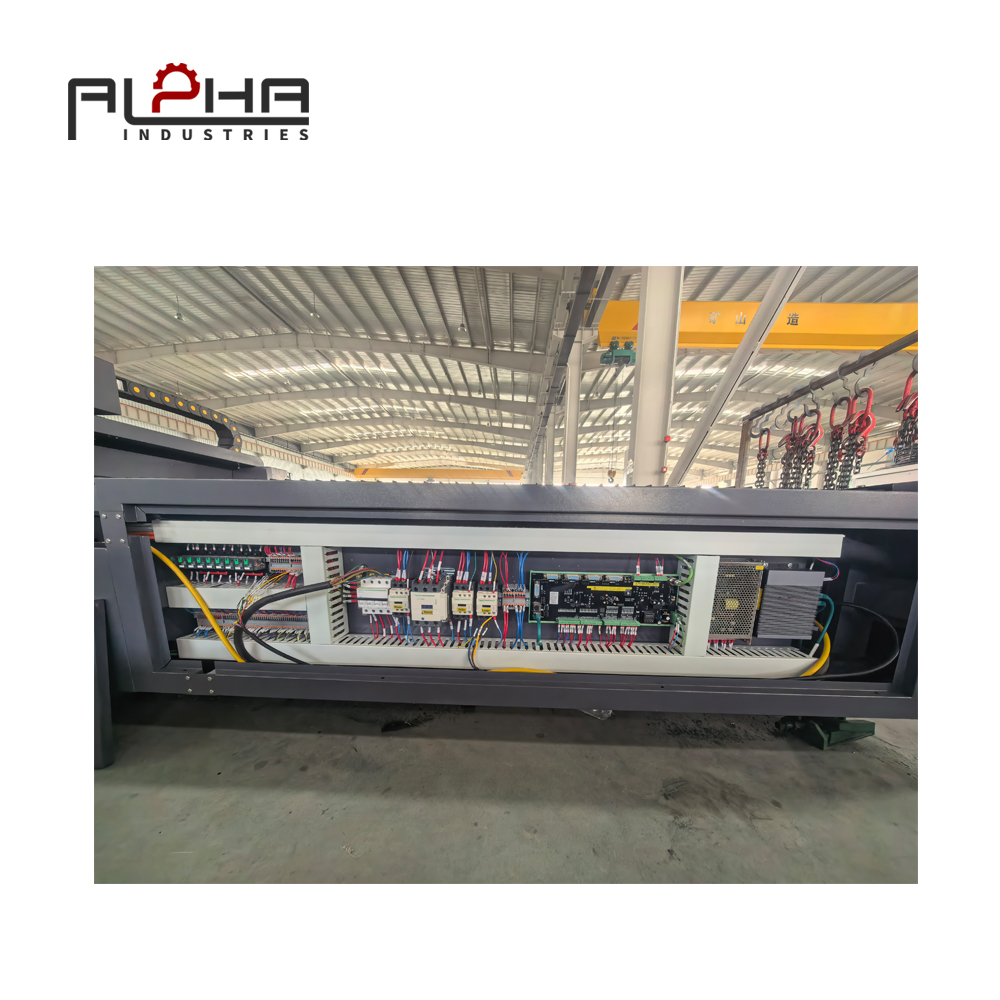


Laser Cutting Machine Solution for Skilled Labor Shortage in Brazil & Mexico
Core Industry Challenge: Skilled Operator Shortage in South America
In Brazil and Mexico, one of the most pressing yet underestimated challenges in metal fabrication is the shortage of highly skilled machine operators and technicians.
While demand for metal products continues to grow, many factories struggle to find experienced personnel capable of operating traditional cutting systems efficiently.
This creates major production challenges, including:
- Inconsistent product quality
- High dependency on experienced workers
- Long training cycles for new operators
- Increased labor-related production errors
As a result, manufacturing scalability and competitiveness are directly affected.
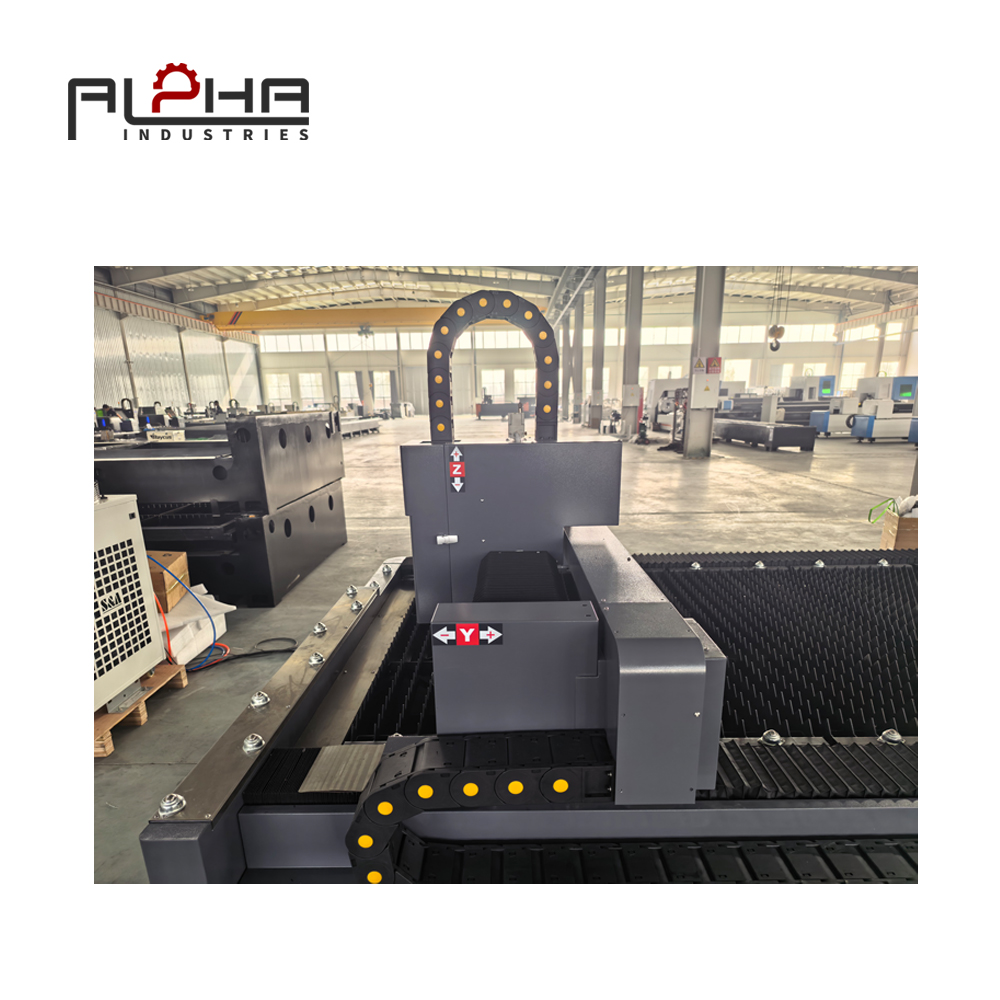
Why Operator Shortage Is Critical in Brazil & Mexico
Aging Workforce and Expanding Skill Gap
Many experienced operators are retiring, while younger workers often lack:
- Hands-on machining experience
- CNC programming knowledge
- Material cutting optimization skills
This creates a widening technical gap across the metal fabrication industry.
High Training Costs and Long Learning Cycles
Traditional cutting systems require operators to learn:
- Manual parameter adjustments
- Cutting speed calibration
- Material-specific settings
- Machine maintenance procedures
Training a skilled operator can take months or even years, slowing factory expansion and increasing operational costs.
Heavy Dependence on Human Experience
In many workshops:
- Machine performance depends heavily on operator experience
- Small mistakes lead to material waste or product defects
- Output quality varies between production shifts
This limits manufacturing consistency and production reliability.
Difficulty Scaling Production Capacity
Factories often struggle to scale because:
- Skilled labor is limited
- Training new staff takes significant time
- Production stability decreases during staff turnover
How Laser Cutting Machines Solve the Skilled Labor Problem
High Automation CNC Control System
Modern laser cutting machines significantly reduce dependency on human experience through:
- Automated cutting parameter selection
- Intelligent material recognition
- Pre-programmed cutting libraries
Operators only need basic training to run production efficiently.
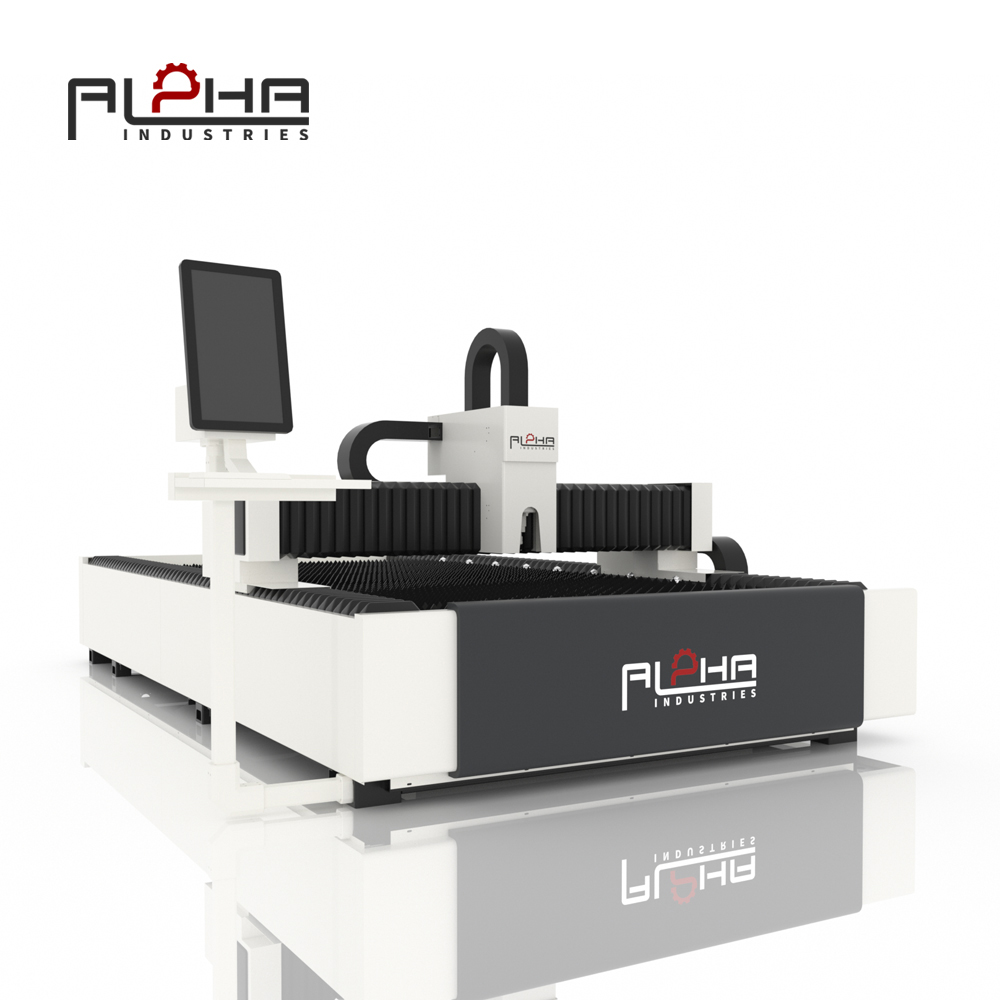
User-Friendly Machine Interface
Unlike traditional cutting systems, modern fiber laser cutting machines feature:
- Touchscreen CNC interfaces
- Visual operation guidance
- Simplified programming workflows
This greatly reduces learning difficulty for new workers.
Smart Nesting and Automatic Optimization
Advanced laser cutting software automatically manages:
- Sheet layout optimization
- Cutting path planning
- Material utilization calculation
This removes the need for extensive manual expertise.
Stable Production Without Operator Dependency
Laser systems ensure consistent manufacturing quality regardless of operator skill level:
- Consistent cutting quality across shifts
- Reduced human error
- Stable production output
Reduced Maintenance Complexity
Modern laser cutting machines are designed with:
- Self-diagnosis systems
- Modular components
- Automated maintenance alerts
This minimizes technical dependence on specialized engineers.
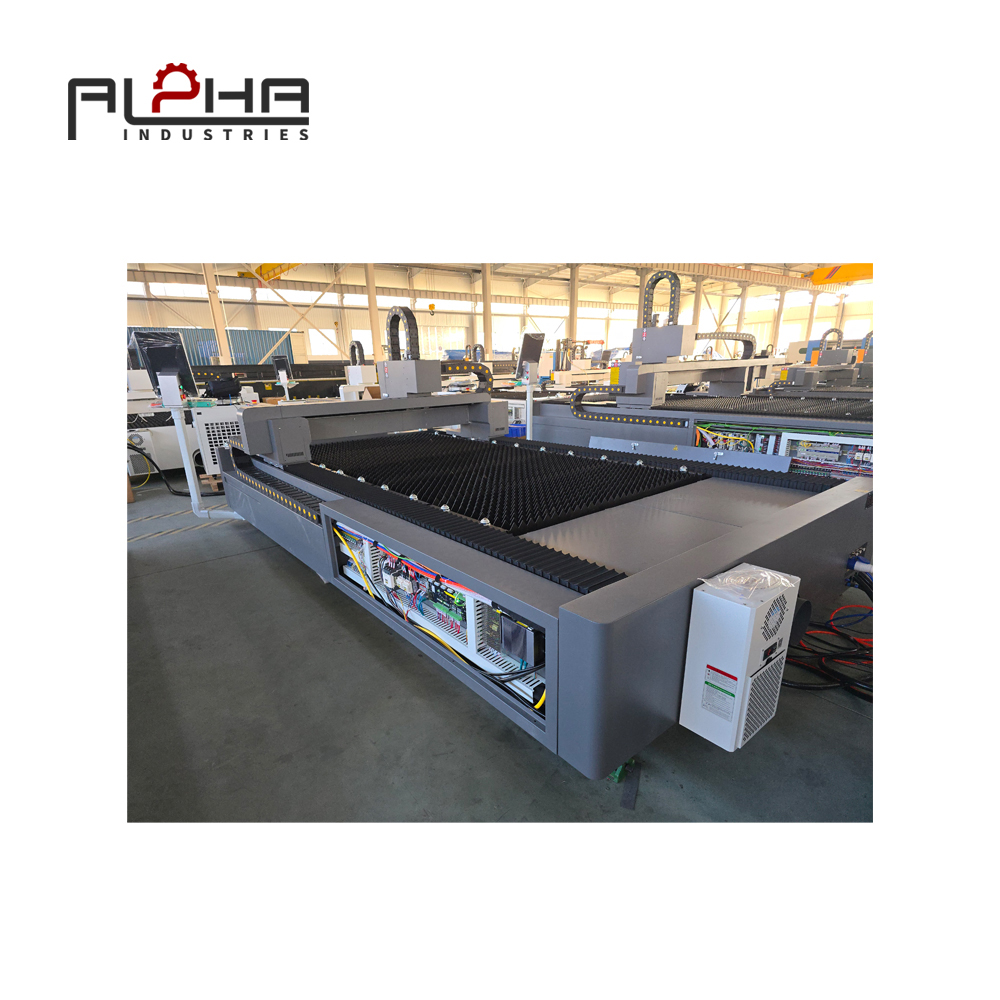
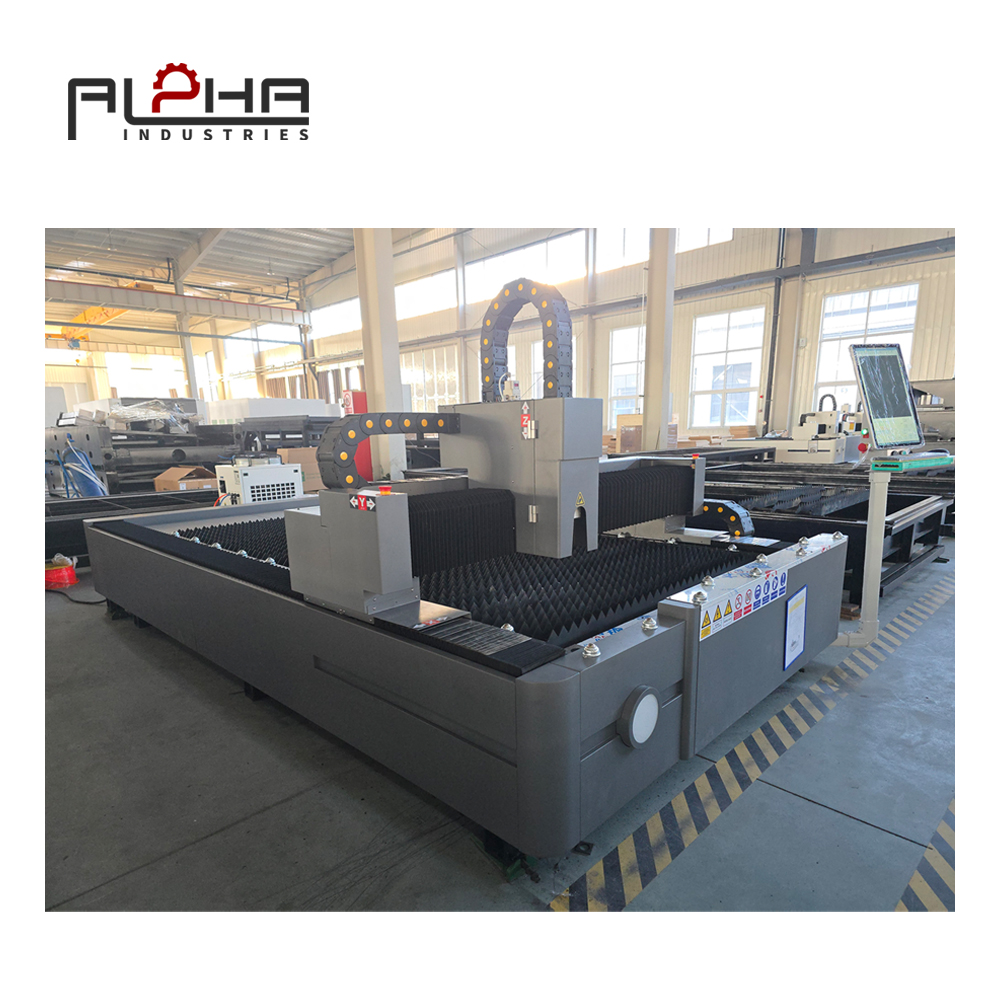
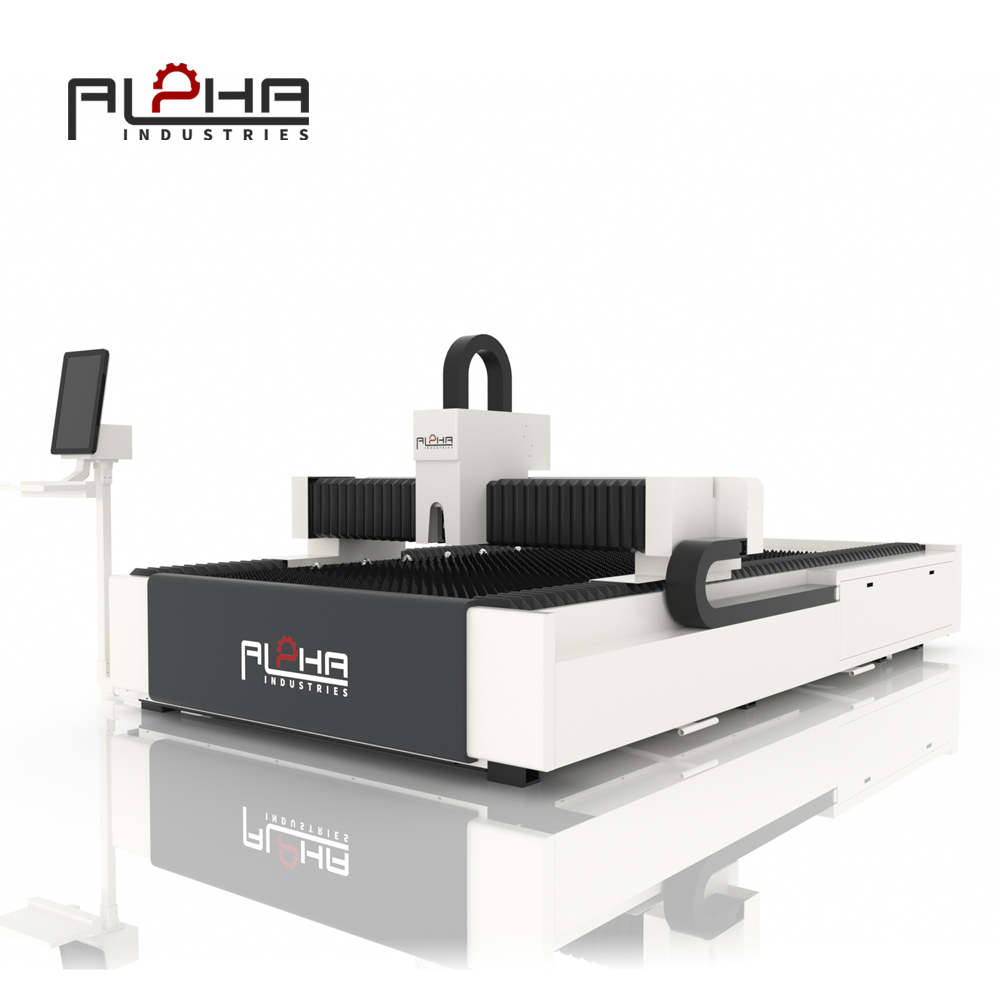
Alpha Laser Cutting Machine Solution
Alpha provides advanced industrial laser cutting systems designed specifically to address workforce challenges in global manufacturing markets, including Brazil and Mexico.
Low Skill Requirement Operation
Operators can quickly learn system operation with minimal training.
Intelligent CNC Automation
Built-in smart control systems reduce manual intervention during production.
Stable Industrial Performance
Alpha laser cutting machines ensure consistent output regardless of operator experience level.
Training-Friendly System Design
Simplified machine interfaces reduce onboarding time for new operators.
Industrial Applications in Brazil & Mexico
Laser cutting machines are widely used in industries facing labor shortages, including:
- Automotive component manufacturing
- Agricultural machinery production
- Construction steel fabrication
- Electrical cabinet production
- General metal processing workshops
These industries benefit greatly from reduced operator dependency and improved automation.
Economic Impact of Automation in Labor-Limited Markets
By reducing reliance on skilled operators, manufacturers achieve:
- Lower labor training costs
- Faster production onboarding
- Reduced production errors
- Increased factory scalability
- Improved workforce flexibility
This is especially important in regions with unstable labor supply.
Transition from Manual Operation to Smart Manufacturing
South American factories are shifting from traditional manufacturing models toward intelligent automation systems.
Traditional Production Model
High skill dependency → Manual control → Variable quality
Modern Laser Manufacturing Model
Automation system → Simplified operation → Stable output
This transition represents a major industrial upgrade for manufacturers in Brazil and Mexico.
FAQ
Q1: Why is operator shortage a problem in Brazil and Mexico manufacturing?
Traditional machines require experienced workers, but the manufacturing industry faces a shortage of trained technical labor.
Q2: How does laser cutting reduce operator dependency?
Laser cutting machines use automated CNC systems and intelligent software that minimize manual operation and decision-making.
Q3: Is a laser cutting machine easy to operate for beginners?
Yes. Modern fiber laser machines are designed with user-friendly interfaces and automation features that simplify operation.
Q4: Does automation improve production quality?
Yes. Automation ensures stable and consistent cutting quality regardless of operator skill level.
Q5: Can factories reduce training costs with laser cutting machines?
Yes. Simplified operation systems significantly reduce operator training time and labor costs.
Technical Advantages Summary
- Fully automated CNC control system
- Intelligent cutting parameter management
- Smart nesting optimization software
- User-friendly interface design
- Stable output independent of operator skill
Industry Transformation in South America
Manufacturing industries in Brazil and Mexico are rapidly shifting toward:
- Smart automation systems
- Reduced labor dependency
- High-efficiency production models
- Simplified machine operation workflows
Laser cutting technology is becoming a key driver of this industrial transformation.
Productivity Improvement Through Automation
With advanced laser cutting machines, factories achieve:
- Faster onboarding of new operators
- Continuous production stability
- Reduced human error rates
- Higher overall output efficiency
This enables manufacturers to scale operations faster with fewer labor constraints.
Why Automation Matters More Than Ever
In today’s competitive global manufacturing environment:
- Labor costs continue rising
- Skilled workers are increasingly limited
- Production demands continue growing
Automation is no longer optional — it is essential for long-term competitiveness.
Alpha Global Solution Strategy
Alpha focuses on delivering:
- Smart industrial laser cutting systems
- Low operator dependency machines
- Stable production performance
- Easy-to-learn CNC technology
These solutions are specifically designed for emerging manufacturing markets such as Brazil and Mexico.
Solving the Labor Bottleneck in Manufacturing
In Brazil and Mexico, the shortage of skilled operators has become one of the biggest barriers to manufacturing growth.
By adopting advanced laser cutting machine technology from Alpha, factories can:
- Reduce dependency on skilled labor
- Improve production stability
- Lower training costs
- Scale operations faster
The transition toward automation is the key to long-term manufacturing competitiveness.
Contact Alpha for Smart Laser Cutting Solutions
If your factory is struggling with operator shortages or unstable production performance, Alpha provides advanced laser cutting solutions designed for easy operation and industrial efficiency.