

How Russian Manufacturers Can Improve VMC Production Efficiency Amid CNC Operator Shortages
The Skilled CNC Operator Shortage Is Becoming a Production Challenge
For many Russian manufacturing companies, finding suitable equipment is only one part of building a reliable production system. Finding and retaining experienced workers who can operate that equipment is another major concern.
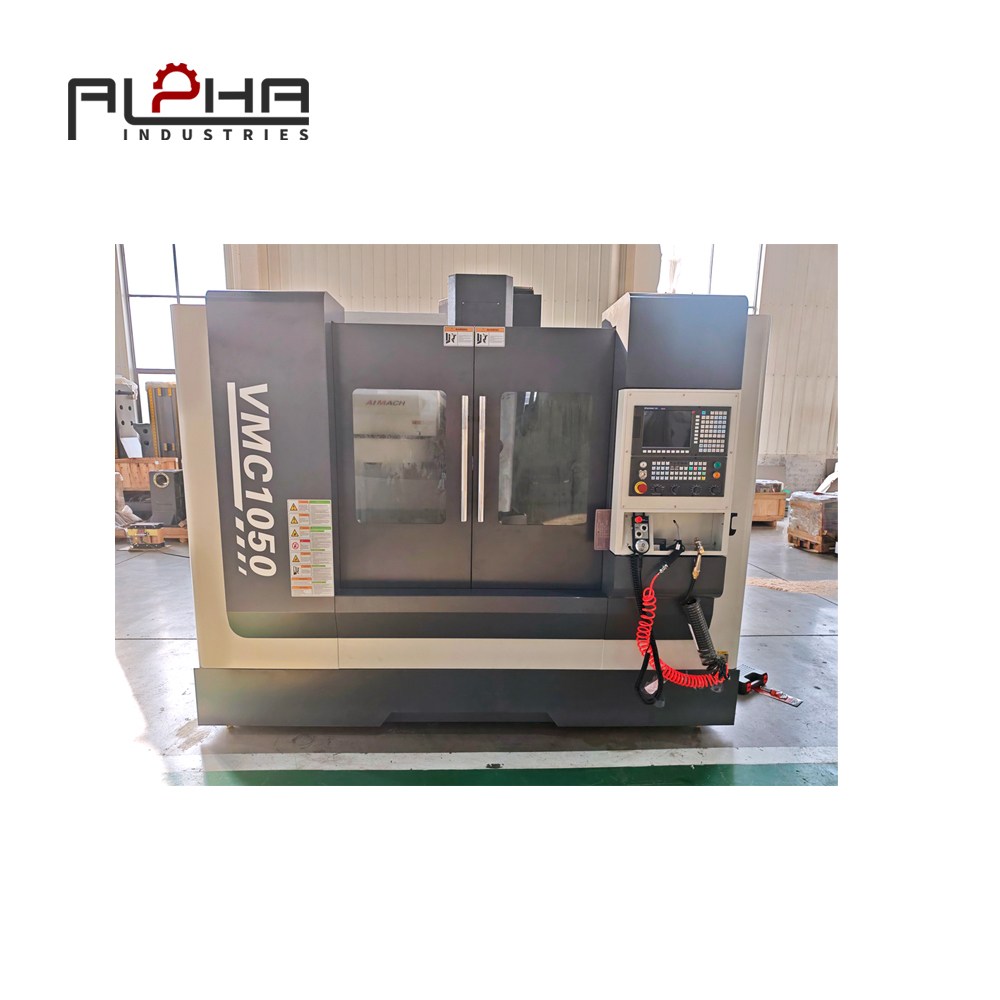
A modern vertical machining center can perform milling, drilling, boring, tapping, and other machining operations within one machine setup. However, its production performance still depends on operators, programmers, technicians, and production managers who understand the machining process.
When a workshop has only a few experienced CNC specialists, several problems may appear:
-
Production depends heavily on individual operators.
-
New employees require considerable training before working independently.
-
CNC programming becomes a bottleneck.
-
Incorrect tool offsets or workpiece positioning can cause rejected parts.
-
Machine utilization may decrease when experienced staff are unavailable.
-
Different operators may use inconsistent machining procedures.
-
Production managers may find it difficult to standardize work across shifts.
These issues are particularly relevant in Russia, where workforce availability has become a structural challenge for manufacturing.
A joint study by Yakov and Partners and the All-Russian Research Institute of Labor, published in April 2026, describes the growing workforce replacement demand in Russian manufacturing. It reports that the share of manufacturing employees under 30 declined from 22% to 12% over the previous decade. The study also identifies standardization, automation, high-performance technologies, and short-cycle workplace training as important responses.
This background highlights an important question for manufacturers:
How can a workshop maintain stable VMC production when experienced CNC operators are difficult to recruit and retain?
The answer is not simply to purchase a more advanced machine. A better approach is to combine suitable machine configuration, standardized machining processes, operator training, and practical production management.
This article explores how to put that approach into practice.
Understand How Operator Shortages Affect VMC Production
A VMC is capable of performing multiple machining operations, but its real production efficiency depends on how effectively the entire process is organized.
When skilled operators are limited, the problems often appear in several stages of production.
CNC Programming Becomes a Bottleneck
CNC programming requires knowledge of workpiece geometry, cutting tools, machining sequences, coordinate systems, cutting parameters, and machine capabilities.
A programmer must understand not only how to generate a toolpath but also how the selected machining strategy will perform on the actual machine.
If only one or two employees can prepare and verify programs, production may become dependent on their availability.
For example, a workshop may receive several different component orders in one week. Each component requires a different machining program, fixture arrangement, and tool selection.
If the programming process is not standardized, experienced staff may need to review every new job individually.
This can delay production preparation and limit the number of orders the workshop can process.
Workpiece Setup Depends on Operator Experience
Correct workpiece positioning is essential for machining accuracy.
Operators need to understand how to:
-
Select suitable fixtures.
-
Position and clamp workpieces.
-
Establish work coordinate systems.
-
Set tool length offsets.
-
Check tool diameter compensation.
-
Verify the first machining operation.
-
Confirm that the workpiece is securely fixed.
An experienced operator may complete these tasks efficiently because of practical knowledge developed over many years.
A less experienced operator may need additional supervision or take longer to complete the same preparation work.
Inconsistent setup methods can also create differences between production batches.
Different Operators May Produce Different Results
When machining procedures are not documented, operators may develop their own methods.
One employee may use a particular tool sequence, while another may approach the same component differently.
These differences can affect:
-
Machining cycle time.
-
Tool consumption.
-
Surface finish.
-
Dimensional consistency.
-
Inspection requirements.
-
Workpiece rejection rates.
The objective should be to establish a repeatable process that does not depend entirely on the personal experience of one employee.
Production Continuity Becomes More Difficult
If an experienced CNC operator is absent, leaves the company, or moves to another position, the workshop may struggle to continue certain jobs.
This is especially problematic when machine programs, tool information, and setup knowledge are stored informally.
A VMC investment should therefore be accompanied by a process for recording and sharing production knowledge.
Select a VMC That Is Practical for the Available Workforce
Machine selection should consider the skills and experience of the people who will operate it.
A machine with extensive functions is not automatically the best choice for every workshop.
The important question is whether the selected VMC provides the machining capability the business needs while remaining practical for its operators and maintenance team.
Choose a Suitable CNC Control System
The CNC controller is the main interface between the operator and the machine.
It allows users to load programs, set machining coordinates, manage tools, monitor machine conditions, and control production operations.
When evaluating a VMC, buyers should consider:
-
Controller manufacturer and model.
-
Interface layout.
-
Programming functions.
-
Tool and work coordinate management.
-
Available machining cycles.
-
Alarm information.
-
Program storage and transfer.
-
Training materials.
-
Language options, where available.
A familiar control system may reduce the learning curve for operators who already have experience with that platform.
However, buyers should not assume that every controller from the same manufacturer has identical functions.
The exact model, software version, machine configuration, and available options should be confirmed before purchase.
Prioritize Clear Operating Procedures
A machine should be supplied with understandable operating instructions and relevant technical documentation.
Operators need to know how to perform basic tasks safely and consistently.
These include:
-
Machine startup and shutdown.
-
Workpiece loading.
-
Tool installation.
-
CNC program selection.
-
Work coordinate setting.
-
Tool offset adjustment.
-
First-piece inspection.
-
Alarm response.
-
Routine cleaning and maintenance.
The supplier should clarify which manuals and training materials are included.
For Russian workshops, buyers should also discuss whether Russian-language documentation or suitable translation support is available.
Match Machine Capacity to Actual Workpieces
An oversized or unnecessarily complex machine may introduce additional operating requirements.
A machine with insufficient capacity, on the other hand, may require extra setups or special machining arrangements.
Buyers should evaluate:
-
Worktable dimensions.
-
X-, Y-, and Z-axis travel.
-
Maximum workpiece weight.
-
Spindle power and speed.
-
Tool magazine capacity.
-
Workpiece clamping requirements.
-
Available machining clearance.
The goal is to select a machine that can handle the workshop's typical components without creating unnecessary process complexity.
Consider Tool Magazine Capacity
An automatic tool changer can reduce manual tool replacement between machining operations.
For components requiring multiple tools, a suitable tool magazine can make the machining sequence more organized.
However, the required tool capacity should be determined by actual production needs.
Buyers should consider:
-
Number of tools required for typical components.
-
Maximum tool diameter.
-
Maximum tool length.
-
Maximum tool weight.
-
Tool interface.
-
Tool change requirements.
A larger tool magazine is not always necessary. The appropriate capacity depends on the number of machining operations and the variety of workpieces.
Standardize CNC Programs to Reduce Dependence on Individual Operators
One of the most effective ways to reduce dependence on individual employees is to standardize the machining process.
Instead of allowing each operator to create a separate approach for the same component, manufacturers can establish approved CNC programs and supporting production documents.
Build a Centralized CNC Program Library
A program library allows the workshop to store and manage verified machining programs.
Each program should be associated with relevant production information, such as:
-
Part number.
-
Workpiece drawing revision.
-
Material.
-
CNC program number.
-
Machine model.
-
Fixture arrangement.
-
Tool list.
-
Cutting parameters.
-
Inspection requirements.
-
Program revision.
This information makes it easier for another trained operator to understand how a component should be produced.
It also reduces the risk of using an outdated program.
Establish Program Version Control
When a CNC program is modified, the workshop should record the change.
For example, a programmer may adjust the toolpath to improve surface finish or reduce machining time.
Without version control, operators may accidentally use different program versions for the same component.
A practical system should identify:
-
Original program.
-
Approved production version.
-
Modification date.
-
Reason for modification.
-
Responsible person.
-
Verification result.
Only authorized personnel should approve production program changes.
This helps maintain consistency between shifts and production batches.
Create Standard Setup Sheets
A setup sheet provides operators with the information required to prepare the machine.
A useful setup sheet may include:
|
Information |
Purpose |
|---|---|
|
Part number |
Identifies the workpiece |
|
Drawing revision |
Confirms the correct technical drawing |
|
Workpiece material |
Defines machining requirements |
|
Fixture information |
Shows the approved clamping arrangement |
|
Tool list |
Identifies required cutting tools |
|
Tool offsets |
Provides reference information |
|
Work coordinate |
Identifies the approved coordinate setup |
|
CNC program |
Links the correct program |
|
Inspection points |
Defines important quality checks |
The setup sheet should match the actual machine and production process.
It should not replace operator training or machine safety procedures.
Instead, it gives operators a consistent reference for preparing repeat production jobs.
Use Standard Tool Lists
A workshop that frequently produces similar components can benefit from standardized tooling arrangements.
For example, common operations may use:
-
Face milling cutters.
-
End mills.
-
Drills.
-
Taps.
-
Boring tools.
-
Chamfering tools.
-
Finishing cutters.
The specific tool selection must be based on the material, workpiece geometry, machine capability, and required quality.
A standard tool list makes it easier to prepare the machine before a production order begins.
It can also simplify tool replacement and communication between programmers and operators.
Simplify Workpiece Setup and First-Piece Verification
A standardized setup process helps less experienced operators perform routine tasks more consistently.
The objective is to reduce avoidable errors while keeping essential inspection and safety checks in place.
Use Suitable Workholding Solutions
Workholding has a direct influence on machining accuracy and operator workload.
A suitable fixture should hold the workpiece securely and provide appropriate access for the cutting tools.
Depending on the workpiece, possible solutions include:
-
Standard machine vises.
-
Clamping kits.
-
Modular fixtures.
-
Dedicated fixtures.
-
Angle plates.
-
Custom workholding devices.
The choice depends on component geometry, production volume, cutting forces, and required positioning accuracy.
For workshops producing multiple part types, modular workholding may offer flexibility.
For repeated production of the same component, a dedicated fixture may help improve setup consistency.
Clearly Identify Workpiece Positioning Points
Operators should have clear instructions for positioning the workpiece.
These may include:
-
Reference surfaces.
-
Locating pins.
-
Fixture stops.
-
Clamping positions.
-
Coordinate reference points.
Clear setup instructions help reduce differences between operators.
They also make it easier for supervisors to verify whether the machine has been prepared correctly.
Establish a First-Piece Inspection Procedure
The first machined component should be checked against the relevant drawing and quality requirements.
Depending on the part, inspection may include:
-
Overall dimensions.
-
Hole positions.
-
Hole diameters.
-
Pocket dimensions.
-
Surface finish.
-
Geometric tolerances.
-
Critical reference features.
The inspection method and measuring equipment should be appropriate for the required tolerances.
Only after the first piece has been verified should the workshop proceed according to its approved production procedure.
This process helps prevent a setup or programming error from affecting an entire batch.
Make Setup Information Available at the Machine
Operators should not need to search through multiple folders or contact different departments to find basic production information.
Where practical, setup sheets, tool lists, and approved programs should be organized so that authorized personnel can access the correct information efficiently.
The specific method may be a controlled paper document system, a shared production database, or suitable manufacturing software.
The most important point is that information should be accurate, accessible, and properly controlled.
Build a Practical CNC Operator Training System
A VMC can support efficient production, but it cannot replace the need for trained personnel.
A practical training system helps new employees develop the skills required to operate the machine safely and consistently.
Divide Training into Different Skill Levels
Training should be organized according to the employee's responsibilities and existing experience.
A useful structure includes three levels.
Level 1: Basic Machine Operation
Employees should understand:
-
Machine startup and shutdown.
-
Emergency stop functions.
-
Basic control panel operation.
-
Workpiece loading.
-
Tool installation under approved procedures.
-
Program selection.
-
Basic machine status monitoring.
-
Safe working practices.
Level 2: Production Setup and Operation
After gaining basic experience, operators can develop skills in:
-
Workpiece clamping.
-
Work coordinate setting.
-
Tool offset management.
-
First-piece inspection.
-
Routine tool replacement.
-
Basic alarm identification.
-
Production record keeping.
Level 3: Advanced Machining and Process Management
More experienced personnel may take responsibility for:
-
CNC program editing.
-
CAM-related work.
-
Cutting parameter optimization.
-
Complex fixture planning.
-
Process verification.
-
Advanced troubleshooting.
-
Training other operators.
This structure helps the workshop distribute responsibilities instead of expecting every employee to perform every technical task.
Use Real Production Components During Training
Training is more useful when it is connected to the actual work performed by the factory.
Instead of teaching only general controller functions, instructors can use representative components.
A training process may include:
-
Reviewing the engineering drawing.
-
Identifying the workpiece material.
-
Selecting the fixture.
-
Preparing the required tools.
-
Loading the approved CNC program.
-
Checking work and tool coordinates.
-
Running the machining process under supervision.
-
Measuring the finished component.
-
Recording the results.
This approach helps employees understand how different machine operations are connected.
Create Simple Operating Checklists
A checklist can help operators remember important preparation and inspection tasks.
For example, a pre-production checklist may include:
-
Confirm the correct workpiece drawing.
-
Check the workpiece material.
-
Verify the fixture arrangement.
-
Confirm tool identification.
-
Load the approved CNC program.
-
Check coordinate and offset information.
-
Confirm workpiece clamping.
-
Verify machine safety conditions.
-
Complete the required first-piece inspection.
The checklist should be adapted to the actual machine and process.
It should not encourage operators to skip technical checks or perform tasks outside their training.
Cross-Train Employees
A workshop should avoid placing all production knowledge in the hands of one individual.
Cross-training allows more than one qualified employee to understand important production processes.
For example:
-
Two operators may be trained to run the same VMC.
-
A programmer may document the machining sequence for a regular part.
-
A maintenance technician may understand basic machine inspection procedures.
-
A production supervisor may know how to access approved program records.
This does not mean every employee needs advanced programming skills.
The goal is to ensure that essential production tasks can continue when one specialist is unavailable.
Use Automation to Reduce Repetitive Manual Work
Automation can help a workshop improve production consistency when skilled labor is limited.
However, the right automation level depends on workpiece type, production volume, available investment, and technical capabilities.
A small workshop does not necessarily need a fully automated production line.
In many cases, basic automation and standardized workholding can provide a more practical starting point.
Automatic Tool Changing
An ATC allows the machine to change tools according to the CNC program.
This reduces the need for manual tool changes between machining operations.
It can also make multi-operation machining more organized.
When selecting a VMC, buyers should confirm tool magazine capacity, tool weight limits, tool dimensions, and compatibility with the required tool holders.
Workholding Improvements
Suitable fixtures can reduce the time and effort required for repeated workpiece positioning.
For example, a dedicated fixture may help operators locate a particular component consistently.
Modular fixtures may be useful when the workshop handles different workpiece types.
The best option depends on production volume and the degree of product variation.
Pallet Systems for Repeated Production
For suitable production applications, pallet systems can allow workpiece preparation to take place while the machine is performing another machining cycle.
This can help reduce machine waiting time.
However, pallet systems introduce additional requirements involving fixture design, workpiece positioning, safety, and process coordination.
They should be evaluated according to the expected production volume and available technical support.
Robotic Loading and Unloading
Robotic loading can reduce repetitive manual handling in stable, repeat production processes.
It may be suitable for workshops producing a relatively consistent range of components.
Before introducing robotic automation, manufacturers should consider:
-
Workpiece size and weight.
-
Part variation.
-
Gripping requirements.
-
Machine access.
-
Safety protection.
-
Production volume.
-
Programming requirements.
-
Maintenance resources.
For highly varied, low-volume production, manual loading with standardized fixtures may be more economical and easier to manage.
Choose Automation According to Workforce Capability
Automation itself requires technical knowledge.
Robotic systems, pallet changers, sensors, and integrated production equipment need installation, programming, maintenance, and troubleshooting.
Therefore, manufacturers should avoid introducing automation that exceeds the technical capabilities of their available workforce.
A phased approach is often more practical: improve process standardization first, then introduce additional automation when the production requirements justify it.
Improve VMC Production Planning When Experienced Operators Are Limited
Even a suitable VMC can become underutilized if production orders are not organized properly.
Production planning should consider the availability of operators, setup requirements, machining programs, and workpiece materials.
Group Similar Machining Operations
Where practical, similar components can be grouped according to:
-
Workpiece material.
-
Tool requirements.
-
Fixture arrangement.
-
Machining operations.
-
CNC program structure.
This may reduce unnecessary preparation work between production orders.
However, production grouping should also consider delivery deadlines and inventory requirements.
Prepare Tools and Materials Before Machine Loading
Operators should not need to leave the machine repeatedly to search for tools, fixtures, drawings, or materials.
Before a production order begins, the workshop can prepare:
-
Raw materials.
-
Workpiece drawings.
-
Approved CNC programs.
-
Fixtures.
-
Cutting tools.
-
Measuring instruments.
-
Required inspection documents.
This allows machine operators to focus on the actual production process.
Schedule Complex Jobs According to Available Skills
Not every job requires the same level of operator experience.
Routine components may be suitable for trained operators using approved programs and setup sheets.
More complicated parts may require experienced personnel for programming, fixture planning, or process verification.
Production managers should consider these differences when assigning work.
This helps prevent the limited number of advanced CNC specialists from becoming a bottleneck for every production order.
Monitor Machine Utilization
Machine utilization should be evaluated alongside operator availability.
Useful production indicators include:
-
Actual machining time.
-
Setup time.
-
Waiting time.
-
Program preparation time.
-
Number of accepted components.
-
First-pass yield.
-
Tool replacement frequency.
These indicators can help managers understand whether low output is caused by machine limitations, staffing problems, programming delays, or inefficient production organization.
Evaluate VMC Features That Support Easier Operation
When purchasing a VMC for a Russian workshop with limited experienced personnel, buyers should consider the following features and supporting arrangements.
|
VMC Feature |
Production Benefit |
What Buyers Should Confirm |
|---|---|---|
|
User-friendly CNC interface |
Helps operators manage routine machine tasks |
Controller model, functions, training |
|
Automatic tool changer |
Reduces manual tool changes |
Tool capacity and compatibility |
|
Clear machine documentation |
Supports consistent operation |
Manuals, drawings, maintenance instructions |
|
Suitable worktable dimensions |
Supports practical workpiece setup |
Table size, loading space, workpiece weight |
|
Reliable workholding arrangement |
Helps maintain positioning consistency |
Fixture options and clamping requirements |
|
Program storage and transfer |
Supports repeat production |
Supported interfaces and backup procedures |
|
Machine status and alarm information |
Helps operators identify machine conditions |
Alarm descriptions and troubleshooting documents |
|
Optional automation |
Reduces selected repetitive tasks |
Integration requirements and support |
These features should be evaluated as part of the complete machine configuration.
A machine with many advanced functions is not necessarily the most suitable option if the workshop cannot use or maintain them effectively.
A Practical Implementation Plan for Russian VMC Workshops
Improving production with a limited skilled workforce does not need to begin with a large automation investment.
A structured implementation plan can help manufacturers make improvements step by step.
Stage 1: Identify the Main Production Bottleneck
Start by identifying where the workshop loses the most production time.
Possible bottlenecks include:
-
CNC program preparation.
-
Workpiece setup.
-
Tool preparation.
-
Operator training.
-
First-piece inspection.
-
Machine waiting time.
-
Repeated programming errors.
The workshop should collect actual production information instead of assuming that the machine itself is the main problem.
Stage 2: Standardize the Most Frequently Produced Parts
Choose several regular components and prepare standardized production documents.
These may include:
-
Approved CNC programs.
-
Tool lists.
-
Setup sheets.
-
Fixture information.
-
Inspection requirements.
-
Program revision records.
Start with repeat orders because they provide a practical opportunity to test whether standardization improves consistency.
Stage 3: Train More Than One Operator
Identify employees who can be trained to operate the selected VMC.
Provide practical instruction using the workshop's actual components and approved production procedures.
For complex programming or maintenance work, retain qualified specialists and clearly define their responsibilities.
Stage 4: Review Suitable Automation Options
After standardizing the process, evaluate whether automatic tool changing, improved workholding, pallet systems, or robotic loading can reduce repetitive manual work.
Automation should address a clearly identified production problem.
Stage 5: Measure the Results
Compare production performance before and after the improvements.
Useful indicators include:
-
Accepted parts per shift.
-
Setup time per job.
-
Machine waiting time.
-
Operator intervention frequency.
-
First-pass yield.
-
Production cycle time.
-
Training time for new operators.
The purpose is to determine whether the changes improve production stability and make better use of available employees.
Questions Russian Buyers Should Ask Before Purchasing a VMC
When evaluating a VMC, manufacturers should discuss not only machining specifications but also the practical requirements of daily operation.
Is the CNC Controller Suitable for Our Operators?
Ask for the exact controller manufacturer and model.
Confirm whether existing employees have experience with the system and whether the supplier can provide suitable training.
Can the Supplier Provide Complete Operating Documentation?
Ask which operating manuals, electrical diagrams, maintenance instructions, and technical documents are included.
Also discuss language requirements.
Does the Machine Support the Required Machining Operations?
Confirm that the VMC can perform the milling, drilling, boring, tapping, and other operations required for the actual workpieces.
What Is the Automatic Tool Changer Configuration?
Check the tool magazine capacity, tool interface, maximum tool dimensions, and other relevant specifications.
Can the Supplier Provide Operator Training?
Clarify whether training is available, what topics it covers, how long it lasts, and whether it includes practical machine operation.
Can We Standardize Our CNC Programs?
Ask about supported program transfer methods, controller functions, backup procedures, and relevant technical documentation.
Which Automation Options Are Available?
Discuss suitable workholding solutions, pallet systems, and other optional equipment according to the workshop's production requirements.
What Support Is Available After Delivery?
Confirm the warranty scope, technical communication process, remote support arrangements, and spare parts identification procedures.
Frequently Asked Questions About VMC Operation and CNC Operator Shortages
How can a VMC help Russian manufacturers deal with CNC operator shortages?
A suitable VMC can consolidate several machining operations within one machine and support more standardized production procedures. When combined with approved CNC programs, setup sheets, operator training, and suitable workholding, it can help a workshop reduce unnecessary manual intervention and improve production consistency.
Does a modern VMC eliminate the need for experienced CNC operators?
No. A VMC still requires qualified personnel for programming, setup, tool selection, machining verification, maintenance, and troubleshooting. However, standardized processes and suitable machine functions can make routine production easier to manage and reduce dependence on individual employees.
Which VMC features are useful for workshops with inexperienced operators?
Useful considerations include a suitable CNC control system, clear operating documentation, automatic tool changing, appropriate workholding, understandable alarm information, and accessible training materials. The best configuration depends on the workpiece and the skills available in the workshop.
How can manufacturers reduce CNC operator training time?
Manufacturers can use structured training, practical exercises based on real components, standard setup sheets, approved CNC programs, and clear operating checklists. Training should be divided into basic operation, production setup, and advanced machining responsibilities.
Can automatic tool changing improve VMC productivity?
An automatic tool changer can reduce manual tool replacement between programmed machining operations. It is particularly useful for components requiring multiple tools. The actual benefit depends on the machining sequence, tool requirements, and production volume.
Is robotic loading suitable for every VMC workshop?
No. Robotic loading is more suitable for production processes with relatively stable workpiece dimensions, loading conditions, and repeated machining cycles. Workshops with highly varied, low-volume production may find standardized manual workholding more practical.
Why are standardized CNC programs important?
Standardized programs help ensure that the same approved machining process can be repeated by different trained operators. When combined with setup sheets, tool lists, and version control, they reduce reliance on informal knowledge and help maintain production consistency.
What should buyers check when selecting a VMC for a workshop with limited skilled labor?
Buyers should review the CNC controller, operating interface, machine capacity, tool magazine, workholding options, documentation, training availability, program management functions, and suitable automation options. They should also consider the experience of the employees who will operate and maintain the machine.
How can a workshop measure whether its VMC production process is improving?
Useful indicators include accepted parts per shift, setup time, machine waiting time, first-pass yield, cycle time, operator intervention frequency, and training progress. These indicators help identify whether process changes are improving actual production performance.
Can a small manufacturing company benefit from VMC automation?
Yes, but automation should match the company's production volume and technical capabilities. Improvements such as standardized fixtures, automatic tool changing, and organized CNC programs may be practical starting points before investing in more complex automated systems.
Conclusion: Build a More Consistent VMC Production Process with ALPHA
For Russian manufacturers, the shortage of skilled CNC operators is not simply a recruitment problem. It can influence production scheduling, machining consistency, machine utilization, and the ability to accept new orders.
A suitable VMC can support a more organized machining process, but long-term productivity depends on more than the machine itself.
Manufacturers should consider the CNC control system, operating procedures, tool magazine, workholding arrangement, program management, training requirements, and available automation options.
Standardized CNC programs, clear setup sheets, practical operator training, and well-organized production planning can help reduce dependence on individual specialists.
When these measures are combined with an appropriately configured vertical machining center, a workshop can establish a more repeatable production process and make better use of its available workforce.
ALPHA provides metalworking machinery solutions for industrial manufacturing applications. If your company is planning to purchase a VMC for a factory in Russia, our team can discuss your workpiece dimensions, material requirements, machining operations, production volume, CNC control preferences, and machine configuration.
Choose a VMC according to your actual production needs and build a more consistent CNC machining process with ALPHA.
Contact Us: https://alpha-cnc.com/contact-us