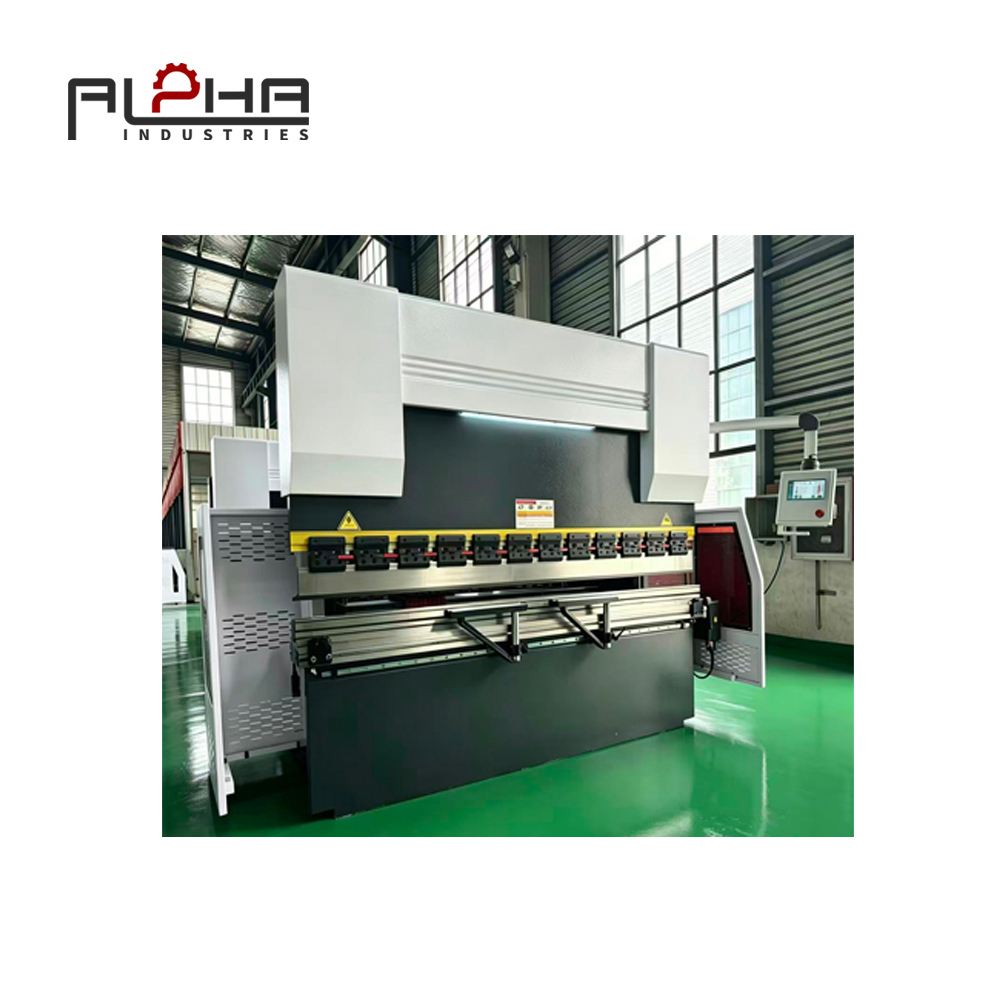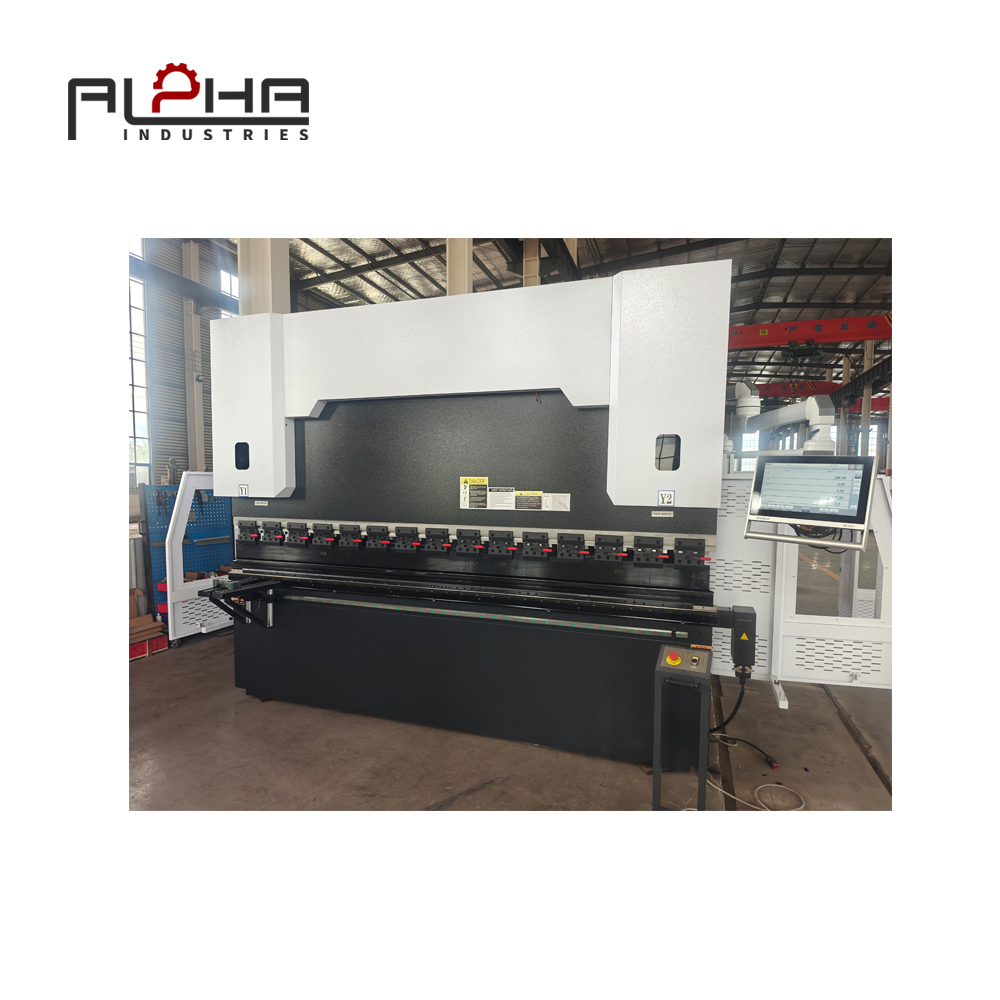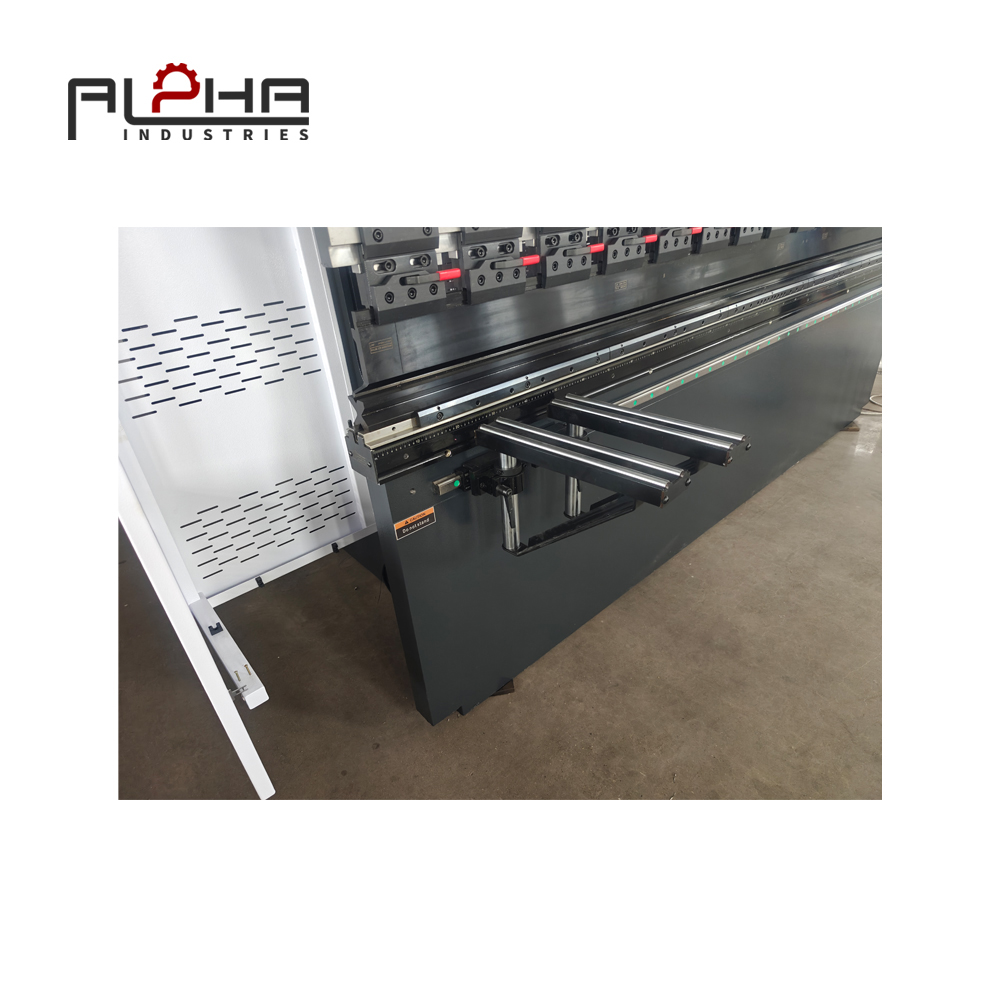


Why Large Sheet Metal Bending Is Becoming More Important in Mexico
Mexico has developed a strong manufacturing base serving the automotive, construction, electrical equipment, HVAC, agricultural machinery, and industrial equipment sectors.
As manufacturing operations expand, many companies are handling increasingly diverse sheet metal components. While small brackets and standard panels remain important products, larger components are also becoming a significant part of fabrication operations.
Examples include:
-
Large electrical control cabinet panels
-
Industrial equipment housings
-
Automotive structural components
-
HVAC ventilation panels and duct components
-
Construction machinery covers
-
Large metal frames and structural enclosures
-
Agricultural equipment panels
These products often require multiple bending operations, relatively long bending lengths, and careful control of material positioning.
For Mexican metal fabrication companies, processing large sheets efficiently is not simply a matter of purchasing a machine with higher tonnage.
The real challenge is coordinating machine capacity, working length, tooling configuration, material handling, and bending sequences.
A press brake that is suitable for small and medium-sized components may not be the most efficient solution for large sheet metal products.
Choosing the right equipment configuration is therefore essential for manufacturers seeking to increase production capacity without creating additional workflow problems.
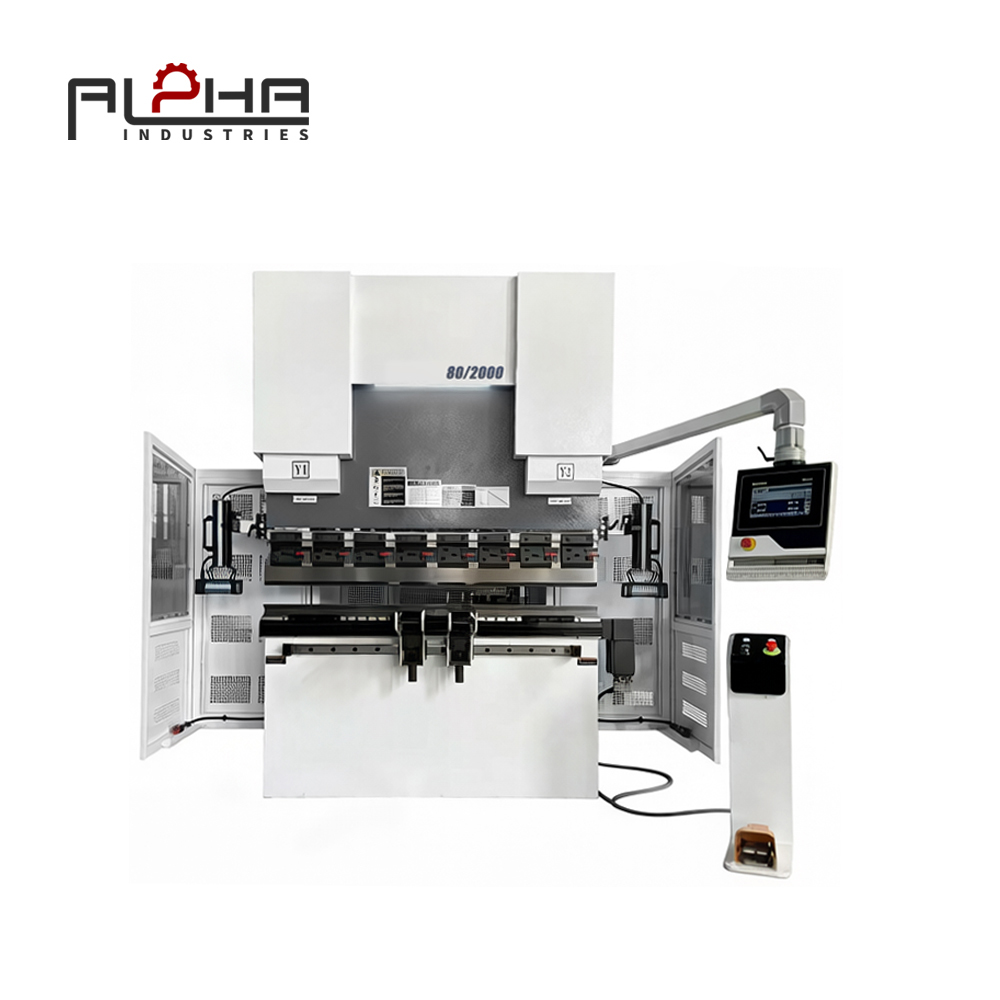
The Hidden Production Bottleneck: Handling Large Metal Sheets
One of the most overlooked challenges in large sheet metal bending is material handling.
When processing large or heavy metal sheets, operators must control the workpiece throughout the bending process.
Unlike small components that can be positioned relatively easily, large panels may require additional support and coordination.
During bending operations, several problems can occur.
Difficult Material Positioning
Large sheets are more difficult to align accurately against the backgauge.
If the material is not positioned correctly, the resulting bend may not meet the required dimensions.
This becomes particularly challenging when processing long panels or components with multiple bending edges.
Increased Operator Workload
Large workpieces require more attention during positioning, lifting, turning, and supporting.
Depending on the material dimensions and weight, operators may need additional assistance or mechanical handling equipment.
Without an appropriate material handling arrangement, machine operation can become slower and less predictable.
Complicated Multi-Step Bending Operations
Some large components require several bends in different directions.
The operator must consider the bending sequence, workpiece rotation, clearance between the finished flange and machine structure, and the possibility of interference with previously formed sections.
An unsuitable bending sequence can make subsequent operations difficult or even impossible.
For manufacturers processing different large components every day, these issues can reduce actual production capacity even when the press brake itself has sufficient mechanical capability.
How the Right Press Brake Configuration Improves Large-Part Production
Selecting a suitable press brake requires more than comparing machine prices and nominal tonnage.
Mexican manufacturers should evaluate several technical factors according to their actual product dimensions and production requirements.
Bending Length: Match the Machine to the Largest Workpiece
Bending length is one of the most important specifications when selecting a press brake for large sheet metal components.
A machine with insufficient working length cannot accommodate certain oversized workpieces.
Manufacturers should evaluate:
-
Maximum sheet width
-
Maximum bending length
-
Typical workpiece dimensions
-
Required bending positions
-
Future product size requirements
For companies producing large electrical enclosures, industrial panels, and structural sheet metal components, a longer working table can provide greater manufacturing flexibility.
However, selecting an unnecessarily large machine may increase the initial investment and operating requirements.
The objective should be to find a practical balance between current production needs and future capacity expansion.
Press Brake Tonnage: Understand the Real Bending Requirements
Machine tonnage directly affects the bending capacity of a press brake.
However, the required bending force is determined by several factors, including:
-
Material type
-
Sheet thickness
-
Bending length
-
Die opening
-
Tensile strength
-
Bending method
For example, bending a long stainless steel sheet requires different force calculations from bending a thinner mild steel panel of the same length.
If the selected machine has insufficient capacity, it may not achieve the required bending results.
On the other hand, purchasing excessive tonnage without considering actual production requirements can increase investment costs unnecessarily.
Manufacturers should calculate bending force based on their most demanding regular applications and allow an appropriate operating margin.
A professional equipment supplier can help evaluate these parameters before machine selection.
Open Height and Stroke: Avoid Interference During Bending
Large components frequently have complex geometries.
Some products require deep flanges, large return bends, or multiple bending operations.
In these applications, open height and ram stroke become particularly important.
Insufficient clearance may prevent operators from positioning the workpiece correctly or completing certain bending sequences.
Before purchasing a CNC press brake, manufacturers should evaluate the maximum component dimensions, flange heights, and bending sequence.
This helps prevent situations where the machine has sufficient tonnage and working length but cannot process a specific component because of structural limitations.
Backgauge Configuration: Improve Positioning for Different Components
The backgauge plays an important role in positioning sheet metal during bending.
For manufacturers processing different panel dimensions, a suitable backgauge configuration can improve positioning flexibility.
Depending on the application, CNC-controlled backgauge axes can help manage different positioning requirements and reduce repeated manual adjustments.
For large components, manufacturers should also consider whether the backgauge arrangement is compatible with the dimensions and geometry of their products.
The goal is to establish a repeatable positioning process rather than relying entirely on manual measurement.
Why Bending Sequence Planning Matters for Large Components
A large sheet metal component may require several bending operations before reaching its final shape.
The order of these operations directly influences production efficiency.
For example, a large electrical cabinet panel may require several side flanges and return bends.
If the bending sequence is not planned correctly, previously formed sections may interfere with the machine or tooling during later operations.
This can create unnecessary repositioning, additional handling, and production delays.
A more effective bending process should consider:
Workpiece Geometry
Evaluate the final dimensions, flange directions, and possible interference points before production begins.
Tooling Compatibility
Select suitable punches and dies according to material thickness, bend radius, and product geometry.
Bending Sequence
Arrange the bending operations to minimize unnecessary workpiece rotation and handling.
Operator Accessibility
Ensure that the workpiece can be positioned and supported safely throughout the bending process.
First-Piece Verification
Check critical dimensions and bending angles before continuing with the production batch.
With appropriate CNC programming and process planning, manufacturers can make complex bending jobs easier to repeat and manage.
Choosing Between Standard and CNC Press Brake Machines
For Mexican fabrication companies, the choice between a conventional hydraulic press brake and a CNC press brake depends on production requirements.
A conventional hydraulic press brake may be suitable for straightforward bending operations with relatively stable product designs.
However, manufacturers producing different panel dimensions, complex geometries, and frequent product changes may benefit from CNC-controlled equipment.
A CNC press brake offers advantages such as:
-
Programmable bending sequences
-
More convenient positioning adjustments
-
Repeatable production settings
-
Better management of different product specifications
-
Reduced dependence on repeated manual calculations
-
Greater flexibility for customized orders
These features can be particularly valuable for manufacturers supplying different customers across automotive, electrical equipment, HVAC, and industrial machinery markets.
Nevertheless, CNC capability should be evaluated together with the machine's mechanical structure, hydraulic system, controller, tooling, and actual application requirements.
A sophisticated controller alone cannot compensate for an unsuitable machine configuration.
What Should Mexican Manufacturers Check Before Purchasing a Press Brake?
Selecting a press brake is a long-term investment. Manufacturers should evaluate the entire production process rather than focusing exclusively on the machine quotation.
Important purchasing considerations include:
Maximum Workpiece Dimensions: Confirm the maximum sheet length, thickness, and geometry required by your production orders.
Bending Force: Calculate the required tonnage according to material properties, thickness, bending length, and tooling.
Machine Structure: Evaluate frame rigidity, working stability, and suitability for the intended production workload.
CNC Controller: Check programming functions, axis control, operator interface, and compatibility with production requirements.
Tooling Availability: Ensure that suitable punches and dies are available for your regular products and special bending applications.
Safety Configuration: Consider appropriate safety protection, operating procedures, and material handling arrangements.
Technical Support: Confirm the availability of installation guidance, operator training, spare parts, and after-sales assistance.
Future Production Flexibility: Consider whether the machine can accommodate new product dimensions and changing customer requirements.
A well-selected press brake should support the complete production process, from initial material positioning to the final inspection of the finished component.
How ALPHA Supports Sheet Metal Manufacturers in Mexico
For manufacturers in Mexico, investing in a press brake should be based on practical production requirements rather than machine specifications alone.
ALPHA focuses on metalworking machinery solutions for industrial manufacturers, helping customers evaluate equipment configurations according to their applications.
When selecting a CNC press brake, important considerations include working length, bending capacity, machine structure, CNC control, backgauge configuration, and tooling requirements.
Whether your company manufactures electrical enclosures, industrial equipment panels, automotive components, HVAC products, or large sheet metal structures, selecting an appropriate bending solution can help establish a more efficient production workflow.
ALPHA aims to provide practical machinery solutions for manufacturers seeking reliable sheet metal processing equipment and long-term production development.
Frequently Asked Questions About Press Brakes for Large Sheet Metal Processing
What is the most important specification when choosing a press brake for large sheets?
Bending length and tonnage are two essential specifications. However, open height, stroke, backgauge configuration, tooling, and workpiece geometry must also be considered. The best machine is the one that can handle your actual production requirements safely and efficiently.
How do I calculate the required press brake tonnage?
Required tonnage depends on material tensile strength, sheet thickness, bending length, and die opening. Manufacturers should calculate the required force using the actual material specifications and consult the equipment supplier before selecting a machine.
Is a CNC press brake suitable for large metal panels?
Yes. A properly configured CNC press brake can help manufacturers manage positioning, bending sequences, and repeat production more efficiently. The machine's working dimensions and structural capabilities must match the components being processed.
Can one press brake process different sheet metal products?
Yes. A suitably configured press brake can process different materials, thicknesses, and component geometries within its rated capacity. Appropriate tooling selection and CNC programming are important for efficient product changeovers.
What industries in Mexico commonly use press brake machines?
Press brakes are widely used in automotive component manufacturing, electrical cabinet production, HVAC fabrication, construction equipment, agricultural machinery, industrial machinery, and general metal fabrication.
Should I choose a longer press brake for future production needs?
A longer bending length can provide additional flexibility, especially if your company expects to process larger panels in the future. However, the investment should be based on realistic product dimensions, expected demand, available workshop space, and total production requirements.
Conclusion: Build a More Efficient Large Sheet Metal Bending Process
For Mexican metal fabrication companies, large sheet metal bending involves more than applying sufficient force to form a metal sheet.
Workpiece handling, bending length, machine capacity, tooling selection, and bending sequence planning all influence the final production result.
A properly selected press brake can help manufacturers reduce unnecessary handling, improve production organization, and process a wider range of sheet metal components.
Instead of choosing equipment based only on tonnage or purchase price, manufacturers should evaluate how the machine will perform within their complete production workflow.
Looking for a suitable CNC press brake for your sheet metal manufacturing business?
Contact ALPHA to discuss your bending requirements and explore suitable machine configurations.
Learn more about our machinery solutions:
Contact ALPHA: