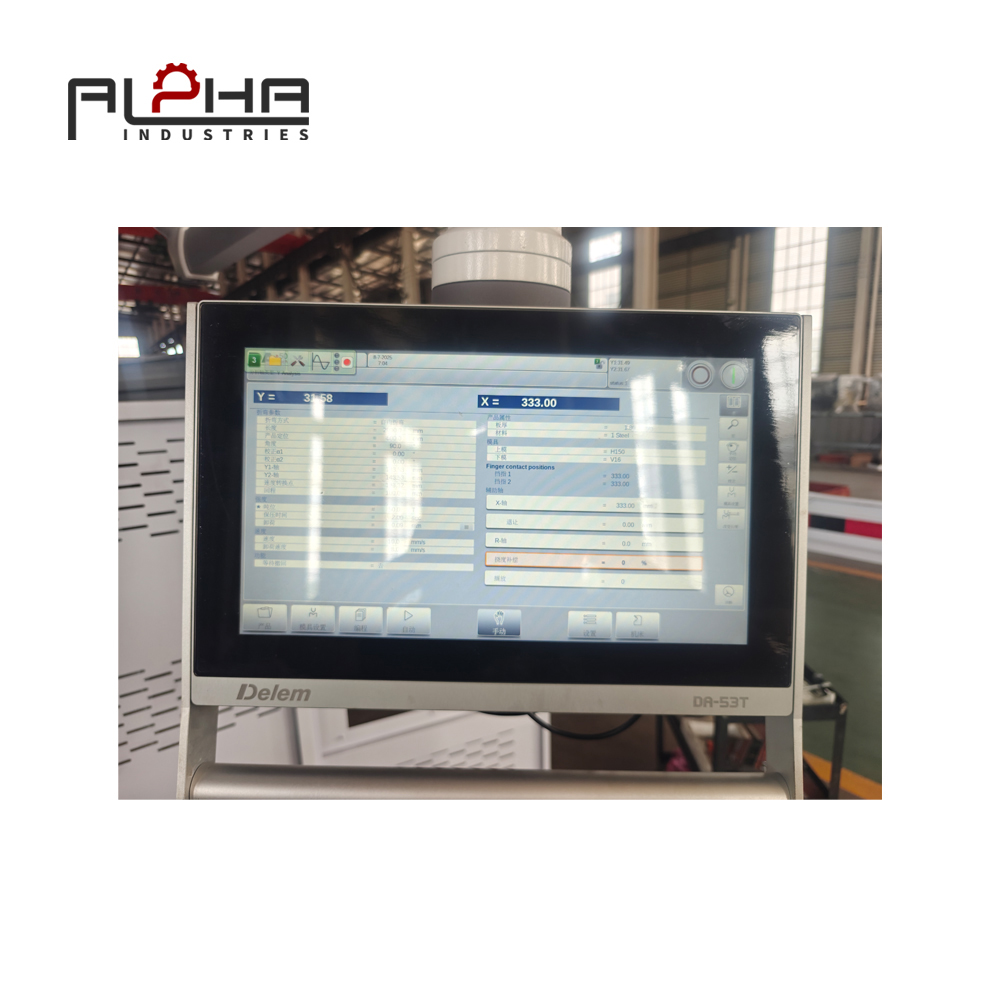


Why Press Brake Reliability Matters to Ukrainian Metal Manufacturers
For metal fabrication companies in Ukraine, maintaining stable production is about more than meeting daily output targets. Manufacturers must balance equipment investment, material costs, workforce availability, delivery schedules, and the practical challenges of operating industrial facilities in an uncertain business environment.
Press brakes are essential to many sheet metal production processes. They are used to manufacture electrical enclosures, machine covers, metal cabinets, brackets, ventilation components, construction parts, equipment frames, and a wide range of custom metal products.
When a press brake performs consistently, manufacturers can improve dimensional repeatability, reduce unnecessary adjustments, and maintain a more predictable workflow. When equipment is poorly matched to production requirements, the consequences may include excessive scrap, lengthy setup procedures, increased maintenance costs, and delays in downstream operations.
For Ukrainian manufacturers investing in new bending equipment, the key question is not simply which press brake offers the highest tonnage or lowest purchase price. It is which configuration can deliver reliable performance for the materials, components, and production conditions encountered every day.
A well-planned investment begins with understanding the factory's actual bending requirements and identifying the factors that most strongly influence production reliability.
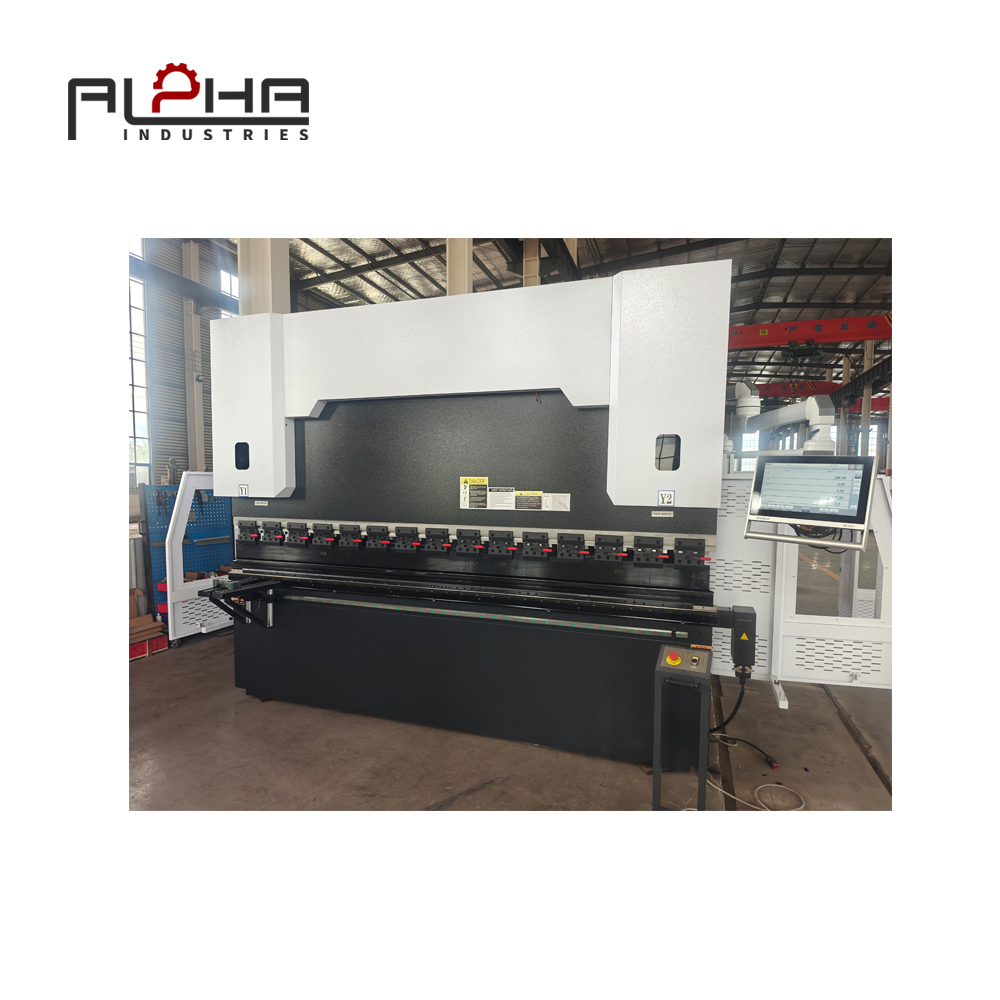
The Hidden Cost of Inconsistent Sheet Metal Bending
Bending defects can affect an entire manufacturing process. A component with an incorrect flange dimension or bend angle may not fit during assembly, even when the original blank has been cut accurately.
For example, a manufacturer producing electrical cabinets may need to maintain consistent dimensions across multiple panels. If the flange lengths or bend angles vary between parts, the assembly team may have to adjust components manually. This adds labor, slows production, and can affect the quality of the finished enclosure.
Similar problems occur when producing machinery housings, metal frames, industrial covers, and ventilation components.
Inconsistent bending may result from several interacting factors:
-
Incorrect selection of punch and die combinations.
-
Variations in material thickness or mechanical properties.
-
Inadequate compensation for springback.
-
Incorrect backgauge positioning.
-
Machine deflection during long bends.
-
Inconsistent operator setup procedures.
-
Poorly maintained tooling or machine components.
These problems cannot always be solved by purchasing a more expensive machine. In many cases, the better solution is to match the machine configuration to the workpiece requirements and establish a repeatable bending process.
For Ukrainian workshops managing material costs carefully, improving first-pass quality can be an important way to reduce waste without unnecessarily increasing equipment investment.
Selecting the Right Press Brake for Ukrainian Production Requirements
A press brake should be selected according to the components it will manufacture, not simply according to a general product category.
Before requesting quotations, manufacturers should identify the materials, thickness range, maximum bending length, required angles, flange dimensions, and expected production quantities.
This information helps suppliers determine the appropriate machine capacity, working dimensions, control configuration, and tooling package.
Match Bending Force to the Actual Material Range
Bending force depends on several factors, including material strength, sheet thickness, bending length, die opening, and the selected bending method.
A machine designed for thin mild steel may not be suitable for regularly bending thicker or higher-strength materials. At the same time, purchasing a substantially oversized machine without a clear production requirement can increase capital expenditure and may introduce additional operating considerations.
Manufacturers should provide representative component drawings and accurate material specifications when evaluating machine capacity.
The most demanding bending application should be assessed carefully, while the machine must also perform efficiently on the more common parts produced in daily operations.
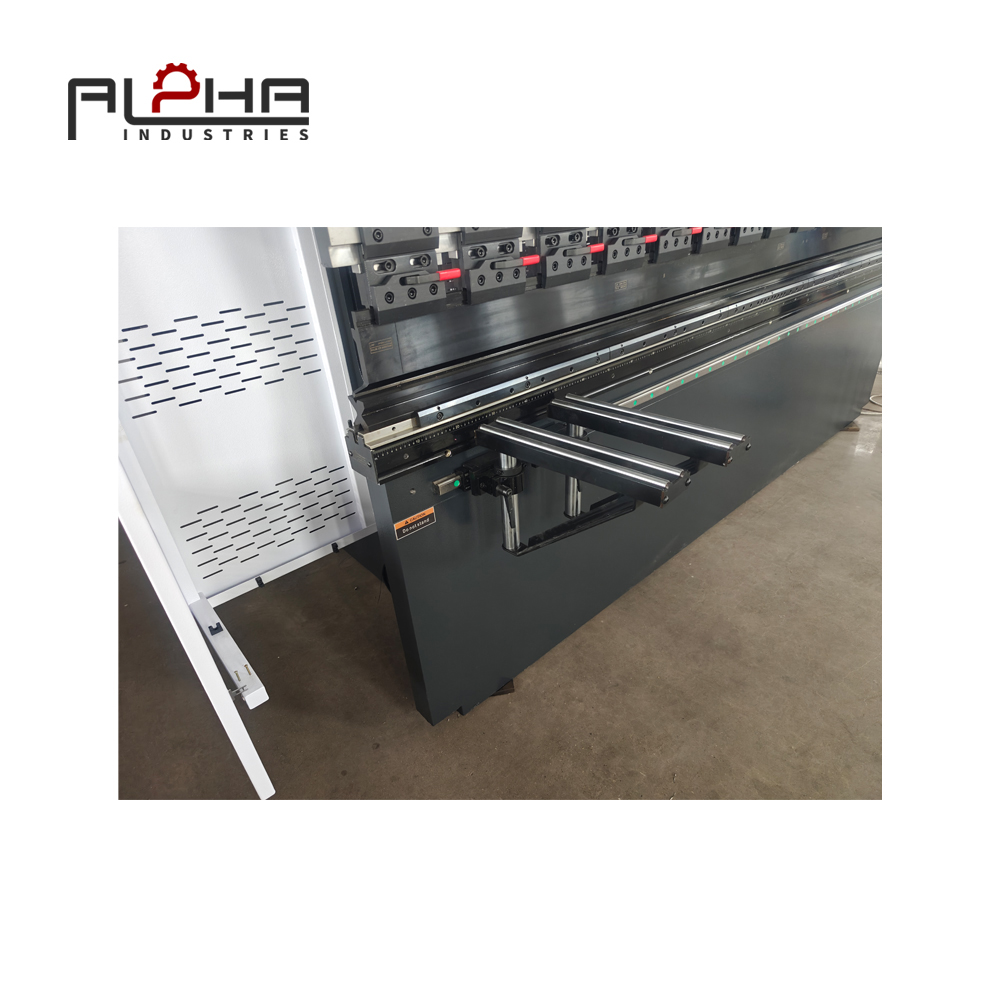
Important specifications include rated bending force, working length, ram stroke, open height, throat depth, backgauge travel, and tooling load limits.
These parameters should be considered together rather than evaluated independently.
Choose a Suitable Working Length
The bending length determines the maximum width of a workpiece that can be accommodated along the bending line, subject to the machine's configuration and operating limits.
A manufacturer producing narrow brackets and small equipment components may have different requirements from a factory forming long panels, large cabinet sides, or construction-related sheet metal parts.
Selecting an appropriate working length helps prevent unnecessary limitations when production orders change.
Buyers should consider not only the longest current component but also the likely dimensions of future products. This can help avoid purchasing a machine that becomes unsuitable when the business expands into a new product category.
However, longer machines should not be selected without considering the available workshop space, handling arrangements, installation requirements, and actual production demand.
Evaluate CNC Control According to Production Complexity
A CNC press brake can be particularly useful when a workshop handles multiple part geometries, frequent production changes, or bending sequences that require programmed positioning.
Depending on the controller and machine configuration, operators may be able to program bending sequences, coordinate backgauge movements, store frequently used jobs, and reduce repetitive manual adjustments.
For manufacturers producing large batches of relatively simple components, a less complex control configuration may still be appropriate.
The objective is to choose a control system that supports the required production process without adding unnecessary complexity.
Buyers should evaluate programming convenience, operator training requirements, supported axes, interface language, documentation, and compatibility with their existing manufacturing workflow.
A CNC controller does not automatically guarantee a finished part's accuracy. Correct tooling, reliable positioning, suitable material data, and consistent setup practices remain essential.
How Tooling Selection Influences Bending Accuracy
Tooling is one of the most important factors in press brake performance. The punch and die determine the bending geometry and influence the required force, inside radius, and final shape of the workpiece.
For Ukrainian manufacturers producing a broad range of sheet metal components, tooling compatibility deserves attention before a machine order is finalized.
The correct punch profile depends on the required geometry, while the die opening must suit the material thickness, bending method, and target bend radius. Special components, including deep boxes and complex flanges, may require dedicated tooling.
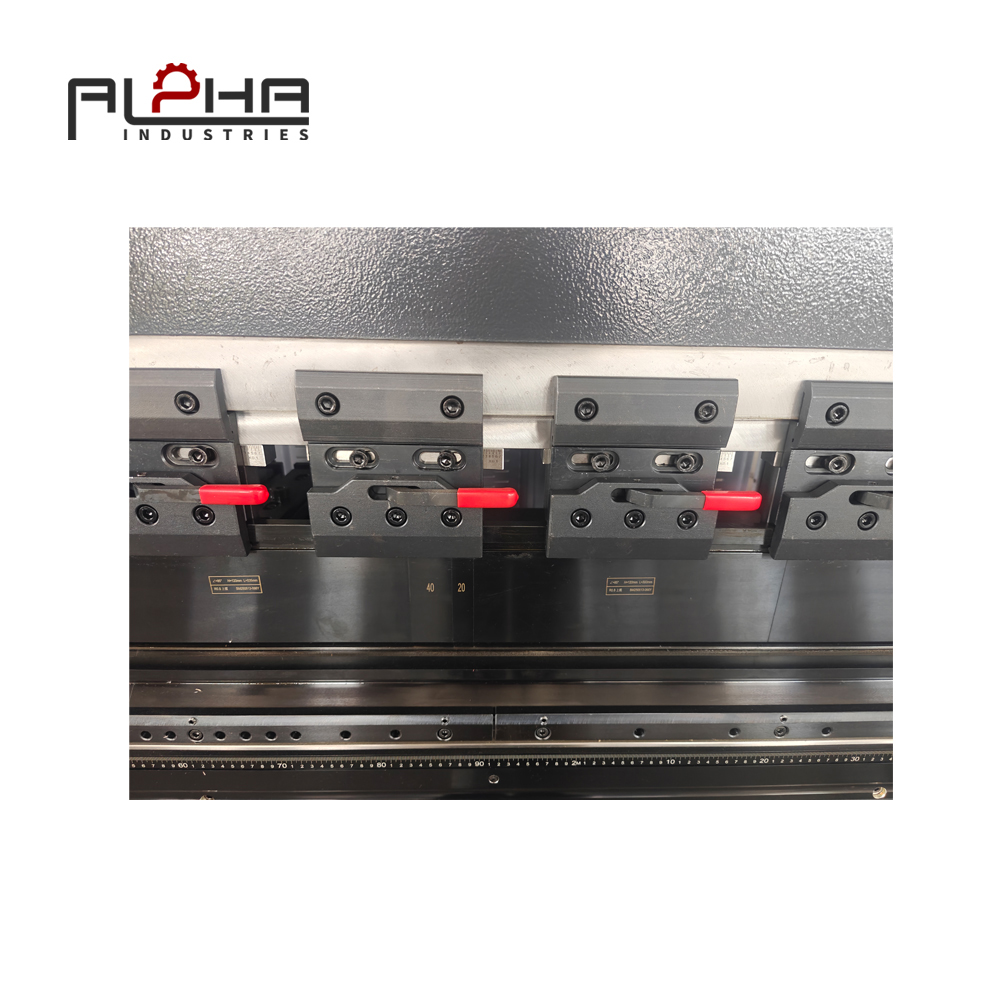
Buyers should confirm whether the proposed machine uses a compatible clamping system and whether existing punches and dies can be reused safely.
They should also verify tooling load ratings, holder compatibility, segment availability, and the availability of replacement components.
A well-planned tooling package can improve production flexibility and reduce the need for repeated purchases as the product range develops.
It is also important to distinguish between tooling availability and tooling suitability. A tool may physically fit the machine but still be unsuitable for a particular material, geometry, or required load.
The supplier should help verify that the proposed tooling is appropriate for the intended applications.
Managing Springback and Maintaining Consistent Bend Angles
Springback occurs when metal partially returns toward its original shape after the bending force is removed. Its magnitude depends on material properties, thickness, geometry, and the forming process.
If springback is not properly considered, a part may finish with an angle different from the target angle.
This can be particularly challenging when a factory processes different material grades or receives material from multiple suppliers. Even when nominal thicknesses are similar, differences in mechanical properties may affect the final result.
A reliable bending procedure should include material verification, suitable tooling selection, test bending, angle measurement, and controlled adjustment of the process.
For repeat production, storing verified programs and recording successful setup parameters can reduce preparation time and help operators reproduce acceptable results.
Angle measurement equipment and appropriate inspection procedures are also important. The measurement method should be suitable for the part geometry and required tolerance.
Where the application demands greater control, buyers can evaluate whether the proposed machine supports suitable angle measurement or compensation options.
These functions should be selected according to the actual quality requirements rather than treated as automatic guarantees of accuracy.
Why Long Bends Require Special Attention
Long workpieces can introduce additional challenges because the bending force may cause deflection in the machine's ram, bed, or tooling system.
As a result, the bend angle may differ between the center and the ends of the workpiece. This can affect wide panels, long covers, cabinet components, and other products where consistent angles are important across the full bending length.
A suitable crowning or deflection-compensation system can help address this issue.
Depending on the machine design, compensation may be manual, mechanical, hydraulic, or CNC controlled. The appropriate solution depends on the bending length, material range, required accuracy, and production frequency.
Manufacturers that regularly bend long sheets should ask suppliers to explain how deflection is managed and what performance can reasonably be expected for their applications.
This is more useful than comparing compensation features by name alone.
When possible, buyers should provide representative long-bend components during the quotation and acceptance process so the proposed machine can be evaluated against practical production requirements.
Reducing Press Brake Downtime Through Preventive Maintenance
Unplanned downtime can disrupt production schedules, delay deliveries, and increase operating costs. For a workshop with several connected manufacturing processes, the effect of a press brake failure may extend to cutting, welding, assembly, and dispatch.
Preventive maintenance helps identify developing problems before they cause a significant interruption.
For hydraulic press brakes, maintenance may include monitoring hydraulic oil condition, checking hoses and connections, inspecting seals, and following the manufacturer's requirements for filters and lubrication.
Electrical components, control systems, positioning mechanisms, and safety devices also require appropriate inspection according to the machine's documentation.
Maintenance procedures should be specific to the actual model. Operators should not improvise servicing methods or make adjustments that could compromise machine safety.
A practical maintenance plan should include scheduled inspections, clear responsibility assignments, maintenance records, and a process for reporting unusual machine behavior.
Manufacturers should also identify which tasks can be completed by trained in-house personnel and which require qualified service technicians.
For Ukrainian factories purchasing imported machinery, access to technical documentation and clear communication with the supplier can make this process easier to manage.
Planning Spare Parts and Technical Support Before Delivery
A machine's reliability is influenced not only by its mechanical design but also by the arrangements available when maintenance or troubleshooting becomes necessary.
Before purchasing a press brake, buyers should discuss spare-parts availability, warranty conditions, technical communication channels, and the scope of after-sales assistance.
It is useful to identify components that may require routine replacement and establish a practical spare-parts strategy based on the manufacturer's recommendations.
The required package depends on the machine design, expected operating hours, production criticality, and the time needed to obtain replacement components.
Buyers should also clarify how technical problems will be reported, what information must be supplied for diagnosis, and whether remote assistance is available.
Photographs, alarm information, operating records, and machine identification details can help technicians understand a problem more efficiently.
Documentation is equally important. Operating instructions, electrical diagrams, maintenance schedules, and controller guidance should be supplied in a form the production team can understand.
If Ukrainian-language materials or interpretation are required, this should be agreed upon before delivery.
These preparations cannot eliminate every interruption, but they can improve the factory's ability to respond when problems occur.
Evaluating Energy Requirements and Operating Costs
Energy consumption is another factor that deserves attention when selecting industrial bending equipment.
Different press brake designs may have different operating characteristics. Actual energy use depends on the drive system, motor and pump configuration, operating cycle, idle time, workpiece requirements, and production conditions.
Buyers should therefore request relevant technical information instead of assuming that a particular machine type will always consume less electricity.
Before placing an order, manufacturers should confirm the required voltage, frequency, phase configuration, rated power, grounding requirements, and any additional installation conditions.
The factory's electrical infrastructure should be assessed before delivery to reduce the risk of installation delays.
Where energy efficiency is a purchasing priority, request comparable consumption data under clearly defined operating conditions.
It is also worth considering how production scheduling affects energy use. Organizing jobs efficiently, reducing unnecessary idle time, and minimizing repeated setup operations can support better overall resource utilization.
The best purchasing decision balances energy requirements with machine capability, output, maintenance needs, and the quality of the finished parts.
Hydraulic Press Brake or CNC Press Brake: What Should Ukrainian Buyers Choose?
Hydraulic and CNC are not mutually exclusive categories. A hydraulic press brake may also be equipped with a CNC controller, which coordinates programmed movements according to the machine's configuration.
The more useful comparison is between complete machine configurations and their suitability for the intended production process.
A hydraulic press brake may offer a practical solution for a wide range of conventional metal forming applications. A CNC-controlled configuration can provide additional programming flexibility and repeatability when the workshop manufactures multiple part geometries or uses more complex bending sequences.
The right choice depends on the production volume, component complexity, required tolerances, operator experience, available budget, and future business plans.
For simple, repetitive work, a less complex configuration may be sufficient. For varied production, programmable positioning and job storage may improve workflow efficiency.
For long components, buyers should pay attention to working length and deflection compensation. For precision enclosures, tooling compatibility, positioning repeatability, and angle control may be more important.
Rather than purchasing features because they appear attractive on a specification sheet, manufacturers should identify which functions will produce measurable benefits in their own workshops.
Calculating the Total Cost of Press Brake Ownership
The initial purchase price is only one part of a press brake investment.
Long-term costs can include:
-
Transport
-
Installation
-
Tooling
-
Training
-
Electricity
-
Maintenance
-
Spare parts
-
Labor
-
Scrap
-
Production downtime
A lower-priced machine may not provide the best overall value if it requires more manual adjustment or cannot reliably manufacture the intended components. Conversely, an advanced machine may represent unnecessary expenditure if the production process does not benefit from its additional functions.
To compare quotations fairly, buyers should provide the same technical requirements to every supplier.
A useful evaluation should consider the machine's capacity, included tooling, controller, accessories, installation requirements, warranty coverage, and after-sales support.
The expected cost of rejected parts and repeated setup operations should also be considered when comparing alternatives.
For manufacturers planning to expand, flexibility is another important factor. A machine that accommodates a wider range of practical applications may help the business respond to new orders without immediately requiring another equipment investment.
The goal is to find a configuration that meets current production needs while providing a reasonable balance between capital expenditure, operating costs, and future flexibility.
What Ukrainian Manufacturers Should Prepare Before Requesting a Quotation
A clear technical inquiry helps suppliers recommend more appropriate equipment and reduces the risk of misunderstandings during ordering.
Manufacturers should prepare:
-
Representative part drawings.
-
Material grades and thickness ranges.
-
Maximum bending lengths.
-
Required angles and inside radii.
-
Flange dimensions.
-
Expected production quantities.
-
Required accuracy and tolerances.
-
Existing tooling information.
-
Preferred control systems.
-
Workshop space and electrical supply.
-
Unloading and installation arrangements.
They should also describe any particularly challenging components, including long bends, deep boxes, narrow flanges, or parts with multiple bending operations.
The required accuracy should be stated wherever possible, with the measurement method and relevant tolerances identified.
Information about existing tooling, preferred control systems, workshop space, electrical supply, and unloading arrangements can further improve the quality of the proposal.
For imported machinery, buyers should clarify delivery conditions, warranty coverage, installation responsibilities, documentation, and technical support arrangements.
It is particularly helpful to discuss acceptance criteria before the order is finalized. Where appropriate, representative sample parts can be used to verify whether the delivered machine meets the agreed production requirements.
This approach creates a more objective basis for comparing suppliers and makes it easier to prepare the workshop for installation.
How Alpha CNC Supports Press Brake Selection
Alpha CNC provides metalworking machinery solutions for industrial customers who need equipment matched to their production requirements.
For Ukrainian manufacturers considering a new press brake, the selection process should begin with the actual bending application rather than a general machine description.
Material properties, maximum bending length, required force, tooling, control configuration, and production volume all influence the final recommendation.
Alpha encourages buyers to prepare representative drawings and technical specifications so that machine options can be evaluated against real manufacturing requirements.
This approach helps identify essential functions, avoid unnecessary complexity, and establish clearer expectations for the equipment investment.
For workshops replacing older bending equipment, increasing production capacity, or expanding into new sheet metal products, a structured technical discussion can help clarify which specifications deserve priority.
A press brake should be evaluated as part of the complete manufacturing process. The right configuration should support consistent bending quality, manageable maintenance requirements, practical operator workflows, and the factory's longer-term production plans.
To discuss your sheet metal bending requirements and explore suitable machinery options, contact Alpha CNC through the official website.
Contact Alpha CNC
Frequently Asked Questions About Press Brakes in Ukraine
What Is the Best Press Brake for a Metal Fabrication Company in Ukraine?
The best press brake depends on material type, thickness, bending length, required accuracy, production volume, and budget. A conventional press brake may suit straightforward applications, while a CNC press brake can be beneficial for varied parts and complex bending sequences. Buyers should evaluate complete machine configurations against representative production requirements.
How Can a Press Brake Reduce Manufacturing Costs?
A suitable press brake can help reduce setup time, improve repeatability, minimize rejected components, and reduce manual adjustments. Actual savings depend on tooling, material consistency, operator training, maintenance, and production methods. Buyers should evaluate total ownership costs rather than the initial machine price alone.
What Should Buyers Consider When Choosing a Hydraulic Press Brake?
Important considerations include bending force, working length, ram stroke, open height, throat depth, backgauge configuration, tooling compatibility, electrical requirements, maintenance needs, and after-sales support. The machine should be selected according to the materials and components the factory intends to produce.
Is a CNC Press Brake Suitable for Small Workshops?
A CNC press brake can be suitable for small workshops when they manufacture different components, change jobs frequently, or require programmed positioning. However, a simpler machine may be more economical for stable, repetitive production. The decision should reflect expected productivity improvements and available operator skills.
How Can Press Brake Operators Improve Bending Accuracy?
Operators should verify material specifications, select suitable tooling, follow a consistent setup procedure, perform test bends, measure the resulting angles, and inspect critical dimensions. Appropriate deflection compensation may also help when bending long workpieces.
How Can Ukrainian Factories Reduce Press Brake Downtime?
Preventive maintenance, operator training, accessible technical documentation, and appropriate spare-parts planning can help reduce the impact of machine problems. Buyers should establish maintenance responsibilities and confirm the supplier's troubleshooting and support arrangements before installation.
What Information Is Needed to Obtain an Accurate Press Brake Quotation?
Provide material grades, thickness range, maximum bending length, part drawings, bend angles, required tolerances, production quantities, and tooling requirements. Electrical specifications, workshop conditions, control preferences, and delivery arrangements should also be discussed.
Why Is After-Sales Support Important When Importing a Press Brake into Ukraine?
After-sales support can help manufacturers diagnose problems, obtain replacement parts, and maintain production continuity. Buyers should clarify warranty coverage, technical assistance, documentation, spare-parts availability, and service responsibilities before ordering.
Conclusion
Selecting a press brake for the Ukrainian market requires a practical understanding of production conditions, material characteristics, machine capability, and long-term operating costs.
Manufacturers that evaluate bending force, tooling, control systems, maintenance arrangements, and supplier support together can make more informed investment decisions. A properly matched machine, combined with standardized operating procedures, can help improve consistency and reduce avoidable production waste.
For Alpha CNC, the objective is to help industrial buyers evaluate their requirements and identify machinery configurations suited to their manufacturing applications.
If your factory is planning to upgrade bending equipment or expand its sheet metal production capabilities, contact Alpha CNC to discuss your requirements.