

Why Machine Downtime Is a Serious Concern for Mexican Metal Fabricators
Mexico has developed an important position in North American manufacturing, with industrial production serving sectors such as automotive, construction, energy, transportation, and heavy equipment manufacturing.
As manufacturing requirements become more demanding, metal fabrication companies must pay closer attention to equipment availability and production continuity.
For businesses producing storage tanks, pressure vessels, industrial pipes, and structural steel components, a plate rolling machine is often an important part of the manufacturing process.
If the machine stops unexpectedly, the consequences may extend beyond the rolling operation itself.
Workpieces may remain unfinished, welding schedules may be interrupted, operators may need to reorganize their tasks, and delivery commitments may become more difficult to maintain.
These problems can become more complicated when a manufacturer depends on imported industrial machinery and does not have immediate access to the required spare parts or technical assistance.
A 4-roller plate rolling machine should therefore be evaluated not only by its maximum rolling capacity and initial purchase price, but also by its maintenance requirements, component quality, serviceability, and long-term operating reliability.
For Mexican manufacturers, choosing suitable equipment and establishing a preventive maintenance plan can help reduce avoidable downtime and protect production investments.
The Hidden Costs of Unexpected Plate Rolling Machine Downtime
Many manufacturers focus on machine specifications when comparing equipment suppliers. However, the cost of operating industrial machinery over several years can be just as important as the initial purchase price.
Unexpected downtime can create several types of additional expenses.
Interrupted Production Schedules
When a plate rolling machine stops working, the production process may be interrupted immediately.
For example, a manufacturer producing cylindrical tank sections may need to complete rolling operations before the components can move to welding and assembly.
If the rolling machine becomes unavailable, subsequent production stages may have to wait.
This can affect workshop scheduling and reduce the efficiency of other equipment.
For Mexican manufacturers supplying industrial customers with fixed delivery schedules, unexpected interruptions can create additional pressure on production management.
Increased Maintenance and Repair Expenses
Equipment breakdowns do not always result from major component failures.
Inadequate lubrication, contaminated hydraulic oil, loose connections, worn seals, and neglected inspections can gradually affect machine performance.
If these conditions are not identified early, relatively simple maintenance issues may develop into more complicated repair work.
Regular inspection and timely replacement of worn components can help prevent avoidable maintenance expenses.
Delays in Spare Parts Procurement
Spare parts availability is an important consideration when purchasing machinery from overseas suppliers.
If a replacement component is unavailable locally, the manufacturer may need to arrange international transportation and wait for the part to arrive.
The actual waiting period depends on component availability, supplier response, shipping arrangements, and customs procedures.
For production-oriented businesses, this makes spare parts planning an important part of equipment management.
Uncertain Equipment Performance
A machine that operates inconsistently can create additional inspection and adjustment work.
For example, changes in hydraulic pressure, roller positioning, or mechanical alignment may affect the stability of the rolling process.
Manufacturers need to identify these problems before they lead to more serious operational interruptions.
A well-organized maintenance program helps operators monitor equipment condition and identify abnormal performance at an earlier stage.
Why a 4-Roller Plate Rolling Machine Requires Proper Maintenance Planning
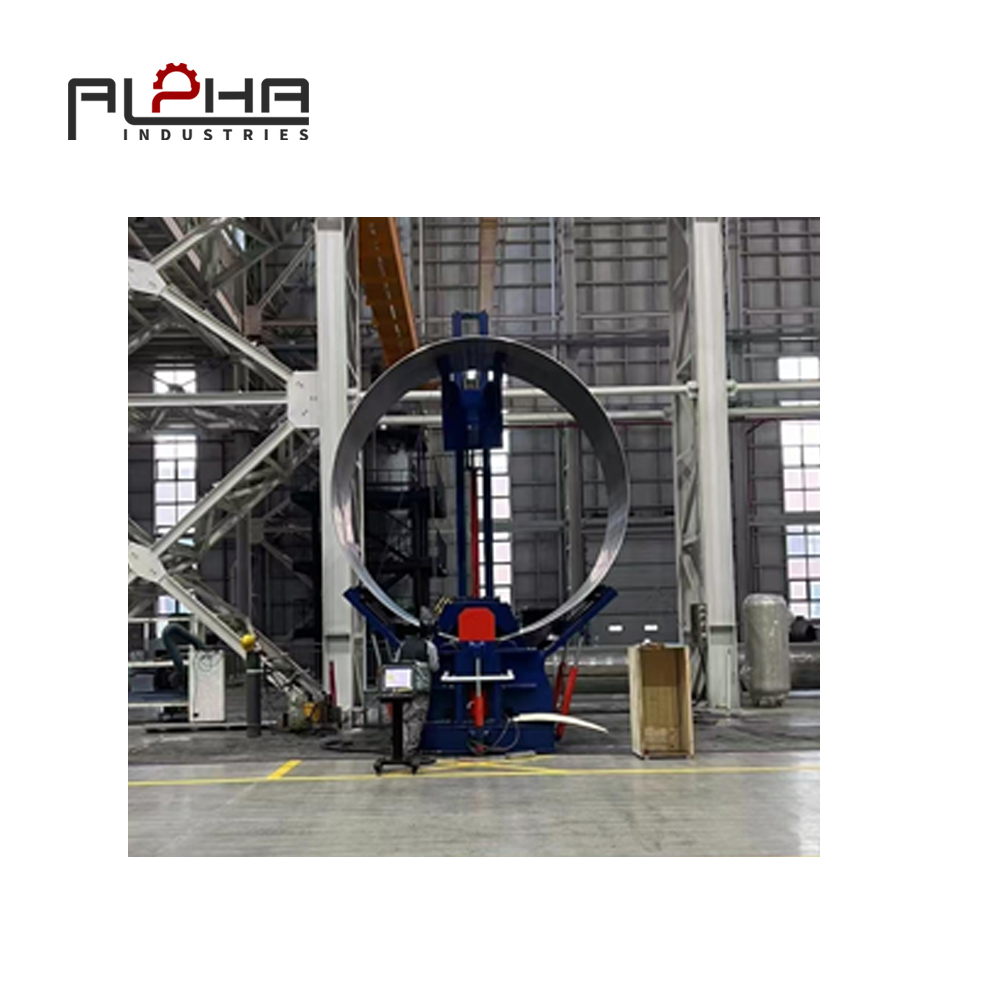
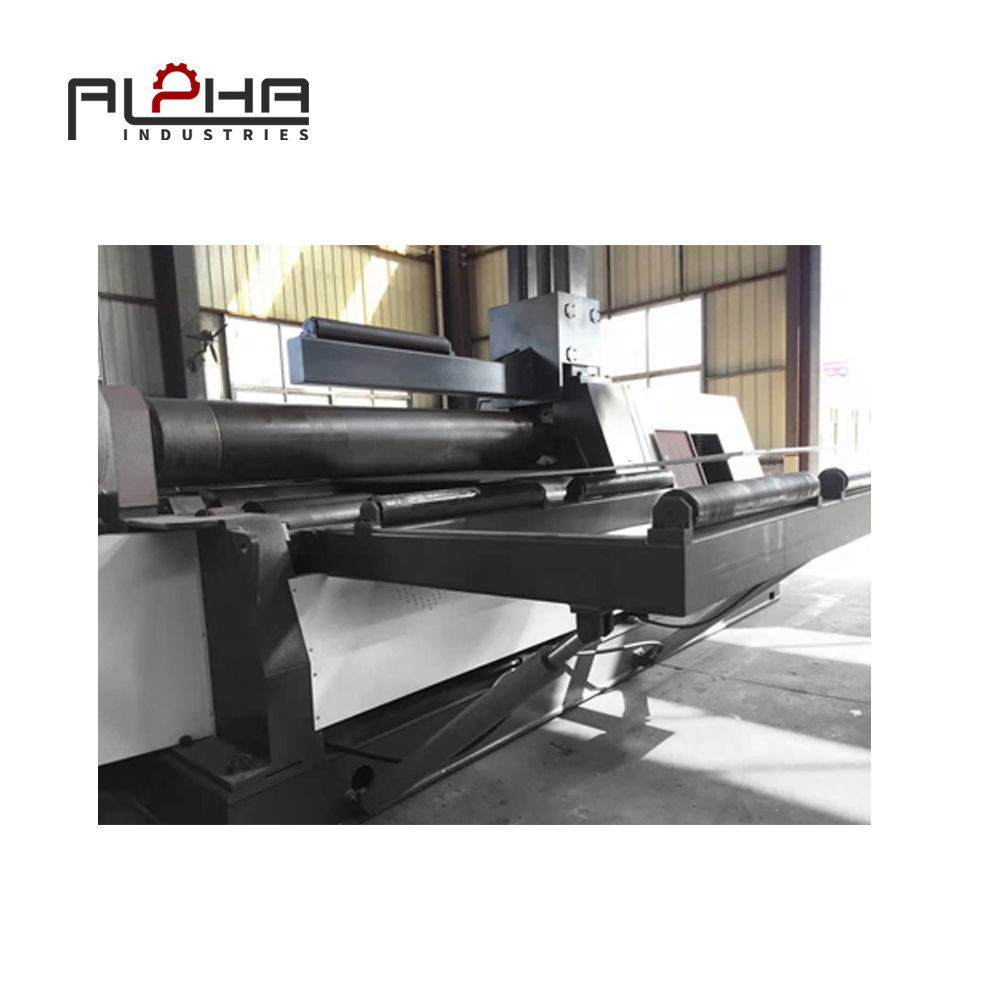
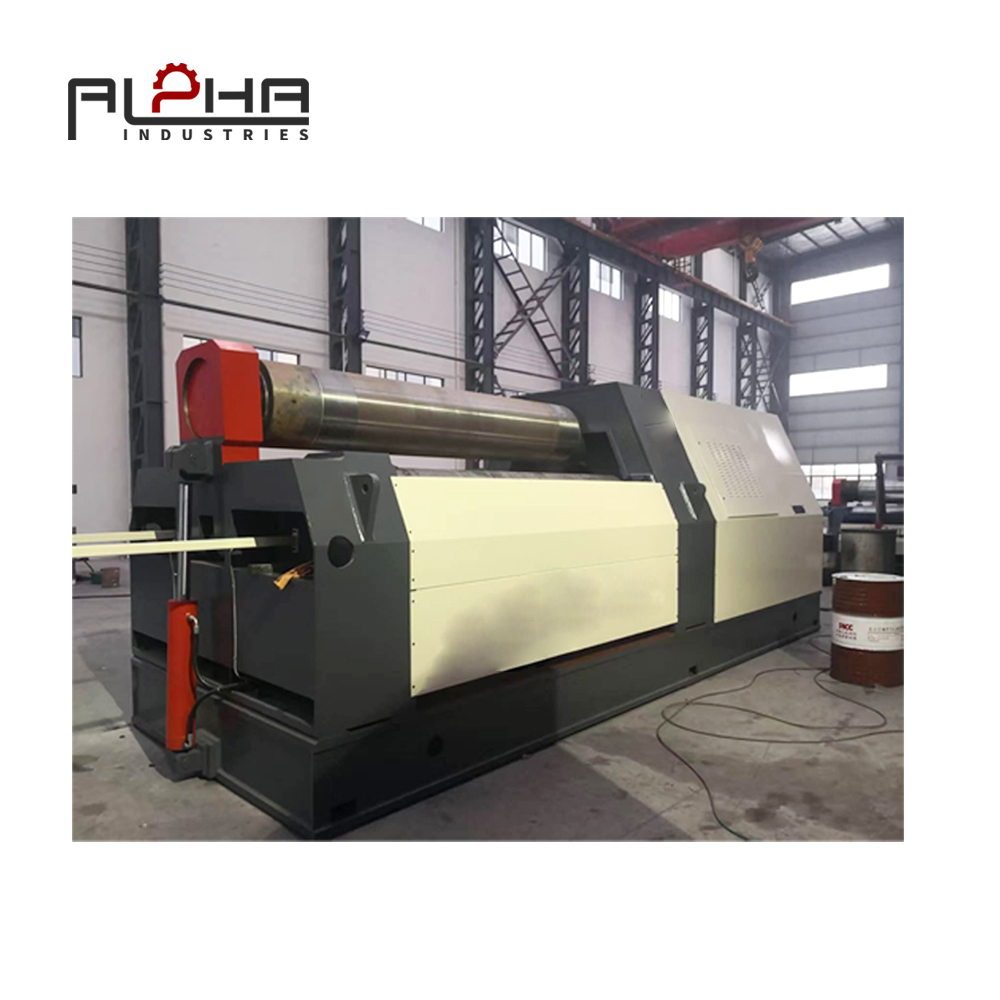
A 4-roller plate rolling machine is a heavy-duty metal forming system designed to clamp, pre-bend, and roll metal plates.
Its typical configuration includes an upper roller, a lower roller, and two side rollers.
These components work together through coordinated mechanical and hydraulic movements to form cylindrical and curved workpieces.
Because the machine handles significant bending forces, maintaining its mechanical, hydraulic, and control systems is essential for stable operation.
Several areas deserve particular attention.
Hydraulic System Maintenance
The hydraulic system is responsible for controlling important machine movements and maintaining the required operating forces.
Hydraulic components may include pumps, cylinders, valves, pipelines, filters, and other supporting elements.
Over time, hydraulic oil can become contaminated or deteriorate because of operating conditions.
Poor oil quality and insufficient filtration may affect system responsiveness and increase wear on hydraulic components.
Mexican manufacturers should establish regular inspection procedures covering:
-
Hydraulic oil level and condition
-
Oil leakage around cylinders and connections
-
Hydraulic filter condition
-
Abnormal operating noise
-
Pressure stability
-
Hose and pipeline condition
-
Hydraulic temperature during operation
Hydraulic oil replacement and filtration intervals should follow the machine manufacturer's recommendations.
Using the correct hydraulic oil specification is also important because different systems may require different oil grades.
Roller Surface Inspection
The rollers are among the most important working components of a plate rolling machine.
They directly contact the metal plate and withstand repeated bending loads during production.
Roller surface condition can influence workpiece quality and long-term machine performance.
Manufacturers should regularly inspect rollers for:
-
Visible surface damage
-
Abnormal wear patterns
-
Corrosion
-
Contamination
-
Signs of mechanical impact
-
Unusual changes during operation
When processing stainless steel or other materials with specific surface requirements, proper roller cleanliness is particularly important.
Regular inspection can help identify potential problems before they affect finished components.
Bearing and Lubrication Maintenance
Bearings support roller rotation and other mechanical movements.
Insufficient lubrication, contamination, excessive loading, or improper maintenance can shorten bearing service life.
A suitable lubrication schedule helps protect mechanical components and maintain smooth operation.
Operators should pay attention to unusual vibration, abnormal noise, and temperature changes around bearing areas.
The correct lubricant and lubrication frequency should always follow the manufacturer's technical documentation.
Electrical and CNC Control System Inspection
Modern four-roll plate rolling machines may use CNC control systems to manage roller positioning and operating sequences.
The electrical system may include control cabinets, motors, sensors, switches, wiring, and other electrical components.
Regular inspection helps identify loose connections, damaged cables, abnormal sensor signals, and other potential issues.
For CNC-controlled equipment, manufacturers should also maintain appropriate backups of machine parameters and operating programs when supported by the control system.
This can help reduce the time required to restore normal operation after certain control-related problems.
How Preventive Maintenance Helps Reduce Unplanned Downtime
Preventive maintenance means inspecting and servicing equipment at planned intervals instead of waiting for a component to fail.
For a four-roll plate rolling machine, this approach can help manufacturers identify developing problems before they interrupt production.
A practical maintenance program should include daily checks, scheduled inspections, and periodic technical evaluations.
Daily Maintenance Checks
Before starting production, operators should inspect the machine's general condition.
Important checks include:
-
Confirming that the machine is free from visible oil leakage
-
Checking hydraulic oil levels
-
Inspecting the roller surfaces
-
Confirming that safety devices function correctly
-
Checking for abnormal noise or vibration
-
Ensuring that the working area is clean
-
Verifying that the control system displays normal operating conditions
After production, operators should clean the machine and remove accumulated metal debris according to the manufacturer's instructions.
Weekly Maintenance Checks
Weekly inspections can focus on components that experience repeated movement and mechanical loading.
These may include hydraulic connections, lubrication points, electrical cables, roller supports, and mechanical fasteners.
Manufacturers should also review whether any abnormal operating conditions occurred during the previous production period.
Recording these observations helps maintenance personnel identify recurring issues.
Monthly and Periodic Inspections
More comprehensive inspections should be performed according to operating hours and manufacturer recommendations.
Depending on the machine configuration, these inspections may include:
-
Hydraulic filter inspection or replacement
-
Lubrication system checks
-
Electrical cabinet inspection
-
Roller alignment verification
-
Bearing condition assessment
-
Inspection of hydraulic cylinders and seals
-
Review of CNC positioning performance
-
Evaluation of machine foundation and installation condition
The maintenance schedule should be adjusted according to production intensity, material thickness, operating environment, and actual equipment condition.
Spare Parts Planning: An Important Consideration for Mexican Buyers
For manufacturers purchasing imported machinery, spare parts planning should begin before equipment installation.
Waiting until a component fails can create unnecessary production risks.
A better approach is to identify critical components and establish a suitable spare parts strategy.
Identify Critical Wear Components
Different machine configurations use different components.
Common maintenance-related parts may include:
-
Hydraulic seals
-
Hydraulic filters
-
Bearings
-
Lubrication components
-
Electrical relays
-
Sensors and limit switches
-
Hydraulic hoses and fittings
Not every component needs to be stored in large quantities.
Manufacturers should identify parts according to replacement frequency, availability, delivery time, and the consequences of equipment failure.
Request a Spare Parts List from the Supplier
Before purchasing a 4-roller plate rolling machine, buyers should request a detailed spare parts list.
The list should include part names, specifications, reference numbers, and recommended maintenance information where available.
This helps maintenance personnel identify the correct replacement components when needed.
It also reduces the possibility of ordering incompatible parts.
Confirm Component Identification and Technical Documentation
Clear technical documentation is important when maintaining imported machinery.
Buyers should request relevant electrical diagrams, hydraulic diagrams, maintenance manuals, and component identification information.
These documents can help local technicians understand the machine structure and perform routine maintenance more efficiently.
Evaluate Spare Parts Delivery Arrangements
For Mexican manufacturers, the availability of replacement parts is an important supplier evaluation factor.
Before placing an order, buyers should clarify:
-
Which spare parts are considered standard components
-
Which components are specially manufactured
-
How replacement parts can be ordered
-
Whether technical identification assistance is available
-
What shipping options are supported
-
How urgent replacement requests are handled
A supplier with clear spare parts procedures can help buyers prepare for future maintenance requirements.
Choosing a Reliable 4-Roller Plate Rolling Machine for Long-Term Operation
Equipment reliability begins with proper machine selection.
A machine that is unsuitable for the materials or working conditions of a factory may experience unnecessary mechanical stress and higher maintenance requirements.
Mexican manufacturers should evaluate the following factors before purchasing.
Match Machine Capacity to Actual Production Requirements
Buyers should identify the maximum plate thickness, working width, material grade, and required rolling diameter.
Rolling capacity and pre-bending capacity should be checked separately.
Processing materials beyond the machine's rated capacity can place excessive loads on the rollers, hydraulic system, and machine structure.
Selecting appropriate capacity is therefore essential for long-term operation.
Examine Machine Frame Rigidity
The machine frame must withstand the forces generated during plate forming.
A rigid structure helps maintain mechanical stability under normal operating loads.
Buyers should examine the machine's structural design, manufacturing quality, and suitability for the intended material specifications.
Evaluate Hydraulic Component Quality
The hydraulic system plays an important role in the machine's operation.
When comparing equipment suppliers, buyers should ask about hydraulic component specifications, system configuration, filtration arrangements, and maintenance requirements.
Clear technical information makes it easier to evaluate long-term maintenance needs.
Check Roller Manufacturing Quality
Roller material, heat treatment, surface finishing, and machining accuracy are important considerations.
These factors influence roller durability and the machine's ability to maintain stable forming performance.
For manufacturers processing thick steel plates, roller quality deserves particular attention.
Consider CNC System Reliability and Technical Support
A CNC system can help manage roller positioning and repeatable rolling operations.
However, buyers should also consider the availability of control-system documentation, parameter backup procedures, troubleshooting guidance, and technical assistance.
A suitable control configuration should match the workshop's production requirements without introducing unnecessary operational complexity.
What Mexican Manufacturers Should Ask Overseas Machine Suppliers
When purchasing industrial machinery internationally, the relationship with the supplier should not end after the machine is shipped.
Technical communication and maintenance preparation are important parts of the purchasing process.
Before confirming an order, Mexican buyers should ask several practical questions.
Does the machine include a complete maintenance manual?
The documentation should explain routine inspection, lubrication, hydraulic maintenance, and recommended servicing procedures.
Can the supplier provide a detailed spare parts list?
This allows the buyer to identify critical replacement components and prepare an inventory plan.
Are hydraulic and electrical diagrams available?
These documents are useful for installation, troubleshooting, and future maintenance.
Can the supplier provide remote technical assistance?
Remote communication can help maintenance personnel understand certain operating issues and identify possible causes before arranging more extensive repairs.
What training is available for operators and maintenance personnel?
Training should cover both normal operation and basic equipment maintenance.
What warranty and after-sales support conditions apply?
Buyers should clarify warranty coverage, exclusions, response procedures, and the availability of replacement components.
These questions help manufacturers evaluate the complete equipment ownership experience rather than focusing only on the purchase price.
How to Calculate the Real Cost of Machine Downtime
Understanding downtime costs can help manufacturers make better equipment investment decisions.
The financial impact of a machine interruption may include several factors:
Direct repair costs: Replacement components, maintenance labor, and technical service expenses.
Lost production time: The value of production that cannot be completed while the machine is unavailable.
Additional labor costs: Overtime or extra shifts required to recover delayed production.
Delivery-related costs: Potential penalties, additional transportation arrangements, or customer coordination expenses.
Downstream production losses: Delays affecting welding, assembly, inspection, and other connected operations.
For example, if a plate rolling machine stops during the production of storage tank shells, the delay may affect the schedule of several connected manufacturing processes.
The total cost of downtime is therefore often greater than the cost of repairing the failed component.
Manufacturers can use historical maintenance records to estimate the average frequency and duration of machine interruptions.
This information helps identify whether additional spare parts, operator training, or preventive maintenance measures would provide meaningful operational benefits.
Why Choose ALPHA for Your Industrial Plate Rolling Requirements?
Selecting a plate rolling machine is a long-term investment that should consider both processing performance and maintenance requirements.
ALPHA provides metalworking machinery solutions for industrial manufacturing applications.
When evaluating a 4-roller plate rolling machine, buyers should consider machine capacity, roller configuration, hydraulic system design, control functions, structural rigidity, and the availability of technical documentation.
For Mexican manufacturers producing storage tanks, pressure vessels, industrial components, and heavy steel structures, choosing equipment that matches actual production conditions is essential.
ALPHA encourages buyers to evaluate machinery through complete technical specifications and clearly defined processing requirements.
Understanding the machine's operating conditions and maintenance needs before purchasing can help manufacturers establish a more reliable production plan.
Frequently Asked Questions About 4-Roller Plate Rolling Machine Maintenance
How often should a 4-roller plate rolling machine be maintained?
Basic checks should be performed before or after daily operation. More comprehensive inspections should follow the manufacturer's recommended maintenance intervals and actual operating hours.
What are the most important components to maintain on a four-roll plate rolling machine?
Important areas include the hydraulic system, rollers, bearings, lubrication components, electrical system, and CNC control system.
What causes hydraulic problems in a plate rolling machine?
Potential causes include contaminated hydraulic oil, damaged seals, clogged filters, loose connections, insufficient oil levels, and component wear.
How can manufacturers reduce unexpected machine breakdowns?
Establish a preventive maintenance schedule, use suitable lubricants and hydraulic oil, inspect critical components regularly, train operators, and keep essential spare parts available.
Which spare parts should Mexican buyers prepare in advance?
Depending on the machine configuration, commonly considered maintenance items include hydraulic seals, filters, bearings, electrical relays, sensors, and other components identified by the manufacturer.
Is a CNC 4-roller plate rolling machine difficult to maintain?
Routine maintenance is generally manageable when operators receive proper training and have access to technical documentation. More complicated electrical or control-system repairs may require qualified technicians.
Why are hydraulic and electrical diagrams important?
They help maintenance personnel understand the machine's system configuration, identify components, diagnose problems, and perform appropriate maintenance procedures.
What should I consider when purchasing a plate rolling machine from an overseas supplier?
Important factors include machine specifications, manufacturing quality, warranty conditions, maintenance manuals, spare parts availability, technical communication, and after-sales support arrangements.
Conclusion
For Mexican metal fabrication companies, machine downtime can create significant challenges for production planning, maintenance budgets, and customer delivery schedules.
A 4-roller plate rolling machine should therefore be selected with long-term operating reliability in mind.
Hydraulic system maintenance, roller inspection, lubrication, electrical checks, and spare parts planning all contribute to more stable machine operation.
By establishing preventive maintenance procedures and evaluating supplier support before purchasing, manufacturers can reduce avoidable equipment interruptions and improve their ability to manage industrial production.
The right machine is not simply one that meets today's rolling capacity requirements. It should also be suitable for long-term operation, practical maintenance, and the actual manufacturing conditions of the workshop.
Contact ALPHA
Looking for a 4-roller plate rolling machine for your factory in Mexico?
ALPHA can help you evaluate suitable metalworking machinery solutions according to your plate thickness, working width, material specifications, rolling diameter, and production requirements.
Contact our team to discuss machine configurations, technical specifications, and your equipment purchasing needs.
Visit our Contact Us page to send your inquiry and learn more about ALPHA's industrial machinery solutions.