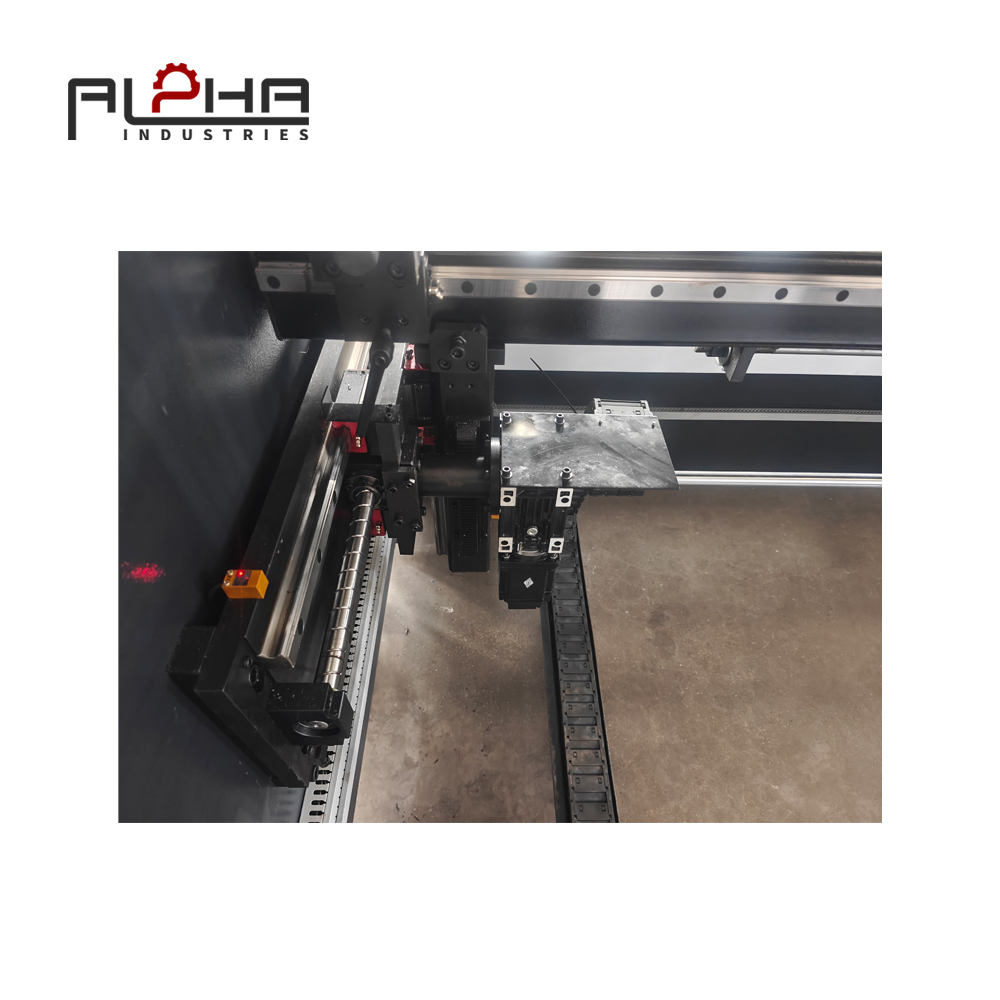


Why Press Brake Maintenance Should Be a Strategic Investment for Ukrainian Manufacturers
For a sheet metal manufacturer, purchasing a press brake is only the beginning of the equipment investment. The long-term value of the machine depends on how consistently it performs after installation, how effectively it is maintained, and how quickly production can recover when a problem occurs.
This consideration is particularly important for manufacturers in Ukraine. Businesses producing electrical enclosures, agricultural machinery components, construction equipment parts, ventilation systems, industrial cabinets, and customized sheet metal products need reliable equipment to maintain production schedules and meet customer expectations.
When a press brake develops a fault, the consequences may extend far beyond the machine itself. A delayed bending operation can interrupt assembly, postpone downstream processes, increase labor costs, and affect the delivery of finished products.
The challenge becomes more complicated when replacement components require additional transportation time or when technical support cannot be arranged immediately.
For this reason, manufacturers should evaluate a press brake not only by its purchase price, bending force, or working length, but also by its maintainability throughout its service life.
A practical maintenance strategy should answer several important questions:
-
How can early signs of equipment problems be identified before they cause production stoppages?
-
Which components require regular inspection?
-
How should spare parts be selected and stored?
-
What information should operators record during daily production?
-
How can manufacturers evaluate maintenance support before purchasing a new press brake?
For Ukrainian manufacturers, the objective is straightforward: reduce avoidable downtime, make maintenance costs more predictable, and protect the productive value of the equipment.
The Hidden Cost of an Unplanned Press Brake Repair
A press brake problem rarely affects only the cost of the damaged component.
Consider a manufacturer producing metal cabinets for industrial customers. The bending department prepares components for welding, assembly, and finishing. If the press brake stops unexpectedly, the following operations may have to wait for the required parts.
Even when the mechanical repair is relatively straightforward, the overall production impact may be substantial.
The true cost of an unexpected press brake failure can include:
-
Repair labor and replacement components
-
Production hours lost during diagnosis and repair
-
Idle labor in connected manufacturing processes
-
Delayed customer orders
-
Additional transportation or expedited purchasing costs
-
Repeated setup and quality checks after maintenance
-
Overtime required to recover the production schedule
This explains why the cheapest replacement component or the lowest initial machine price does not necessarily produce the lowest long-term operating cost.
A manufacturer that spends a reasonable amount on preventive maintenance may avoid some expensive failures. However, maintenance should be based on the machine manufacturer's instructions, operating conditions, actual equipment history, and the consequences of component failure rather than on unnecessary part replacement.
The goal is not to spend more on maintenance. It is to spend maintenance resources where they can make the greatest practical difference.
Hydraulic System Maintenance: Protecting the Core of a Hydraulic Press Brake
For manufacturers using hydraulic press brakes, the hydraulic system is one of the most important areas to monitor.
The system supports the machine's bending movement and force control. Problems involving oil condition, contamination, leakage, cooling, or hydraulic components can affect performance and may eventually require production to stop.
A maintenance program should therefore include regular hydraulic system inspections.
Monitor Hydraulic Oil Condition
Hydraulic oil plays an important role in lubrication, power transmission, and heat management. Oil that is unsuitable for the machine or contaminated during operation may contribute to component wear and unreliable performance.
Manufacturers should follow the machine manufacturer's specifications for the correct hydraulic oil grade, inspection method, replacement interval, and filtration requirements.
Maintenance personnel should pay attention to:
-
Oil level and visible changes in oil condition
-
Signs of leakage around pipes, hoses, seals, and connections
-
Unusual oil temperature
-
Abnormal noise during machine operation
-
Evidence of contamination or moisture
-
Hydraulic filters and their required service intervals
Oil should not be replaced solely because it has reached an arbitrary calendar date, nor should replacement be delayed when inspection or testing indicates that action is necessary. The appropriate schedule depends on the machine design, operating environment, usage intensity, and manufacturer's recommendations.
For Ukrainian workshops operating in changing seasonal temperatures, the specified operating temperature and suitable hydraulic oil are also important considerations. Manufacturers should verify the machine's environmental requirements before installation and operation.
Identify Hydraulic Leakage Before It Becomes a Major Problem
A small leak may appear manageable, particularly when production is busy. However, continued leakage can cause fluid loss, contamination, housekeeping problems, and additional repair requirements.
Operators should report visible oil leakage instead of repeatedly cleaning the affected area without addressing the cause.
Maintenance personnel should inspect the relevant components and determine whether the problem involves a connection, hose, seal, cylinder, valve, or another part of the hydraulic circuit.
Repairs should be performed by qualified personnel using the appropriate isolation and pressure-release procedures. Hydraulic systems must never be opened while residual pressure remains.
Pay Attention to Unusual Movement and Noise
Changes in machine behavior can provide useful early warning signs.
Examples include inconsistent movement, unexpected vibration, unusual hydraulic noise, irregular stopping behavior, or a change in the machine's normal operating temperature.
These symptoms do not automatically indicate a particular component failure. Several different faults can produce similar symptoms, so diagnosis should follow the manufacturer's service procedures.
Recording when the symptoms occur, which operation is being performed, and whether the issue is intermittent can help technical personnel investigate the cause more efficiently.
Electrical and Control System Checks for More Predictable Operation
Modern press brakes may include electrical control systems, CNC controllers, position feedback devices, safety circuits, motors, and other electronic components.
A machine can experience operational problems even when its main mechanical structure remains in good condition.
For manufacturers in Ukraine, electrical maintenance should be considered part of the overall equipment reliability strategy rather than an occasional troubleshooting task.
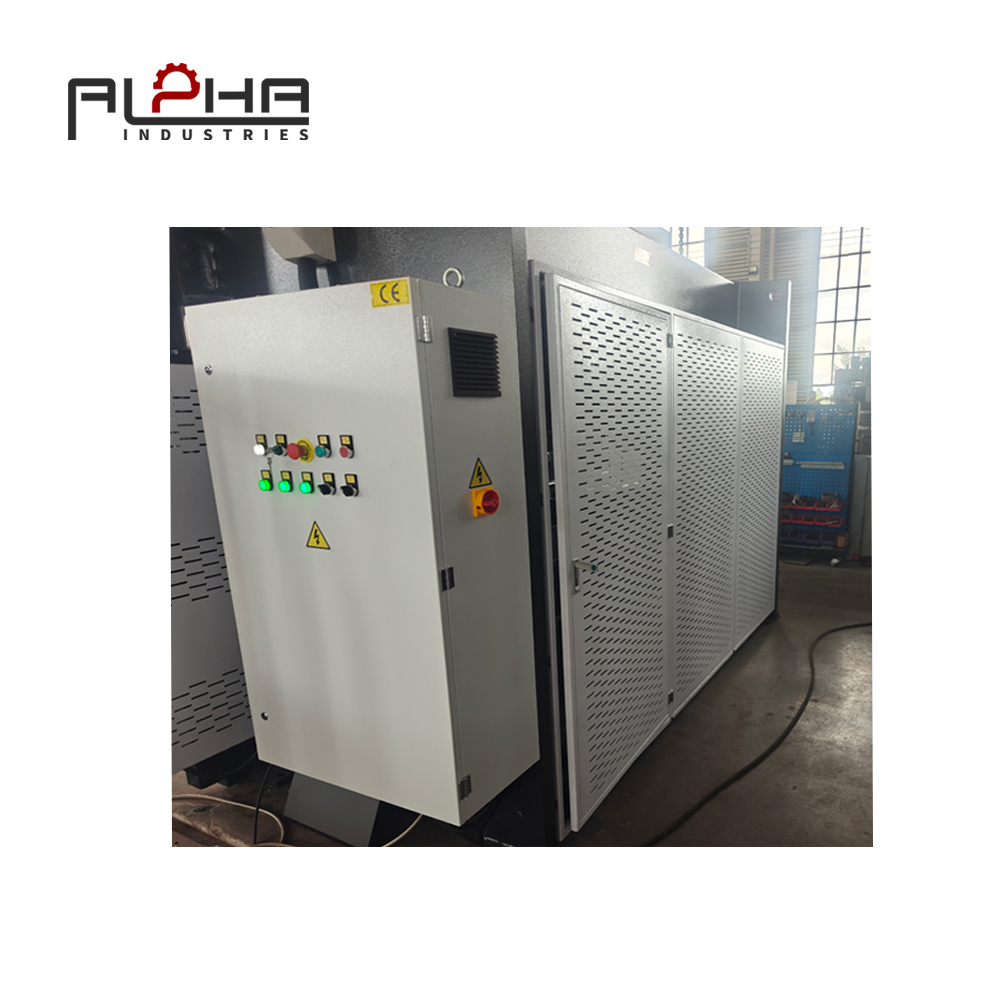
Inspect Electrical Connections and Cabinets
Dust, heat, loose connections, damaged wiring, and unsuitable environmental conditions may contribute to electrical faults.
A planned inspection should follow the equipment manufacturer's instructions and be performed by qualified personnel.
Depending on the machine configuration, relevant checks may include:
-
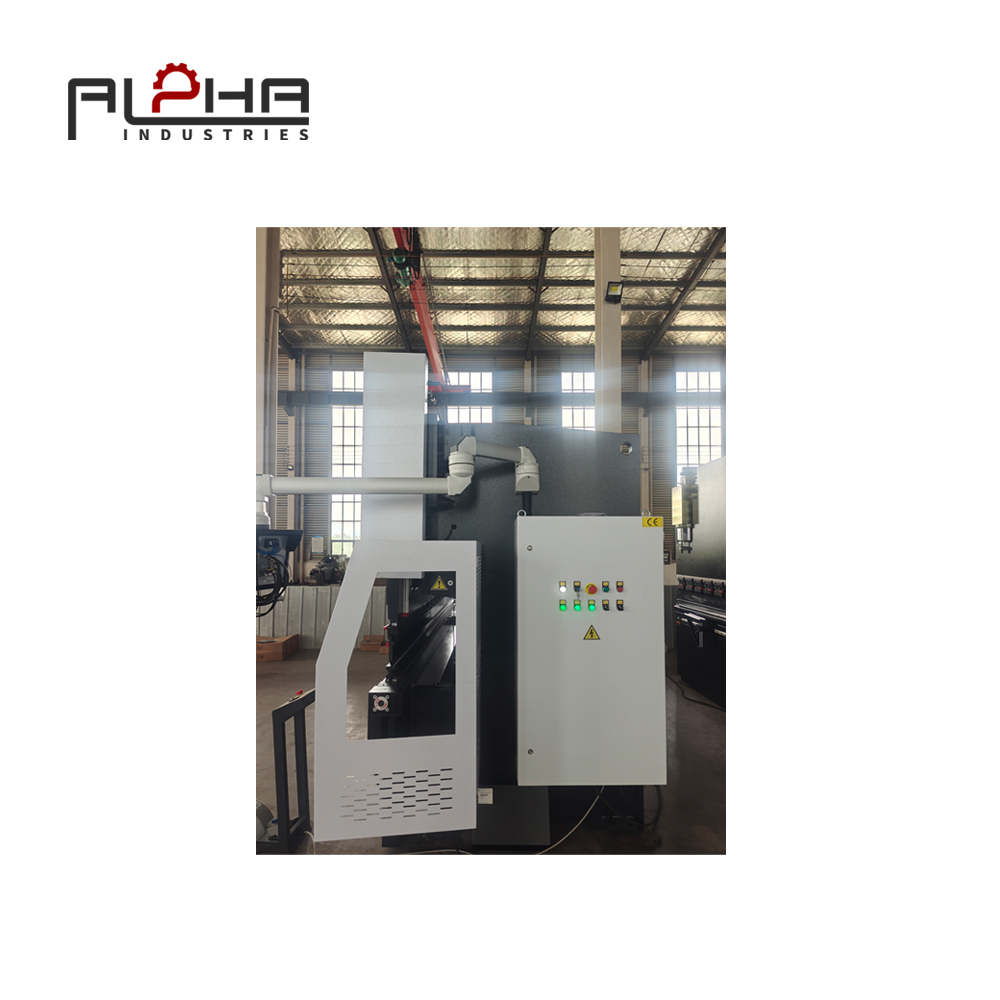
Electrical cabinet cleanliness and ventilation
-
Signs of overheating or discoloration
-
Cable and connector condition
-
Cooling fans and filters
-
Condition of sensors and position feedback devices
-
Alarm history and recurring error messages
-
Correct operation of safety-related electrical components
Electrical cabinets should be isolated before internal maintenance, following the required lockout and verification procedures. Safety circuits should never be bypassed to keep production running.
Protect CNC Programs and Production Parameters
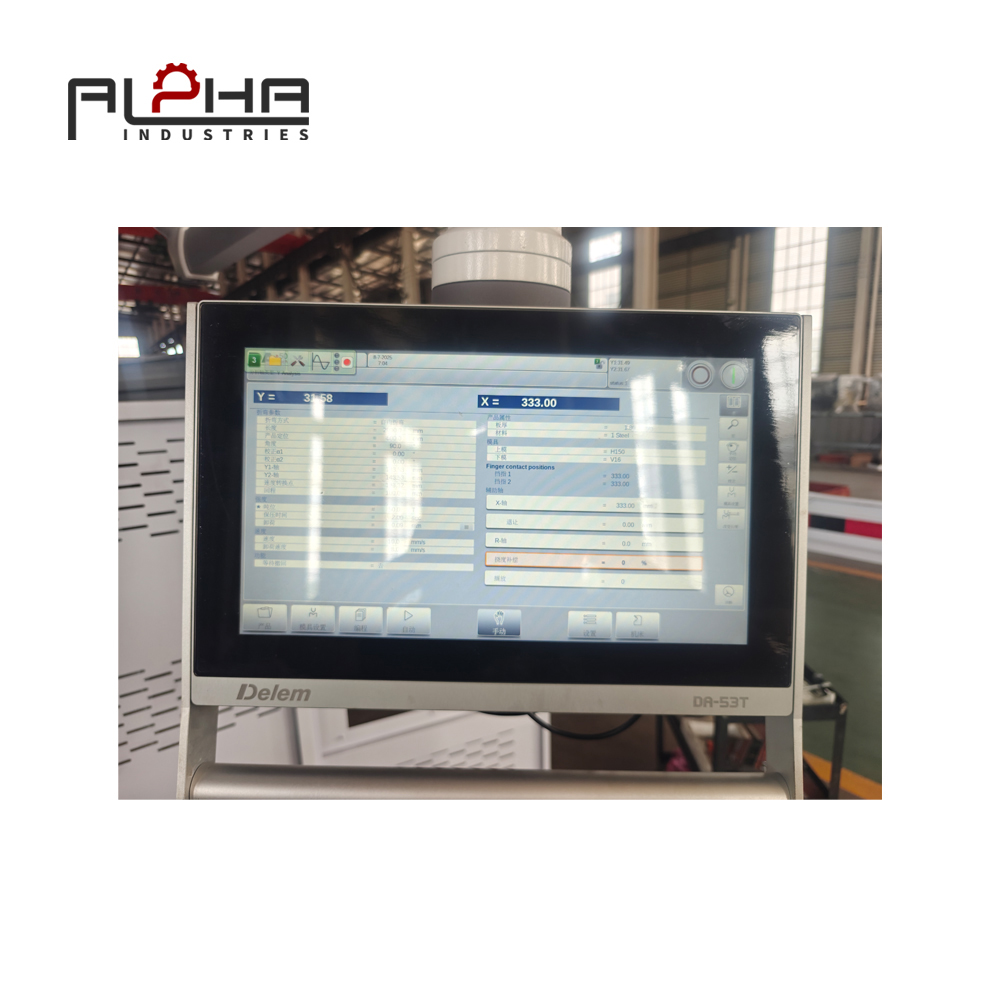
A CNC press brake may store bending programs, tool information, backgauge positions, and other production settings.
Losing or corrupting this information can increase recovery time after a controller issue, replacement, or configuration change.
Manufacturers should establish a documented backup process for important production data. Depending on the controller, backups may include programs, parameter files, tool libraries, and other configuration information that the manufacturer permits users to export.
Backups should be stored securely and periodically checked to confirm that the files remain accessible.
A backup is useful only if the manufacturer knows where it is stored and how to restore it correctly.
For workshops producing many customized components, preserving validated programs can also help reduce the amount of reprogramming and repeated process verification required after a disruption.
Spare Parts Planning: Reducing the Risk of Long Repair Delays
One of the most practical ways to improve press brake availability is to plan spare parts before they are urgently needed.
When a component fails, a manufacturer may need to identify the correct part number, confirm compatibility, contact the supplier, arrange shipment, and wait for delivery. If this process starts only after the machine stops, repair time may become unnecessarily long.
A spare parts strategy should be based on the machine's configuration, failure history, component lead times, availability, and the operational consequences of a failure.
Identify Critical Components
Not every component needs to be stored in large quantities. The purpose of spare parts planning is to prioritize items that could cause substantial disruption if they become unavailable.
Depending on the specific press brake, the review may include:
-
Hydraulic seals and selected service components
-
Filters and other scheduled maintenance consumables
-
Electrical relays and approved replacement components
-
Sensors and position feedback components
-
CNC control components where appropriate
-
Fuses and specified electrical protection devices
-
Approved hoses, fittings, or other wear-related parts
This list is only a starting point. A manufacturer should not assume that every item applies to every press brake.
Some components have model-specific specifications, firmware requirements, or compatibility restrictions. Before purchasing a spare, the manufacturer should confirm the exact machine model, serial number, component identification, and applicable technical requirements.
Use a Risk-Based Spare Parts List
A simple way to prioritize parts is to consider three factors:
Failure likelihood: How frequently has the component failed or required replacement?
Supply lead time: How long would it take to obtain the correct replacement?
Production impact: How seriously would the failure affect the manufacturing schedule?
A component with a low failure rate may still deserve attention if its replacement is difficult to obtain and the machine cannot operate without it.
Conversely, stocking large quantities of inexpensive, readily available parts may not provide much additional value.
Manufacturers can classify parts as essential, recommended, or routinely available. The categories should be reviewed as maintenance history and supply conditions change.
Keep Machine Documentation Accessible
A useful spare parts plan depends on accurate documentation.
Manufacturers should maintain a record of the machine model, serial number, electrical diagrams, hydraulic diagrams, parts lists, maintenance instructions, and supplier contact information.
When requesting assistance, providing the machine identification, relevant alarm information, photographs of the component label, and a clear description of the symptoms can reduce unnecessary communication and help the supplier identify the correct part.
This preparation is particularly valuable when the equipment owner, local maintenance team, and overseas supplier are located in different countries.
Preventive Maintenance Versus Reactive Repairs
Reactive maintenance means repairing equipment after a fault has occurred. This approach may be reasonable for certain low-risk components, but relying on it for every part of a production-critical press brake can create avoidable uncertainty.
Preventive maintenance involves planned inspections and service activities intended to reduce the likelihood of failures or identify problems before they become serious.
The appropriate strategy depends on the equipment and its use.
| Maintenance Approach | Main Purpose | Potential Limitation |
|---|---|---|
| Daily operator checks | Identify visible abnormalities early | Cannot replace technical inspection |
| Scheduled maintenance | Service components at defined intervals | Requires planning and accurate records |
| Condition-based inspection | Investigate measurable changes or warning signs | Requires suitable methods and competent personnel |
| Reactive repair | Restore operation after a failure | Can cause unplanned downtime and urgent purchasing |
A balanced maintenance program may use all these approaches.
For example, operators can inspect the machine before production, maintenance personnel can perform scheduled service, and qualified technicians can investigate recurring alarms or abnormal movement.
The important point is to define responsibilities clearly. Operators should not be expected to diagnose faults beyond their training or perform maintenance tasks that require specialist qualifications.
Build a Maintenance Schedule That Matches Real Production Conditions
A useful maintenance schedule should reflect how the press brake is actually used.
A machine operating for several shifts each day may require a different inspection frequency from one used occasionally for small batches. Machines processing demanding materials or working in challenging environmental conditions may also require closer attention to specific components.
Rather than applying a generic schedule to every machine, manufacturers should combine the manufacturer's instructions with actual operating records.
Before Each Shift
Operators can perform the checks specified in the operating manual, including a visual inspection of the machine, the work area, tooling condition, and any obvious signs of leakage or damage.
They should verify that required safety devices are functioning according to the approved procedure and report unusual alarms or behavior before beginning production.
At Planned Service Intervals
Qualified maintenance personnel should carry out the inspections and servicing defined by the manufacturer.
These activities may include hydraulic system checks, electrical cabinet inspection, lubrication where specified, filter service, fastener inspection, and verification of relevant machine functions.
The actual tasks and intervals must be appropriate to the particular machine model.
After a Repair or Abnormal Event
After maintenance, the machine should be checked according to the applicable service procedure before returning to normal production.
Depending on the work performed, this may require functional checks, safety verification, confirmation of machine settings, and inspection of a test component.
If the repair affects positioning, tooling, or bending parameters, the manufacturer should establish that the machine is producing acceptable parts before restarting full production.
Measure Reliability With Practical Maintenance Records
Manufacturers do not need a complicated digital maintenance platform to begin improving equipment reliability.
A well-maintained spreadsheet or maintenance log can provide useful information if it records the right details consistently.
For each event, record:
-
Date and machine operating hours
-
Reported symptom or alarm
-
Production operation being performed
-
Initial diagnosis
-
Identified cause, if confirmed
-
Component repaired or replaced
-
Time required to restore operation
-
Follow-up checks completed
-
Preventive action recommended
Over time, these records can reveal recurring problems.
For example, repeated electrical alarms may indicate a need to investigate environmental conditions, power quality, connections, or a specific component. Repeated hydraulic issues may justify a closer review of fluid condition, filtration, operating temperature, or maintenance practices.
It is important not to assume that repeated symptoms always have the same cause. Maintenance records help technicians identify patterns, but proper diagnosis remains essential.
Useful performance indicators include unplanned downtime, repair frequency, maintenance spending, average repair duration, and the number of recurring faults.
These indicators allow production managers to evaluate whether maintenance measures are improving reliability rather than simply increasing the number of service activities.
Choosing a Press Brake With Long-Term Maintainability in Mind
Maintenance planning begins before a new press brake arrives at the factory.
Two machines with similar bending capacity may differ in control configuration, component selection, service documentation, maintenance access, and supplier support arrangements.
These differences can affect the effort required to maintain the machine throughout its working life.
For Ukrainian manufacturers comparing press brake options, several questions deserve attention.
Is the Machine Suitable for the Actual Application?
The press brake should be selected according to material type, thickness, bending length, part geometry, production volume, tooling requirements, and expected workload.
An unsuitable machine may experience unnecessary operating stress or fail to meet production requirements, even if its initial purchase price is attractive.
The selected configuration should also account for the required CNC functions and any future plans for automation.
Are Technical Documents and Replacement Part Information Available?
Before purchase, ask what operating manuals, maintenance instructions, electrical diagrams, hydraulic documentation, and spare parts information will be provided.
Clear documentation helps local maintenance personnel understand the equipment and communicate more effectively with the supplier.
Manufacturers should also confirm how model-specific replacement components will be identified and ordered.
What Technical Support Can Be Provided?
Support arrangements should be discussed before a fault occurs.
Useful questions include:
-
How can the manufacturer contact technical support?
-
What information should be provided when reporting a fault?
-
Can the supplier help identify replacement components remotely?
-
Are maintenance instructions available for the specific machine model?
-
What warranty terms and exclusions apply?
-
What support is available if a problem cannot be resolved remotely?
Availability and response times should be confirmed with the supplier rather than assumed.
For overseas equipment purchases, clear communication about support procedures can be as important as the machine's technical specifications.
Can Routine Maintenance Be Performed Efficiently?
A maintainable machine should allow qualified personnel to perform the prescribed inspection and service tasks using appropriate tools and documentation.
Manufacturers should discuss access to service points, scheduled maintenance requirements, recommended consumables, and any tasks that require specialist support.
These considerations help production teams plan maintenance activities without relying entirely on emergency interventions.
How ALPHA Helps Manufacturers Evaluate Press Brake Requirements
At ALPHA, selecting a press brake should begin with the manufacturer's production requirements rather than a single specification or purchase price.
Different applications require different configurations. A workshop producing electrical cabinets may prioritize flexible bending and repeatable positioning, while a manufacturer processing larger structural components may require a different combination of bending force, working length, tooling, and handling arrangements.
Maintenance considerations should be included in this evaluation.
ALPHA can discuss relevant application requirements such as:
-
Material type and thickness
-
Maximum bending length
-
Product dimensions and geometry
-
Expected production volume
-
CNC control requirements
-
Tooling configuration
-
Operating environment
-
Maintenance documentation
-
Spare parts identification
-
Technical support arrangements
For Ukrainian manufacturers, discussing these points before purchase can help establish realistic expectations about machine operation, maintenance responsibilities, and long-term equipment management.
The most suitable press brake is not necessarily the machine with the highest capacity or the lowest initial price. It is the machine whose capabilities, configuration, and support arrangements match the manufacturer's real production needs.
Frequently Asked Questions About Press Brake Maintenance
How often should a press brake be maintained?
Maintenance frequency depends on the machine model, operating hours, workload, environment, and manufacturer's instructions. Operators should complete the required routine checks, while qualified personnel should perform scheduled servicing and investigate abnormal conditions.
What are the common maintenance concerns for a hydraulic press brake?
Important areas include hydraulic oil condition, leakage, filters, hoses, electrical components, sensors, tooling condition, and safety systems. The applicable inspection and service procedures depend on the machine's design.
Which press brake spare parts should a manufacturer keep in stock?
The decision should consider failure likelihood, replacement lead time, production impact, and component compatibility. Manufacturers should use the machine's parts documentation and supplier recommendations to identify critical items instead of purchasing an arbitrary collection of spares.
Can preventive maintenance eliminate press brake downtime?
No. Preventive maintenance can help identify certain problems early and reduce avoidable failures, but it cannot eliminate every unexpected fault. A combination of planned maintenance, accurate records, suitable spare parts, and an effective repair process offers a more realistic approach.
Why is maintenance documentation important when buying a press brake?
Accurate documentation helps maintenance personnel identify components, follow the correct procedures, diagnose faults, and communicate with the supplier. It can also reduce delays when replacement parts or technical assistance are needed.
What should Ukrainian manufacturers ask a press brake supplier about after-sales support?
Manufacturers should confirm warranty terms, maintenance documentation, spare parts identification, technical communication channels, and the scope of available support. Any response-time commitments or service arrangements should be agreed upon clearly.
Is a more expensive press brake always cheaper to maintain?
Not necessarily. Purchase price alone does not determine long-term maintenance costs. The relevant factors include the machine's application suitability, component configuration, service requirements, parts availability, supplier support, and actual operating performance.
Conclusion: Make Press Brake Reliability Part of the Production Strategy
For sheet metal manufacturers in Ukraine, press brake reliability should be treated as a production management priority rather than a task that begins only after equipment failure.
A structured approach can help manufacturers identify warning signs, plan maintenance activities, protect critical production data, manage spare parts, and improve communication with equipment suppliers.
The strongest strategy combines appropriate machine selection, preventive inspections, qualified maintenance, accurate records, and realistic spare parts planning.
These measures cannot prevent every failure, but they can make equipment management more systematic and help reduce avoidable interruptions.
When evaluating a new press brake, manufacturers should therefore consider not only bending capacity and initial investment, but also maintenance requirements, documentation, component identification, and the practical support available throughout the machine's service life.
ALPHA works with manufacturers to evaluate metalworking machinery according to their applications, production targets, and equipment requirements.
If you are planning to purchase a press brake or reviewing the requirements for your sheet metal production line, contact ALPHA to discuss your project.
Contact ALPHA CNC: https://alpha-cnc.com/contact-us