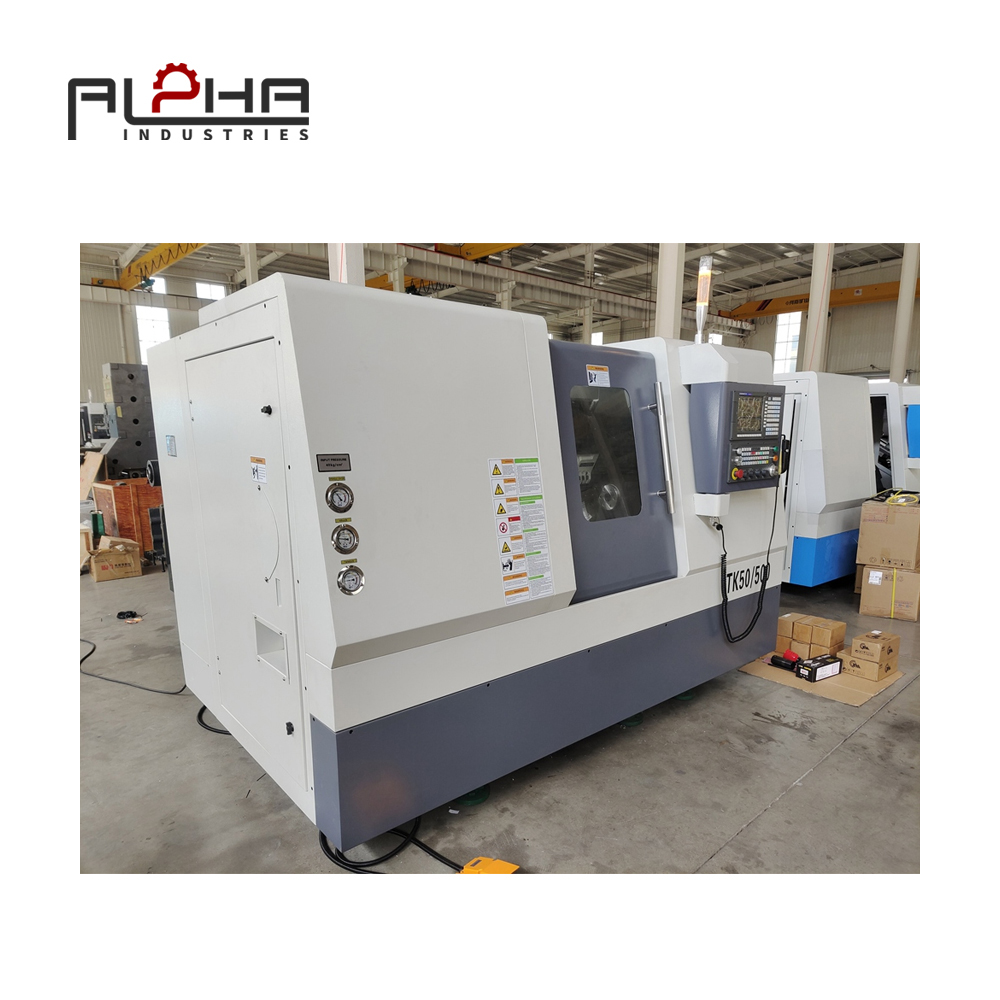


Why Machine Reliability Has Become More Important Than Machining Speed
For decades, manufacturers evaluated machine tools primarily by spindle speed, rapid traverse rates, and metal removal capacity. While these specifications remain important, today's manufacturing environment has shifted attention toward another critical performance indicator—equipment reliability.
Across Europe and North America, manufacturers face rising production costs, skilled labor shortages, stricter delivery schedules, and higher customer expectations for consistent quality. In this environment, even a few hours of unexpected machine downtime can have a far greater financial impact than slightly slower machining speeds.
Industry studies show that unplanned downtime accounts for a significant portion of lost production capacity each year. Beyond repair costs, downtime disrupts production schedules, delays shipments, increases overtime expenses, and lowers Overall Equipment Effectiveness (OEE).
As a result, manufacturers are increasingly investing in Horizontal Machining Centers (HMCs) designed for long-term reliability, predictive maintenance, and stable performance rather than focusing solely on speed.
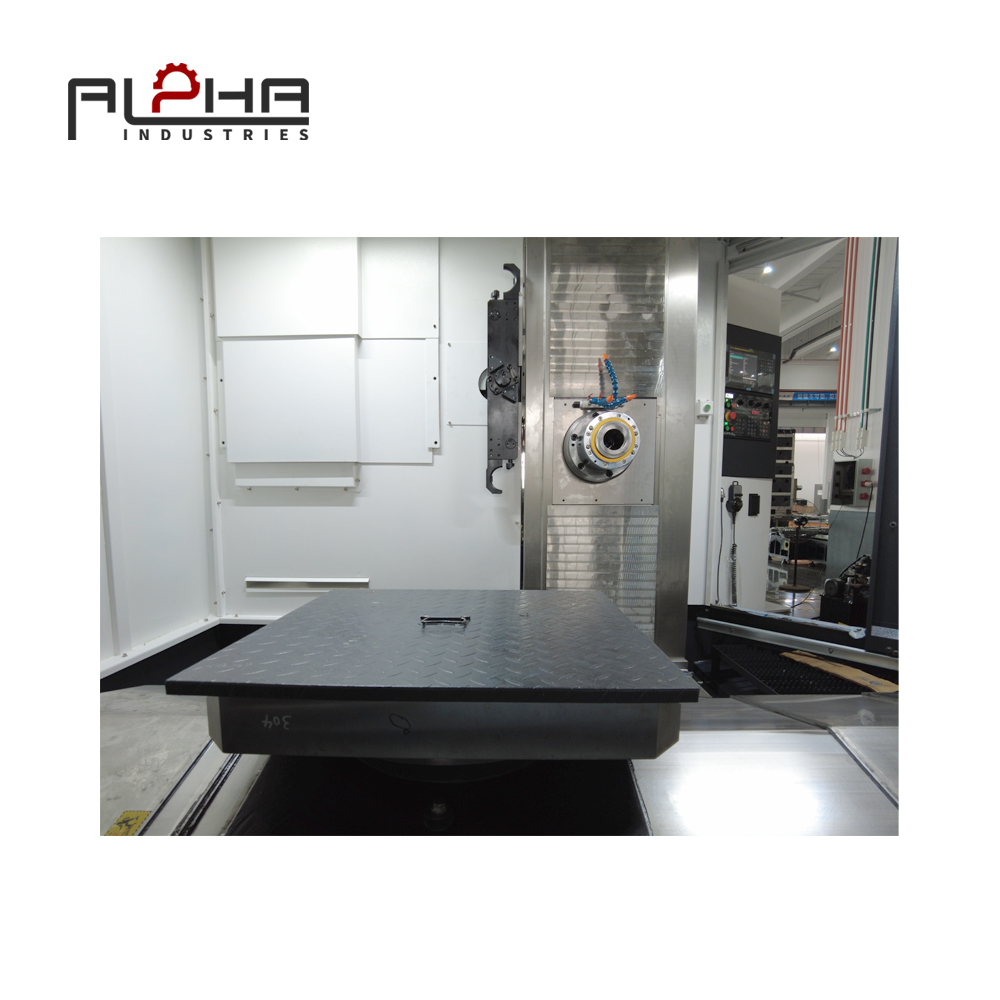
The Hidden Cost of Unplanned Downtime
Downtime is measured in hours, but its true cost is measured in lost profitability.
When a machining center unexpectedly stops, manufacturers may experience:
- Production schedule interruptions
- Missed delivery deadlines
- Idle operators and production staff
- Increased overtime costs
- Emergency maintenance expenses
- Delayed downstream assembly
- Higher inventory pressure
- Reduced customer confidence
For automated production lines and Just-in-Time (JIT) manufacturing systems, a single equipment failure can affect multiple departments simultaneously.
Industries such as automotive, aerospace, energy equipment, and precision engineering may even face contractual penalties for delayed deliveries.
Why Downtime Is Increasing Across Europe and North America
Several manufacturing trends have made equipment reliability more important than ever.
Aging Manufacturing Equipment
Many factories continue operating machining centers that have been in service for more than ten years. As components wear, unexpected failures become increasingly common.
Skilled Labor Shortages
Experienced CNC maintenance technicians are becoming harder to recruit. Longer repair times lead directly to longer production interruptions.
Higher Equipment Utilization
To maximize return on investment, manufacturers often run machines around the clock. Continuous operation increases stress on spindles, guideways, bearings, and ball screws.
More Complex Production Requirements
Modern production involves smaller batch sizes, tighter tolerances, and more frequent product changes. Machines must remain reliable despite constantly changing machining conditions.
How Horizontal Machining Centers Improve Operational Reliability
Modern Horizontal Machining Centers are engineered with reliability as a core design principle.
Rather than simply increasing spindle power, today's HMCs reduce failure risks throughout the entire machine lifecycle.
High-Rigidity Machine Structures Reduce Mechanical Stress
A rigid machine structure is essential for long-term stability.
Heavy-duty cast iron bases, reinforced columns, and precision guideways minimize vibration during machining, reducing stress on critical components.
Benefits include:
- Longer component lifespan
- Higher machining accuracy
- Reduced maintenance frequency
- Improved process stability
A rigid structure also helps maintain machine geometry during years of continuous production.
Intelligent Spindle Protection Extends Service Life
The spindle is one of the most valuable components of any Horizontal Machining Center.
Modern HMCs incorporate technologies including:
- Temperature monitoring
- Automatic lubrication
- Optimized cooling systems
- Load monitoring
- Vibration analysis
These technologies reduce bearing wear while maintaining consistent machining performance.
Preventing overheating and overload conditions significantly lowers the risk of unexpected spindle failures.
Predictive Maintenance Minimizes Unexpected Breakdowns
Traditional maintenance relies on fixed service intervals or repairs after failures occur.
Modern Horizontal Machining Centers support predictive maintenance through built-in sensors that monitor:
- Spindle temperature
- Servo motor performance
- Lubrication status
- Hydraulic pressure
- Axis positioning
- Operating hours
- Alarm history
Maintenance teams can identify abnormalities before they develop into major failures, allowing maintenance during planned production stops rather than emergency shutdowns.
Automation Improves Machine Availability
Automation enhances both productivity and reliability.
Automatic pallet changers, robotic loading systems, and intelligent tool management reduce manual intervention, lowering the risk of operator-related errors.
Automation also creates more consistent machining conditions, reducing unnecessary stress caused by improper setups or inconsistent operating practices.
For manufacturers implementing Industry 4.0 strategies, reliable automation has become a major competitive advantage.
Better Reliability Means Higher Overall Equipment Effectiveness (OEE)
Overall Equipment Effectiveness (OEE) measures:
- Availability
- Performance
- Quality
Reliable Horizontal Machining Centers improve all three.
Higher Availability
Fewer unexpected failures keep machines producing instead of waiting for repairs.
Better Performance
Stable operating conditions maintain consistent cycle times and machining speeds.
Improved Quality
Reliable machines produce consistent dimensions, reducing scrap and rework.
Even modest improvements in OEE can generate substantial long-term financial returns.
Long-Term Business Benefits of Investing in Reliable HMCs
Selecting a Horizontal Machining Center designed for reliability provides advantages beyond maintenance savings.
Manufacturers benefit from:
- Lower Total Cost of Ownership (TCO)
- Longer machine lifespan
- Improved production planning
- Higher customer satisfaction
- Reduced emergency repairs
- Better utilization of skilled labor
- Increased profitability
These advantages become increasingly valuable in competitive manufacturing markets where every hour of production counts.
Why ALPHA Horizontal Machining Centers Deliver Dependable Performance
At ALPHA, reliability is engineered into every Horizontal Machining Center.
Our machines feature heavy-duty structural components, precision spindle systems, advanced CNC controls, and intelligent monitoring technologies that support continuous industrial production.
Whether producing automotive parts, aerospace components, molds, hydraulic systems, energy equipment, or heavy machinery, ALPHA Horizontal Machining Centers are designed to minimize downtime, maximize machining accuracy, and improve long-term operational efficiency.
By combining robust engineering with automation-ready solutions, ALPHA helps manufacturers across Europe and North America build more reliable, productive, and competitive manufacturing operations.
Frequently Asked Questions (FAQ)
1. Why is machine reliability more important than spindle speed?
Reliable machines reduce production interruptions, improve delivery performance, and lower maintenance costs, providing greater long-term value than marginal increases in cutting speed.
2. What causes unplanned downtime in machining centers?
Common causes include spindle failures, lubrication issues, worn guideways, servo system faults, overheating, poor maintenance, and operator errors.
3. How does predictive maintenance improve manufacturing efficiency?
Predictive maintenance identifies equipment issues before failures occur, enabling scheduled repairs that reduce downtime and maintenance costs.
4. Which industries benefit most from reliable Horizontal Machining Centers?
Industries including automotive, aerospace, medical devices, energy equipment, heavy machinery, mold manufacturing, and precision engineering all rely on highly reliable HMCs.
5. How does a Horizontal Machining Center improve Overall Equipment Effectiveness (OEE)?
An HMC improves OEE by increasing equipment availability, maintaining stable machining performance, and producing consistent, high-quality parts with fewer defects.
Contact Us
Build a More Reliable Manufacturing Operation with ALPHA
Reducing unplanned downtime starts with choosing the right machining solution.
ALPHA Horizontal Machining Centers are engineered for long-term reliability, precision, and continuous production, helping manufacturers improve equipment availability while reducing operating costs.
Whether you're upgrading an existing production line or investing in a new machining solution, our engineering team is ready to help.
Contact Us:
https://alpha-cnc.com/contact-us