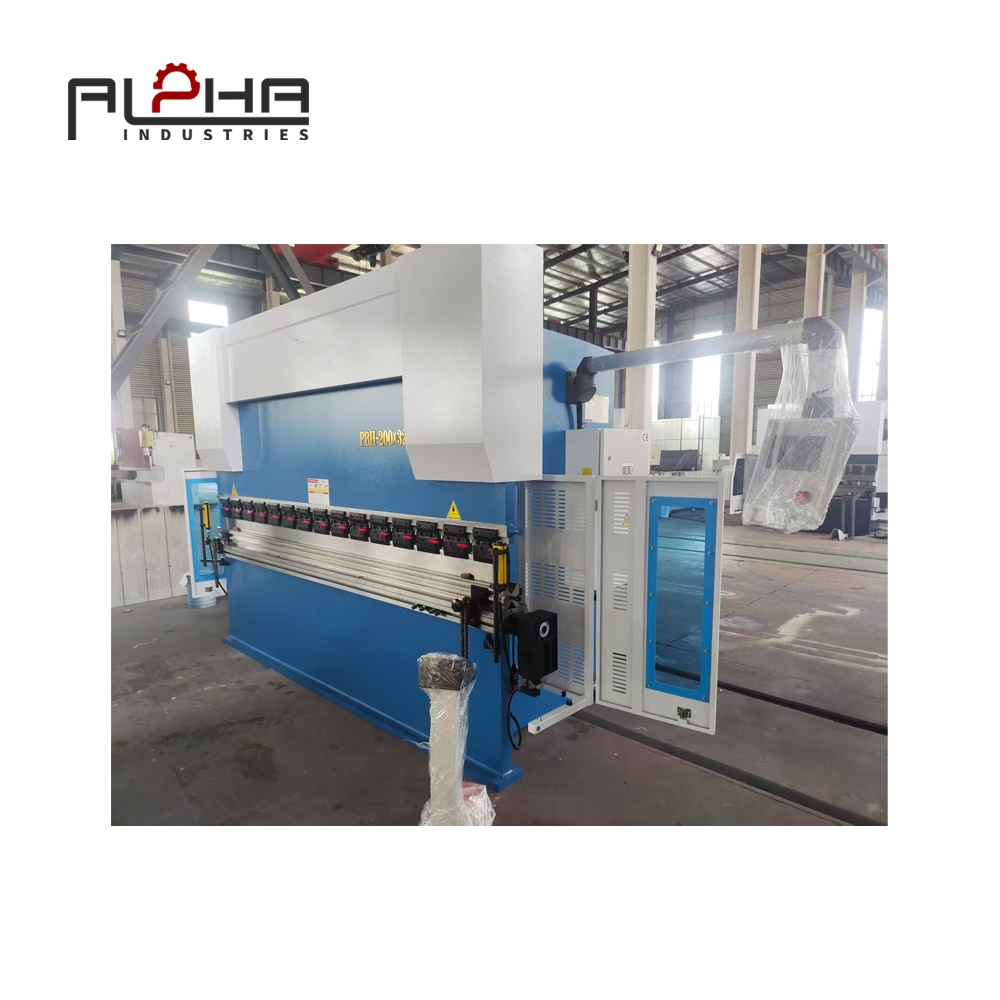


CNC Press Brake Setup Time Optimization for Sheet Metal Production in the Americas
For many sheet metal manufacturers across the Americas, the biggest challenge is no longer simply increasing bending force or machine speed.
The real challenge is maintaining productivity as production requirements become more flexible.
Manufacturers today are receiving more customized orders, shorter production runs, and more frequent product changes. A fabrication shop may need to produce different brackets, cabinets, frames, panels, and structural components within the same working day.
This creates a critical question:
How can manufacturers reduce press brake setup time while maintaining bending accuracy and production consistency?
For companies operating in the United States, Canada, Mexico, Brazil, and other American markets, reducing setup time has become an important factor in improving machine utilization, delivery performance, and overall manufacturing competitiveness.
A CNC press brake provides an effective solution by helping manufacturers standardize bending operations, reduce manual adjustments, and quickly switch between different production jobs.
Why Press Brake Setup Time Has Become a Major Challenge in the Americas
Traditional sheet metal production was often based on large-volume manufacturing. A machine could run the same part for several days or even weeks.
However, many modern manufacturers now operate under a different business model.
Customers increasingly require:
-
Customized components
-
Shorter delivery times
-
Smaller batch quantities
-
More product variations
-
Faster response to market changes
This means manufacturers must frequently change:
-
Materials
-
Sheet thickness
-
Tooling configuration
-
Bend angles
-
Part dimensions
-
Production programs
Every change creates a new setup requirement.
Even if the actual bending cycle only takes a few seconds, excessive setup time can reduce the total productivity of the entire production line.
The Hidden Cost of Long Press Brake Setup Time
Many manufacturers calculate productivity based only on machine running time. However, setup time can have a major impact on actual production efficiency.
A typical setup process may include:
-
Reviewing drawings
-
Selecting tooling
-
Installing punches and dies
-
Adjusting backgauge positions
-
Programming bending sequences
-
Producing trial parts
-
Measuring dimensions
-
Correcting parameters
-
Approving the first production piece
Each individual step may appear small. But when a manufacturer changes jobs multiple times per day, these minutes accumulate.
For example, if a fabrication company changes production jobs six times per shift and each setup requires 20 minutes, the total setup loss becomes 120 minutes per shift.
That means two hours of potential production time are consumed by preparation activities.
For high-mix manufacturers, reducing setup time can sometimes create more production capacity without purchasing additional equipment.
Why Traditional Press Brake Setup Takes Too Long
Traditional bending operations often depend heavily on operator experience.
An experienced operator understands:
-
How different materials react during bending
-
How much springback compensation is required
-
Which tooling combination is suitable
-
How to position the workpiece
-
How to adjust bending parameters
This experience is valuable. However, it can also create production dependency.
When every setup decision relies on personal experience, different operators may achieve different results.
This can lead to:
-
Longer adjustment time
-
More trial bending
-
Inconsistent production quality
-
Difficulty training new operators
-
Reduced flexibility between shifts
Modern CNC press brakes address this challenge by converting manual knowledge into repeatable production parameters.
How CNC Press Brake Technology Reduces Setup Time
A CNC press brake improves setup efficiency by allowing manufacturers to store and reuse proven production information.
Instead of manually recreating every job, operators can recall previous programs and quickly prepare the machine.
CNC Program Storage
A CNC system can store bending programs for different products.
These programs may include:
-
Bend sequence
-
Backgauge position
-
Bending depth
-
Number of bends
-
Tooling information
-
Production parameters
When the same product returns to production, the operator does not need to start from zero.
This reduces preparation time and improves repeatability.
Faster Backgauge Adjustment
The backgauge directly affects part positioning accuracy.
Manual adjustment requires measurement and repeated checking. A CNC-controlled backgauge can automatically move to programmed positions.
This helps manufacturers:
-
Reduce manual measurement
-
Improve positioning consistency
-
Shorten setup procedures
-
Reduce operator adjustment time
For manufacturers producing different part sizes every day, this capability can significantly improve workflow efficiency.
Tooling Management: A Key Factor in Faster Press Brake Changeover
Tool selection is one of the most important parts of press brake setup.
Incorrect tooling can create problems such as:
-
Incorrect bend radius
-
Surface damage
-
Additional adjustments
-
Unstable bending results
Efficient tooling management helps reduce downtime.
Manufacturers can improve setup efficiency by:
-
Standardizing commonly used tools
-
Organizing tooling according to applications
-
Preparing tools before production
-
Recording successful tooling combinations
The goal is to make tooling selection predictable instead of depending on trial and error.
Reducing Trial Bending Through Better Process Control
Trial bending is often necessary during a new setup. However, excessive trial parts indicate that the process is not sufficiently standardized.
Common reasons for repeated trial bending include:
-
Incorrect program parameters
-
Material differences
-
Wrong tooling selection
-
Incorrect bend sequence
-
Operator adjustment errors
A CNC press brake helps reduce unnecessary trial bending by allowing manufacturers to reuse validated programs.
The result is:
-
Faster production approval
-
Less material waste
-
More stable quality
-
Shorter machine preparation time
Why High-Mix Manufacturers Benefit Most from CNC Press Brakes
High-volume production benefits from speed. High-mix production benefits from flexibility.
Many American fabrication companies operate in environments where customers require different products rather than millions of identical parts.
Industries that often require flexible bending solutions include:
-
Electrical enclosures
-
HVAC equipment
-
Construction machinery
-
Agricultural equipment
-
Industrial equipment
-
Transportation components
-
General fabrication
For these manufacturers, the ability to quickly move from one job to another is extremely valuable.
A CNC press brake supports this production model by making job changes more efficient.
Improving Production Flow Through Standardized Bending Processes
Reducing setup time is not only about machine technology. It is also about creating a better production system.
Manufacturers can improve press brake efficiency through:
Standardized Programs
Create approved bending programs for repeat products.
Setup Documentation
Record successful tooling combinations and parameters.
Operator Training
Ensure operators follow consistent procedures.
First-Part Verification
Approve the first part before full production.
Tool Organization
Make commonly used tooling easy to identify and access.
When these practices are combined with CNC technology, manufacturers can create a more predictable bending process.
How Press Brake Setup Reduction Helps Solve Labor Challenges
Many manufacturers across the Americas face difficulty finding experienced fabrication workers.
A long learning curve can make it challenging to expand production capacity.
Reducing setup complexity helps make machine operation more accessible.
Modern CNC press brakes can assist operators by providing:
-
Stored programs
-
Digital positioning
-
Automated movement control
-
Repeatable processes
-
Easier job changeovers
This does not eliminate the importance of skilled operators. Instead, it helps manufacturers capture production knowledge and make it easier to reproduce successful results.
What Should Manufacturers Consider When Choosing a CNC Press Brake?
When selecting a press brake for flexible production, manufacturers should consider more than bending capacity.
Important factors include:
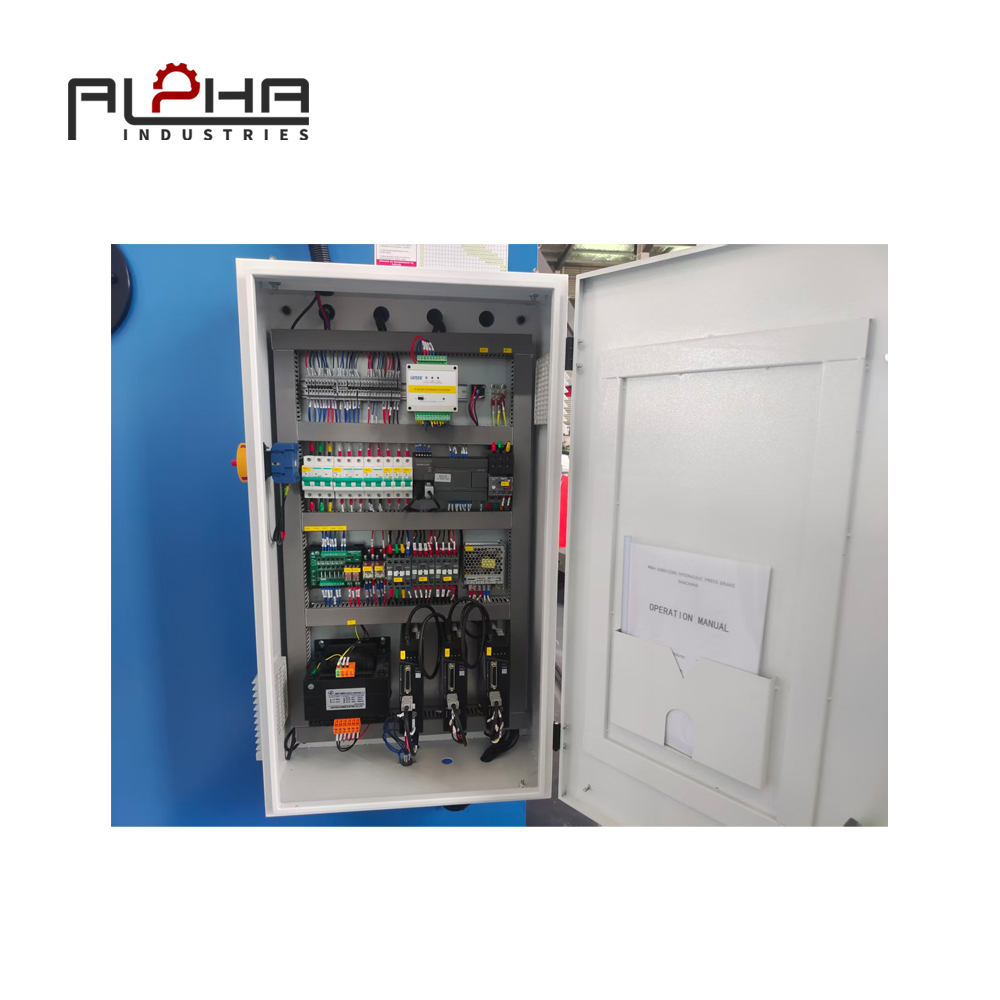
CNC Control System
A user-friendly CNC system can reduce programming difficulty and improve operator efficiency.
Backgauge Configuration
The correct axis configuration depends on part complexity and production requirements.
Tooling Compatibility
The machine should support the tooling required for current and future products.
Bending Accuracy
Stable accuracy reduces adjustment time and improves production consistency.
Machine Reliability
A reliable machine reduces unexpected downtime during production.
Service Support
Technical support and spare parts availability are important for long-term operation.
How Alpha CNC Helps Manufacturers Improve Press Brake Efficiency
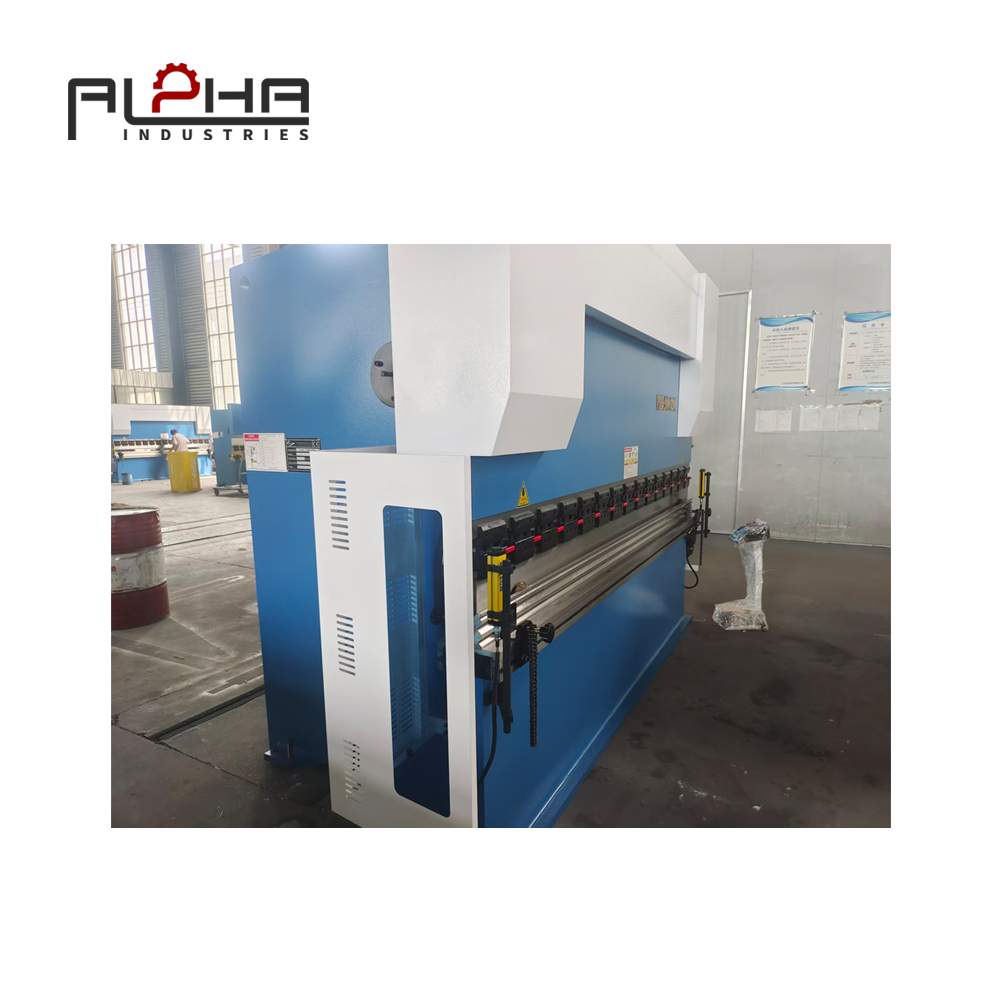
Alpha CNC provides CNC press brake solutions designed for modern sheet metal manufacturing requirements.
For manufacturers in the Americas, Alpha CNC focuses on helping customers improve:
-
Bending accuracy
-
Production flexibility
-
Setup efficiency
-
Machine utilization
-
Manufacturing consistency
Every fabrication business has different requirements.
The ideal press brake configuration depends on:
-
Material type
-
Thickness range
-
Production volume
-
Part complexity
-
Required accuracy
-
Future expansion plans
Alpha CNC works with manufacturers to identify suitable CNC bending solutions based on their actual production needs.
Frequently Asked Questions
How can a press brake reduce setup time?
A CNC press brake reduces setup time by using stored programs, automatic positioning, repeatable parameters, and improved tooling management.
Why is setup time important in sheet metal fabrication?
Setup time directly affects machine utilization. Long setup periods reduce available production hours and increase manufacturing costs.
Are CNC press brakes suitable for small batch production?
Yes. CNC press brakes are especially useful for small-batch and high-mix production because programs can be saved and reused for different jobs.
Can CNC press brakes reduce dependence on operator experience?
CNC systems can reduce the amount of manual adjustment required by storing production parameters and improving process repeatability.
What affects press brake changeover time?
Major factors include tooling changes, programming, material preparation, machine adjustment, first-piece inspection, and operator experience.
How do manufacturers improve press brake productivity?
Manufacturers can improve productivity through CNC programming, standardized processes, proper tooling management, operator training, and reducing unnecessary setup activities.
Conclusion
For manufacturers across the Americas, improving press brake productivity is not only about increasing bending speed.
In a high-mix manufacturing environment, the ability to quickly change between different jobs has become equally important.
Reducing setup time allows manufacturers to:
-
Increase machine utilization
-
Improve delivery performance
-
Reduce production delays
-
Handle more customized orders
-
Improve overall manufacturing efficiency
A CNC press brake provides the technology foundation for faster, more consistent, and more flexible sheet metal production.
By combining CNC control, standardized processes, proper tooling management, and accurate positioning, manufacturers can transform press brake operations into a more efficient production system.
Contact Alpha CNC
If you are looking for a CNC press brake solution to improve bending efficiency and reduce setup time, Alpha CNC can provide professional recommendations based on your production requirements.
Contact Alpha CNC: