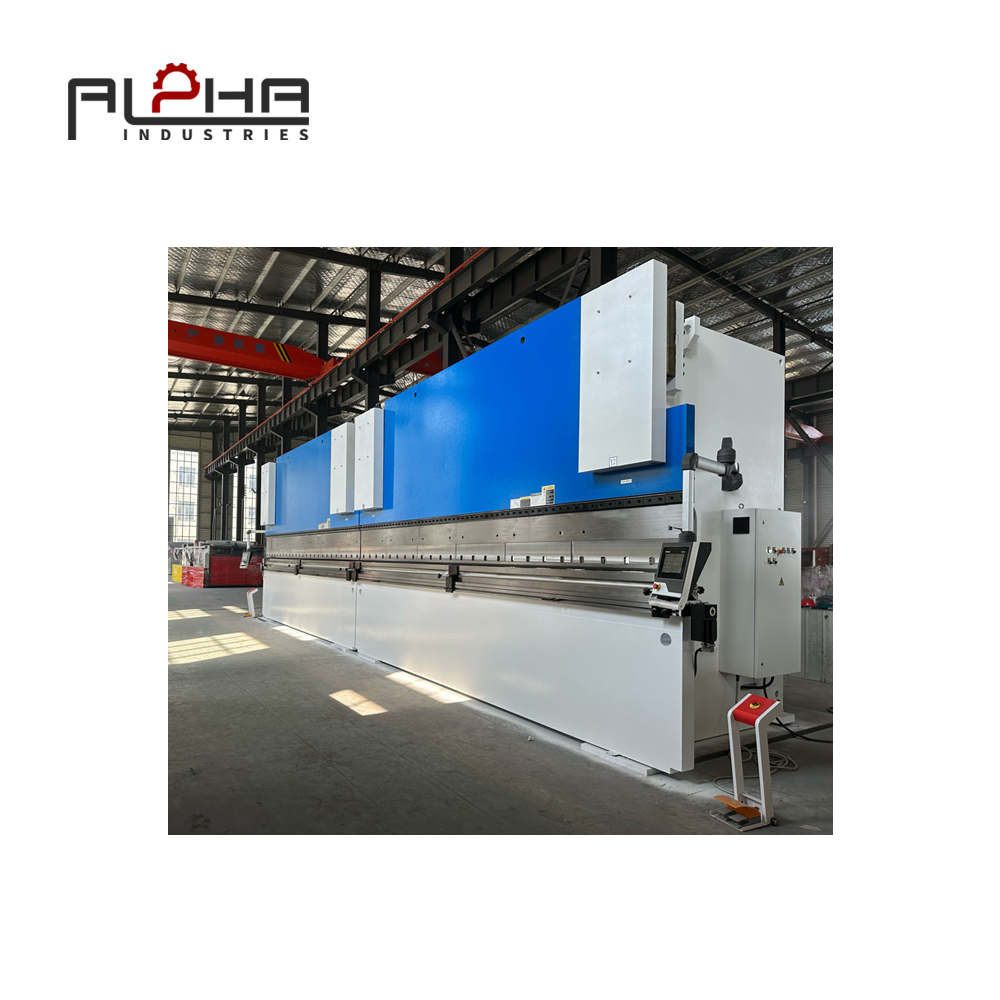


CNC Press Brake Process Standardization: Building More Reliable Sheet Metal Manufacturing in the Americas
For sheet metal manufacturers across the Americas, maintaining consistent bending quality has become one of the biggest challenges in modern fabrication.
Manufacturers are no longer competing only on production volume.
They are competing on:
-
Faster delivery
-
Higher precision
-
Flexible production capability
-
Consistent quality
-
Lower operating costs
Industries such as automotive components, electrical cabinets, HVAC systems, construction equipment, agricultural machinery, and industrial products increasingly require complex sheet metal parts with strict dimensional requirements.
A single production order may involve different materials, thicknesses, bend angles, and component designs.
This creates a major challenge:
How can manufacturers maintain stable bending accuracy when production requirements constantly change?
The answer is not simply purchasing a higher-tonnage machine.
The key is creating a standardized bending process.
A CNC press brake helps manufacturers transform bending operations from an experience-dependent process into a more controlled and repeatable manufacturing system.
For American manufacturers facing quality pressure, labor challenges, and increasing customization demands, process standardization has become an important strategy for improving productivity.
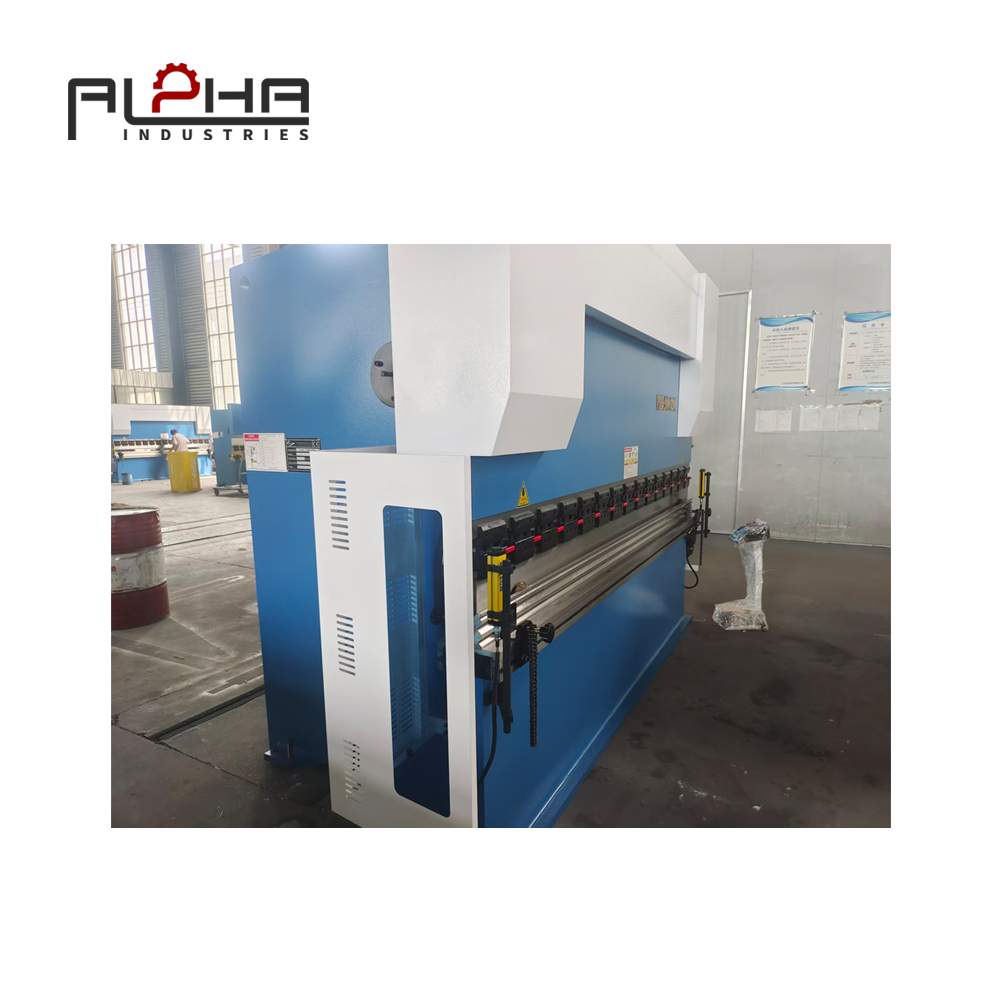
Why Bending Consistency Has Become a Major Challenge in the Americas
The sheet metal industry in North America and Latin America is becoming increasingly flexible.
Many manufacturers are moving away from traditional mass production models and adopting high-mix production strategies.
Customers now expect:
-
Customized products
-
Shorter lead times
-
Smaller order quantities
-
Faster design changes
-
More complex geometries
This production environment creates frequent changes in:
-
Material type
-
Sheet thickness
-
Tooling selection
-
Bending sequence
-
Production quantity
-
Part dimensions
Each change introduces possible variation.
Even a small difference in bending results can create problems during assembly.
For example:
-
A flange dimension is slightly incorrect
-
A bend angle does not meet tolerance
-
Multiple parts cannot fit together correctly
-
Additional manual correction is required
These issues increase production time and reduce profitability.
Modern CNC press brake systems are increasingly focused on repeatability, digital control, and reducing dependence on manual adjustment.
The Hidden Cost of Inconsistent Press Brake Operations
Many manufacturers focus on visible costs:
-
Material price
-
Machine investment
-
Labor cost
However, inconsistent bending creates hidden costs that are often overlooked.
Additional Inspection Time
When bending accuracy is unstable, quality teams must spend more time checking dimensions and approving parts.
Increased Rework
Incorrect bends may require:
-
Manual correction
-
Additional machining
-
Repositioning
-
Complete part replacement
Production Delays
If a batch fails inspection, the entire production schedule may be affected.
Dependence on Individual Operators
When only experienced operators understand how to achieve accurate results, production becomes difficult to scale.
A standardized CNC press brake process helps reduce these hidden costs by creating a repeatable production method.
Why Traditional Press Brake Operations Depend on Operator Experience
Press brake bending involves many variables.
The final bending result depends on:
-
Material properties
-
Sheet thickness
-
Tool selection
-
Punch and die combination
-
Bend sequence
-
Backgauge position
-
Machine accuracy
-
Springback behavior
Experienced operators often develop valuable knowledge through years of production experience.
They understand:
-
How much compensation is needed
-
How materials behave
-
How to adjust bending parameters
-
How to solve unexpected problems
However, relying entirely on individual experience creates challenges.
When skilled operators retire, change positions, or move to other companies, important production knowledge can disappear.
For manufacturers facing workforce pressure, converting personal experience into standardized production data becomes increasingly important.
How CNC Press Brake Improves Process Standardization
A CNC press brake helps manufacturers create repeatable bending operations by controlling critical production parameters.
Instead of depending only on manual adjustments, CNC technology allows manufacturers to store and reuse proven bending processes.
Important standardized elements include:
-
CNC programs
-
Bend sequence
-
Backgauge position
-
Tool configuration
-
Material information
-
Bending parameters
-
Production instructions
Once a successful process has been verified, it can be repeated for future production.
This reduces variation between:
-
Different operators
-
Different shifts
-
Different production batches
CNC Programming: Turning Experience Into Repeatable Production Knowledge
One of the biggest advantages of CNC press brakes is program storage.
Traditional bending operations often require operators to manually recreate settings.
A CNC system allows manufacturers to save successful bending programs.
A typical program may include:
-
Number of bends
-
Bend angles
-
Positioning data
-
Ram movement
-
Backgauge coordinates
-
Tool information
When the same product returns to production, operators can quickly recall the previous setup.
This provides several benefits:
-
Reduced setup time
-
Fewer trial pieces
-
Faster production preparation
-
More consistent results
For manufacturers producing hundreds of different components, this capability can significantly improve workflow efficiency.
Backgauge Accuracy: The Foundation of Repeatable Bending
The backgauge plays a critical role in press brake accuracy.
Even if the bending angle is correct, incorrect positioning can cause dimensional problems.
A small positioning error can affect:
-
Flange length
-
Hole location
-
Overall dimensions
-
Assembly accuracy
CNC-controlled backgauges improve repeatability by automatically moving to programmed positions.
This allows manufacturers to reduce dependence on manual measurement.
For high-mix production environments, accurate positioning is essential because different jobs may require different setups throughout the day.
Tooling Standardization Improves Press Brake Efficiency
Tooling selection directly affects bending quality.
Incorrect tooling can cause:
-
Unstable bending results
-
Surface damage
-
Incorrect radius
-
Additional adjustments
Manufacturers can improve consistency by creating standardized tooling strategies.
Creating Tool Libraries
Record commonly used punches and dies for different applications.
Matching Tools With Materials
Define recommended tooling combinations for specific thickness ranges.
Organizing Tool Storage
Reduce time spent searching for required tools.
Recording Successful Applications
Keep production information available for future jobs.
When tooling information becomes part of the standardized process, operators can achieve reliable results faster.
Managing Material Variation During Press Brake Bending
Material variation is one of the biggest challenges in sheet metal fabrication.
Even when materials have the same specification, differences may occur in:
-
Thickness
-
Strength
-
Hardness
-
Grain direction
These differences can influence bending results.
One important issue is springback.
After bending force is released, metal naturally attempts to return toward its original shape.
The amount of springback depends on:
-
Material characteristics
-
Bend radius
-
Thickness
-
Tooling
-
Bending method
A standardized process does not eliminate material variation completely.
Instead, it helps manufacturers identify, measure, and control these differences more effectively.
Why Process Standardization Matters for High-Mix Production
High-mix manufacturing requires flexibility.
A fabrication company may produce:
-
A machine enclosure today
-
A construction component tomorrow
-
A custom bracket next week
Every product may require different bending parameters.
Without standardization, every new order becomes a new challenge.
With CNC press brake technology, manufacturers can build a digital production library.
This allows them to:
-
Reuse previous experience
-
Reduce programming time
-
Improve repeat orders
-
Maintain consistent quality
This approach is especially valuable for small and medium-sized manufacturers that need flexibility without sacrificing precision.
Reducing Quality Problems Through First-Piece Approval
First-piece inspection is an important part of standardized bending.
Before producing a large batch, manufacturers can verify:
-
Bend angle
-
Part dimensions
-
Hole position
-
Surface condition
-
Assembly requirements
After approval, the validated setup becomes the production standard.
This prevents problems from spreading throughout the entire batch.
A reliable first-piece process helps manufacturers control:
-
Quality
-
Material usage
-
Production timing
-
Customer satisfaction
Choosing the Right CNC Press Brake for Standardized Production
When selecting a press brake, manufacturers should evaluate more than machine capacity.
Important factors include:
CNC Control Capability
The control system should support convenient programming, storage, and operation.
Machine Accuracy
Stable mechanical performance is essential for repeatable bending.
Backgauge Configuration
Different part geometries require different positioning capabilities.
Tooling Compatibility
The machine should support the tooling system required for current and future products.
Service and Support
Long-term technical support helps maintain production stability.
The best machine is not always the largest machine.
The best solution is the one that matches the company's production requirements.
How Alpha CNC Supports Reliable Press Brake Manufacturing
Alpha CNC provides CNC press brake solutions designed for modern sheet metal fabrication.
For manufacturers across the Americas, Alpha CNC focuses on helping customers achieve:
-
Stable bending accuracy
-
Repeatable production processes
-
Improved workflow efficiency
-
Flexible manufacturing capability
Every manufacturing environment has unique requirements.
The correct press brake solution depends on:
-
Material range
-
Thickness requirements
-
Production volume
-
Part complexity
-
Accuracy standards
-
Future expansion plans
Alpha CNC works with customers to develop suitable bending solutions based on real production needs.
Frequently Asked Questions
What is process standardization in press brake manufacturing?
Process standardization means creating repeatable bending procedures using defined programs, tooling selections, machine parameters, and inspection methods.
Why is press brake consistency important?
Consistent bending reduces quality problems, rework, production delays, and dependence on individual operator experience.
Can a CNC press brake improve product quality?
Yes. CNC control improves repeatability by maintaining consistent positioning, bending sequences, and stored production parameters.
How does CNC programming help manufacturers?
CNC programming allows manufacturers to save and reuse successful bending processes, reducing setup time and improving repeat production accuracy.
What causes inconsistent press brake bending results?
Common causes include material variation, incorrect tooling, positioning errors, springback, machine adjustment, and inconsistent operating methods.
Is CNC press brake suitable for customized production?
Yes. CNC press brakes are highly suitable for customized and small-batch production because different bending programs can be stored and recalled quickly.
Conclusion
For sheet metal manufacturers in the Americas, improving press brake performance is not only about increasing machine power.
The real competitive advantage comes from creating a stable and repeatable manufacturing process.
A CNC press brake helps manufacturers standardize bending operations through:
-
Digital programming
-
Accurate positioning
-
Tool management
-
Process documentation
-
Repeatable production parameters
By reducing variation and improving consistency, manufacturers can achieve better quality, shorter production cycles, and stronger competitiveness in a demanding market.
For companies producing customized sheet metal components, process standardization is becoming one of the most important strategies for long-term manufacturing success.
Contact Alpha CNC
If you are looking for a CNC press brake solution to improve bending accuracy and production consistency, Alpha CNC can provide professional recommendations based on your manufacturing requirements.
Contact Us:
https://alpha-cnc.com/contact-us