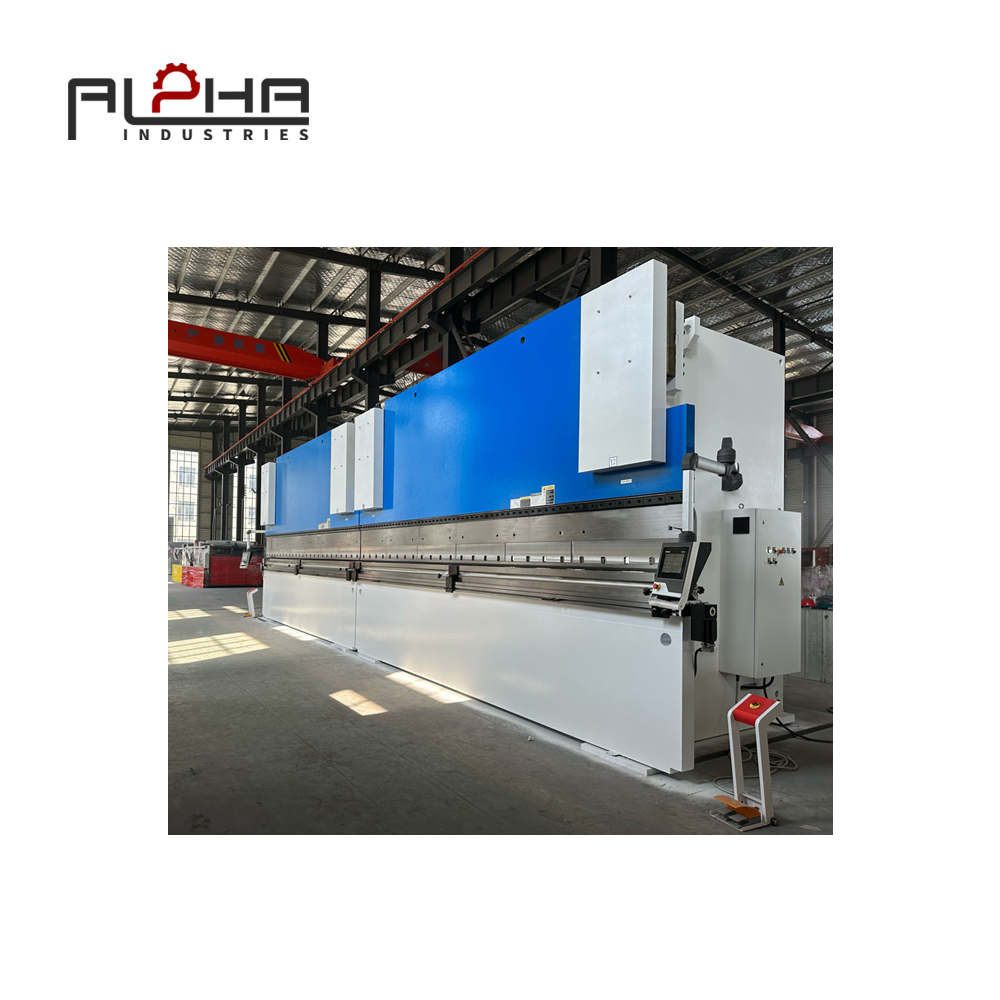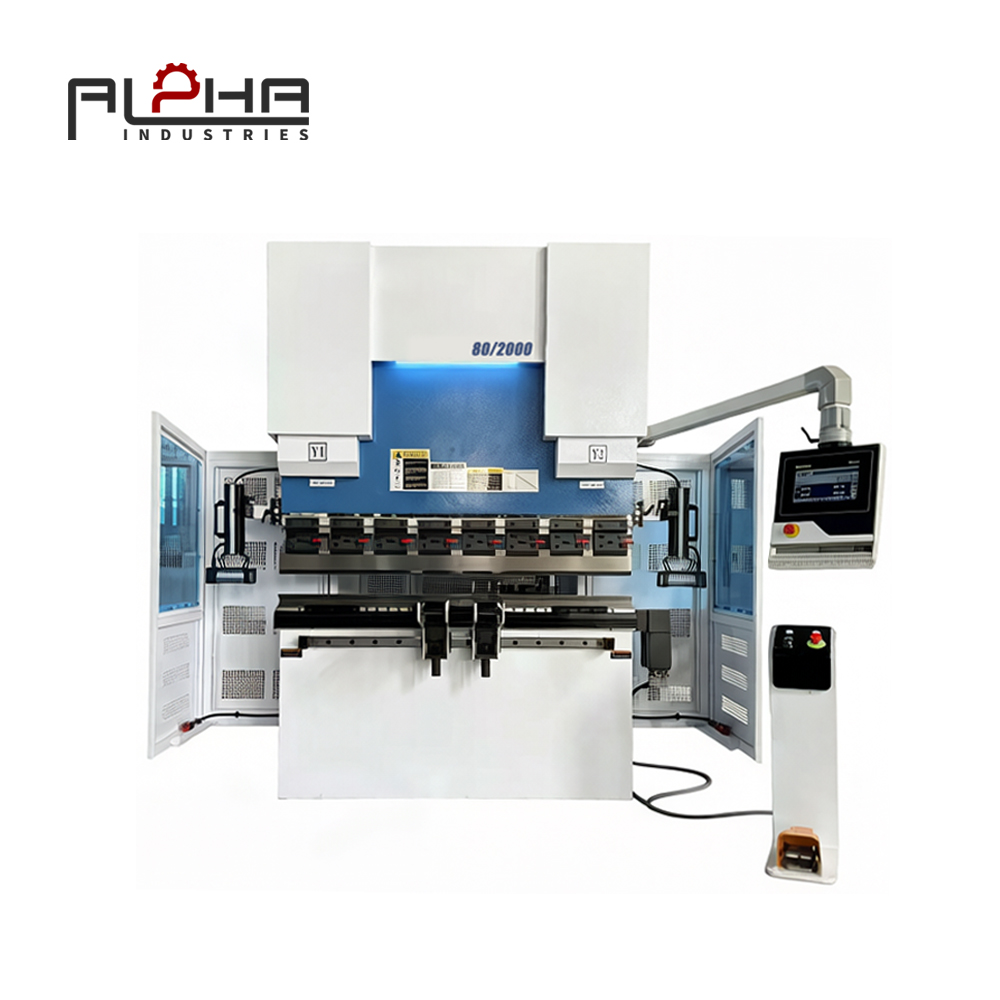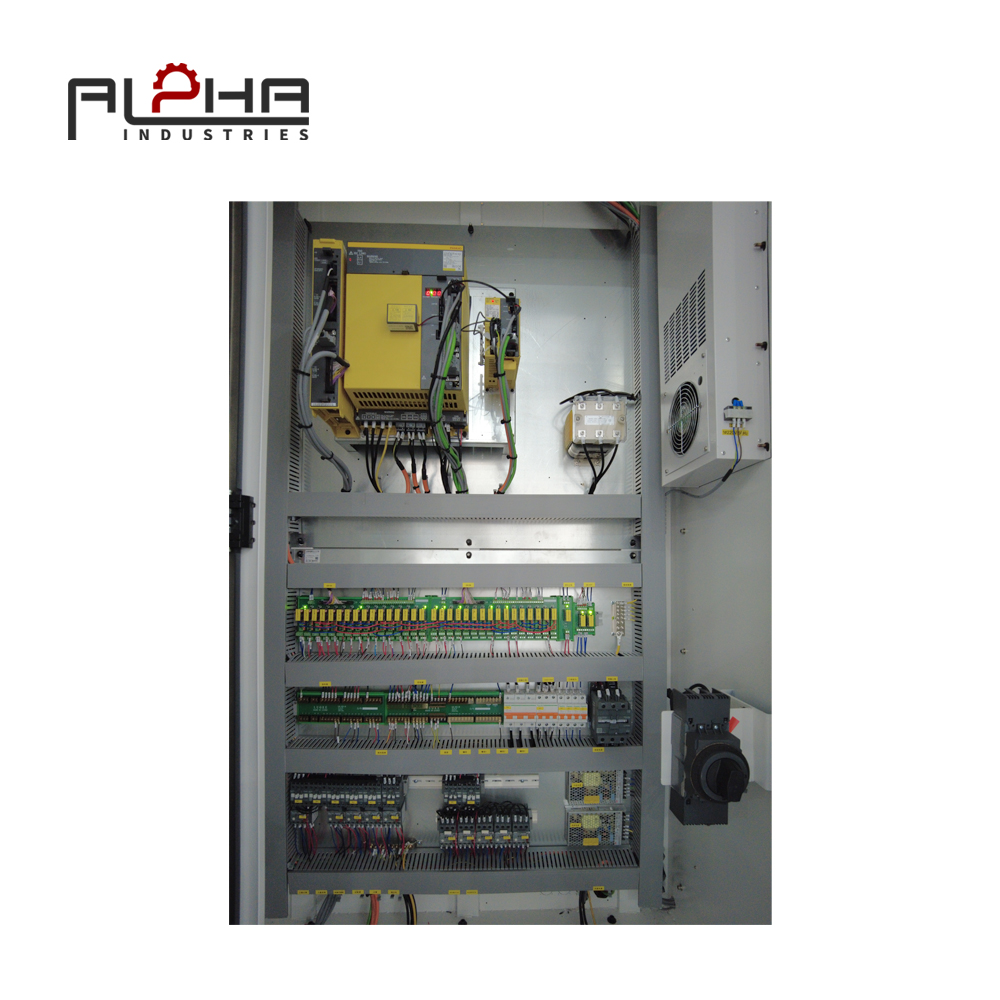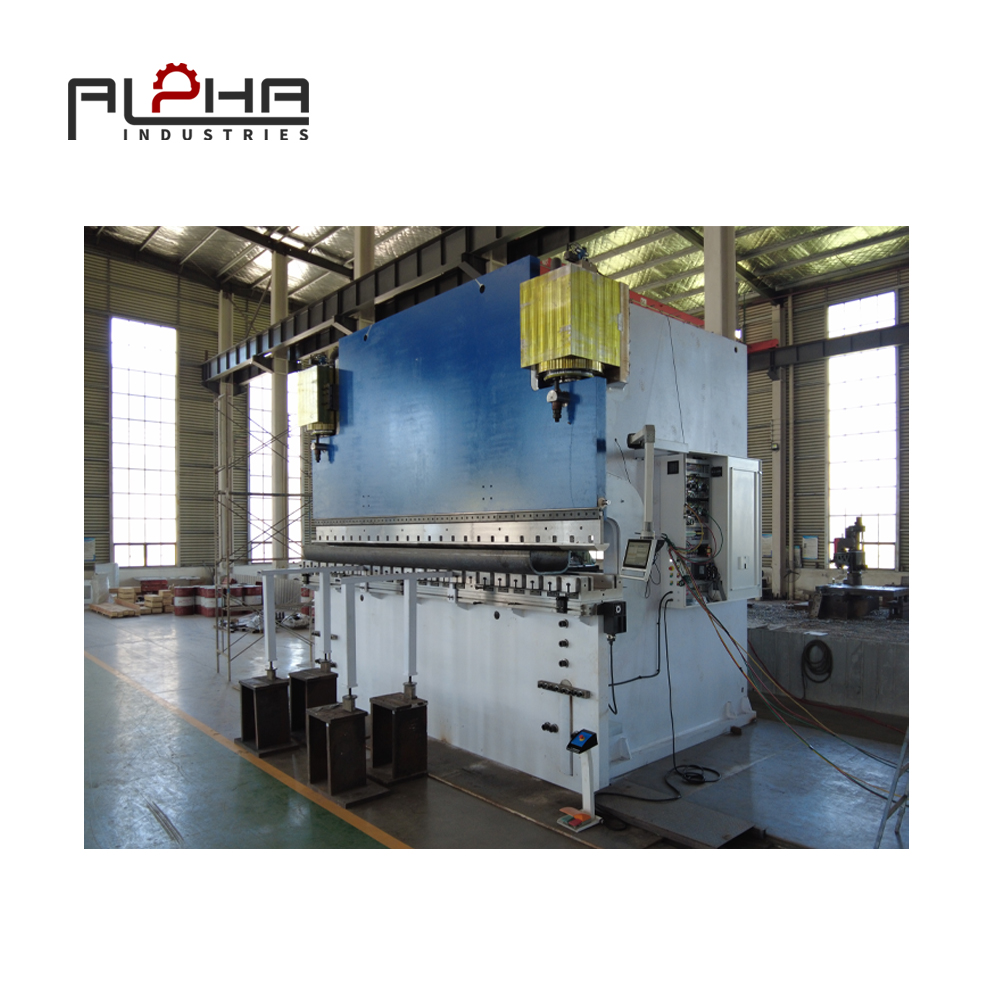


For sheet metal manufacturers across the Americas, a press brake is one of the most important machines in the fabrication process.
But owning a high-capacity press brake does not automatically guarantee consistent bending results.
In practical production, manufacturers need every part in a batch to meet the same dimensional and angular requirements. When one part is accurate but the next part requires manual correction, production efficiency quickly decreases.
This issue becomes even more important for manufacturers dealing with high-mix production, short lead times, different material thicknesses, and a shortage of experienced operators.
An inconsistent bending process can create more than a quality problem. It can increase scrap, rework, inspection time, machine downtime, and labor costs.
For this reason, press brake bending accuracy and repeatability deserve specific attention when manufacturers evaluate equipment and production processes.
The objective is straightforward:
Produce the correct bend and reproduce that result consistently.
Why Press Brake Repeatability Matters
A single accurate part does not necessarily indicate a stable bending process.
Imagine a manufacturer producing 200 identical sheet metal components.
The first part is measured and found to be within tolerance. However, as production continues, several parts show small variations in bend angle or flange dimensions.
The operator begins making adjustments.
Production stops.
The quality team performs additional inspections.
Some parts need to be reworked.
Others may have to be scrapped.
The direct material loss may appear small, but the total production cost can become significant when labor, machine time, and delivery delays are included.
This is why repeatability is critical.
A repeatable press brake process should allow manufacturers to produce multiple parts with minimal variation after the correct setup has been established.
Accuracy vs. Repeatability in Press Brake Bending
Accuracy and repeatability are related but represent different aspects of machine performance.
Accuracy describes how close the actual result is to the required target.
Repeatability describes how consistently the machine can reproduce that result.
For example, if a component requires a 90-degree bend and the machine repeatedly produces 90 degrees, both accuracy and repeatability are strong.
If the machine repeatedly produces 91 degrees, it may be repeatable but not accurate.
If it produces 89.5, 90.5, and 91 degrees from different cycles, repeatability is also a problem.
For production manufacturers, both characteristics matter.
A reliable bending process needs to reach the required target and maintain that result throughout production.
What Causes Press Brake Bending Variation?
Bending variation can come from multiple sources.
The most common factors include:
-
Material properties
-
Material thickness
-
Springback
-
Machine deflection
-
Backgauge positioning
-
Tooling selection
-
Tool wear
-
Bend sequence
-
Workpiece positioning
-
Machine calibration
-
CNC parameters
-
Operator setup
Because these factors interact, manufacturers should avoid assuming that every accuracy problem is caused by the press brake itself.
A dimensional problem may originate from incorrect positioning.
An angle problem may be related to material springback.
Variation across a long workpiece may be related to machine deflection.
The first step toward improvement is identifying the source of the variation.
Material Properties and Springback
Material behavior is one of the biggest variables in bending.
Different materials respond differently to forming forces.
Even material with the same nominal thickness may have differences in mechanical properties that influence the final bending angle.
One important factor is springback.
After the bending force is released, the material tends to partially return toward its original shape.
The amount of springback can vary according to:
-
Material strength
-
Material thickness
-
Bend angle
-
Bend radius
-
Material type
-
Grain direction
This means that achieving a precise bend angle may require compensation for actual material behavior.
For manufacturers processing different grades and thicknesses, understanding these variations is an important part of maintaining consistent production.
Backgauge Positioning and Dimensional Accuracy
A press brake can produce the correct bending angle while still producing an incorrect part dimension.
Why?
Because the workpiece must be positioned correctly before bending.
The backgauge determines where the sheet is placed relative to the tooling.
If the position changes between cycles, flange dimensions can change.
This is particularly important when producing components with multiple bends.
A small positioning error during the first bend can affect subsequent dimensions.
CNC backgauges can help establish repeatable positioning based on programmed coordinates.
This can reduce dependence on manual measurement and make repeated production easier to standardize.
For manufacturers handling multiple part numbers, stored positioning data can also reduce setup time between jobs.
Machine Deflection and Long Bends
Machine deflection becomes increasingly relevant as bending length and forming force increase.
During bending, the machine frame and working components are subjected to significant forces.
For long workpieces, the resulting deflection can influence the consistency of the bend along the entire working length.
The center of a long workpiece may therefore require compensation compared with the areas closer to the machine sides.
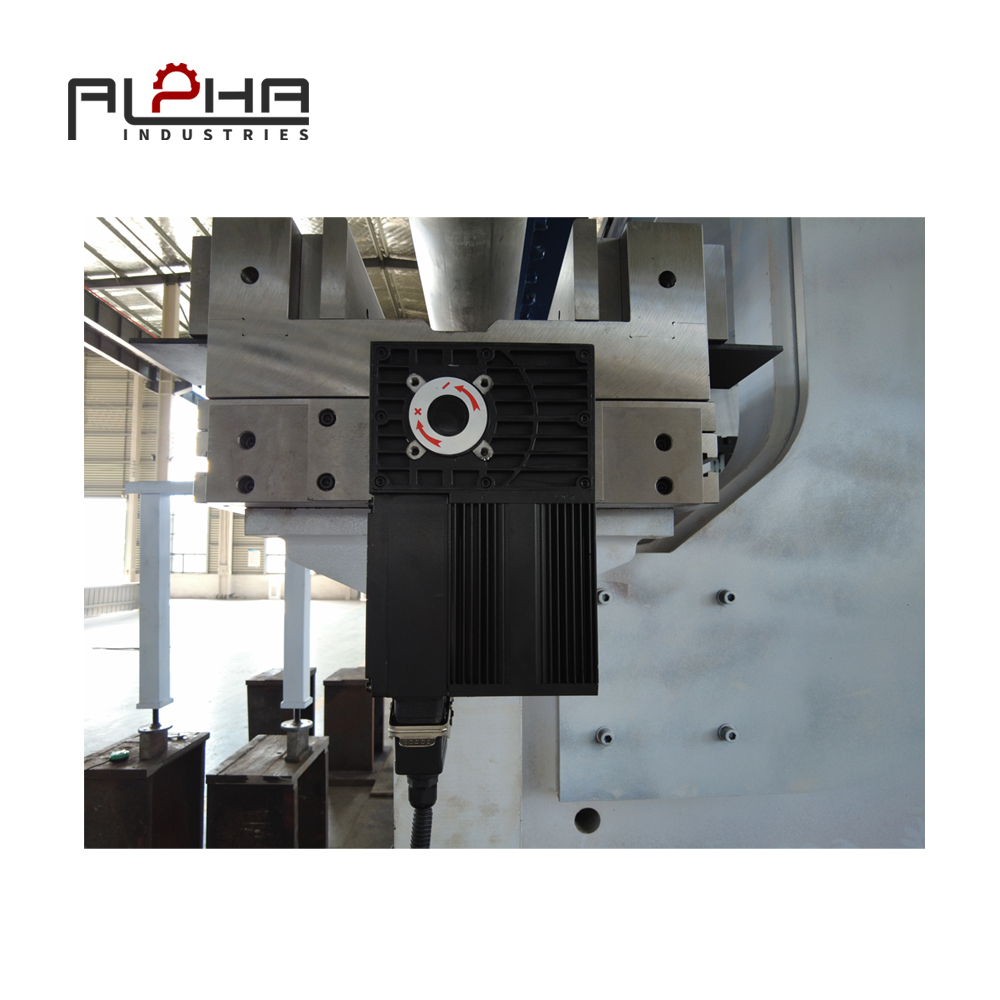
This is where press brake crowning becomes particularly relevant.
A suitable crowning system can compensate for deflection and help maintain a more consistent relationship between the tooling and workpiece.
For manufacturers producing long panels, large enclosures, or wide sheet metal components, this should be considered when selecting machine configuration.
How Crowning Supports Consistent Bending
Crowning is designed to compensate for deformation that occurs during the bending process.
Without appropriate compensation, the bending result may vary along the working length, especially when high bending forces are involved.
The importance of crowning depends on the application.
Manufacturers should consider:
-
Machine length
-
Required bending force
-
Material thickness
-
Part dimensions
-
Required tolerance
-
Typical production volume
For short components, deflection may have a smaller influence.
For longer components, compensation can become a much more important part of achieving consistent results.
Therefore, crowning should be evaluated according to the actual production requirements rather than treated simply as a standard feature.
Tooling Selection and Bend Consistency
Tooling has a direct relationship with bending performance.
The punch and die should be selected according to the material, thickness, bend radius, and required geometry.
Incorrect tooling can result in:
-
Incorrect bend radius
-
Excessive forming force
-
Surface marks
-
Unstable bending
-
Increased setup time
-
Reduced repeatability
Tool condition is equally important.
Damaged or excessively worn tooling can introduce variation into the bending process.
For this reason, manufacturers should establish regular tooling inspection and replacement procedures.
Consistent tooling conditions make it easier to maintain consistent bending results.
Why Setup Errors Create Rework
Many bending problems occur during setup rather than during the actual bending cycle.
An operator may select the wrong tooling, load the wrong program, or position the workpiece incorrectly.
Even a small setup error can be repeated across an entire batch if it is not identified during first-part inspection.
A standardized setup process can help prevent this.
A practical workflow may include:
-
Verify the material.
-
Confirm material thickness.
-
Select the correct tooling.
-
Check tooling condition.
-
Load the correct CNC program.
-
Confirm backgauge positions.
-
Check the bend sequence.
-
Produce the first part.
-
Measure critical dimensions.
-
Release the batch for production.
This approach helps move quality control toward the beginning of the process instead of discovering problems after dozens of parts have already been produced.
CNC Press Brake and Production Repeatability
CNC technology can make repeatable bending easier to manage.
Instead of manually entering or adjusting every position for every production cycle, CNC systems can store and recall established programs.
Depending on the machine configuration, CNC control can coordinate:
-
Ram movement
-
Backgauge positioning
-
Bend sequences
-
Program parameters
-
Tooling information
-
Production settings
This is particularly useful for repeat orders.
Once a job has been properly established, the same production information can be recalled for future batches.
This can reduce repeated setup work and make production less dependent on individual operator memory.
Reducing Operator Dependency
Experienced operators remain important in sheet metal manufacturing.
They understand how different materials behave, how to select tooling, and how to identify potential bending problems.
However, relying entirely on individual experience can create production risks.
When experienced personnel are unavailable, a highly manual process may become slower or less consistent.
CNC press brake technology can help standardize repetitive operations.
Instead of requiring operators to remember every parameter, the production process can preserve established programs and positioning information.
This does not eliminate the need for skilled operators.
It helps convert operator experience into a more repeatable production method.
High-Mix Production in the Americas
Many manufacturers in the Americas operate high-mix production environments.
They may produce a large number of different components in relatively small batches.
One production schedule may include:
-
Electrical cabinets
-
Machine enclosures
-
HVAC components
-
Industrial brackets
-
Automotive components
-
Equipment panels
-
Custom sheet metal parts
Every change can require new tooling, new dimensions, and a different bending sequence.
If each change requires extensive manual adjustment, setup time can consume a significant portion of available machine capacity.
CNC programming and repeatable positioning can help make these frequent changes more manageable.
This is one reason flexibility has become an important factor in press brake selection.
How to Reduce Press Brake Scrap
Scrap reduction begins with process control.
Manufacturers can take several practical steps to reduce unnecessary material loss.
Verify the First Part
Do not wait until the entire batch is completed before checking dimensions.
Inspect the first component carefully.
Control Material
Verify material thickness and type before loading the machine.
Standardize Tooling
Use established tooling combinations for recurring applications.
Maintain the Backgauge
Ensure positioning components are maintained and properly configured.
Record Adjustments
If a program requires correction, record the final parameters for future production.
Monitor Tool Wear
Replace or maintain tooling when wear begins to affect consistency.
Review Rework Data
Track which parts and operations generate the most rework.
This can reveal recurring problems that may otherwise remain hidden.
Press Brake Selection Beyond Tonnage
Tonnage is an important press brake specification, but it should not be the only consideration.
Manufacturers should evaluate the complete production process.
Important factors include:
Bending length: Choose a working length suitable for the largest components normally produced.
Bending force: Ensure the machine can handle the expected material and thickness range.
Backgauge configuration: Consider how complex the typical workpieces are and how many positioning axes are required.
CNC control: Evaluate programming, storage, operation, and production management functions.
Crowning: Consider compensation requirements for long or demanding bends.
Tooling: Check compatibility with existing and future tooling requirements.
Automation: Determine whether sheet followers, robotic handling, or other automation may be useful.
Service: Consider technical support, spare parts, and long-term machine maintenance.
This broader approach can help manufacturers select equipment according to actual production needs.
Press Brake Accuracy and Production Cost
Bending accuracy has a direct relationship with manufacturing cost.
Consider a component that requires three bending operations.
If each operation requires manual adjustment, the total setup time can become significant.
If an incorrect first bend creates a dimensional problem in the following operations, the part may require additional work.
When multiplied across hundreds or thousands of components, small inefficiencies become measurable costs.
Improving repeatability can therefore support cost control through:
-
Reduced scrap
-
Less rework
-
Shorter setup time
-
Fewer manual adjustments
-
More predictable production
-
Better machine utilization
The financial benefit of a press brake should therefore be evaluated over its production life, not only by its initial purchase price.
A Practical Strategy for Better Bending Accuracy
Manufacturers looking to improve bending performance can follow a simple process-control strategy.
First, identify the variation.
Determine whether the problem is related to angle, flange dimension, positioning, or another factor.
Second, isolate the cause.
Check material, tooling, machine setup, backgauge, and program parameters.
Third, establish a controlled setup.
Use standardized tooling and machine parameters.
Fourth, verify the first part.
Measure critical dimensions before continuing production.
Fifth, document the final process.
Save the corrected CNC program and setup information.
Finally, reproduce the process.
Use the established information for future production.
This turns bending accuracy from an individual adjustment into a repeatable manufacturing procedure.
Press Brake Solutions for Modern Sheet Metal Manufacturing
Manufacturers across the Americas are under continuous pressure to produce more efficiently while maintaining consistent quality.
Labor availability, material costs, customer tolerances, and shorter delivery expectations all increase the importance of production stability.
For a press brake, production stability begins with repeatable bending.
A suitable combination of CNC control, backgauge positioning, tooling, machine rigidity, and compensation can help manufacturers reduce variation and establish a more predictable workflow.
The goal is not simply to purchase a machine with a high specification.
The goal is to build a bending process that produces the right part consistently.
Frequently Asked Questions
What is press brake bending accuracy?
Press brake bending accuracy refers to how closely the finished workpiece matches the specified bend angle and dimensional requirements.
What is press brake repeatability?
Press brake repeatability refers to how consistently a machine can reproduce the same bending result over multiple production cycles.
What causes inconsistent press brake bending?
Material variation, springback, tooling, machine deflection, backgauge positioning, setup errors, and incorrect parameters can all contribute to inconsistent bending.
How does a CNC press brake improve repeatability?
A CNC press brake can store and reproduce programs, positioning coordinates, and bending sequences, helping reduce repeated manual adjustments.
Why is backgauge accuracy important?
The backgauge positions the workpiece before bending. Consistent positioning helps maintain repeatable flange dimensions.
What is press brake crowning?
Crowning is a compensation method designed to address machine deflection during bending and help maintain consistent results along the working length.
Can a press brake reduce scrap?
A controlled bending process can reduce scrap by identifying setup errors early, improving positioning, and maintaining more consistent bending conditions.
Why does tooling affect bending accuracy?
The punch and die determine important aspects of the forming process, including bend geometry, radius, and force requirements. Incorrect or worn tooling can introduce variation.
Is a CNC press brake suitable for high-mix production?
CNC press brakes can be suitable for high-mix production because programs and positioning information can be stored and reused for different parts.
What should I consider when buying a press brake?
Consider bending force, working length, material range, CNC control, backgauge configuration, crowning, tooling, production volume, part complexity, and automation requirements.
Contact Us
Looking for a press brake solution for your sheet metal production?
ALPHA provides press brake and sheet metal machinery solutions for manufacturers with different bending lengths, material requirements, and production applications.
Contact ALPHA to discuss your bending requirements, machine configuration, CNC control, tooling, and other production needs.
ALPHA Website: https://alpha-cnc.com/
Contact Us: https://alpha-cnc.com/contact-us