

The Skilled Labor Crisis Is Reshaping Manufacturing Across the Americas
Manufacturing has entered a new era where machines are no longer the primary production bottleneck—people are.
Across the United States, Canada, Mexico, Brazil, Argentina, and many other countries throughout the Americas, manufacturers are struggling to recruit experienced CNC machinists. As older workers retire and fewer young professionals enter the machining industry, factories are experiencing an unprecedented shortage of qualified personnel.
According to multiple manufacturing industry reports, thousands of CNC-related positions remain unfilled every year. Even companies offering competitive salaries often struggle to recruit operators with sufficient programming knowledge, machining experience, and process optimization skills.
The shortage is affecting manufacturers across numerous industries, including:
- Automotive Components
- Aerospace Manufacturing
- Agricultural Machinery
- Energy Equipment
- Mold & Die Manufacturing
- Medical Devices
- Heavy Equipment
- Industrial Machinery
- Metal Fabrication
- Precision Engineering
For many manufacturers, labor shortages have become a larger obstacle than customer demand.
Instead of expanding production, factories are delaying orders because they simply cannot find enough qualified CNC professionals.
Why Skilled Labor Has Become So Difficult to Replace
The machining industry has changed dramatically over the past decade.
Modern components require:
- Higher dimensional accuracy
- More complex geometries
- Shorter production cycles
- More frequent product changes
- Smaller production batches
- Better surface finishes
- Faster delivery
At the same time, experienced machinists are retiring faster than new talent is entering the industry.
Several factors contribute to this challenge.
Aging Workforce
Many experienced CNC operators have accumulated decades of machining knowledge.
When they retire, they take valuable production experience with them. Training replacements often requires years.
Increasing CNC Complexity
Modern machining centers incorporate:
- Multi-axis interpolation
- High-speed machining
- Tool management
- Workpiece probing
- CAD/CAM integration
- Automation interfaces
Operating these systems efficiently requires far more knowledge than traditional manual machining.
Rising Labor Costs
Throughout the Americas, manufacturers continue facing increasing wages, recruitment expenses, employee turnover, and training investments.
Labor has become one of the largest components of manufacturing cost.
Why Traditional CNC Machines Depend Too Much on Operator Experience
Older CNC machining centers were designed during a period when experienced machinists were more readily available.
As a result, many production activities still depend heavily on operator judgment, including:
- Manual tool offset adjustments
- Work coordinate setting
- Program verification
- Tool wear compensation
- Process optimization
- Fixture positioning
- Troubleshooting alarms
When experienced operators are unavailable, machining quality can become inconsistent.
Production efficiency decreases while scrap rates increase.
How Modern Vertical Machining Centers Reduce Operator Dependency
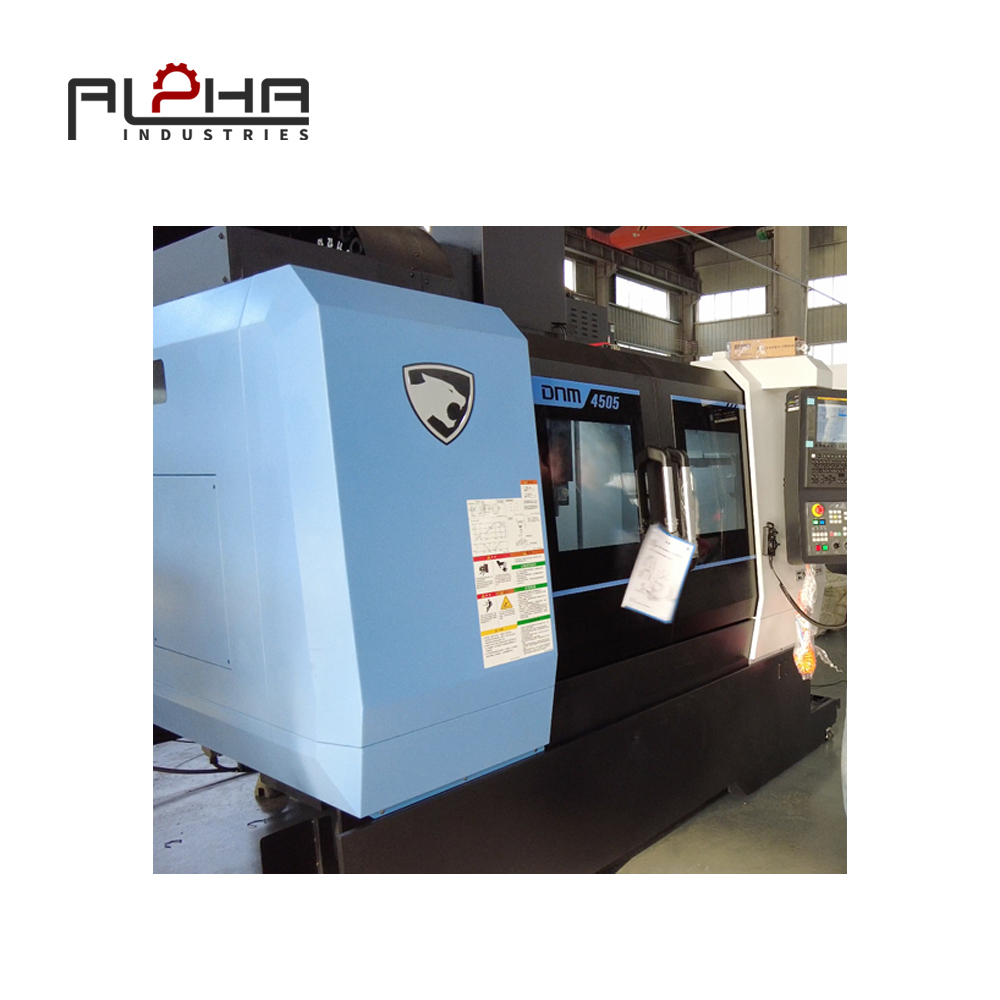
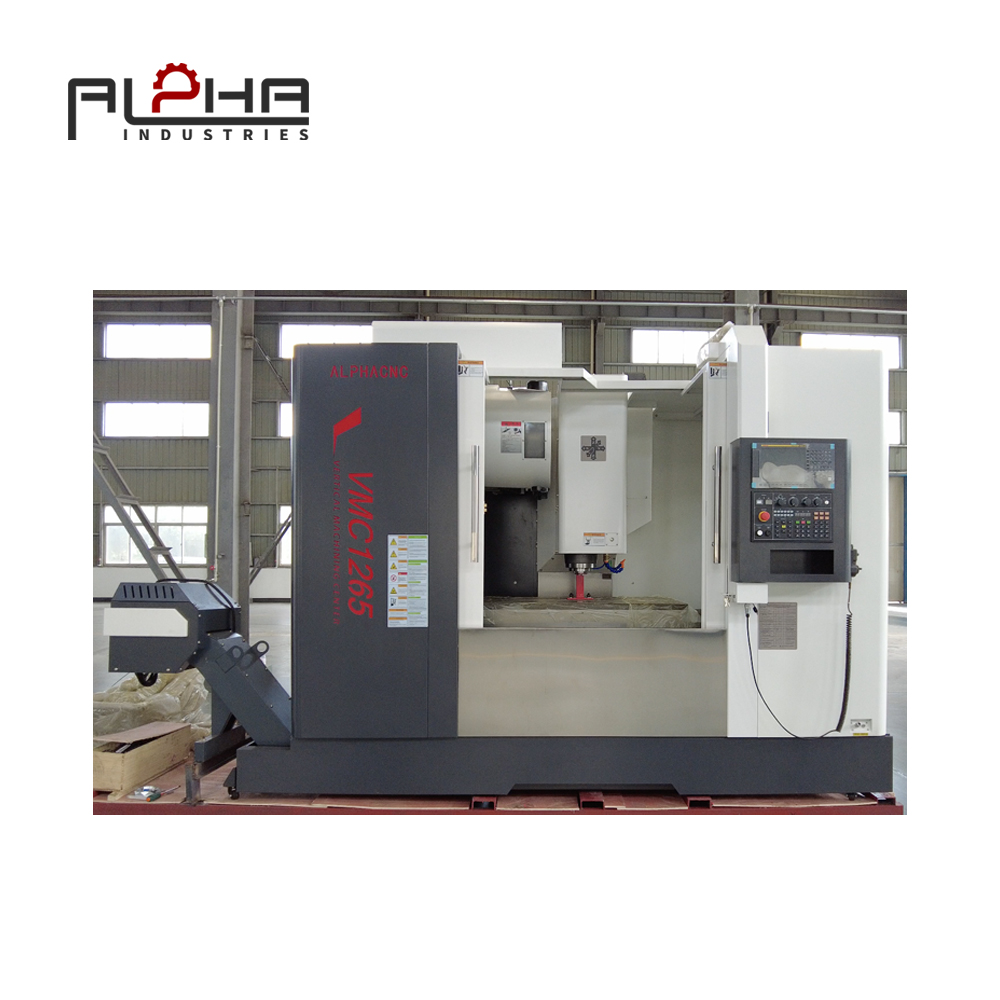
Today's Vertical Machining Centers (VMCs) are engineered to simplify machining operations while maintaining high precision.
Instead of relying entirely on operator experience, modern VMCs integrate intelligent CNC technologies that automate many routine production tasks.
Intelligent CNC Control Makes Programming Easier
Modern CNC controllers feature intuitive human-machine interfaces that simplify daily production.
Advanced systems provide:
- Conversational programming assistance
- Graphic simulation
- Automatic error checking
- Intelligent tool compensation
- Parameter libraries
- Program management
- Network file transfer
These functions can reduce programming errors and shorten operator training time.
Even less experienced operators can achieve consistent machining quality after proper instruction.
Automatic Tool Management Reduces Human Error
Tool-related mistakes are among the common causes of machining defects.
Modern VMCs can incorporate intelligent tool management systems capable of:
- Tool life monitoring
- Automatic tool replacement reminders
- Tool length measurement
- Tool breakage detection
- Offset compensation
These features reduce operator workload while maintaining consistent machining accuracy during long production runs.
High Machine Stability Improves Repeatability
Machine rigidity directly influences production consistency.
A high-quality VMC utilizes:
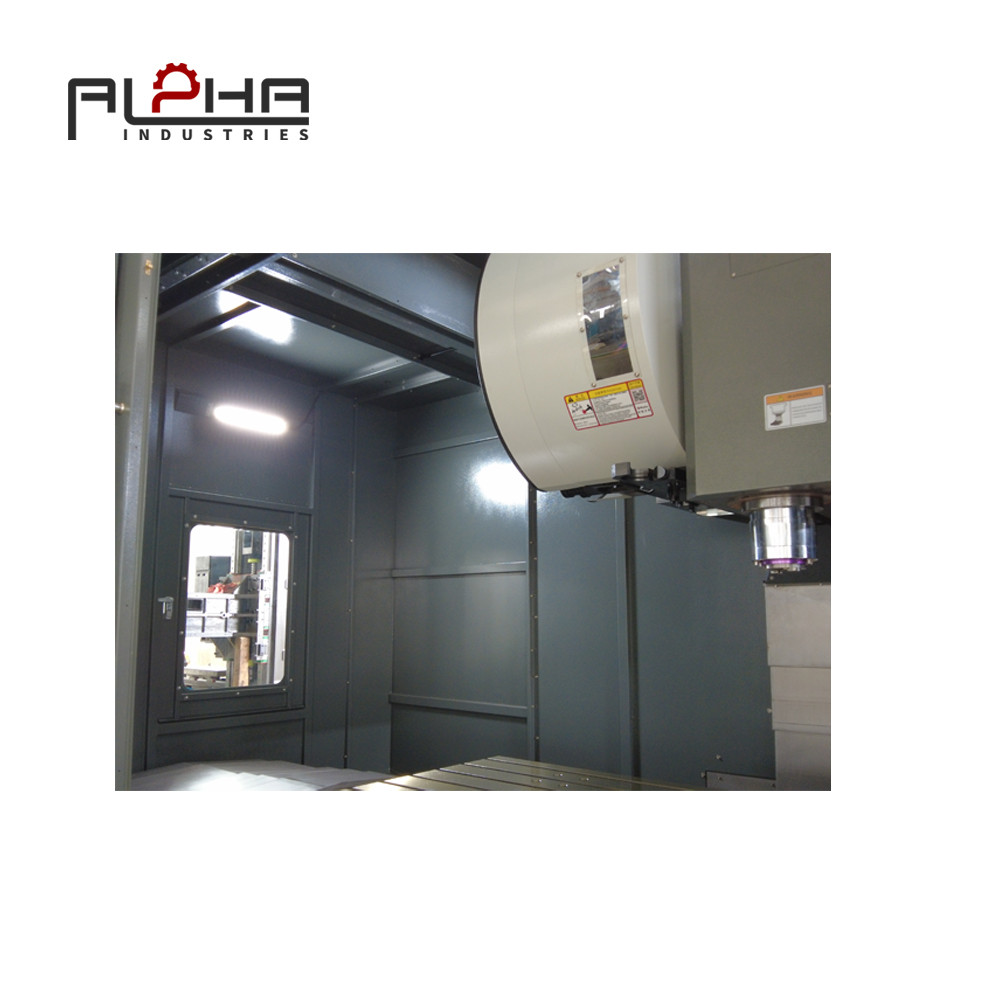
- Heavy-duty machine construction
- Precision linear guideways
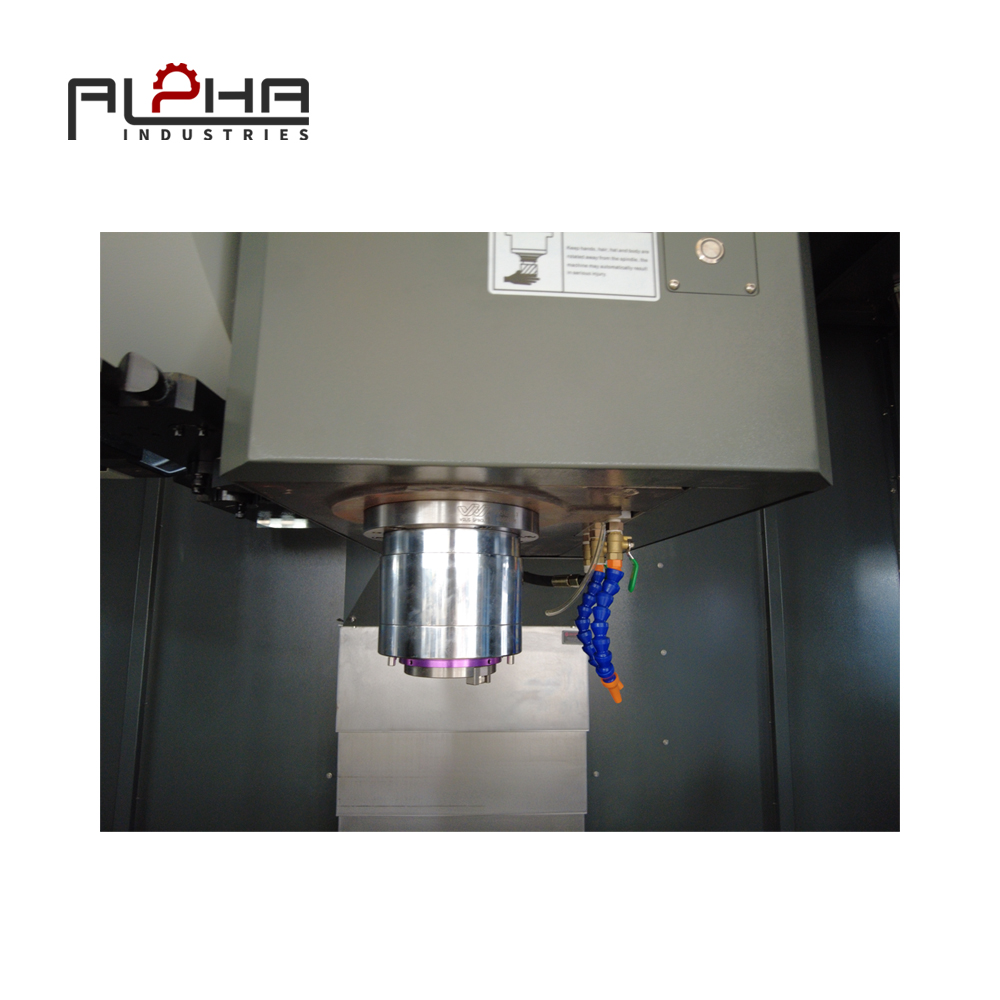
- High-rigidity spindle systems
- Stable servo drives
- Optimized structural design
Because the machine maintains stable machining conditions, operators spend less time making manual adjustments.
This reduces dependence on individual machining experience.
Automation Enables One Operator to Manage Multiple Machines
One of the most significant advantages of modern VMC technology is its compatibility with manufacturing automation.
Many factories throughout the Americas now combine VMCs with:
- Automatic tool changers
- Robotic loading systems
- Pallet changers
- Workpiece probing
- Production monitoring software
- Centralized machine management
Instead of assigning one operator to one machine, a single technician can supervise multiple machining centers simultaneously.
This can significantly improve labor productivity.
Standardized Machining Processes Improve Workforce Flexibility
Traditional manufacturing often relies on individual operator experience.
Modern VMC production emphasizes standardized machining processes.
Standardized programs ensure:
- Consistent machining quality
- Faster operator replacement
- Reduced training requirements
- Easier quality control
- Better production planning
When machining knowledge is stored within CNC programs rather than individual operators, factories become less vulnerable to labor turnover.
Digital Manufacturing Supports Continuous Improvement
Modern VMCs can generate valuable production data, including:
- Machine utilization
- Cycle time
- Tool consumption
- Alarm history
- Production output
- Maintenance records
Manufacturers can analyze this data to improve efficiency without relying solely on operator intuition.
Data-driven manufacturing enables continuous optimization while reducing human variability.
Why American Manufacturers Are Investing in Smarter VMC Solutions
Instead of simply purchasing another CNC machine, manufacturers increasingly view a VMC as part of a complete productivity strategy.
Investment decisions now focus on:
- Lower labor dependency
- Easier operator training
- Stable machining quality
- Reduced production interruptions
- Automation compatibility
- Higher equipment utilization
- Future Industry 4.0 integration
The objective is not only to machine parts faster but also to build a production system that remains efficient despite workforce shortages.
Why Choose Alpha Vertical Machining Centers
At Alpha, we understand that solving today's manufacturing challenges requires more than precision machining.
Our Vertical Machining Centers are engineered to help manufacturers increase productivity while reducing dependence on highly experienced operators.
Key advantages include:
- High-rigidity machine construction for long-term stability
- Advanced CNC control compatibility
- High-speed spindle options for efficient machining
- Automatic tool changer configurations
- Reliable positioning accuracy and repeatability
- Easy integration with robotic automation
- Flexible solutions for high-mix, low-volume production
- Professional technical support and application assistance
Whether producing precision components, industrial equipment, automotive parts, molds, or customized mechanical products, Alpha VMC solutions help manufacturers build a smarter and more sustainable production system.
Conclusion
The skilled labor shortage across the Americas is no longer a temporary issue—it is a long-term structural challenge that is reshaping the manufacturing industry.
Companies that continue relying on traditional machining methods may struggle with rising labor costs, inconsistent quality, and production limitations.
Modern Vertical Machining Centers provide a practical solution by simplifying operations, improving machining consistency, supporting automation, and reducing dependence on highly experienced operators.
Manufacturers that invest in intelligent VMC technology today will be better prepared to meet future production demands while maintaining competitiveness in an increasingly challenging labor market.
Frequently Asked Questions
1. Why is the skilled labor shortage affecting CNC manufacturing?
Experienced machinists are retiring while demand for precision manufacturing continues to grow. At the same time, fewer young professionals are entering CNC-related careers, creating a significant workforce gap.
2. How can a modern VMC reduce operator dependency?
Modern VMCs integrate intelligent CNC controls, automatic tool management, workpiece probing, standardized programming, and automation interfaces that simplify operation and reduce manual intervention.
3. Can one operator manage multiple VMC machines?
Yes. With automatic tool changers, robotic loading systems, pallet changers, and centralized monitoring software, one trained operator can supervise several machines simultaneously.
4. Which industries benefit most from intelligent VMC technology?
Automotive, aerospace, mold manufacturing, agricultural equipment, medical devices, industrial machinery, energy equipment, electronics, and precision engineering can all benefit from improved automation and machining consistency.
5. Is investing in a VMC more cost-effective than hiring additional operators?
For many manufacturers, a modern VMC can offer a strong long-term return on investment by increasing productivity, reducing labor dependency, minimizing human error, and supporting future automation initiatives.
Contact Us
Build a More Efficient Manufacturing Future with Alpha
If your factory is facing skilled labor shortages, increasing production costs, or growing demand for precision machining, Alpha can help you find the right Vertical Machining Center solution.
Our experienced team can recommend the ideal VMC configuration based on your production requirements, materials, machining accuracy, and automation goals.
Whether you are upgrading existing equipment or planning a new production line, we are ready to support your success.
Contact Alpha today for professional consultation and customized CNC machining solutions.
Contact Us: https://alpha-cnc.com/contact-us