

Maximizing OEE Has Become the New Benchmark for Manufacturing Excellence in the Americas
Manufacturing companies across the United States, Mexico, Canada, Brazil, Argentina, Colombia, and other industrial economies are facing a common challenge.
Production demand continues to increase, but expanding factory space, hiring skilled operators, and investing in additional production lines have become significantly more expensive.
As a result, manufacturers are shifting their focus from increasing machine quantity to improving machine productivity.
One of the most widely adopted performance indicators is Overall Equipment Effectiveness (OEE).
Originally developed for lean manufacturing, OEE measures how efficiently manufacturing equipment is utilized by evaluating three critical factors:
- Availability
- Performance
- Quality
Factories with higher OEE produce more sellable parts using the same equipment, labor, and factory space.
For manufacturers operating Vertical Machining Centers, improving OEE has become one of the fastest ways to reduce manufacturing costs while increasing competitiveness.
Why Low OEE Is Costing Manufacturers Millions Every Year
Many factories believe their machining centers operate efficiently simply because they run throughout the day.
However, production reports often reveal a different reality.
A machine may be powered on for ten hours but spend significant time:
- Waiting for operators
- Undergoing setup
- Changing tools
- Recovering from alarms
- Performing maintenance
- Waiting for materials
- Producing rejected parts
Every minute that does not create qualified products lowers OEE.
For manufacturers across the Americas, even a 5% improvement in OEE can generate substantial annual financial returns without purchasing additional equipment.
Understanding the Three Core Components of OEE
Availability
Availability measures how much scheduled production time is actually used for machining.
Availability losses include:
- Machine failures
- Preventive maintenance
- Tool replacement
- Setup adjustments
- Material shortages
- Operator delays
A reliable VMC minimizes unexpected interruptions and maximizes productive machining hours.
Performance
Performance evaluates whether the machine is operating at its designed production speed.
Performance losses often result from:
- Conservative cutting parameters
- Slow tool changes
- Servo limitations
- Machine vibration
- Frequent operator intervention
- Programming inefficiencies
Modern VMCs help manufacturers maintain consistently high machining performance throughout continuous production.
Quality
Quality represents the percentage of components that meet customer specifications without rework.
Quality losses occur because of:
- Dimensional variation
- Surface defects
- Tool wear
- Thermal instability
- Machine inaccuracy
- Human error
Improving machining consistency directly increases the Quality component of OEE.
Why Traditional VMC Equipment Limits OEE Improvement
Many machining centers currently operating across the Americas were installed before today's manufacturing demands existed.
These older machines frequently struggle with modern production requirements.
Unplanned Downtime
Unexpected breakdowns reduce machine availability and disrupt production scheduling.
Long Setup Procedures
Manual workpiece alignment, tool calibration, and program verification reduce productive machining time.
Inconsistent Machining Accuracy
Machine wear and thermal instability create dimensional variation that increases scrap and rework.
Limited Digital Connectivity
Older CNC systems cannot easily integrate with MES, ERP, or factory monitoring software, making production optimization difficult.
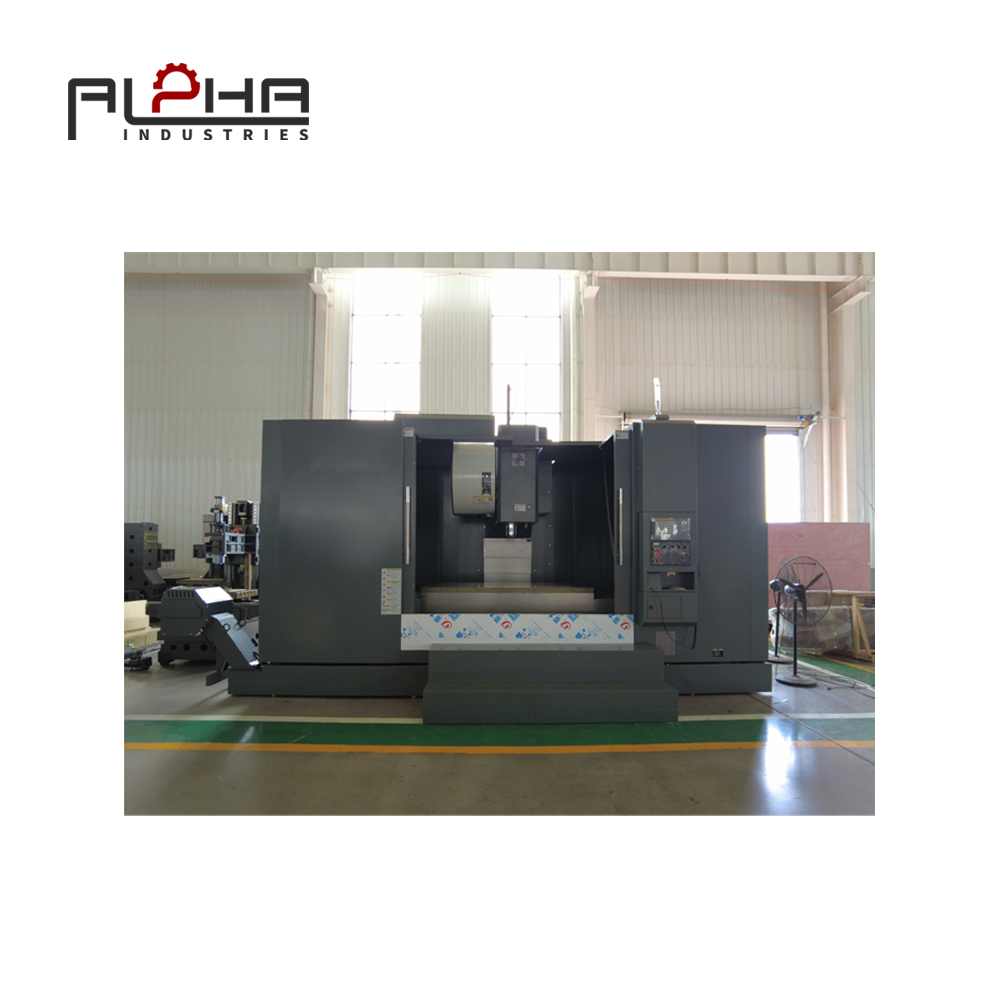
How Modern Vertical Machining Centers Improve OEE
Advanced VMC technology addresses every element of Overall Equipment Effectiveness.
Higher Availability Through Reliable Machine Design
Modern Vertical Machining Centers feature:
- High-rigidity structures
- Precision spindle assemblies
- Reliable servo systems
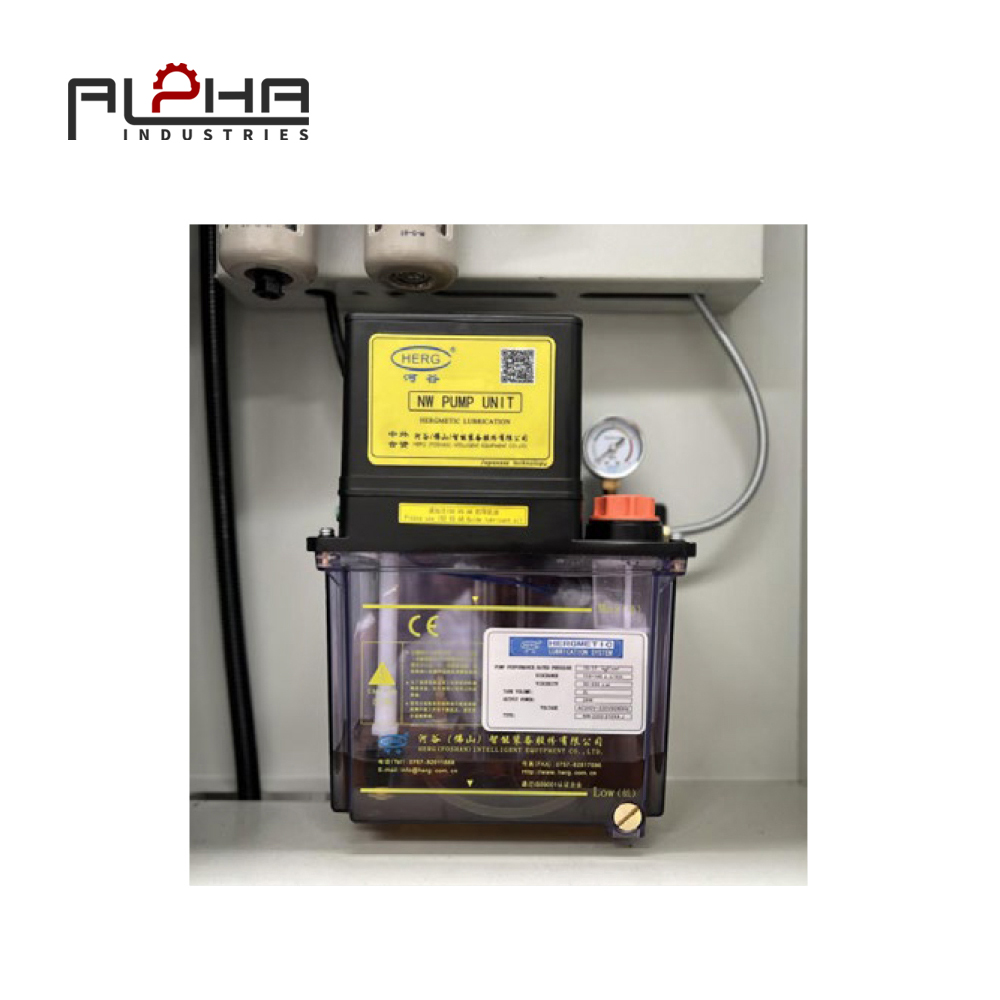
- Intelligent lubrication
- Optimized cooling systems
These engineering improvements reduce machine failures while increasing production uptime.
Faster Production Through Intelligent CNC Technology
Modern CNC controllers provide:
- High-speed processing
- Shorter tool changes
- Faster rapid traverse
- Optimized machining strategies
- Automatic diagnostics
- Program management
These functions improve production performance without compromising machining accuracy.
Better Quality Through Stable Machining
A high-quality VMC maintains stable machining conditions by combining:
- Precision linear guideways
- High-resolution feedback systems
- Intelligent thermal compensation
- Automatic tool measurement
- Excellent structural rigidity
Stable machining significantly reduces quality variation.
Data Collection Supports Continuous OEE Improvement
Industry 4.0 manufacturing depends on accurate production data.
Modern VMCs continuously record:
- Machine utilization
- Alarm history
- Cycle time
- Tool consumption
- Spindle load
- Maintenance records
- Production output
These data allow engineers to identify hidden productivity losses and optimize manufacturing processes.
Automation Further Increases Equipment Effectiveness
Manufacturers throughout the Americas are increasingly integrating automation with their machining centers.
Examples include:
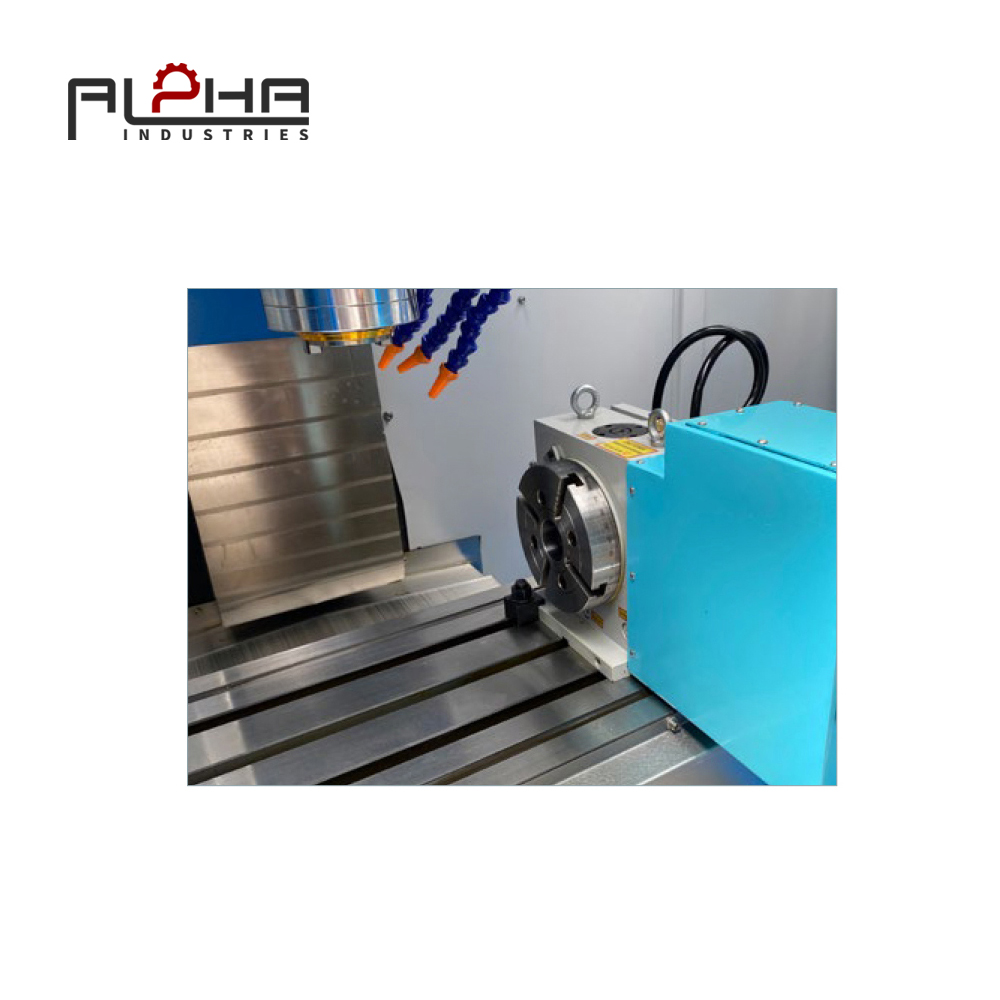
- Automatic pallet changers
- Robot loading systems
- Automatic workpiece probing
- Tool presetting
- Centralized production monitoring
Automation reduces manual intervention while increasing machine availability and performance.
As a result, factories achieve higher OEE with fewer operators.
Measuring OEE Creates Long-Term Competitive Advantages
Manufacturers that actively monitor OEE benefit from:
- Higher production output
- Lower manufacturing cost per part
- Reduced overtime
- Better delivery performance
- Improved equipment utilization
- Greater production predictability
- Increased customer satisfaction
- Stronger profitability
Rather than expanding facilities, companies maximize the productivity of existing assets.
Why Alpha Vertical Machining Centers Are Designed for High-OEE Manufacturing
At Alpha, we understand that successful manufacturers focus on productivity rather than machine specifications alone.
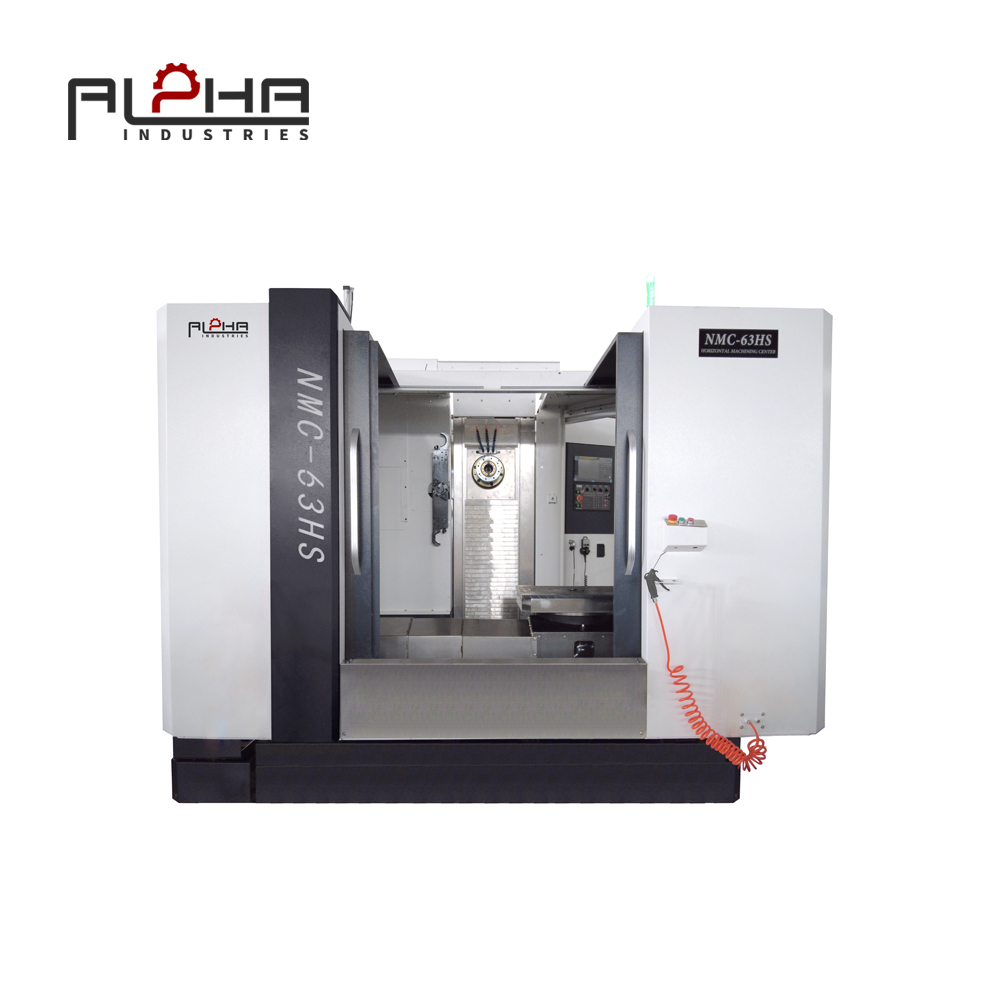
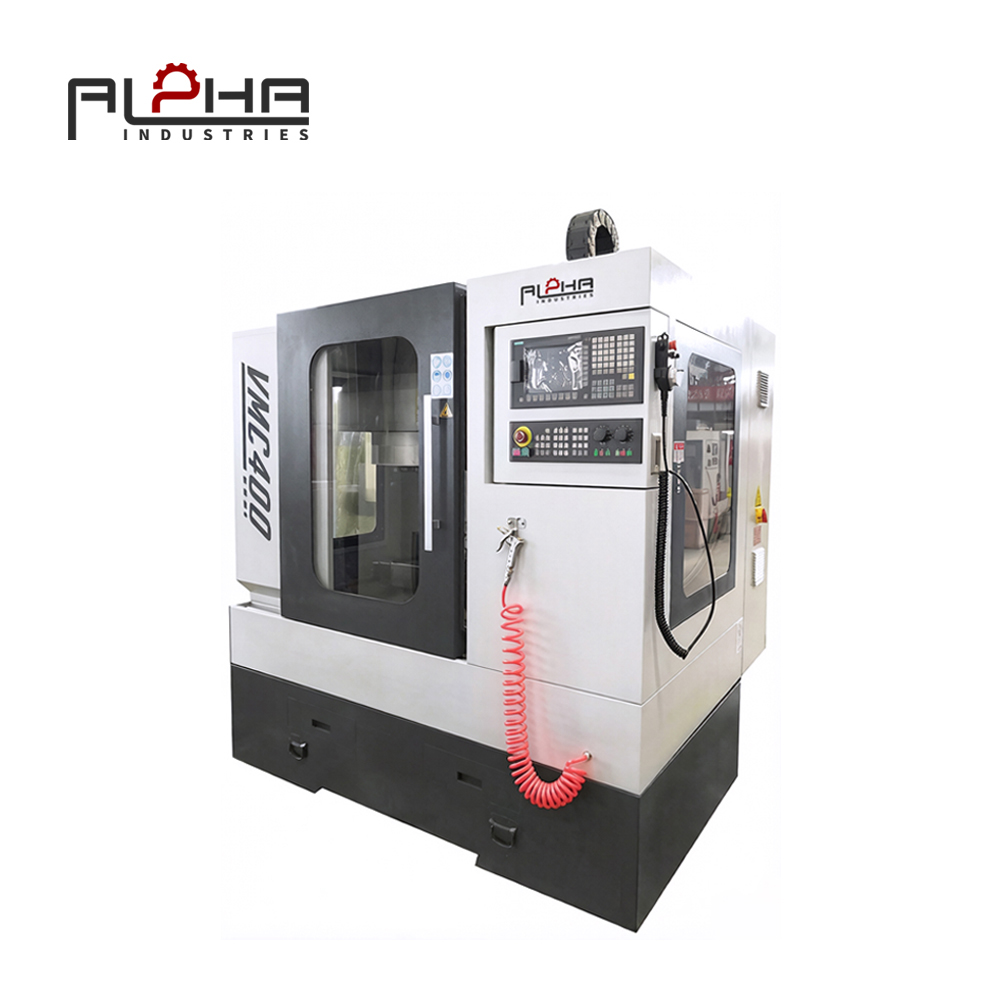
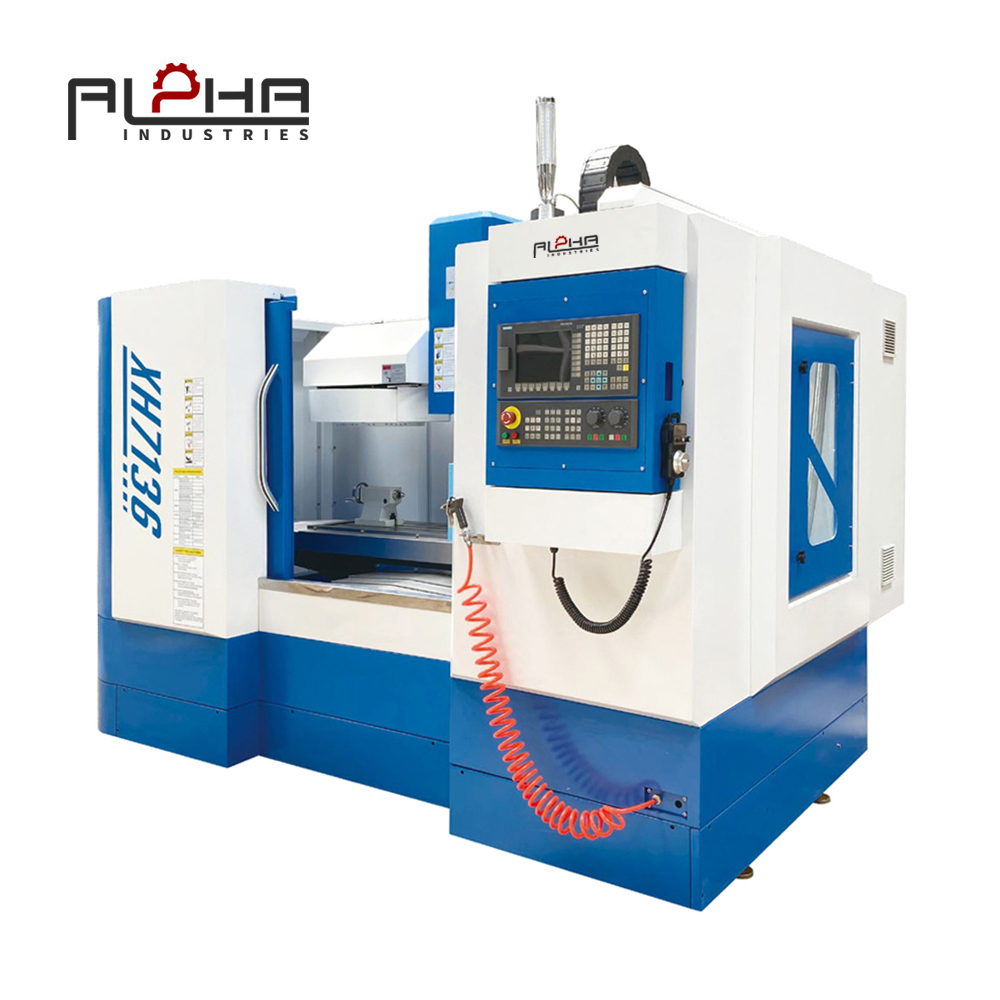
Our Vertical Machining Centers are engineered to maximize equipment effectiveness throughout every stage of production.
Alpha VMC advantages include:
- High-rigidity machine construction for long-term stability
- Precision spindle systems with excellent reliability
- Intelligent CNC compatibility for digital manufacturing
- High positioning accuracy and repeatability
- Fast and reliable automatic tool changers
- Automation-ready architecture
- Energy-efficient machine design
- Comprehensive technical support and application engineering
Whether producing aerospace components, automotive parts, industrial valves, molds, agricultural equipment, or precision mechanical assemblies, Alpha VMC solutions help manufacturers achieve higher OEE while lowering production costs.
Conclusion
Improving Overall Equipment Effectiveness has become one of the most effective strategies for increasing manufacturing competitiveness across the Americas.
Instead of investing immediately in additional machinery, manufacturers are realizing greater value by improving the Availability, Performance, and Quality of their existing production equipment.
Modern Vertical Machining Centers play a central role in this transformation by combining mechanical precision, intelligent CNC technology, automation compatibility, and data-driven manufacturing capabilities.
With Alpha VMC solutions, manufacturers can achieve higher productivity, lower operating costs, and stronger long-term business performance.
Frequently Asked Questions
1. What does OEE mean in CNC manufacturing?
Overall Equipment Effectiveness (OEE) measures how efficiently manufacturing equipment operates by combining Availability, Performance, and Quality into a single productivity metric.
2. How can a Vertical Machining Center improve OEE?
Modern VMCs improve OEE by reducing downtime, increasing machining speed, improving machining accuracy, and supporting automation and predictive maintenance.
3. Why is OEE important for manufacturers in the Americas?
Higher OEE enables manufacturers to increase production capacity without purchasing additional equipment, reducing costs while improving competitiveness.
4. Which industries benefit most from high-OEE machining?
Automotive, aerospace, medical devices, mold manufacturing, industrial equipment, energy, agricultural machinery, and precision engineering industries all benefit from improved equipment effectiveness.
5. What should manufacturers consider when selecting a high-OEE VMC?
Key considerations include machine reliability, structural rigidity, spindle performance, automation compatibility, digital connectivity, maintenance requirements, service support, and long-term operating efficiency.
Contact Us
Increase Factory Productivity with Alpha Vertical Machining Centers
If your goal is to improve Overall Equipment Effectiveness, reduce production losses, and maximize machining productivity, Alpha offers advanced Vertical Machining Center solutions designed for modern manufacturing.
Our experienced engineering team will help you select the ideal VMC based on your production capacity, machining applications, material requirements, and automation objectives.
Whether upgrading a single machining center or implementing a complete smart manufacturing solution, Alpha is ready to help manufacturers across the Americas achieve higher efficiency and sustainable growth.
Contact our CNC specialists today to discuss your machining requirements and receive a customized solution.
Contact Us: https://alpha-cnc.com/contact-us