

Machining Hard Materials Is Becoming a Competitive Challenge Across the Americas
Manufacturers throughout North America and Latin America are processing more demanding materials than ever before.
The rapid development of aerospace, renewable energy, electric vehicles, defense, mining, oil & gas, and medical industries has significantly increased the use of difficult-to-machine materials such as:
-
Titanium Alloys
-
Inconel
-
Stainless Steel
-
Hardened Tool Steel
-
High-Strength Alloy Steel
-
Duplex Stainless Steel
-
Nickel-Based Superalloys
-
Heat-Resistant Alloys
While these materials offer superior strength and durability, they also create significant machining challenges.
Factories across the United States, Mexico, Canada, Brazil, and other manufacturing centers report increasing problems with unstable cutting conditions, rapid tool wear, excessive vibration, poor surface quality, and inconsistent dimensional accuracy.
These issues not only reduce production efficiency but also increase tooling expenses and delay customer deliveries.
As competition becomes more intense, manufacturers must find machining solutions capable of delivering stable performance when processing advanced engineering materials.
Why Traditional Machining Centers Struggle with Hard Materials
Many machining centers currently operating in American factories were originally designed for carbon steel and aluminum production.
When these machines are required to process modern high-strength alloys, several limitations become apparent.
Insufficient Structural Rigidity
Hard materials generate much higher cutting forces.
If machine rigidity is inadequate, the entire machining system begins to vibrate.
This vibration affects:
-
Surface roughness
-
Dimensional accuracy
-
Tool wear
-
Spindle life
-
Part consistency
Even small structural deflections can result in unacceptable machining errors.
Increased Heat Generation
Harder materials produce significantly more heat during cutting.
Without effective thermal management, heat causes:
-
Thermal expansion
-
Dimensional variation
-
Tool degradation
-
Surface discoloration
-
Reduced machining accuracy
Long production runs become increasingly difficult to control.
Accelerated Tool Wear
Cutting tools experience much higher mechanical stress when machining hardened materials.
Without optimized cutting conditions, manufacturers frequently encounter:
-
Chipping
-
Edge fracture
-
Excessive flank wear
-
Built-up edge formation
-
Premature tool replacement
Tooling costs rise rapidly while productivity decreases.
Machine Vibration
High cutting loads amplify spindle vibration.
Excessive vibration causes:
-
Poor hole accuracy
-
Chatter marks
-
Reduced tool life
-
Lower surface quality
-
Increased scrap
Manufacturers often compensate by reducing cutting parameters, sacrificing productivity.
Why High-Rigidity VMCs Deliver Better Results
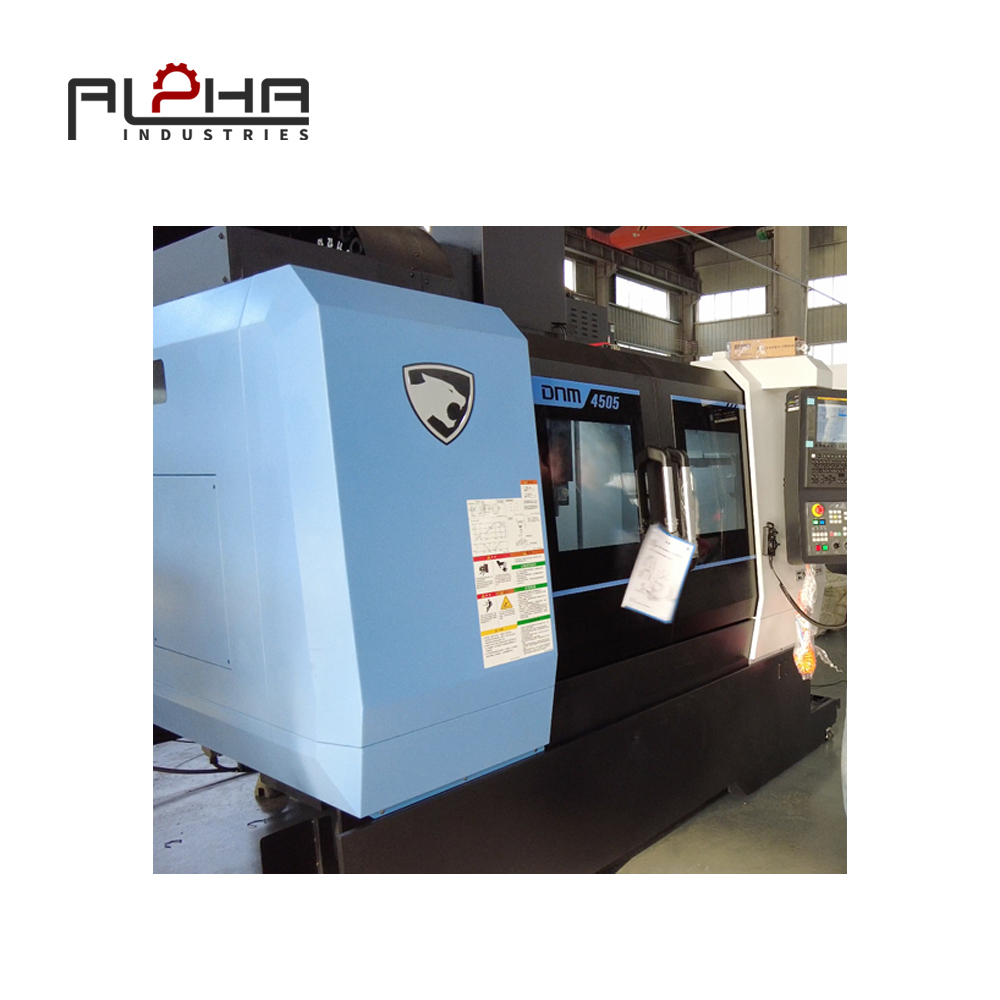
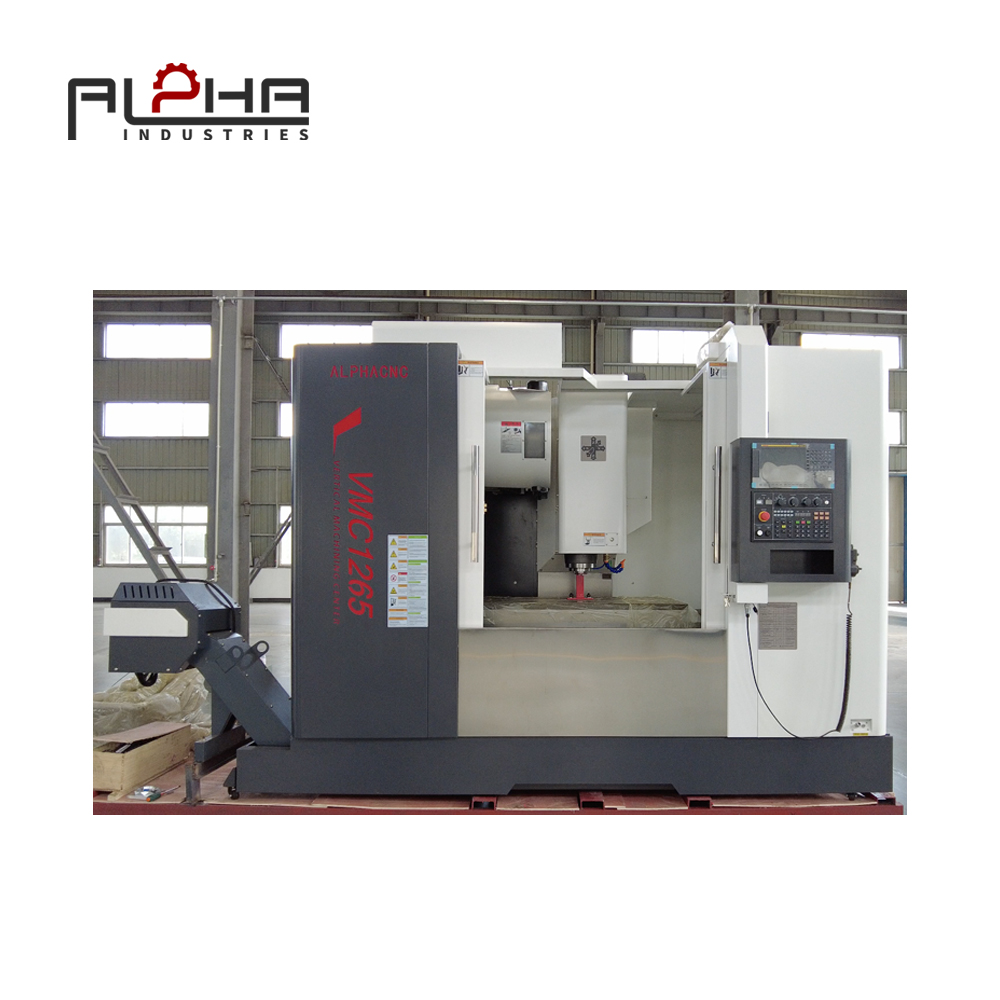
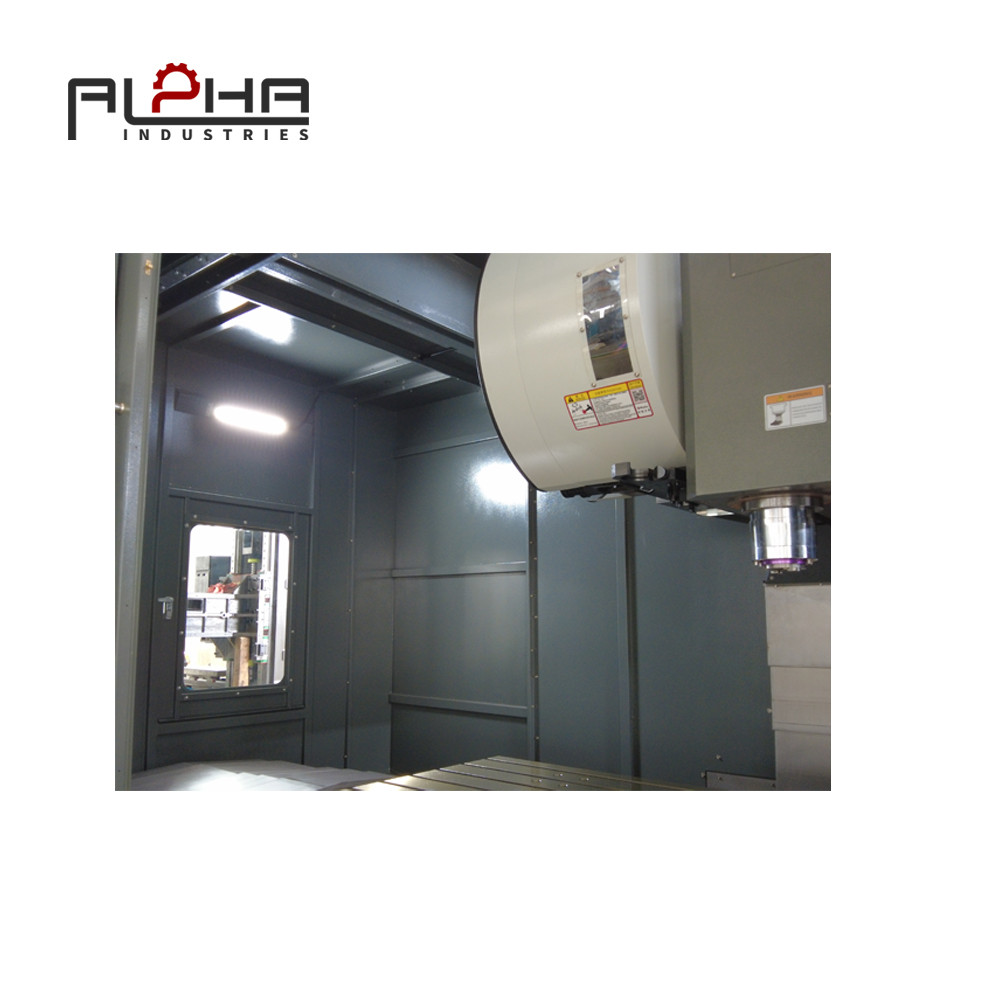
A modern Vertical Machining Center is engineered to maintain stability under demanding machining conditions.
Rather than relying solely on spindle horsepower, advanced VMCs optimize every aspect of the machining system.
Heavy-Duty Machine Structure Minimizes Deflection
The machine base, column, saddle, and spindle head are designed to withstand heavy cutting forces.
Benefits include:
-
Improved dimensional accuracy
-
Reduced vibration
-
Better surface finish
-
Longer machine life
-
Higher repeatability
A rigid structure enables aggressive cutting without compromising precision.
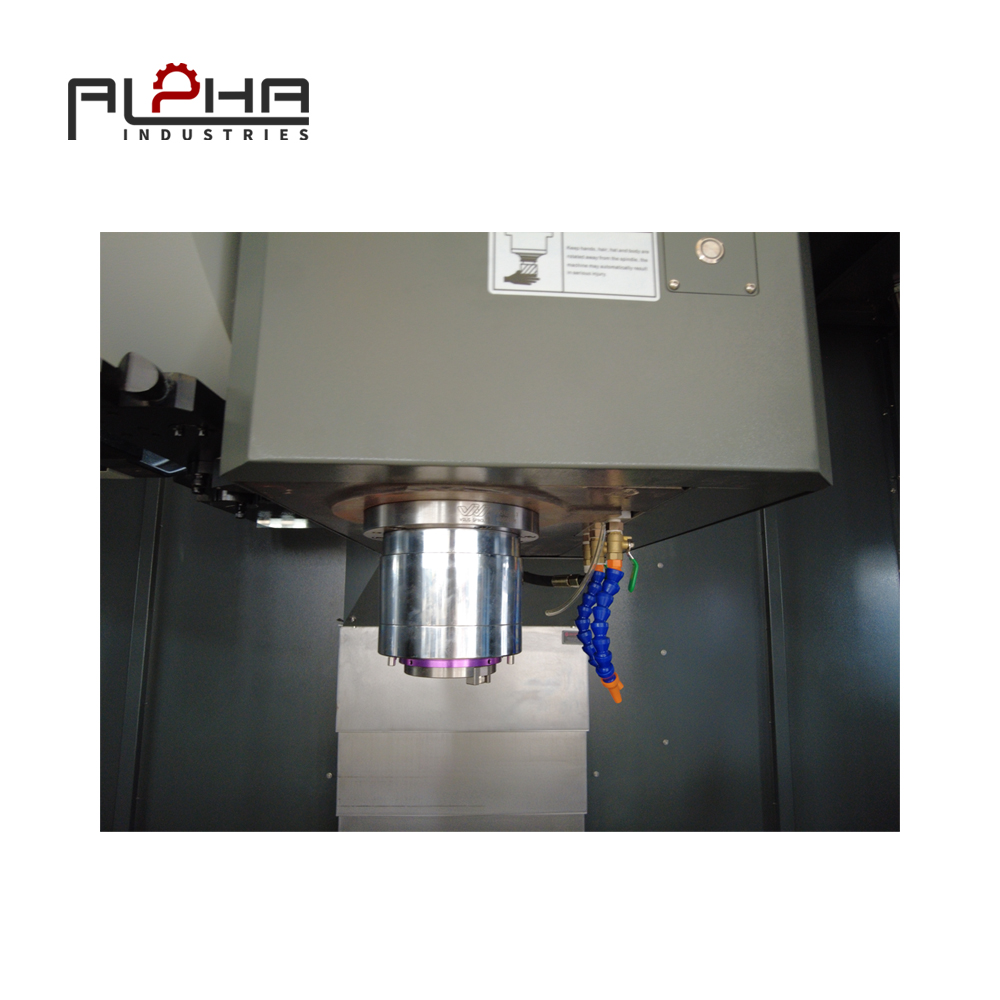
Precision Spindle Technology Supports Difficult Materials
Modern spindle systems provide:
-
High torque at low speeds
-
Stable high-speed performance
-
Excellent bearing rigidity
-
Reduced thermal growth
-
Superior vibration resistance
These characteristics allow manufacturers to machine difficult alloys more efficiently while protecting expensive cutting tools.
Intelligent Thermal Stability Improves Long Production Runs
Thermal variation is one of the primary causes of machining inconsistency.
Advanced VMCs incorporate intelligent thermal design through:
-
Optimized spindle cooling
-
Servo temperature control
-
Machine structure stability
-
CNC thermal compensation
These technologies maintain dimensional consistency throughout extended machining cycles.
Advanced CNC Control Optimizes Cutting Performance
Modern CNC systems continuously monitor machining conditions.
Intelligent functions include:
-
Adaptive feed control
-
Tool load monitoring
-
High-speed interpolation
-
Vibration suppression
-
Precision contour control
-
Tool life management
Rather than depending entirely on operator experience, the machine continuously optimizes cutting performance.
Longer Tool Life Means Lower Manufacturing Costs
One of the largest expenses when machining hard materials is cutting tool consumption.
A high-performance VMC extends tool life by providing:
-
Stable cutting forces
-
Lower vibration
-
Better spindle accuracy
-
Consistent chip formation
-
Improved cooling effectiveness
As a result, manufacturers reduce tooling costs while increasing machine utilization.
Better Surface Finish Reduces Secondary Operations
Poor machining quality often requires additional finishing processes such as grinding, polishing, or manual rework.
A rigid VMC significantly improves:
-
Surface roughness
-
Geometric accuracy
-
Hole quality
-
Flatness
-
Parallelism
Higher-quality machining reduces downstream manufacturing costs and shortens production lead times.
Automation Further Improves Hard Material Machining
Manufacturers throughout the Americas are increasingly integrating automation with VMC production.
Common automation solutions include:
-
Automatic pallet changers
-
Robotic loading systems
-
Tool monitoring software
-
Automatic workpiece measurement
-
Manufacturing Execution Systems (MES)
Automation ensures consistent machining conditions while reducing operator intervention and improving productivity.
Industries That Benefit Most from High-Rigidity VMC Technology
Manufacturers processing demanding materials across the Americas can significantly improve productivity in industries such as:
-
Aerospace Components
-
Oil & Gas Equipment
-
Medical Device Manufacturing
-
Automotive Powertrain Parts
-
Heavy Construction Machinery
-
Mining Equipment
-
Mold & Die Manufacturing
-
Defense Components
-
Renewable Energy Equipment
-
Precision Mechanical Engineering
These industries require exceptional dimensional accuracy, repeatability, and machining stability throughout continuous production.
Why Manufacturers Choose Alpha Vertical Machining Centers
At Alpha, we recognize that machining hard materials requires more than powerful motors—it requires a complete machine platform designed for stability, precision, and long-term reliability.
Our Vertical Machining Centers are engineered to help manufacturers achieve consistent performance under demanding machining conditions.
Key advantages include:
-
High-rigidity machine construction for heavy-duty cutting
-
Precision spindle systems with excellent thermal stability
-
Advanced CNC controller compatibility
-
High positioning accuracy and repeatability
-
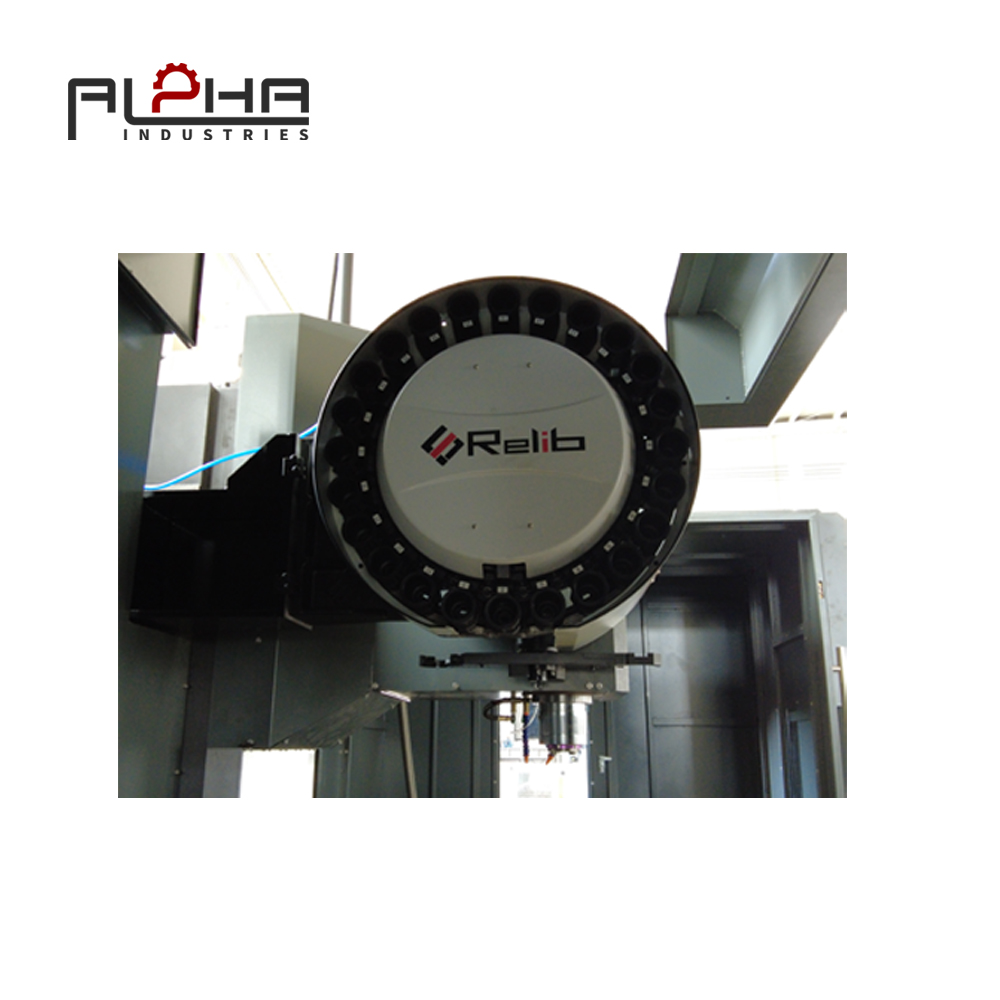
Automatic tool changer configurations
-
Excellent chip evacuation performance
-
Automation-ready architecture
-
Reliable technical support and application engineering
Whether machining titanium, stainless steel, alloy steel, or hardened components, Alpha VMC solutions help manufacturers increase productivity while reducing machining costs and improving product quality.
Conclusion
As manufacturers across the Americas continue adopting advanced engineering materials, machining stability has become more important than maximum spindle speed alone.
Factories that invest in high-rigidity Vertical Machining Centers gain measurable advantages through improved surface quality, reduced tool wear, greater dimensional consistency, and lower operating costs.
Rather than reacting to machining problems after they occur, modern VMC technology enables manufacturers to build stable, repeatable, and highly efficient production processes capable of meeting today's demanding quality standards and tomorrow's manufacturing challenges.
Frequently Asked Questions (FAQ)
1. Why are hard materials difficult to machine?
Hard materials generate higher cutting forces, increased heat, and faster tool wear, making machining stability and machine rigidity critical for maintaining precision and productivity.
2. How does a high-rigidity VMC improve machining quality?
A rigid machine structure minimizes vibration and deflection, ensuring better dimensional accuracy, superior surface finish, and longer cutting tool life.
3. Which materials benefit most from high-rigidity VMC machining?
Titanium alloys, stainless steel, hardened tool steel, Inconel, duplex stainless steel, nickel-based alloys, and other high-strength engineering materials benefit significantly.
4. Can a modern VMC reduce tooling costs?
Yes. Stable spindle performance, optimized thermal control, and intelligent CNC functions reduce tool wear, extend cutter life, and improve machining efficiency.
5. What should manufacturers prioritize when purchasing a VMC for hard material machining?
Important factors include machine rigidity, spindle torque, thermal stability, CNC control capability, positioning accuracy, automation compatibility, and long-term reliability rather than focusing solely on spindle speed.
Contact Us
Machine Hard Materials with Greater Precision and Confidence
If your factory is facing challenges related to machining titanium, stainless steel, alloy steel, or other difficult materials, Alpha offers advanced Vertical Machining Center solutions designed for maximum rigidity, stability, and machining efficiency.
Our engineering experts will help you select the most suitable VMC configuration based on your material type, production volume, accuracy requirements, and future automation plans.
Whether you are upgrading existing CNC equipment or building a new precision machining facility, Alpha is your trusted partner for reliable and high-performance CNC solutions.
Contact our team today to discuss your machining requirements and receive a customized recommendation.
Contact Us: https://alpha-cnc.com/contact-us