

+86-17372713393 sale01@alpha-cnc.com

High-Precision Grinder Machine | Surface Accuracy & Ultra-Fine Finish Technology — Alpha

  • CONVENTIONAL MACHINE
  • SURFACE GRINDER
Posted by NANJING ALPHA CNC CO., LTD On Nov 24 2025

High-Precision Grinder Machine for Ultra-Fine Surface Finishing | Alpha

In modern precision machining, the demand for micro-level finishing quality has grown rapidly, especially in mold manufacturing, tool production, aerospace components, and precision die processing. While many grinder machines claim high accuracy, the true performance gap lies in surface precision stability, and in this article, we focus on one critical technical element — “Grinding Wheel Spindle System Accuracy and Thermal Stability.”

A grinder machine is only as good as its spindle. The spindle determines cutting smoothness, material removal consistency, vibration levels, thermal drift, and ultimately the surface roughness (Ra), flatness, and profile accuracy of the final workpiece. For professional industrial buyers, spindle performance is the differentiating factor that directly impacts output quality and machining reliability.
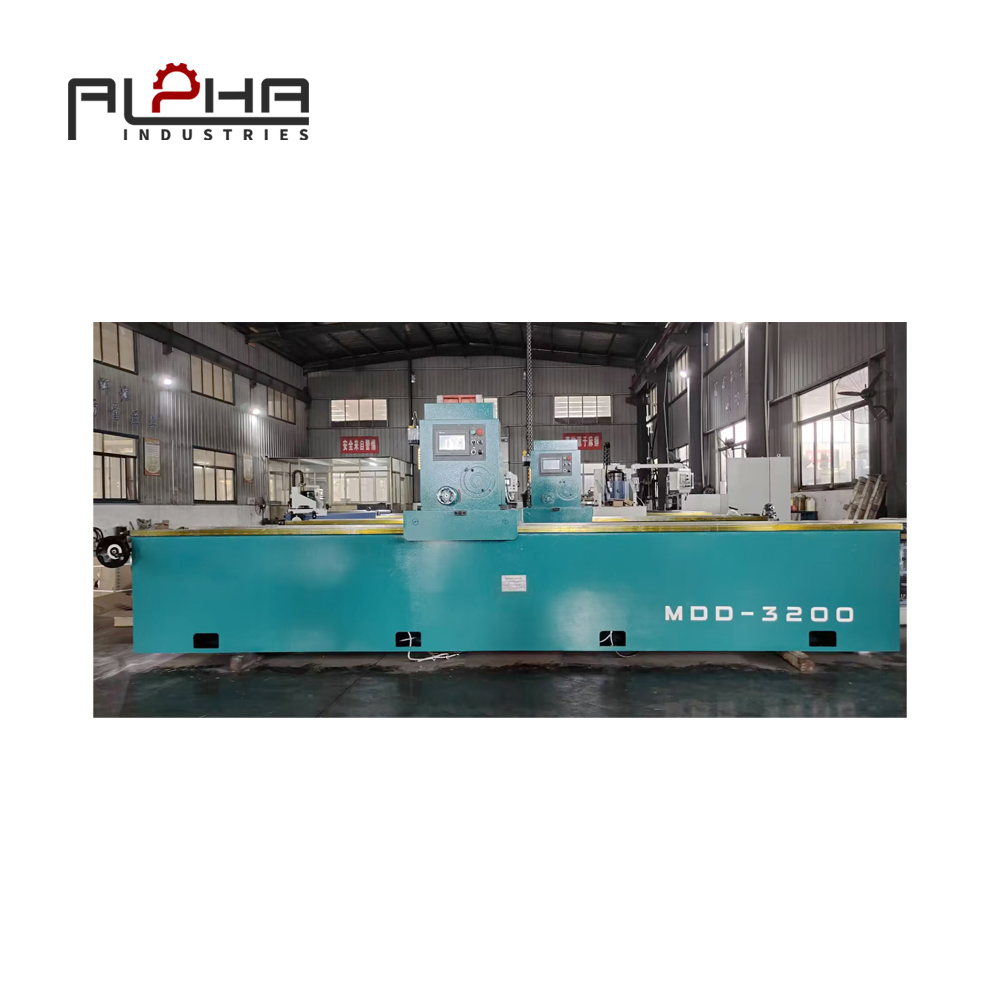

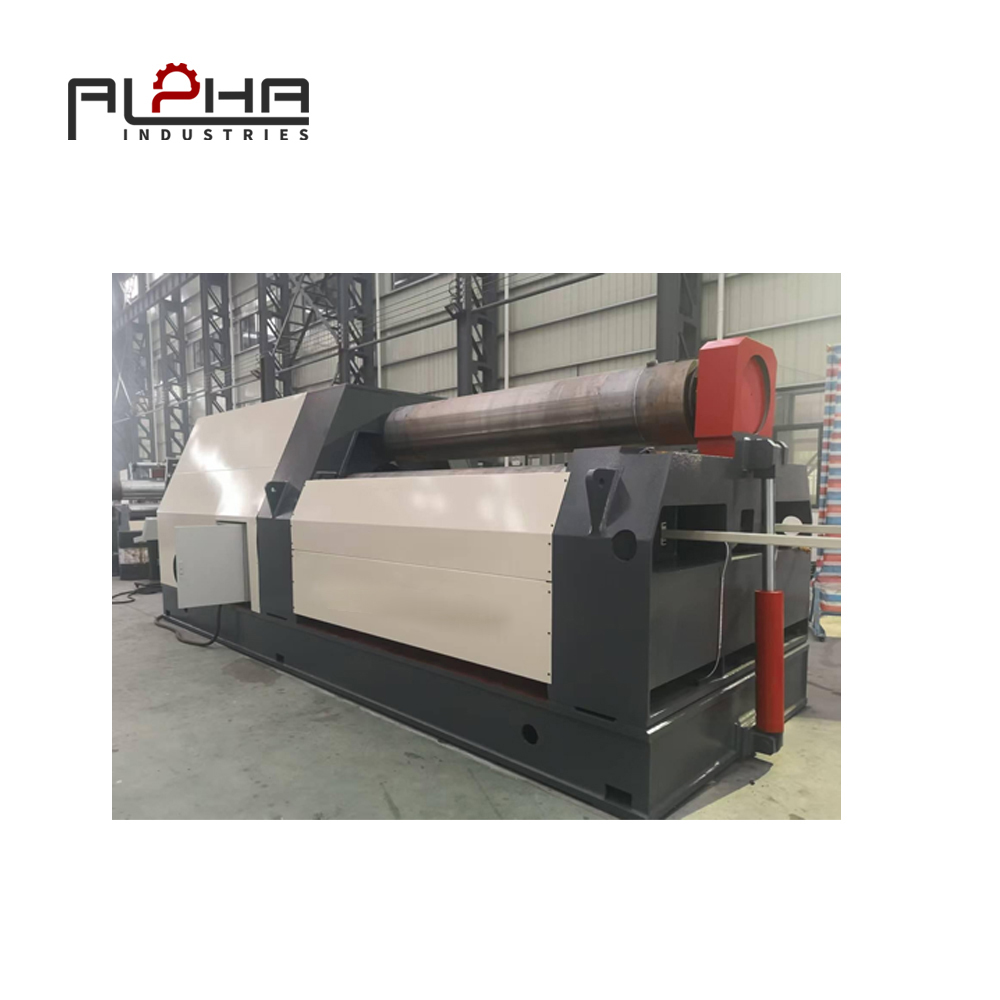
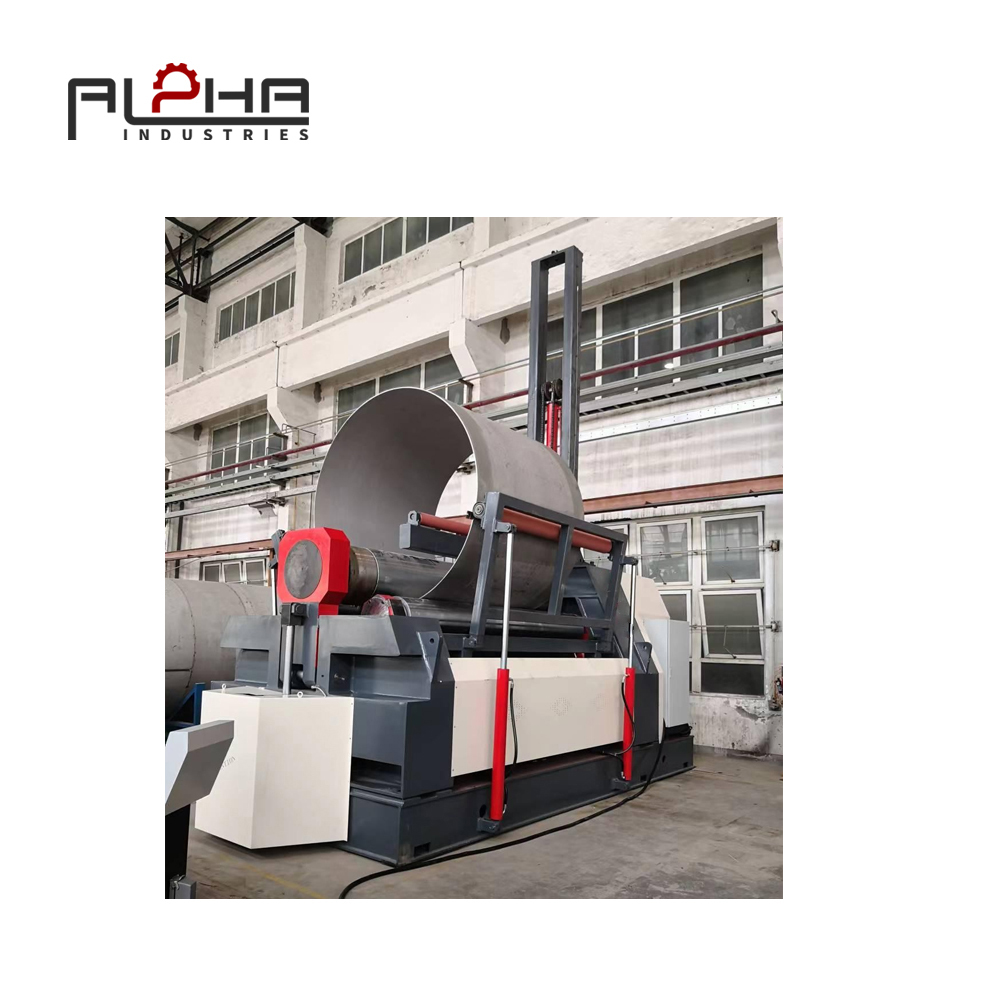
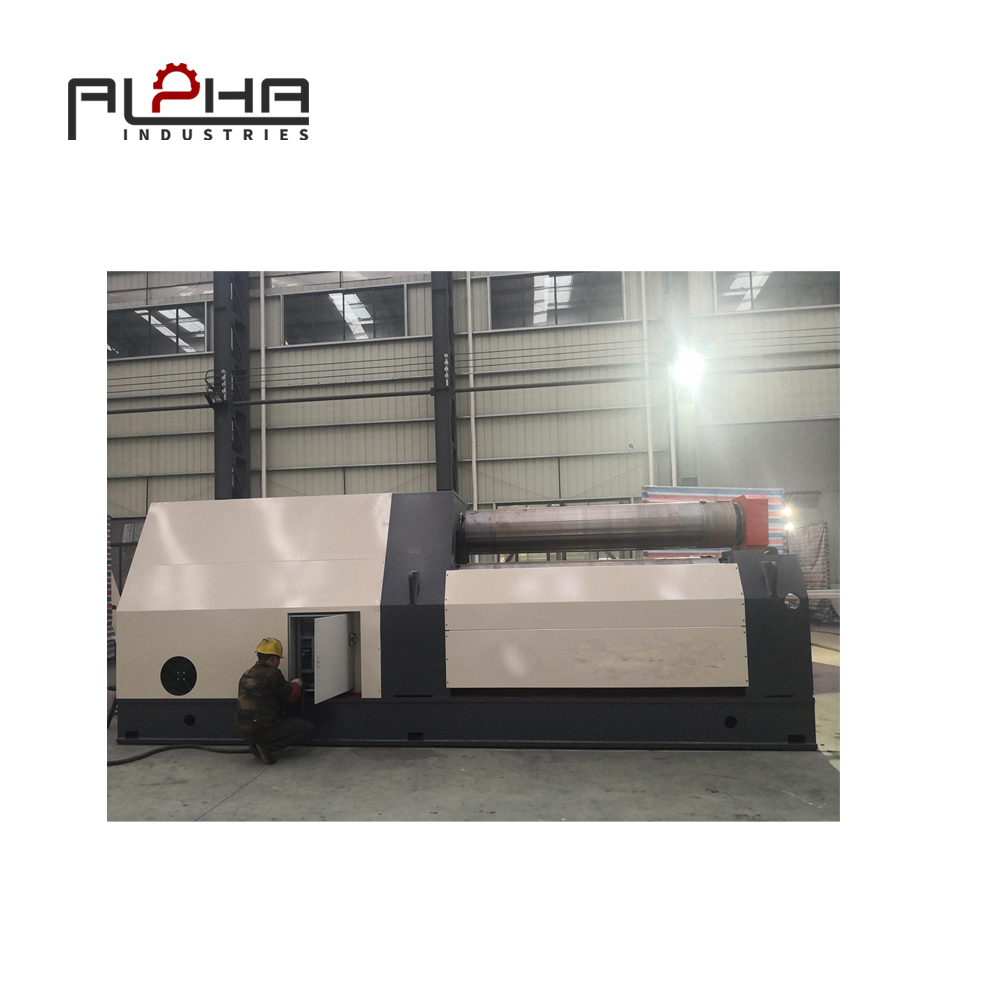
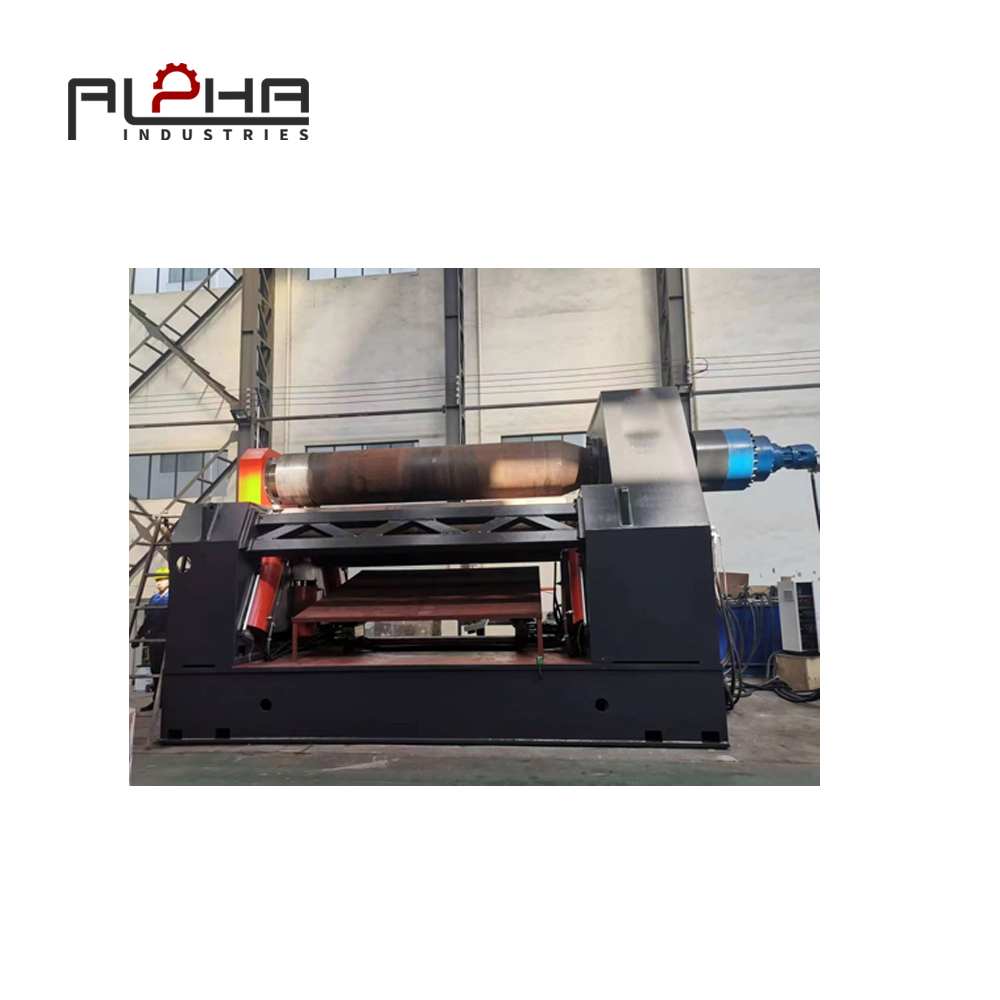
This image shows a high-precision industrial grinder machine engineered by Alpha, designed for ultra-fine surface finishing in metal processing applications. The machine features a rigid mechanical structure, precision spindle system, and high-stability grinding wheel assembly, suitable for mold manufacturing, tool sharpening, and aerospace component processing. The visual highlights the machine’s robust frame, smooth guideway design, and advanced grinding mechanism aimed at achieving micro-level accuracy and consistent surface quality.

Why Spindle Accuracy Is the Core of Grinder Machine Performance

The grinding process is fundamentally a precision operation. At micron-level tolerances, even minimal spindle deviation can cause:

  • Surface waviness and uneven textures

  • Micro-burning or thermal deformation

  • Grinding wheel runout

  • Reduced service life of wheel and machine

  • Increased scrap rate

  • Inconsistent dimensional accuracy

Alpha’s grinder machines are engineered with high-rigidity spindle assemblies designed to reduce heat generation, stabilize rotation, and maintain consistent runout under heavy workloads.


Advanced Spindle Architecture in Alpha Grinder Machines

1. High-Precision Angular Contact Bearings

Alpha’s spindle units adopt imported P4/P2-level angular contact bearings, providing minimal friction and controlled axial movement. Advantages include:

  • Less vibration

  • Improved rotational stability

  • Higher speed capability

  • Long bearing life under continuous load

2. Dynamic Balance Optimization

Each spindle undergoes G1-level dynamic balancing, minimizing mechanical vibration that affects surface finish quality. This ensures:

  • Ra value stability

  • Precision uniformity across entire workpiece

  • Wheel wear balance

3. Thermal Control & Heat Compensation

Thermal drift is the enemy of precision grinding.

Alpha uses:

  • Oil-air lubrication systems to reduce bearing heat

  • Thermal compensation algorithms in CNC controllers

  • Optimized coolant flow design

This ensures dimensional stability over long production cycles, especially crucial in mold and tool manufacturing.


Spindle Runout and Its Impact on Surface Roughness

Even a 2–3 µm spindle runout can lead to:

  • Ripple patterns on metal surfaces

  • Inaccurate contour finishing

  • Increased grinding pressure

  • Overheating of material

Alpha designs spindle runout tolerance within ≤ 1 µm to guarantee mirror-like finishing results.


Application Benefits of High-Precision Spindle Systems

H3: Mold & Die Manufacturing

  • Achieve Ra 0.2–0.4 µm easily

  • Stable complex surface finishing

  • High repeatability for cavity molds

Tool Manufacturing

  • Precision sharpening

  • Uniform edge profiling

Automotive & Aerospace Components

  • Tight tolerance within ±0.002–0.005 mm

  • Surface integrity maintained without micro-cracks


FAQ

What Determines the Accuracy of a Grinder Machine?

The accuracy of a grinder machine is primarily determined by the spindle system, including spindle runout, bearing quality, thermal stability, and vibration control.

Why Is Spindle Runout Important in Surface Grinding?

Because spindle runout directly affects grinding contact consistency, leading to surface roughness fluctuations, thermal issues, and dimensional instability.

How Does Thermal Stability Improve Grinding Quality?

Thermal stability prevents expansion of spindle components, ensuring consistent grinding performance and maintaining micron-level tolerances over long production cycles.


Technical Specifications That Influence Grinder Machine Performance

Critical Metrics

  • Spindle runout tolerance: ≤ 1 µm

  • Surface roughness capability: Ra 0.1–0.4 µm

  • Dynamic balance grade: G1

  • Thermal drift compensation range: ± 0.002 mm

  • Spindle speed: 3000–24000 rpm (depending on model)

Structural Enhancements

  • High-rigidity Meehanite cast iron base

  • Full support linear guideways

  • Servo-driven feed system

  • Enclosed coolant circulation system

  • High-performance dust guard protection


Why Alpha Grinder Machines Deliver Long-Term Precision

Alpha integrates industrial design, mechanical stability, and advanced manufacturing techniques to ensure every grinder machine meets global standards.

Key Advantages:

  • Precision-assembled spindles

  • Low vibration engineering

  • Enhanced thermal control

  • High-stability structural frame

  • Intelligent CNC control for adaptive grinding

  • Long machine lifespan and minimal maintenance
Featured Blogs
How to Control Energy Costs with a 4-Roller Plate Rolling Machine in Brazil

How to Control Energy Costs with a 4-Roller Plate Rolling Machine in Brazil

Rising electricity costs are creating additional pressure for Brazilian metal fabrication companies. For manufacturers processing steel plates into cylindrical components, controlling energy consumption is an important part of managing production expenses. This article explains how a 4-roller plate rolling machine can support better energy management through suitable machine sizing, hydraulic system maintenance, reduced idle operation, optimized rolling cycles, and preventive maintenance. It also provides practical purchasing considerations for Brazilian manufacturers looking to improve long-term equipment operating costs.

How a 4-Roller Plate Rolling Machine Improves Plate Rolling Accuracy and Reduces Material Waste in the USA

How a 4-Roller Plate Rolling Machine Improves Plate Rolling Accuracy and Reduces Material Waste in the USA

For American metal fabrication companies, achieving consistent plate curvature while minimizing material waste is a major production challenge. This article explores how a 4-roller plate rolling machine helps manufacturers improve rolling accuracy, control material deformation, reduce operator dependency, and achieve more reliable production results. It also explains important machine selection factors for businesses processing carbon steel, stainless steel, and other industrial metal plates.

How a 4-Roller Plate Rolling Machine Helps Mexican Manufacturers Meet Tight Production Deadlines

How a 4-Roller Plate Rolling Machine Helps Mexican Manufacturers Meet Tight Production Deadlines

As Mexico strengthens its position in North American manufacturing and nearshoring supply chains, metal fabrication companies face growing pressure to deliver customized products within shorter production schedules. This article explores how a 4-roller plate rolling machine helps Mexican manufacturers improve production flexibility, simplify workpiece handling, reduce unnecessary setup operations, and process different cylindrical components more efficiently.

NR-12 Safety Requirements for 4-Roller Plate Rolling Machines: What Brazilian Manufacturers Need to Know

NR-12 Safety Requirements for 4-Roller Plate Rolling Machines: What Brazilian Manufacturers Need to Know

For Brazilian metal fabrication companies, purchasing industrial machinery involves more than evaluating processing capacity and price. Machinery safety and NR-12 requirements are also important considerations when importing and installing equipment. This article explains the key safety aspects buyers should evaluate when selecting a 4-roller plate rolling machine, including roller guarding, emergency stop systems, hydraulic safety, electrical controls, operator training, and Portuguese technical documentation. It also provides practical guidance for preparing imported plate rolling equipment for safe industrial operation in Brazil.

Improving Plate Rolling Consistency in Colombia: How a 4-Roller Plate Rolling Machine Handles Mixed Production Requirements

Improving Plate Rolling Consistency in Colombia: How a 4-Roller Plate Rolling Machine Handles Mixed Production Requirements

For metal fabrication companies in Colombia, producing consistent rolled components from different plate sizes and material specifications can be a daily production challenge. Changes in plate thickness, width, material strength, and required diameter can make forming results difficult to repeat, especially when operators rely heavily on manual adjustments. A 4-roller plate rolling machine offers a practical approach to improving plate positioning, controlling pre-bending, and maintaining a more stable forming process. This article explains how four-roll technology can help Colombian manufacturers reduce dimensional variation, improve production repeatability, and build a more reliable workflow for tanks, cylindrical shells, structural components, and other rolled products.

How to Minimize Machine Downtime with a 4-Roller Plate Rolling Machine in Mexico

How to Minimize Machine Downtime with a 4-Roller Plate Rolling Machine in Mexico

For Mexican metal fabrication companies, unexpected machine breakdowns can interrupt production, increase maintenance expenses, and delay customer deliveries. This article explains how to evaluate a 4-roller plate rolling machine from a long-term reliability perspective. It covers hydraulic system maintenance, roller inspection, spare parts planning, operator training, preventive maintenance, and supplier support to help manufacturers reduce equipment downtime and maintain stable production.