

Introduction: Maintenance Is Part of Production Planning
A press brake is an important piece of equipment in many sheet metal fabrication workshops. It may be used to manufacture equipment enclosures, structural brackets, machine covers, electrical cabinets, agricultural components, and customized metal products.
When a press brake is available and operating correctly, production teams can follow their planned schedules. When a machine develops a fault, however, the consequences may extend beyond the machine itself. Jobs can be delayed, operators may need to be reassigned, downstream assembly can be interrupted, and delivery commitments may become more difficult to manage.
For Ukrainian manufacturers, equipment maintenance deserves particular attention because production schedules and resource availability can change. Maintenance activities must be coordinated with real workloads, available technicians, spare parts, and the requirements of each machine.
Waiting until a problem becomes obvious is not always the most practical approach. A better strategy is to establish a preventive maintenance routine that identifies wear, contamination, loose components, abnormal operating conditions, and other warning signs before they develop into more serious problems.
Preventive maintenance cannot eliminate every unexpected fault. However, a structured approach can improve visibility into machine condition, support more informed maintenance decisions, and reduce avoidable risks associated with neglected equipment.
For manufacturers evaluating a CNC press brake, maintenance requirements should also be considered before purchase. Machine specifications matter, but so do inspection access, maintenance documentation, technical support, spare parts planning, and the availability of qualified service personnel.
Why Press Brake Preventive Maintenance Matters in Ukraine
Preventive maintenance is often postponed when production orders increase. In the short term, continuing to operate a machine may appear more productive than stopping it for inspection.
However, delaying routine maintenance can allow minor problems to remain undetected. A loose connection, deteriorating hose, contaminated hydraulic fluid, damaged cable, or worn component may eventually affect machine performance or create a safety concern.
A planned maintenance program helps manufacturers manage these risks more systematically.
Production Schedules Leave Limited Room for Unplanned Repairs
Manufacturers need to coordinate machine availability with customer orders, material deliveries, staffing, and downstream operations.
An unexpected press brake fault can disrupt several of these activities at once. If the affected machine is responsible for a critical production stage, other operations may have to wait for bent components.
Preventive maintenance provides opportunities to inspect the machine during planned windows rather than relying entirely on emergency repairs.
The maintenance schedule should reflect actual machine usage, manufacturer recommendations, operating conditions, and the criticality of the equipment.
Maintenance Resources Must Be Used Carefully
Not every workshop has a dedicated maintenance department with specialists available for every type of fault.
A structured inspection routine helps operators identify obvious abnormalities and report them consistently. Qualified technicians can then investigate issues that require technical knowledge, measurement, adjustments, or component replacement.
This division of responsibilities makes maintenance more organized without encouraging operators to perform work beyond their training.
Equipment Reliability Supports Better Planning
Maintenance records provide useful information about machine condition over time.
If the same issue repeatedly appears, the workshop can investigate its underlying cause rather than treating every occurrence as an isolated incident.
Records can also help identify components that require closer monitoring, recurring service needs, and opportunities to improve operating procedures.
For manufacturers managing several machines, this information can support maintenance budgeting and production planning.
Understanding the Main Press Brake Systems That Need Maintenance
A press brake combines mechanical structures, electrical systems, control equipment, tooling, and, on hydraulic models, a hydraulic power system.
The exact maintenance requirements depend on the machine design. A hydraulic press brake and an all-electric press brake, for example, do not have identical service needs.
The manufacturer's operating manual should always take priority over generic maintenance advice.
Machine Frame and Mechanical Components
The frame, ram, worktable, guides, and related mechanical components experience repeated loading during production.
Routine inspections should look for visible damage, abnormal movement, unusual noises, loose fasteners, or other changes that may indicate a developing problem.
The purpose of an inspection is to identify signs requiring further investigation, not to encourage operators to make unauthorized mechanical adjustments.
Any structural damage or suspected failure of a load-bearing component should be assessed by qualified personnel before the machine returns to service.
Hydraulic System
Hydraulic press brakes use a hydraulic system to generate and control movement.
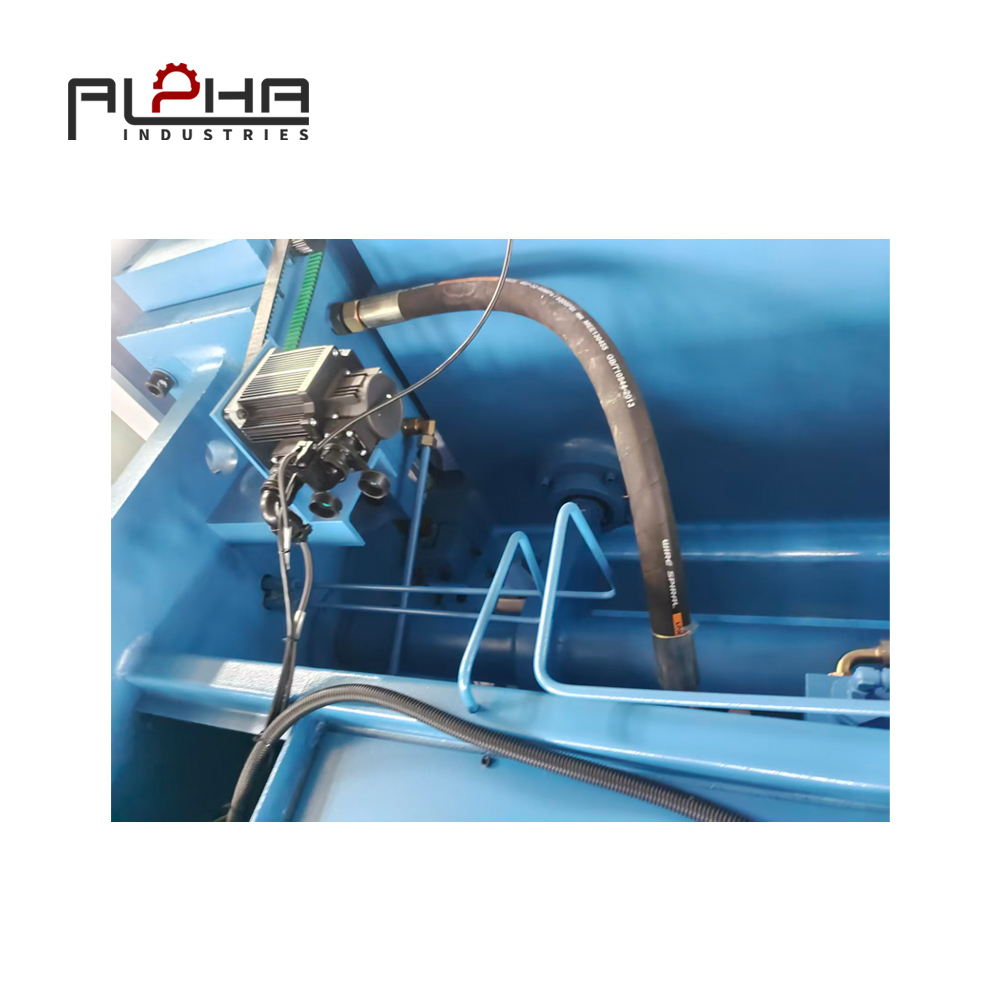
Depending on the machine design, relevant maintenance items may include hydraulic fluid condition, filters, hoses, fittings, seals, pumps, valves, and the power unit.
Leaks, abnormal noise, unusual temperature changes, or inconsistent movement may indicate a problem requiring investigation.
Hydraulic maintenance intervals, fluid specifications, filter replacement requirements, and pressure checks must follow the manufacturer's instructions.
Operators should never loosen hydraulic fittings or attempt to repair a pressurized system. Hydraulic pressure must be safely isolated and verified according to the approved service procedure before qualified personnel begin relevant work.
Electrical System and CNC Control
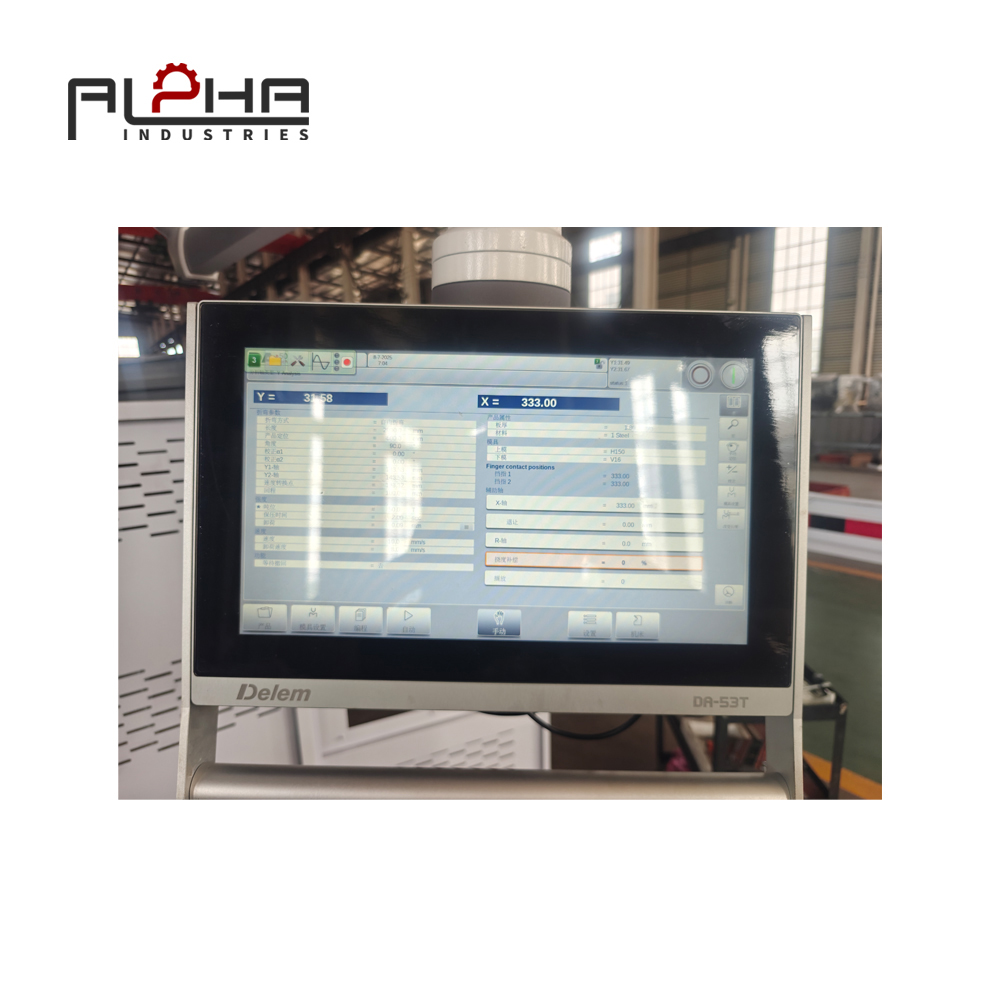
The electrical system and CNC control coordinate machine operation, positioning, and other configured functions.
Maintenance activities may include checking for visible cable damage, loose or damaged external connectors, abnormal alarms, and problems with control-panel operation.
Internal electrical inspection and repair should be performed by qualified personnel using the required isolation procedures.
Maintenance teams should also maintain appropriate backups of CNC programs and relevant machine configuration data according to the control manufacturer's recommendations.
A backup can support recovery after certain data-related problems, but it does not replace the need to diagnose hardware faults or verify the correctness of restored programs.
Backgauge and Positioning Components
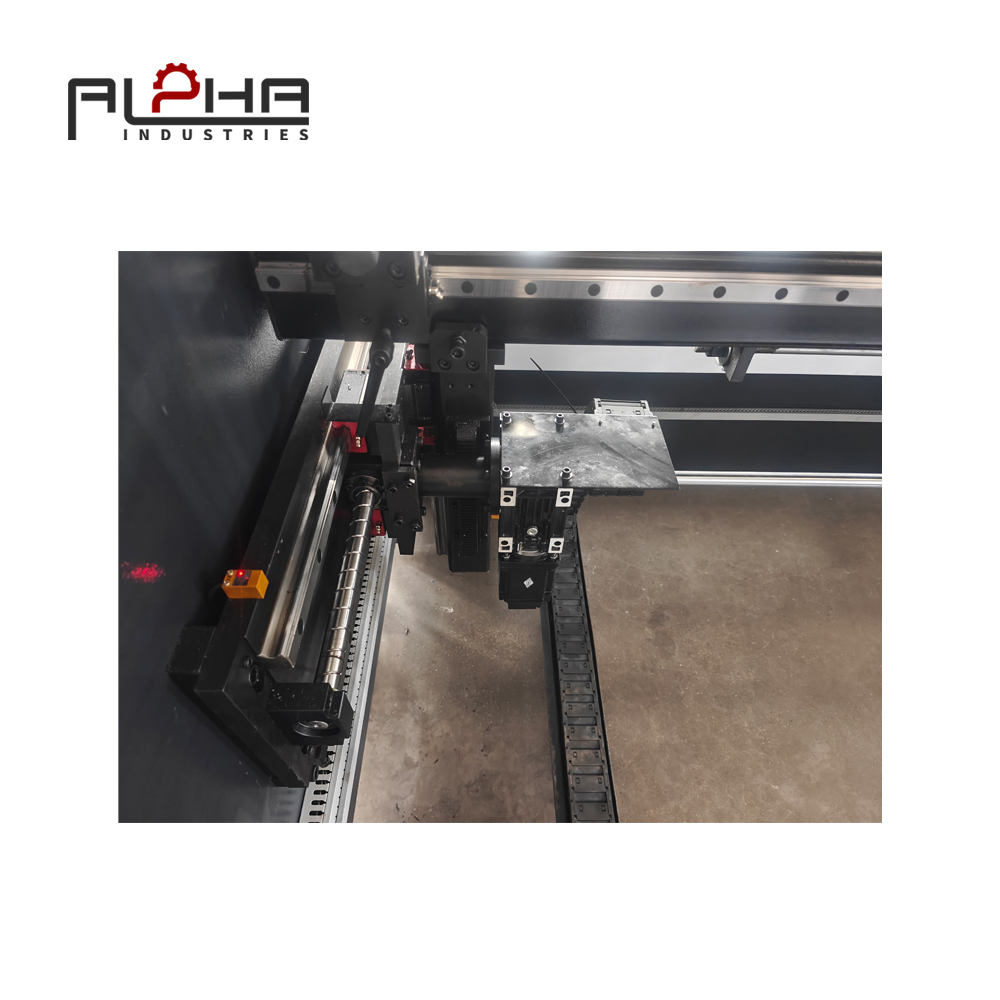
The backgauge positions the workpiece for bending. Depending on the machine configuration, it may include motors, guides, screws, fingers, drives, and other positioning components.
Maintenance should follow the manufacturer's requirements for inspection, lubrication, cleaning, and verification.
If the backgauge begins making unusual noises, moving inconsistently, or generating repeated positioning alarms, the issue should be documented and investigated.
Cleaning procedures should prevent metal particles and other contaminants from accumulating around moving components.
Tooling and Clamping System
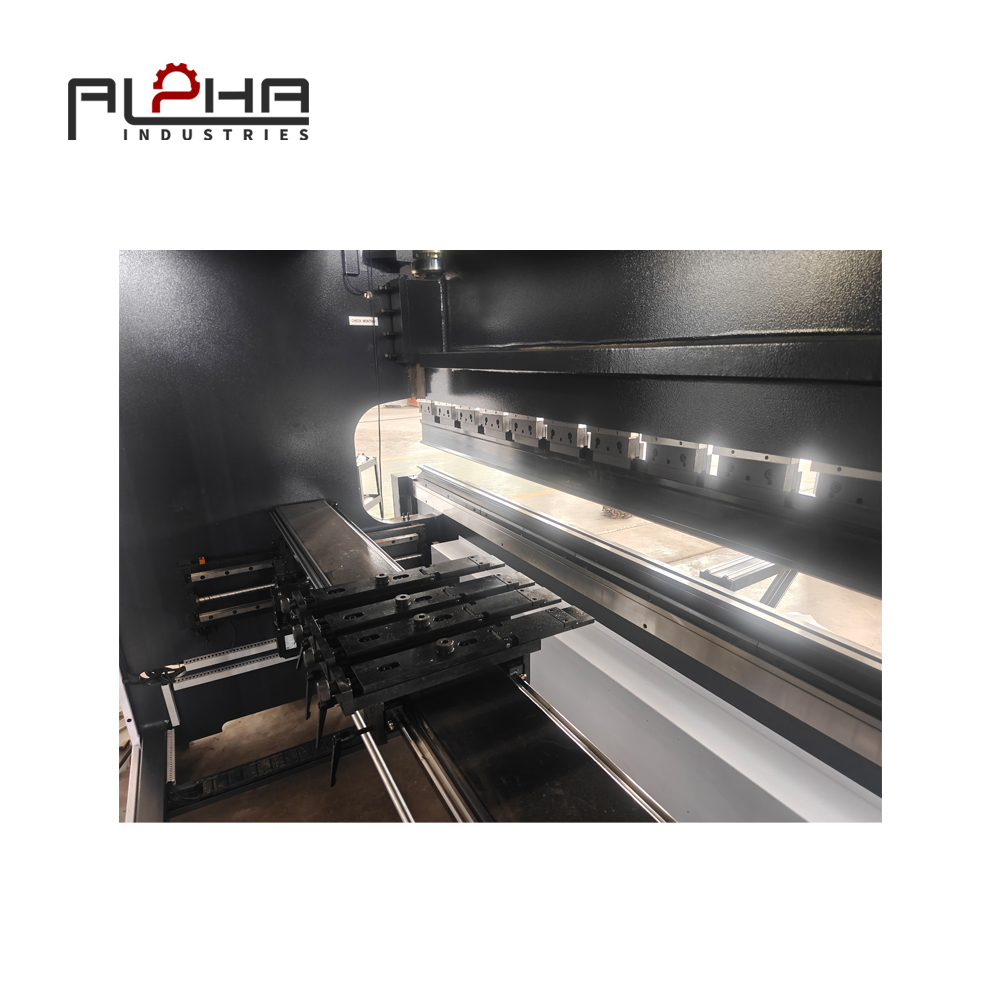
Punches, dies, and clamping components are subject to repeated use and should be inspected regularly.
Look for visible damage, wear, contamination, improper seating, or other conditions that could affect safe installation and operation.
Damaged tooling should not be used until it has been assessed by competent personnel.
Tooling should be stored, handled, and installed according to the relevant manufacturer's instructions. The correct clamping procedure is particularly important because improperly secured tooling can create a serious hazard.
Safety Systems
Safety systems must remain functional throughout the machine's service life.
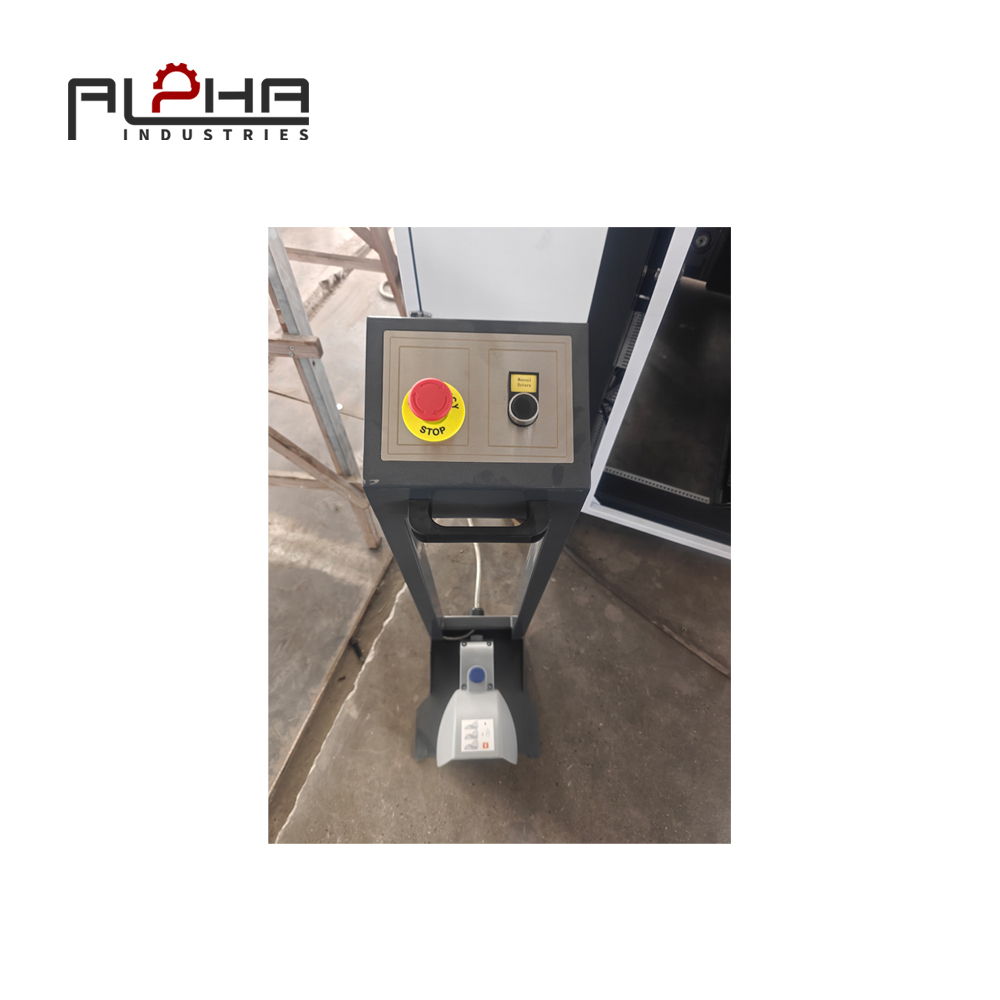
Depending on the press brake, these may include guards, interlocks, light curtains, laser-based safety devices, emergency-stop functions, and other protective equipment.
Inspection and testing must follow the machine manufacturer's procedure and applicable safety requirements.
Safety devices must never be bypassed to save time or maintain production. If a safety function is damaged or fails its prescribed test, the machine must be taken out of operation as required by the relevant procedure until the problem is resolved.
Building a Practical Press Brake Maintenance Schedule
A maintenance schedule should be simple enough to follow consistently and detailed enough to identify important problems.
The following framework can help a workshop organize its maintenance activities. It is a general planning example, not a replacement for the maintenance intervals specified by the machine manufacturer.
Before Each Shift
Operators can carry out the routine visual and operational checks specified in the machine manual.
Depending on the machine, these may include checking for visible leaks, damaged cables, unusual noises, abnormal alarms, damaged tooling, and obvious obstructions.
Required safety checks should be completed using the approved procedure.
Any abnormal condition should be recorded and reported to the responsible person before production begins. Operators should not remove guards or access hazardous areas to perform checks unless they are specifically trained and authorized to do so.
Weekly or According to Usage
A designated person can review the machine's external condition, cleanliness, tooling storage, and visible signs of wear.
The workshop may also review recurring alarms, operator reports, and maintenance requests.
The actual frequency should reflect the machine manufacturer's recommendations, production intensity, environment, and observed operating conditions.
A machine operating for extended shifts in a dusty environment may require a different inspection plan from a machine used intermittently in a cleaner workshop.
At Manufacturer-Defined Service Intervals
Qualified maintenance personnel should perform the scheduled service activities specified in the machine manual.
Depending on the design, these may include lubrication, filter service, hydraulic-system checks, mechanical inspections, electrical checks, and verification of relevant machine functions.
Tasks involving electrical isolation, hydraulic systems, stored energy, or mechanical adjustment must be assigned to appropriately qualified personnel.
The service schedule should identify who is responsible, what must be checked, what records must be retained, and how problems are escalated.
After a Fault or Abnormal Event
A maintenance review may be necessary after a significant fault, unusual noise, unexpected movement, safety-system issue, or other abnormal event.
Before the machine returns to production, the responsible personnel should determine whether inspection, repair, testing, or formal release is required.
The appropriate process depends on the type of event and the machine manufacturer's instructions.
A fault should not be considered resolved simply because the machine restarts. The underlying cause and the required verification should be documented.
Daily Checks Operators Can Perform Safely
A short checklist can help operators identify visible problems without replacing formal technical maintenance.
The checklist should be tailored to the specific press brake and approved by the responsible maintenance or safety personnel.
Potential checks include:
-
Machine condition: Look for visible damage, unusual leaks, loose external components, or unexpected changes in machine appearance.
-
Operating environment: Keep the designated work area clear and maintain access to required controls and safety devices.
-
Tooling condition: Check accessible tooling for obvious damage, contamination, or incorrect installation, following the approved procedure.
-
Control panel: Report recurring alarms, unusual messages, or unexpected control behavior.
-
Operating sounds: Report new or unusual noises instead of assuming they are normal.
-
Safety devices: Complete the prescribed safety checks and report any failure immediately.
-
Maintenance records: Confirm that outstanding faults and inspection findings have been communicated to the responsible person.
These checks are intended to identify potential problems, not to authorize operators to dismantle machine components or perform specialist repairs.
If a condition may affect safe operation, the machine should be stopped and handled according to the approved safety and fault-reporting procedure.
Hydraulic Press Brake Maintenance: What Should Be Monitored?
Hydraulic press brakes require particular attention to the condition of the hydraulic system.
Hydraulic performance depends on the correct fluid, clean components, suitable operating conditions, and maintenance performed at the intervals specified by the manufacturer.
Hydraulic Fluid Condition
The correct hydraulic fluid specification is essential. Using an unsuitable fluid or mixing incompatible fluids can damage system components.
Maintenance personnel should follow the manufacturer's requirements for fluid inspection, sampling, replacement, and disposal.
The fluid's appearance alone cannot establish that it meets all required performance characteristics. Where specified, appropriate testing may be needed.
Filters and Contamination Control
Contamination can affect hydraulic components and system performance.
Filter inspection and replacement should follow the specified maintenance schedule. If contamination is suspected, maintenance personnel should investigate the source rather than simply replacing a filter without understanding the problem.
Clean handling practices are important when opening the hydraulic system or servicing fluid-related components.
Hoses, Seals, and Connections
Visible leakage, damaged hoses, deteriorated seals, and abnormal fittings should be reported promptly.
A high-pressure hydraulic leak can cause serious injury. Never use a hand to search for a suspected pressurized leak, and never attempt to tighten or disconnect pressurized fittings.
The system must be isolated and made safe under the approved procedure before qualified personnel carry out repairs.
Abnormal Temperature or Noise
Changes in system temperature or sound can indicate a developing issue, but the cause cannot be determined from the symptom alone.
Possible causes vary with machine design and operating conditions. Maintenance personnel should compare the observed condition with the manufacturer's guidance and investigate the system systematically.
Avoid making pressure adjustments or replacing components based only on an unverified assumption.
Electrical and CNC Maintenance Without Unnecessary Risk
CNC press brakes depend on coordinated electrical, electronic, and control functions.
Poor maintenance of these systems can result in alarms, interrupted operation, communication problems, or loss of access to production data.
However, electrical troubleshooting involves hazards that require appropriate training and isolation procedures.
Keep Electrical Enclosures Properly Maintained
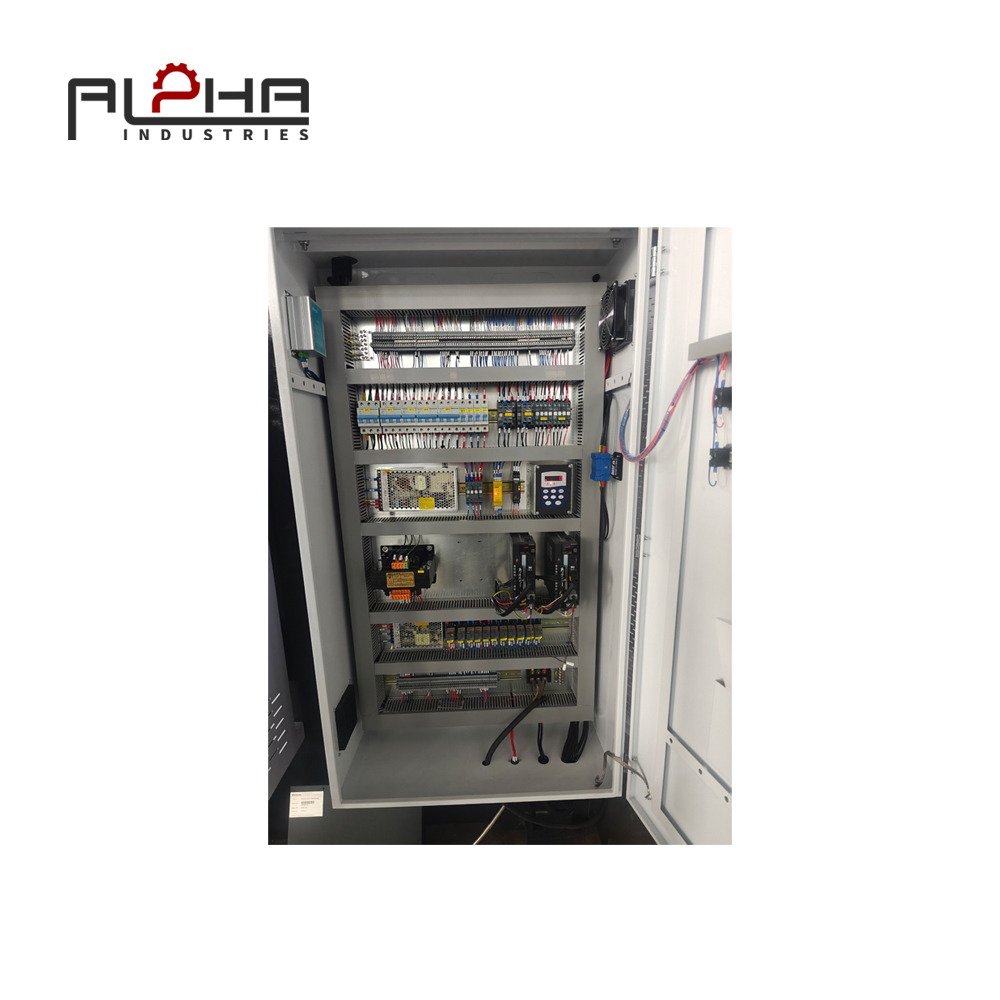
Electrical cabinets should be maintained according to the manufacturer's instructions.
Inspection may include checking for visible damage, unusual odors, contamination, and signs of overheating, but opening electrical enclosures or testing internal components should be performed only by qualified personnel under the approved procedure.
Compressed air, cleaning chemicals, and other methods should not be used inside electrical cabinets unless explicitly permitted by the manufacturer.
Record CNC Alarms and Error Messages
When an alarm appears, record the exact message, the circumstances in which it occurred, and any relevant machine behavior.
Repeated alarms may provide valuable information for diagnosis.
Avoid repeatedly resetting an alarm without understanding its cause, especially when the alarm relates to movement, pressure, positioning, or safety functions.
Protect Machine Programs and Configuration Data
Production programs and configuration data may be important to restoring normal operations after certain faults or data-related incidents.
Follow the control manufacturer's recommendations for backups, storage, access control, and restoration.
Backups should be kept in an appropriate location and checked periodically according to the company's procedures.
Restoring data should be followed by verification of the relevant settings and production programs before normal manufacturing resumes.
Why Maintenance Records Matter
A maintenance checklist is only useful if the information it collects leads to appropriate action.
A structured record allows the workshop to identify repeated problems, verify completed work, and understand the condition of the machine over time.
A practical maintenance record can include:
-
Machine identification and model
-
Date and operating hours, where available
-
Inspection or service task
-
Person responsible
-
Findings and observed abnormalities
-
Alarm codes or fault descriptions
-
Corrective action taken
-
Parts replaced
-
Follow-up inspection requirements
-
Authorization to return the machine to service, where applicable
The level of detail should reflect the machine's importance and the workshop's maintenance procedures.
For example, a recurring hydraulic leak should not appear in multiple records as an isolated event without any investigation into its cause.
By reviewing maintenance history, the company may identify repeated component failures, environmental issues, unsuitable operating practices, or maintenance intervals that require reassessment by qualified personnel.
Spare Parts Planning for Ukrainian Manufacturers
A maintenance program should also consider the availability of essential spare parts.
The objective is not to stock every component. It is to identify which parts are important to machine availability, which components have long procurement lead times, and which items the manufacturer recommends keeping available.
Identify Critical Components
Start with the machine documentation, maintenance history, and advice from the supplier or service provider.
The criticality of a component depends on the consequences of failure, the likelihood of failure, availability, and the time needed to obtain a replacement.
Components related to safety, control, hydraulics, and machine movement should be considered according to the manufacturer's service guidance and the machine's specific design.
Verify Part Numbers and Compatibility
When ordering replacement parts, confirm the machine model, serial number where appropriate, component reference, and any required technical specifications.
A component that appears physically similar may not be suitable for the machine.
Incorrect replacement parts can introduce additional faults or create safety and compatibility problems.
Avoid Unnecessary Stockpiling
Holding too many parts can tie up working capital and create storage or obsolescence issues.
A more practical approach is to prioritize components according to their criticality, lead time, usage history, and supplier availability.
The appropriate inventory level should be reviewed periodically as the machine ages and production requirements change.
Clarify Supplier Support Before Purchase
When evaluating a new press brake, ask about maintenance documentation, spare parts identification, technical assistance, and the process for requesting service.
Manufacturers should clarify which support services are available, what information the supplier requires, and which maintenance tasks must be performed by qualified technicians.
Clear expectations before purchase can make future maintenance planning easier.
How to Reduce Maintenance Disruptions Without Skipping Essential Work
Production pressure can make planned maintenance difficult, particularly when customer deadlines are tight.
However, repeatedly postponing essential maintenance may increase the risk of a more disruptive problem later.
The better approach is to coordinate maintenance with production planning.
Schedule Service Around Production Requirements
Where possible, plan routine maintenance during suitable production windows.
Coordinate with production planners so that essential service tasks are not left until the machine becomes unavailable unexpectedly.
The maintenance schedule should still follow manufacturer requirements and safety needs. Production convenience must not override a necessary inspection or repair.
Prepare Before the Maintenance Window
Before a scheduled service, identify the tasks, required parts, technical documentation, tools, personnel, and safety procedures.
Preparation helps avoid losing the maintenance window because a necessary component or resource is unavailable.
For more complex work, confirm that the appropriate technician is available before the machine is taken out of service.
Separate Routine Checks from Specialist Repairs
Operators can perform only those routine checks for which they have been trained and authorized.
Technical work involving hydraulic pressure, electrical systems, machine geometry, safety devices, or internal components should be assigned to qualified personnel.
Clear responsibilities reduce the chance that an issue will be overlooked or that someone will attempt an unsafe repair.
Review Repeated Interruptions
If the machine repeatedly requires the same repair, the maintenance team should review the history and determine whether a broader investigation is necessary.
Possible areas for review include component condition, operating environment, maintenance practices, installation, and the manufacturer's recommendations.
The aim is to prevent repeated symptoms from becoming a permanent feature of production.
Preventive Maintenance for All-Electric Press Brakes
Not every press brake uses a hydraulic drive system.
All-electric press brakes use electromechanical drive technologies, so their maintenance requirements differ from those of hydraulic models.
They do not require the same hydraulic fluid and filter servicing associated with a hydraulic power unit. However, this does not mean that an all-electric press brake is maintenance-free.
Depending on the design, maintenance may include inspections of drive systems, mechanical components, guides, electrical systems, cooling arrangements, safety devices, and control functions.
The manufacturer defines the appropriate service procedures and intervals.
When comparing hydraulic and all-electric press brakes, manufacturers should assess the maintenance requirements of the specific models under consideration rather than assuming that one technology eliminates maintenance.
The most suitable machine depends on the required bending capacity, production profile, operating environment, machine configuration, service availability, and total cost of ownership.
Choosing a Press Brake with Maintenance in Mind
Maintenance planning should begin before the machine is purchased.
A press brake may meet the required tonnage and working length, but manufacturers should also consider whether the machine can be inspected, serviced, and supported effectively throughout its working life.
Review Access to Service Points
Ask the supplier how routine inspection and scheduled service are performed on the proposed model.
Relevant considerations may include access to service points, maintenance instructions, lubrication requirements, and the procedures for checking critical systems.
The supplier should be able to clarify which tasks are routine and which require specialist service.
Understand the Required Maintenance Schedule
Request the manufacturer's maintenance documentation and review the prescribed intervals.
The schedule should identify the relevant inspections, service tasks, consumables, and qualifications required.
If the proposed machine has optional systems or special configurations, confirm whether they introduce additional maintenance requirements.
Evaluate Technical Support Arrangements
Clarify how technical assistance is requested, what information is required for fault diagnosis, and what service arrangements are available for the destination market.
Do not assume that every type of repair can be handled remotely or that every spare part is immediately available.
A clear understanding of the support process helps the manufacturer plan for the machine's long-term operation.
Consider Operator Training
Appropriate training helps operators understand routine checks, correct operating procedures, fault reporting, and the limits of their responsibilities.
Training should also cover the machine's safety functions and the procedures to follow when a problem occurs.
Operators should know when to stop the machine and contact qualified personnel rather than attempting an unauthorized repair.
Common Press Brake Maintenance Mistakes
Several practices can undermine an otherwise sensible maintenance program.
-
Waiting for a failure before arranging maintenance. Routine inspections can identify visible warning signs before a fault becomes more serious.
-
Ignoring small leaks or unusual noises. Minor abnormalities should be recorded and assessed rather than automatically treated as harmless.
-
Using the wrong lubricant or hydraulic fluid. Only products that meet the manufacturer's specified requirements should be used.
-
Allowing unqualified personnel to repair hazardous systems. Electrical, hydraulic, and mechanical service tasks must be assigned according to the required qualifications and safety procedures.
-
Bypassing safety devices. Protective functions must remain operational. A failed safety system requires appropriate action before the machine returns to use.
-
Failing to document recurring faults. Without records, maintenance teams may repeatedly treat symptoms without identifying underlying causes.
-
Replacing components without confirming compatibility. Replacement parts must match the machine's specifications and approved requirements.
-
Assuming that all press brakes require the same service schedule. Machine design, usage, environment, and manufacturer instructions determine the appropriate maintenance plan.
A consistent maintenance process helps turn these lessons into routine practice.
Frequently Asked Questions About Press Brake Maintenance
How often should a press brake be serviced?
The correct service interval depends on the machine model, usage, operating environment, and manufacturer's maintenance instructions. Operators may perform approved visual checks before each shift, while technical inspections and scheduled servicing follow the specified intervals. Always use the machine manual as the primary reference.
What should be checked during a daily press brake inspection?
Depending on the machine and approved procedure, checks may include visible leaks, damaged cables, unusual noises, abnormal alarms, tooling condition, work-area cleanliness, and the operation of specified safety functions. Any abnormality should be reported and handled according to the relevant procedure.
What are the warning signs of hydraulic press brake problems?
Potential warning signs include visible hydraulic leaks, unusual noise, abnormal temperature changes, inconsistent movement, or repeated system alarms. These symptoms can have different causes and require appropriate investigation. Never attempt to repair a pressurized hydraulic system without the required isolation and qualified personnel.
Does an all-electric press brake require less maintenance?
Maintenance requirements differ by design. An all-electric model avoids certain hydraulic-system service tasks, but its mechanical, electrical, drive, control, and safety systems still require maintenance according to the manufacturer's instructions. Compare the service requirements of the specific machines rather than relying on the technology label alone.
Can operators perform press brake maintenance themselves?
Operators may perform routine checks and basic tasks only when those activities are permitted by the manufacturer and the operators have received the required training. Repairs involving hazardous energy, electrical systems, hydraulic pressure, structural components, or safety devices should be assigned to qualified personnel.
How can a manufacturer reduce unexpected press brake downtime?
A structured maintenance schedule, prompt reporting of abnormalities, accurate service records, appropriate spare parts planning, and qualified technical support can help reduce avoidable interruptions. These measures cannot eliminate all failures, but they improve visibility into machine condition and support better maintenance decisions.
What spare parts should be kept for a press brake?
The answer depends on the model, machine criticality, maintenance history, component lead times, and supplier recommendations. Identify critical components with qualified service personnel and prioritize inventory according to operational risk rather than purchasing large quantities of every part.
What should I ask a supplier about press brake maintenance before purchasing?
Ask for the maintenance schedule, operating manual, lubrication and fluid specifications where applicable, recommended service intervals, spare parts identification, technical support arrangements, training information, and any special service requirements associated with the proposed configuration.
Conclusion: Make Preventive Maintenance Part of the Production Strategy
For Ukrainian sheet metal manufacturers, press brake maintenance should be treated as an essential part of production planning rather than an activity reserved for when a machine fails.
A practical maintenance program combines routine operator checks, scheduled technical servicing, accurate records, appropriate spare parts planning, and clear procedures for handling abnormalities.
The details vary between hydraulic and all-electric machines, and the manufacturer's instructions must always guide the work. Safety-related faults, hazardous repairs, and technical adjustments require the appropriate qualified personnel.
By identifying warning signs early, documenting recurring problems, and coordinating maintenance with production requirements, manufacturers can make better-informed decisions about machine condition and service needs.
When purchasing a new press brake, evaluate not only bending capacity and CNC features but also maintenance documentation, service access, spare parts planning, training, and technical support.
For businesses in Ukraine seeking dependable sheet metal production, a well-planned maintenance strategy helps create a more organized approach to equipment care and long-term machine operation.
Contact ALPHA CNC
Are you evaluating a press brake for your sheet metal production facility in Ukraine? ALPHA CNC can discuss machine configurations and help you review your material range, bending requirements, production environment, and equipment needs.
Contact us to discuss your application:
https://alpha-cnc.com/contact-us
Explore our website: