

+86-17372713393 sale01@alpha-cnc.com

Milling Machine | High-Precision Metal Cutting Solution – Alpha

  • CONVENTIONAL MACHINE
  • MILLING MACHINE
Posted by NANJING ALPHA CNC CO., LTD On Sep 23 2025

A milling machine is one of the most widely used metal processing machines in modern manufacturing. It utilizes a rotating cutter to remove material from a workpiece, enabling complex shapes, slots, and precision surfaces. At Alpha, we specialize in producing advanced milling machines designed to meet global industrial demands, including automotive, aerospace, mold manufacturing, and heavy machinery production.

Our milling machines combine robust structure, high spindle speed, flexible tooling systems, and digital controls, ensuring operators achieve consistent results with maximum efficiency.


Types of Milling Machine

1. Vertical Milling Machine

The vertical milling machine features a vertically oriented spindle, ideal for precision cutting and contouring of small to medium-sized parts. It is widely used in mold manufacturing, prototyping, and complex component machining.

2. Horizontal Milling Machine

The horizontal milling machine offers greater stability for heavy-duty cutting and high-volume production. Its horizontal spindle orientation allows deeper cuts, making it suitable for machining large, hard materials.

3. Universal Milling Machine

The universal milling machine combines both vertical and horizontal functionality. Its swivel table increases flexibility, allowing operators to machine at different angles, making it a preferred choice for tool rooms and workshops handling diverse tasks.

4. Bed-Type Milling Machine

The bed-type milling machine has a strong and rigid structure, ensuring superior performance for large-scale machining. It reduces vibration, increases cutting depth, and provides excellent surface finishes.


Key Features of Alpha Milling Machine

  • High-Precision Spindle System – Maintains accuracy even under continuous operation.

  • Heavy-Duty Machine Bed – Rigid cast-iron base minimizes vibration.

  • Advanced Feed System – Smooth, adjustable feed rates improve cutting efficiency.

  • Durable Components – Designed for long lifespan and reduced maintenance costs.

  • Versatile Tool Compatibility – Supports multiple cutting tools, from end mills to face mills.

  • Digital Readouts & Automation – Optional CNC control integration enhances productivity.


Applications of Milling Machine

Milling machines are indispensable in a wide range of industries:

  • Automotive Industry – Engine blocks, transmission housings, and chassis parts.

  • Aerospace Manufacturing – Lightweight, high-strength components with precise tolerances.

  • Tool & Die Production – Complex molds and dies for plastics and metal forming.

  • Construction Machinery – Heavy-duty components requiring robust machining.

  • General Fabrication – Custom parts for machinery, appliances, and industrial equipment.


Advantages of Alpha Milling Machine

  1. Consistent Accuracy – High repeatability for large batch production.

  2. Energy Efficiency – Optimized motor and spindle systems reduce power consumption.

  3. Operator-Friendly Design – Easy-to-use controls and ergonomic layout.

  4. Customization Options – Tailored solutions for different industries.

  5. Global Support – Alpha provides worldwide technical assistance and spare parts service.


Why Choose Alpha Milling Machine

As a leading manufacturer of metal processing machinery, Alpha focuses on delivering high-performance equipment for international buyers. Our strengths include:

  • Over 20 years of engineering expertise in machine tool design.

  • Strict quality control meeting CE and ISO standards.

  • Export network covering 35+ countries with strong after-sales support.

  • Flexible production capacity to handle both standard and customized machine requirements.


Frequently Asked Questions (FAQ)

Q1: What is the difference between vertical and horizontal milling machines?
Vertical machines excel at detailed surface work, while horizontal machines handle heavy-duty cutting and larger workpieces.

Q2: What materials can a milling machine process?
Milling machines can cut steel, aluminum, brass, titanium, cast iron, and even composites with the right tooling.

Q3: How to maintain a milling machine?
Regular lubrication, spindle inspection, and alignment checks are essential to maintain accuracy and extend lifespan.

Q4: What industries benefit most from milling machines?
Automotive, aerospace, mold-making, construction, and heavy machinery industries rely heavily on milling machines.

Q5: How long is the delivery time for Alpha milling machines?
Standard delivery is 30–60 days, depending on machine configuration and customization.


Call to Action

Looking for a high-precision, durable, and efficient milling machine? Alpha provides customized solutions to match your production needs.

Learn more about our Milling Machine and discover other advanced metal processing machinery at Alpha.
Featured Blogs
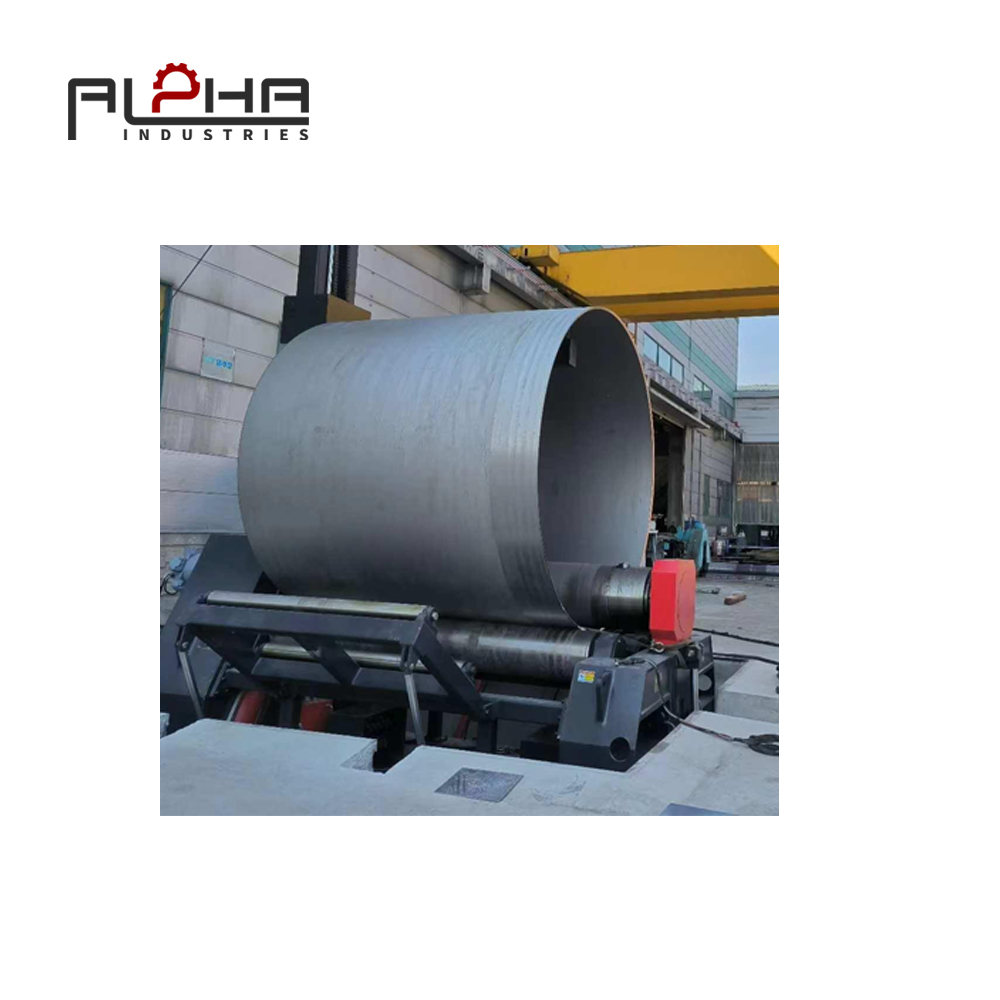
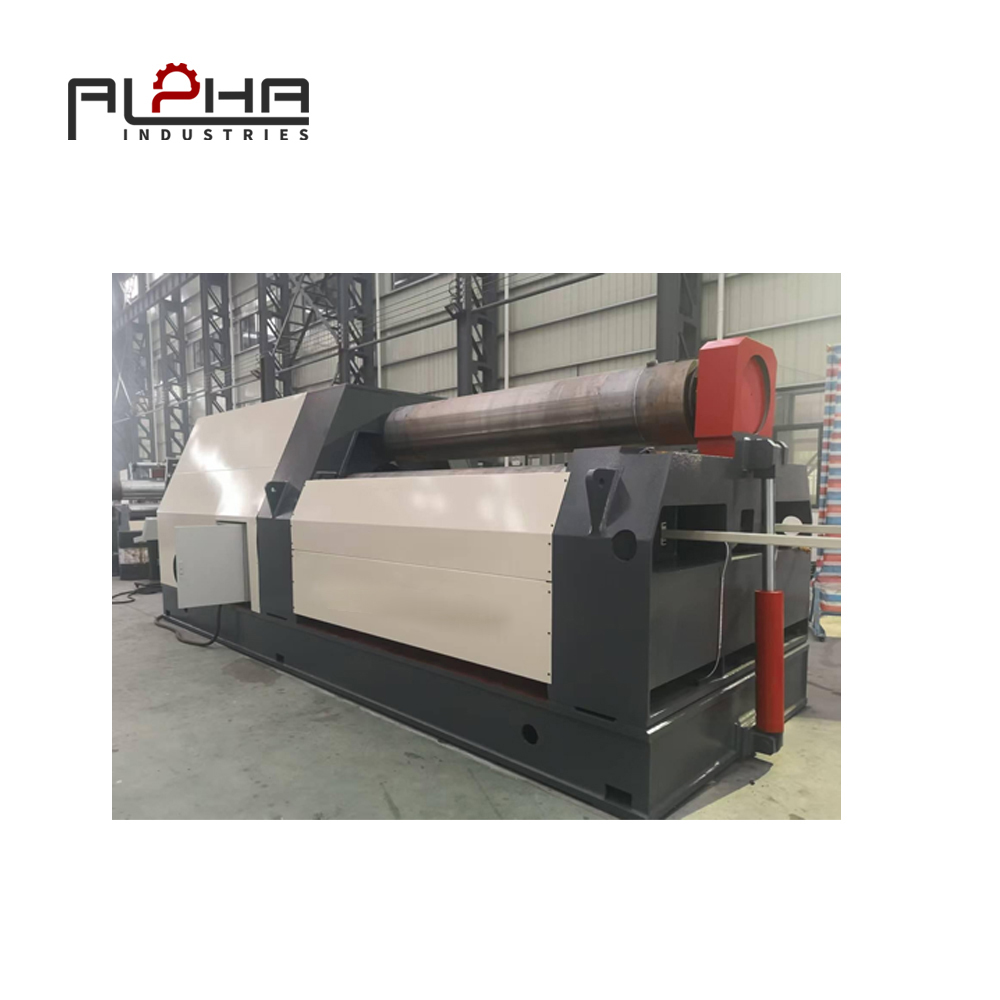
How to Control Energy Costs with a 4-Roller Plate Rolling Machine in Brazil

How to Control Energy Costs with a 4-Roller Plate Rolling Machine in Brazil

Rising electricity costs are creating additional pressure for Brazilian metal fabrication companies. For manufacturers processing steel plates into cylindrical components, controlling energy consumption is an important part of managing production expenses. This article explains how a 4-roller plate rolling machine can support better energy management through suitable machine sizing, hydraulic system maintenance, reduced idle operation, optimized rolling cycles, and preventive maintenance. It also provides practical purchasing considerations for Brazilian manufacturers looking to improve long-term equipment operating costs.

How a 4-Roller Plate Rolling Machine Improves Plate Rolling Accuracy and Reduces Material Waste in the USA

How a 4-Roller Plate Rolling Machine Improves Plate Rolling Accuracy and Reduces Material Waste in the USA

For American metal fabrication companies, achieving consistent plate curvature while minimizing material waste is a major production challenge. This article explores how a 4-roller plate rolling machine helps manufacturers improve rolling accuracy, control material deformation, reduce operator dependency, and achieve more reliable production results. It also explains important machine selection factors for businesses processing carbon steel, stainless steel, and other industrial metal plates.

How a 4-Roller Plate Rolling Machine Helps Mexican Manufacturers Meet Tight Production Deadlines

How a 4-Roller Plate Rolling Machine Helps Mexican Manufacturers Meet Tight Production Deadlines

As Mexico strengthens its position in North American manufacturing and nearshoring supply chains, metal fabrication companies face growing pressure to deliver customized products within shorter production schedules. This article explores how a 4-roller plate rolling machine helps Mexican manufacturers improve production flexibility, simplify workpiece handling, reduce unnecessary setup operations, and process different cylindrical components more efficiently.

NR-12 Safety Requirements for 4-Roller Plate Rolling Machines: What Brazilian Manufacturers Need to Know

NR-12 Safety Requirements for 4-Roller Plate Rolling Machines: What Brazilian Manufacturers Need to Know

For Brazilian metal fabrication companies, purchasing industrial machinery involves more than evaluating processing capacity and price. Machinery safety and NR-12 requirements are also important considerations when importing and installing equipment. This article explains the key safety aspects buyers should evaluate when selecting a 4-roller plate rolling machine, including roller guarding, emergency stop systems, hydraulic safety, electrical controls, operator training, and Portuguese technical documentation. It also provides practical guidance for preparing imported plate rolling equipment for safe industrial operation in Brazil.

Improving Plate Rolling Consistency in Colombia: How a 4-Roller Plate Rolling Machine Handles Mixed Production Requirements

Improving Plate Rolling Consistency in Colombia: How a 4-Roller Plate Rolling Machine Handles Mixed Production Requirements

For metal fabrication companies in Colombia, producing consistent rolled components from different plate sizes and material specifications can be a daily production challenge. Changes in plate thickness, width, material strength, and required diameter can make forming results difficult to repeat, especially when operators rely heavily on manual adjustments. A 4-roller plate rolling machine offers a practical approach to improving plate positioning, controlling pre-bending, and maintaining a more stable forming process. This article explains how four-roll technology can help Colombian manufacturers reduce dimensional variation, improve production repeatability, and build a more reliable workflow for tanks, cylindrical shells, structural components, and other rolled products.

How to Minimize Machine Downtime with a 4-Roller Plate Rolling Machine in Mexico

How to Minimize Machine Downtime with a 4-Roller Plate Rolling Machine in Mexico

For Mexican metal fabrication companies, unexpected machine breakdowns can interrupt production, increase maintenance expenses, and delay customer deliveries. This article explains how to evaluate a 4-roller plate rolling machine from a long-term reliability perspective. It covers hydraulic system maintenance, roller inspection, spare parts planning, operator training, preventive maintenance, and supplier support to help manufacturers reduce equipment downtime and maintain stable production.