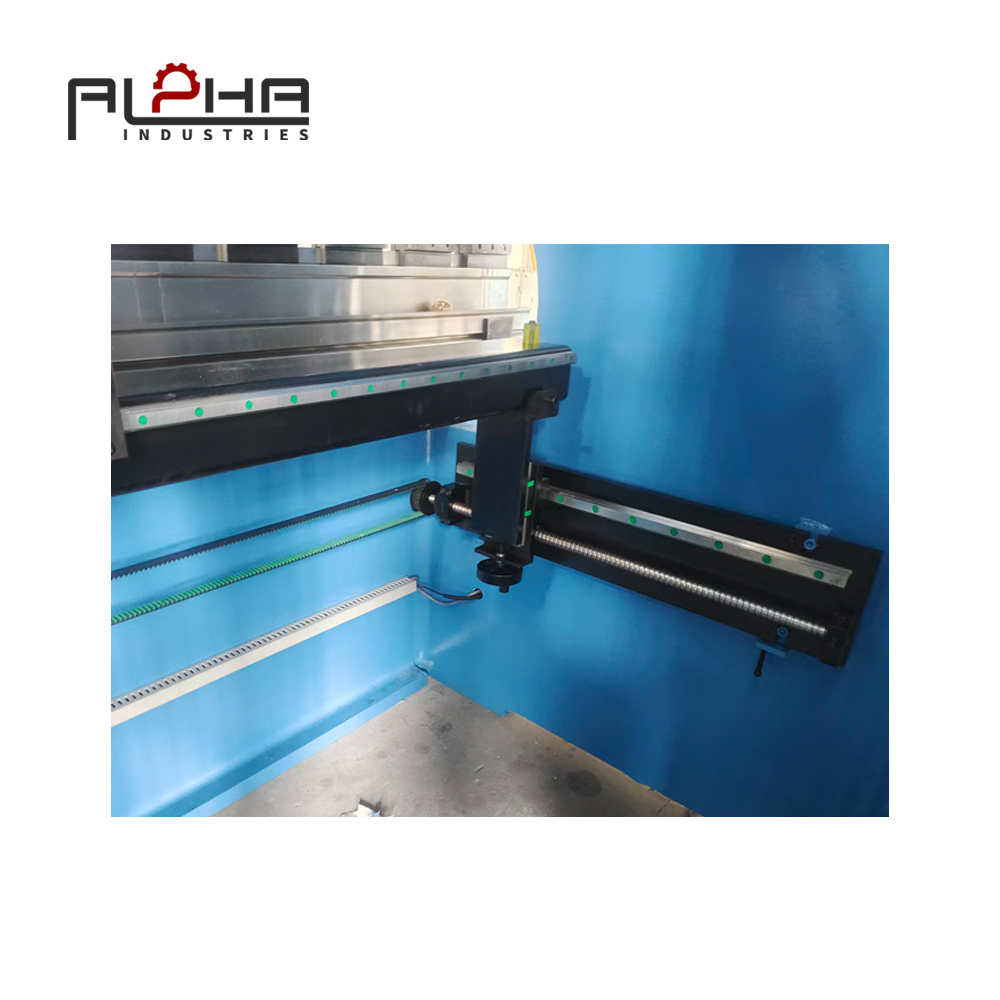


Press Brake Hydraulic Stability for Australian Metal Fabrication Workshops
In the Australian metal fabrication industry, operational reliability is more important than ever. Workshops across cities such as Sydney, Melbourne, and Perth operate under extremely tight schedules, where even a few hours of machine downtime can lead to significant financial losses.
One of the most common issues affecting productivity is hydraulic instability in press brake systems. Pressure fluctuation, oil overheating, or valve response delays can cause inconsistent bending angles, unexpected stops, and costly production interruptions.
For manufacturers and fabricators working with structural steel, HVAC ducting, mining components, and construction panels, the reliability of a press brake directly determines project delivery capability.
At Alpha, our engineering team focuses on improving hydraulic system stability, ensuring that press brakes can operate continuously under demanding Australian workshop conditions.
 Why Hydraulic Stability Is Critical for Press Brake Performance
Hydraulic systems serve as the core power source of most industrial press brakes. Any instability within this system can directly affect bending accuracy and machine reliability.
Common hydraulic problems found in fabrication workshops include:
1. Pressure Fluctuation During Bending
When hydraulic pressure is unstable, the ram cannot maintain consistent force. This results in:
-
Inconsistent bend angles
-
Material springback variation
-
Increased part rejection rates
In high-volume fabrication environments, this can significantly reduce production efficiency.
2. Hydraulic Oil Overheating
Australian workshops often operate long production shifts. Without proper cooling and circulation, hydraulic oil temperature can rise rapidly.
High temperatures may lead to:
-
Seal wear
-
Reduced hydraulic efficiency
-
Premature component failure
A well-designed hydraulic system must ensure stable oil temperature throughout extended operation cycles.
3. Valve Response Delay
Precision bending requires accurate synchronization between hydraulic cylinders and CNC control commands. Poor valve response can cause:
-
Slow ram movement
-
Positioning lag
-
Reduced repeatability
This is particularly problematic when producing complex sheet metal parts requiring multiple bends.
How Alpha Press Brake Hydraulic Systems Improve Operational Stability
To address the operational challenges faced by Australian manufacturers, Alpha press brake machines are designed with reinforced hydraulic architecture.
High-Precision Hydraulic Valve Systems
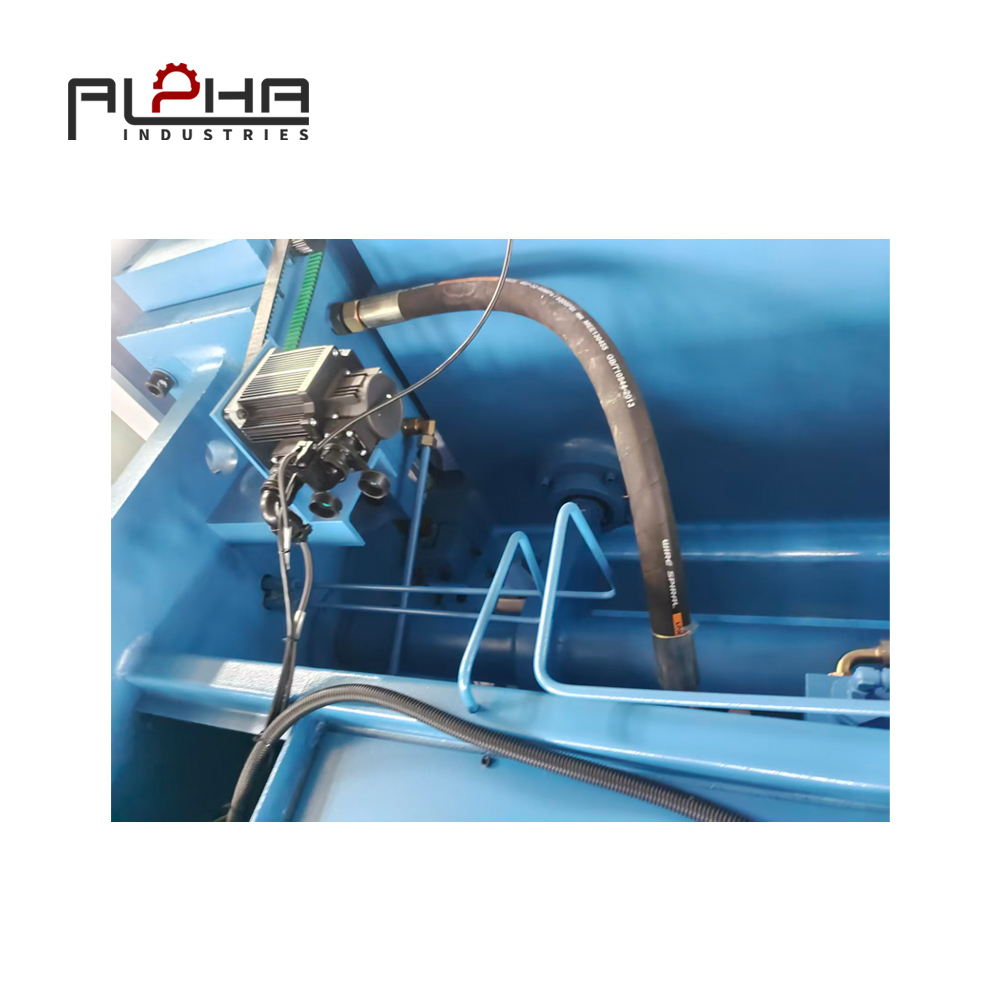
Alpha press brakes utilize high-response proportional valves, allowing rapid pressure adjustments during bending operations. This ensures consistent bending force across different material thicknesses.
Key advantages include:
-
Stable ram movement
-
Reduced pressure fluctuation
-
Improved bending consistency
Advanced Hydraulic Oil Cooling System
Our machines incorporate optimized hydraulic oil circulation and cooling structures designed for continuous operation.
Benefits include:
-
Stable oil temperature during long production cycles
-
Reduced component wear
-
Improved machine lifespan
Dual-Cylinder Synchronization Technology
The synchronization of left and right hydraulic cylinders is critical for maintaining parallelism during bending.
Alpha press brakes feature:
-
Precision cylinder synchronization control
-
Balanced pressure distribution
-
Improved bending accuracy across long workpieces
This design ensures stable performance even when bending large sheet metal panels commonly used in Australian construction and mining industries.
Reducing Downtime in Australian Workshops
Downtime is particularly expensive in Australia due to:
-
High labor costs
-
Limited skilled technicians
-
Long distances for technical service
When a press brake stops unexpectedly, repair time can extend production schedules and delay project delivery.
A stable hydraulic system minimizes these risks by providing:
-
Continuous operation capability
-
Lower maintenance frequency
-
Predictable machine performance
For many fabrication companies, investing in a reliable press brake means reducing operational uncertainty and improving overall production capacity.
Typical Applications in the Australian Market
Press brakes are widely used across multiple sectors in Australia:
Construction Steel Fabrication
Producing structural brackets, support frames, and steel panels.
Mining Equipment Manufacturing
Forming heavy-duty components used in mining machinery.
HVAC and Duct Production
Bending galvanized sheets for ventilation systems.
Agricultural Machinery Parts
Creating durable components for farming equipment.
In these industries, consistent bending quality and machine reliability are essential for meeting strict project timelines.
Choosing the Right Press Brake for Long-Term Stability
When selecting a press brake for Australian operations, buyers should focus on several technical factors:
-
Hydraulic system reliability
-
Cylinder synchronization accuracy
-
Oil temperature control capability
-
Structural rigidity of the machine frame
-
Availability of remote technical support
Machines designed with these factors in mind will deliver significantly higher operational stability.
Alpha press brakes are engineered specifically to meet these requirements, helping fabrication companies maintain efficient and predictable production processes.
Frequently Asked Questions
What causes press brake downtime in fabrication workshops?
The most common causes include hydraulic pressure instability, overheating oil systems, and delayed valve response, which can interrupt bending operations.
Why is hydraulic stability important for a press brake?
Hydraulic stability ensures consistent bending force, accurate angles, and smooth ram movement, which improves production reliability and reduces scrap rates.
How can press brake maintenance reduce production interruptions?
Regular hydraulic oil inspection, valve calibration, and cooling system maintenance can significantly reduce unexpected machine downtime.
What industries rely heavily on press brake machines in Australia?
Industries such as construction steel fabrication, mining equipment manufacturing, HVAC production, and agricultural machinery manufacturing depend on press brakes for sheet metal forming.
Improve Fabrication Efficiency with Alpha Press Brake
In the highly competitive Australian fabrication market, machine reliability is no longer optional—it is essential.
By focusing on hydraulic stability, synchronized cylinder control, and efficient cooling systems, Alpha press brake machines deliver consistent bending performance even in demanding industrial environments.
If your workshop is looking to reduce downtime and improve bending reliability, the right press brake solution can make a significant difference.
👉 Learn more about our press brake solutions or Contact Us
https://alpha-cnc.com/contact-us/