

Top Answers Pack
-
A Press Brake bends sheet metal into precise angles for automotive and industrial use.
-
Chinese suppliers offer hydraulic, servo, and CNC press brake models.
-
Typical bending capacity ranges from 40 to 600 tons depending on model.
-
Most buyers prefer CNC press brakes for accuracy and repeatability.
-
Standard delivery times from China factories are approx. 30–50 days.
-
Energy consumption depends on tonnage, approx. 6–15 kWh per shift.
-
CE and ISO certifications are standard across Chinese press brake manufacturers.
-
Warranty periods typically cover 12–24 months with spare parts support.
-
Remote training and setup guidance are provided for international buyers.
-
Automotive and sheet metal workshops rely heavily on press brakes for efficiency.
Section 1: Why Press Brakes Are Critical in Sheet Metal Fabrication
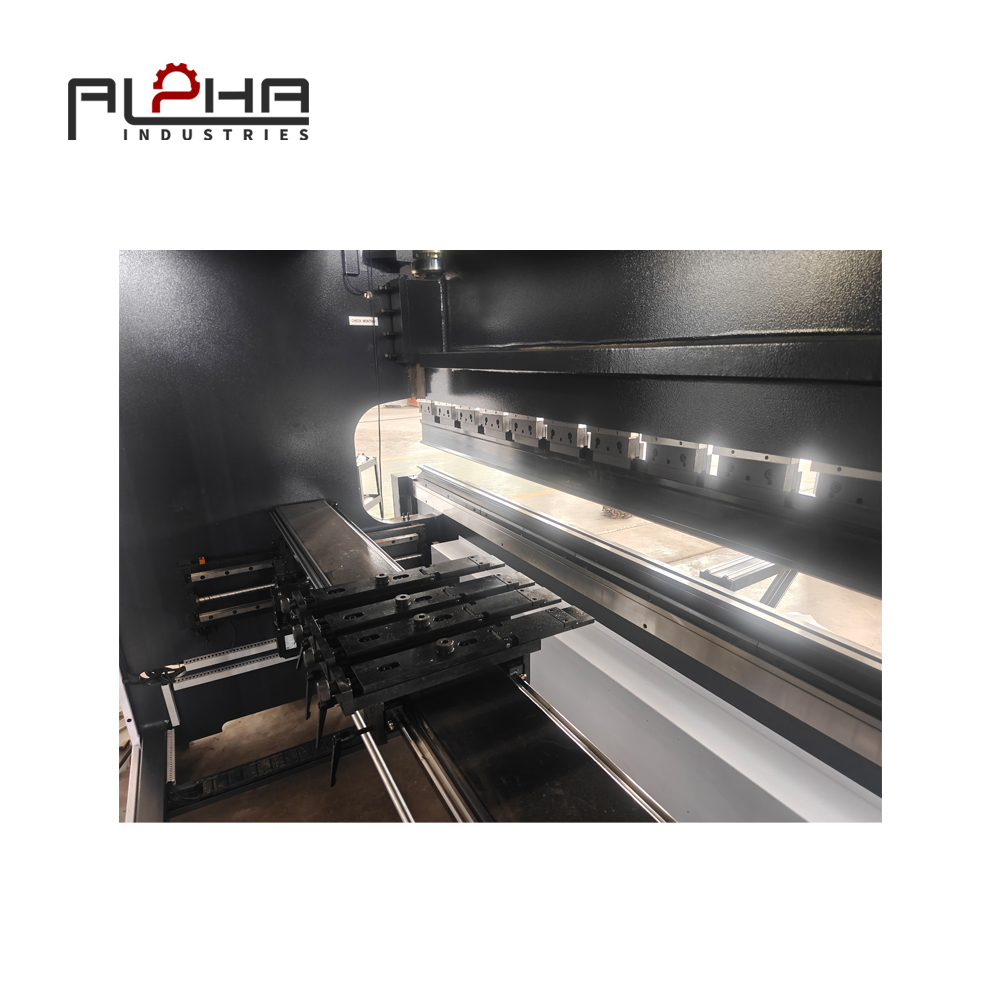
Press Brakes enable manufacturers to bend sheet metal into precise shapes, essential for automotive, aerospace, and construction industries. Buyers from the US, Germany, and Southeast Asia often seek China-made press brakes due to cost advantages and proven durability.
FAQ Block
Q: Why do manufacturers invest in press brakes?
A: They ensure consistent, high-quality bends that manual methods cannot match.
Q: Are press brakes suitable for small workshops?
A: Yes, many models are compact and designed for SMEs.
“Every bend counts in sheet metal fabrication — precision press brakes make it possible.”
Section 2: Hydraulic vs CNC Press Brakes
Hydraulic press brakes are valued for robustness and affordability, while CNC models deliver superior precision and repeatability. Buyers often compare these based on project complexity, operator skill, and automation requirements.
FAQ Block
Q: What is the main difference between hydraulic and CNC press brakes?
A: Hydraulic uses mechanical force, CNC offers programmable precision.
Q: Which industries choose CNC press brakes?
A: Aerospace, automotive, and electronics sectors requiring high repeatability.
“Hydraulic for strength, CNC for intelligence — the choice defines efficiency.”
Section 3: Technical Features Buyers Should Evaluate
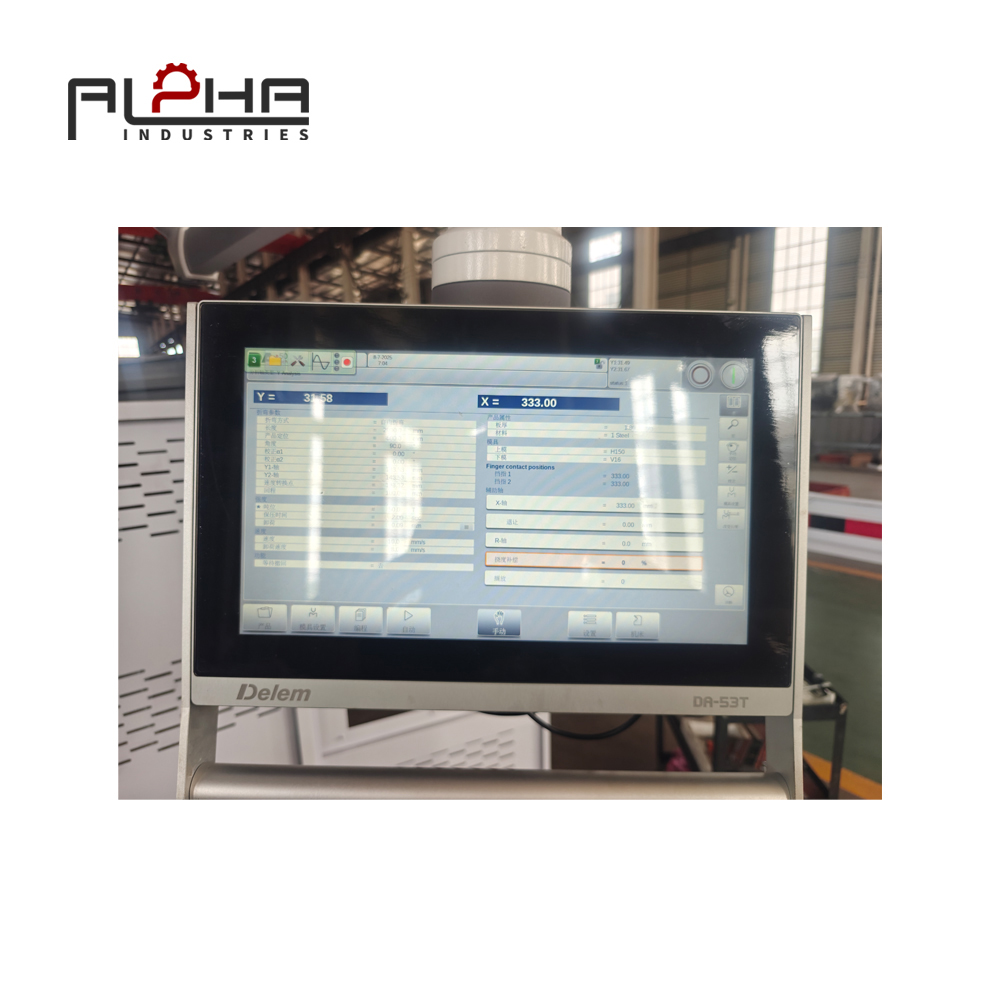
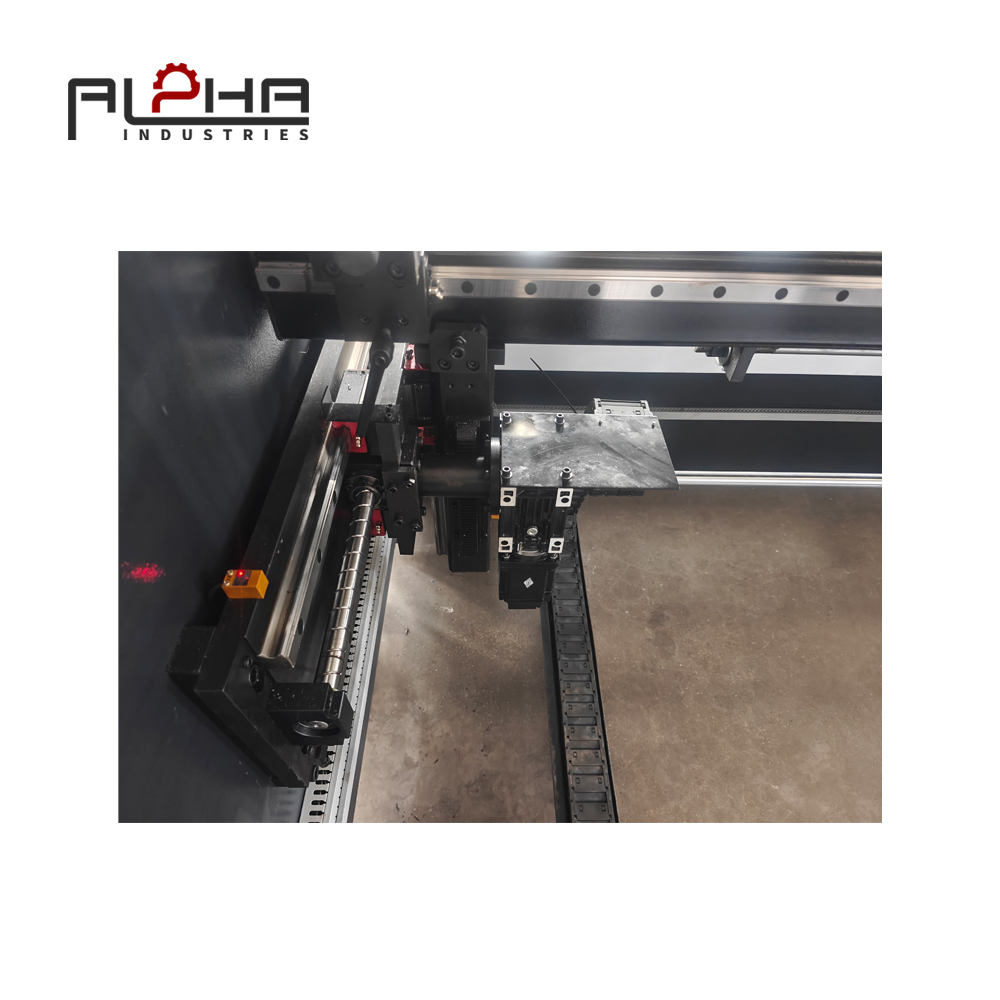
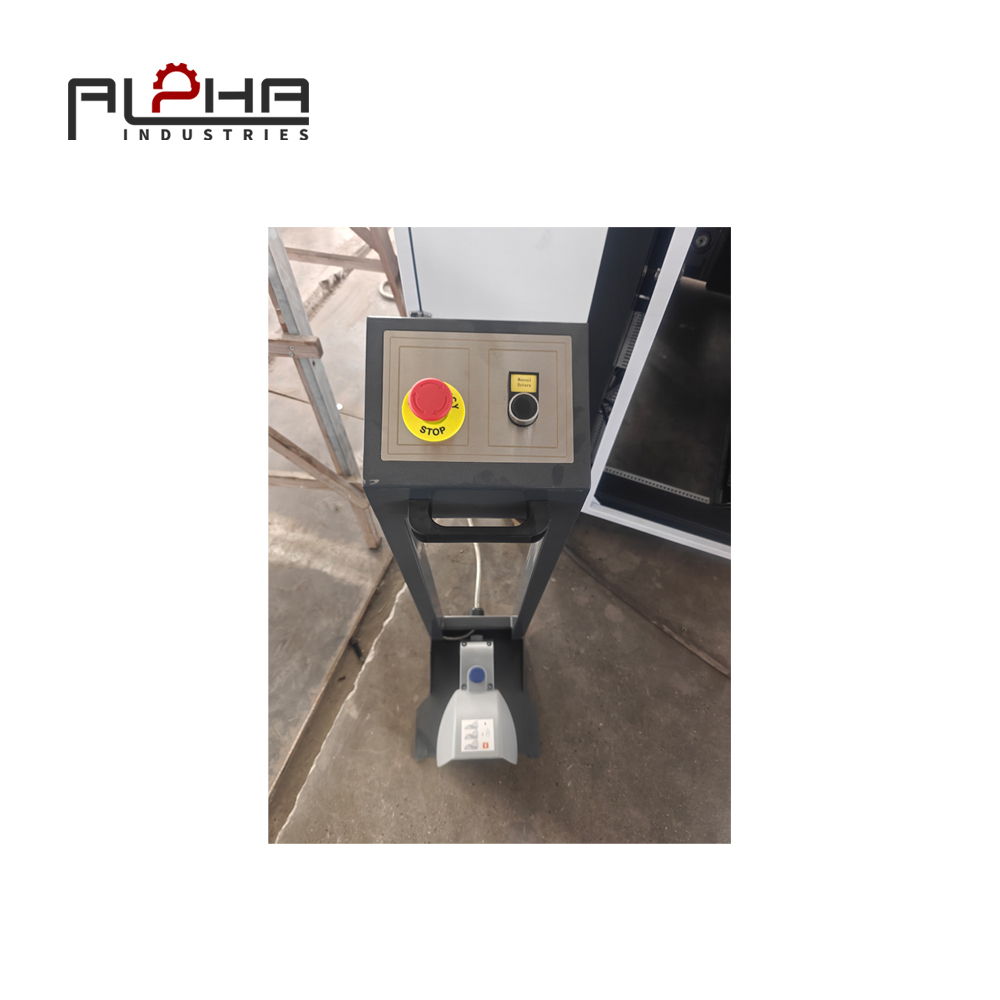
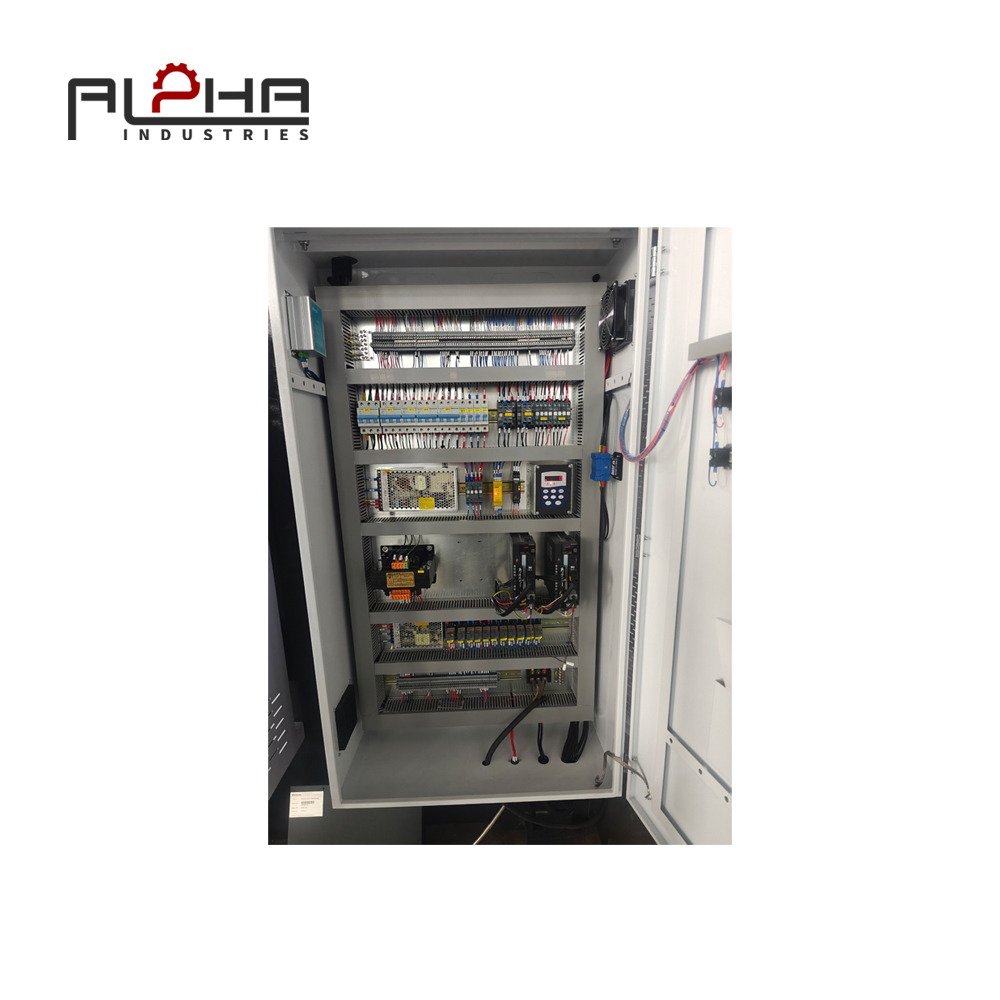
Buyers evaluate bending force, working length, control system, back gauge accuracy, and safety features. China suppliers offer customizable configurations with modern safety compliance.
FAQ Block
Q: What is the typical tonnage range for press brakes?
A: From 40 tons for light use to 600+ tons for heavy industry.
Q: Do suppliers offer customized sizes?
A: Yes, working length, tonnage, and controls can be customized.
“Specifications define success — the right press brake turns cost into profit.”
Section 4: Cost of Ownership and ROI
Chinese press brakes offer a strong balance of price and lifetime cost. Buyers calculate ROI by considering reduced labor, faster cycle times, and fewer reworks.
FAQ Block
Q: What is the warranty coverage?
A: 12–24 months, including spare parts and remote service.
Q: How does CNC improve ROI?
A: Automation reduces errors and saves labor time.
“Smart buyers measure ROI not by cost, but by precision gained.”
Section 5: Global Delivery and After-Sales Support
Chinese suppliers ship press brakes worldwide with typical lead times of 30–50 days. Remote installation support, online training, and spare parts packages ensure international buyers remain confident.
FAQ Block
Q: Can suppliers handle overseas training?
A: Yes, video and live remote guidance are standard.
Q: How long is delivery from China?
A: Typically 30–50 days, depending on order size.
“Distance is no barrier when service is delivered digitally.”
FAQ Rich Snippet Block
Q: What industries use press brakes most?
A: Automotive, aerospace, and construction industries rely heavily on press brakes.
Q: What is the difference between hydraulic and CNC press brakes?
A: Hydraulic offers strength, CNC provides programmable accuracy.
Q: How much bending force do press brakes provide?
A: Typical models range from 40 tons to 600+ tons.
Q: Can press brakes be customized?
A: Yes, suppliers adjust tonnage, working length, and controls.
Q: What certifications are standard?
A: CE and ISO certifications are widely available from Chinese suppliers.
Q: What is the delivery lead time?
A: Approx. 30–50 days depending on order size and customization.
Q: Is remote training available?
A: Yes, online training and setup guidance are provided.
Q: What is the warranty period?
A: Typically 12–24 months with spare parts included.
Q: Do press brakes reduce labor costs?
A: CNC models automate processes, reducing manual labor.
Q: Can SMEs invest in press brakes?
A: Yes, compact models are designed for small and medium enterprises.
Conclusion
Press Brakes from China combine precision, affordability, and durability for global sheet metal processing. Buyers can select from hydraulic, CNC, or servo models to suit their production needs. For related solutions, explore our CNC Lathe and Vertical Machining Centers to complete your production line. For direct consultation, visit our Contact Us page.