

Introduction – The Core of Precision in Metal Finishing
In precision metalworking, the surface grinding machine plays a decisive role in defining the final dimensional accuracy and surface quality of components. From tool molds and die plates to machine parts and bearing surfaces, the perfection of flatness and smoothness achieved through grinding determines product performance and assembly reliability.
At Alpha, we focus on one key element that drives surface grinding excellence — the spindle system. This critical component directly influences surface finish, grinding accuracy, and long-term mechanical stability.
Structural Rigidity – The Foundation of Accuracy
The grinder body is constructed from high-grade cast iron using thermal stress relief treatment to minimize deformation. This ensures long-term mechanical rigidity and vibration resistance, allowing stable operation under heavy grinding loads.
Reinforced base ribs improve weight distribution, and the precision column structure maintains alignment between the spindle head and worktable even after years of operation.
Precision Spindle System – The Heart of the Grinder
High-Performance Spindle Bearings
The spindle adopts P4-grade angular contact bearings arranged in a preloaded configuration to ensure minimal runout and thermal expansion. This setup maintains consistent rotation even at high speeds, directly affecting surface finish and dimensional precision.
Dynamic Balancing and Lubrication
Each spindle unit undergoes dynamic balance calibration, minimizing vibration during rotation. The automatic oil-mist lubrication system reduces friction, heat generation, and bearing wear — extending spindle life and maintaining grinding stability.
Thermal Compensation and Cooling
To combat thermal drift, the spindle housing incorporates coolant circulation channels. These maintain uniform temperature during continuous operation, reducing deformation and ensuring long-term grinding accuracy.
Surface Finish Control – Achieving Micron-Level Flatness
The surface finish depends on the combined performance of the spindle, grinding wheel, table movement, and feed system.
Alpha’s surface grinding machines achieve a surface roughness as low as Ra 0.2 μm, suitable for high-precision mold and die production.
Grinding Wheel and Dressing System
-
The diamond dressing unit automatically regenerates the grinding wheel surface for consistent cutting performance.
-
Adjustable wheel speed control ensures proper contact pressure and feed rate for different materials such as hardened steel, stainless steel, or aluminum alloy.
Feed Precision and Table Drive
-
The hydraulic table feed ensures smooth reciprocation without stick-slip effect.
-
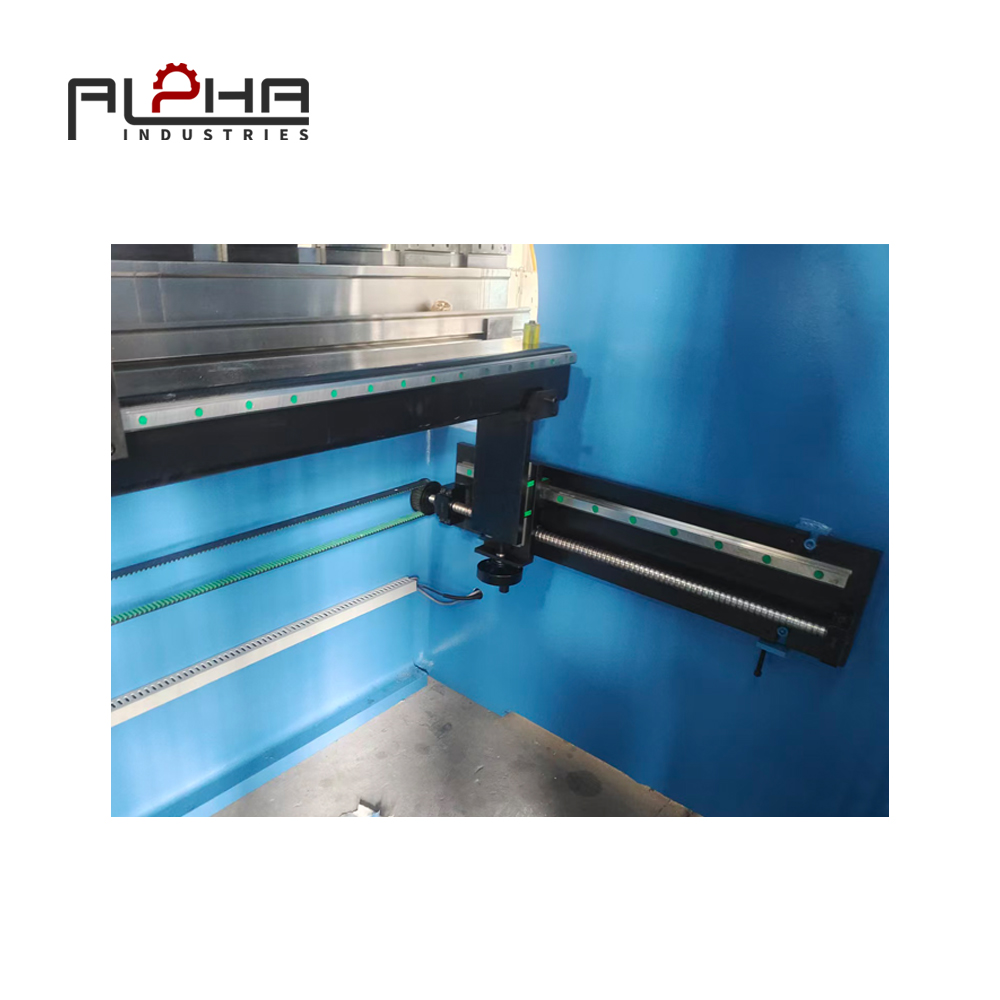
For higher precision models, linear guideways and AC servo drives provide micron-level incremental movement.
Control System and Automation Options
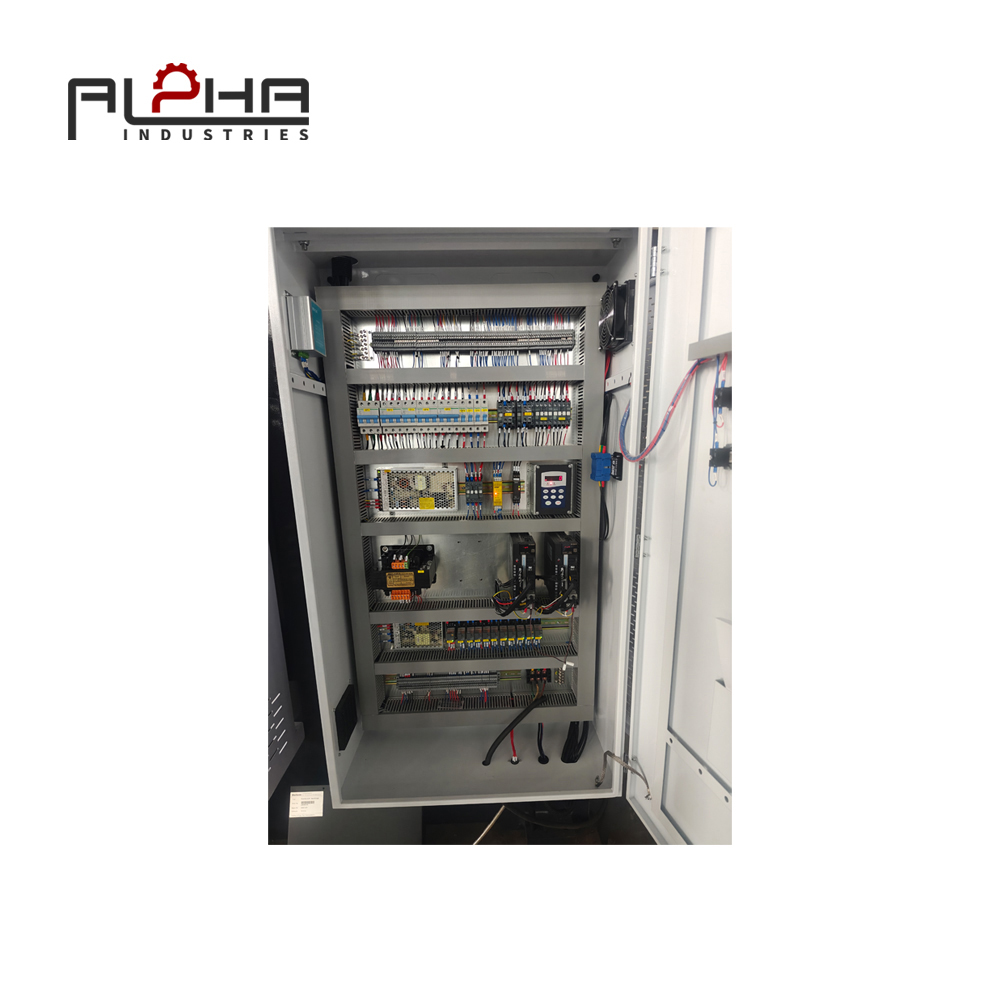
Alpha grinders are available with PLC-based digital control panels offering:
-
Automatic downfeed and cycle grinding
-
Real-time position feedback
-
Programmable surface roughness target
Optional touch-screen HMI and IoT remote monitoring systems improve data tracking for smart manufacturing lines.
Industrial Applications of Surface Grinding Machine
Alpha’s precision surface grinders are widely used in:
-
Tool & Die Manufacturing
-
Automotive Component Finishing
-
Mold Plate Preparation
-
Aerospace and Defense Component Grinding
-
Precision Mechanical Part Production
Each machine ensures high repeatability and durability for 24-hour industrial operation.
Quality Inspection and Tolerance Assurance
Before delivery, each Alpha surface grinder undergoes:
-
Laser alignment testing
-
Dynamic spindle vibration analysis
-
Flatness measurement with granite master plate
-
Load and endurance simulation test
This guarantees that every machine shipped from Alpha maintains ±0.001 mm tolerance accuracy.
Maintenance and Longevity
Maintenance intervals are optimized through:
-
Centralized lubrication system
-
Easy-access hydraulic filter
-
Intelligent alarm system for spindle overload and coolant flow
Regular calibration extends machine lifespan and ensures continuous precision.
Advantages of Alpha Surface Grinder
-
High spindle stability for mirror finish
-
Heavy-duty cast structure for minimal vibration
-
PLC control with automatic grinding cycle
-
Long bearing life and easy maintenance
-
Customizable spindle power and table size
Why Choose Alpha
With over 20 years of mechanical engineering experience, Alpha integrates advanced technology and strict manufacturing standards to provide high-performance grinding solutions trusted by global industries.
We emphasize precision, durability, and long-term value, supporting every customer from consultation to after-sales service.
FAQ – Surface Grinding Machine
Q1: What is the function of a surface grinding machine?
A: A surface grinding machine removes material from the surface of workpieces using a rotating abrasive wheel to achieve flatness and fine finish.
Q2: How does the spindle affect grinding accuracy?
A: The spindle controls wheel rotation and directly impacts vibration, thermal stability, and overall surface precision.
Q3: What surface roughness can Alpha’s surface grinder achieve?
A: Alpha grinders achieve surface roughness as low as Ra 0.2 μm, ideal for high-precision die and mold components.
Q4: What maintenance is required for spindle longevity?
A: Regular lubrication, coolant filtration, and vibration monitoring extend spindle life and maintain grinding accuracy.
Q5: Can Alpha customize surface grinders for different materials?
A: Yes, Alpha offers customized spindle speeds, table sizes, and wheel configurations for different metal and non-metal materials.
🔧 Contact Alpha today for customized surface grinding solutions designed for your production line.
📩 Email: sale01@alpha-cnc.com
🌐 Visit: https://alpha-cnc.com/