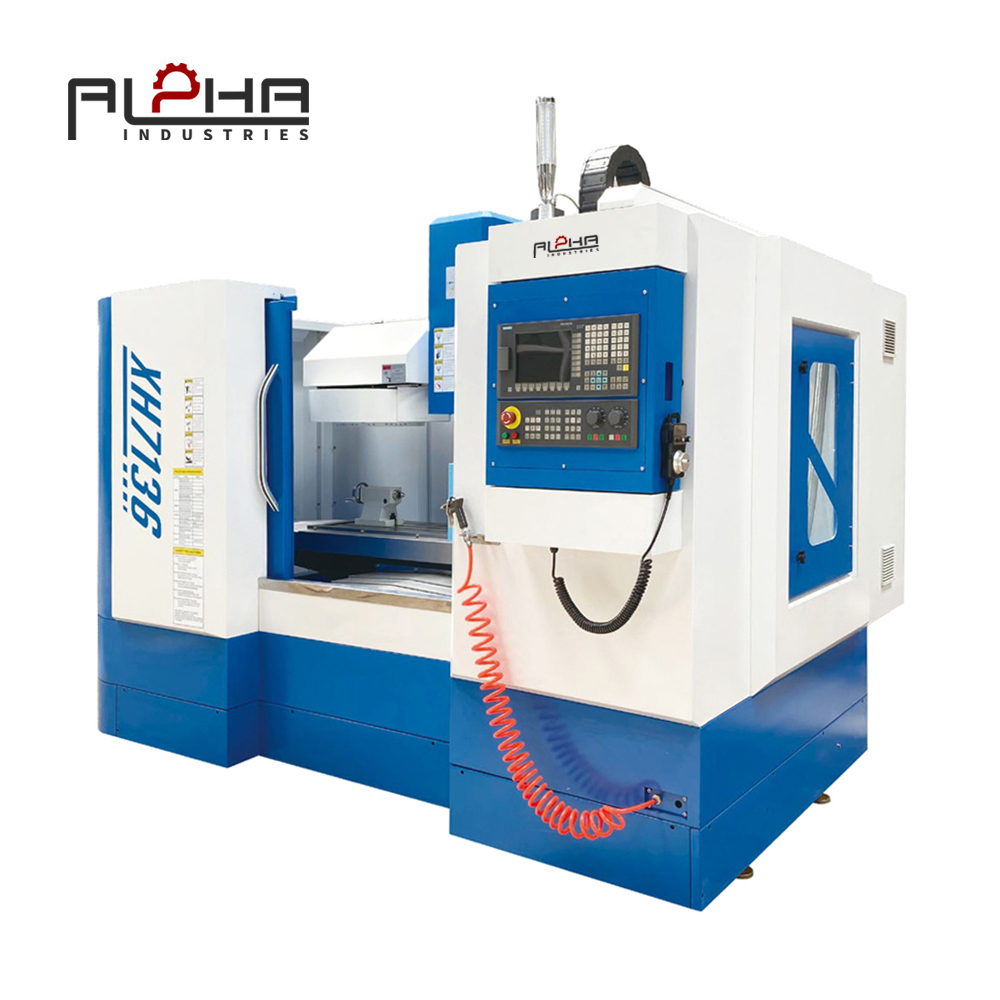


Zero-Defect Manufacturing Is Becoming the New Competitive Standard Across the Americas
Manufacturers throughout North America and Latin America are entering an era where product quality directly determines market competitiveness.
Whether supplying aerospace structures in the United States, automotive components in Mexico, medical devices in Costa Rica, mining equipment in Chile, agricultural machinery in Brazil, or industrial equipment in Canada, customers are imposing increasingly strict quality requirements.
Modern purchasing decisions are based on more than product dimensions. OEMs and Tier-1 suppliers expect manufacturers to demonstrate repeatable production capability, documented quality control, statistical process consistency, and continuous improvement.
For many machining companies, maintaining high precision across thousands of identical components has become far more challenging than producing a single qualified sample.
As production volumes increase, even minor variations in machining performance can result in costly defects, customer complaints, warranty claims, and lost business opportunities.
Consequently, achieving near-zero defect manufacturing has become one of the most important strategic objectives for precision machining companies throughout the Americas.
The Rising Cost of Quality Failures
Quality defects create financial losses far beyond the value of a rejected component.
Every defective workpiece may involve:
-
Raw material waste
-
Machine occupation time
-
Tool consumption
-
Additional quality inspections
-
Rework operations
-
Production schedule disruptions
-
Delayed shipments
-
Customer returns
-
Contract penalties
-
Damage to supplier reputation
For manufacturers serving industries with strict regulatory requirements, quality failures may also require extensive traceability investigations and corrective action reports.
As quality expectations continue to rise, preventing defects is becoming significantly more cost-effective than correcting them.
Why Machining Variability Still Exists in Many Factories
Despite advances in CNC technology, many manufacturers continue experiencing inconsistent machining quality.
Several technical factors contribute to process variation.
Machine Rigidity
Insufficient structural rigidity allows cutting forces to generate machine deflection.
This affects:
-
Flatness
-
Position accuracy
-
Hole location
-
Surface finish
-
Repeatability
Thermal Instability
Temperature changes influence spindle growth, machine geometry, and dimensional accuracy.
Without proper thermal management, machining results can gradually change during long production runs.
Servo Positioning Errors
Position feedback accuracy directly influences contour precision and geometric consistency.
Even microscopic positioning deviations can become significant when manufacturing precision components.
Tool Wear Variation
As cutting tools gradually wear, machining dimensions begin drifting outside specification.
Without intelligent compensation, quality variation increases throughout production.
Why Modern VMC Technology Builds Stable Manufacturing Processes
Today's Vertical Machining Centers are engineered to minimize potential sources of machining variation.
Instead of depending primarily on operator skill, modern VMCs create stable machining environments through mechanical precision, intelligent control systems, and automated monitoring.
High-Rigidity Machine Structure Creates Repeatable Accuracy
A robust machine structure maintains stability under heavy cutting conditions.
Advantages include:
-
Reduced vibration
-
Improved geometric accuracy
-
Better dimensional consistency
-
Enhanced surface finish
-
Longer spindle life
Stable mechanical performance forms the foundation of zero-defect manufacturing.
Precision Motion Systems Improve Position Control
Modern VMCs utilize high-performance servo systems capable of extremely accurate positioning and repeatability.
Benefits include:
-
Excellent contour accuracy
-
Precise interpolation
-
Stable positioning
-
Reduced cumulative error
-
Superior repeatability during long production cycles
This ensures every component follows identical machining paths.
Intelligent CNC Systems Maintain Process Stability
Advanced CNC controllers continuously optimize machining performance.
Functions commonly include:
-
Tool life monitoring
-
Automatic offset compensation
-
High-speed processing
-
Thermal compensation
-
Alarm diagnostics
-
Process parameter management
Rather than relying entirely on operator judgment, the machine continuously maintains process consistency.
Automatic Measurement Improves Quality Assurance
Many modern VMCs integrate probing technology capable of automatically measuring:
-
Workpiece location
-
Tool dimensions
-
Critical features
-
Machining offsets
Real-time inspection significantly reduces variation while preventing defective parts from progressing to downstream operations.
Process Capability Has Become More Important Than Individual Accuracy
Many manufacturers focus on whether a single part passes inspection.
Leading manufacturers evaluate an entirely different metric: process capability.
Indicators such as Cp and Cpk demonstrate whether a machining process consistently produces acceptable components over extended production runs.
Modern VMC technology helps manufacturers improve process capability by minimizing variation throughout the machining cycle rather than correcting defects afterward.
Higher process capability results in:
-
Lower rejection rates
-
Better customer confidence
-
Easier certification
-
Reduced inspection workload
-
Lower manufacturing costs
Smart Manufacturing Enables Continuous Quality Improvement
Industry 4.0 technologies allow manufacturers to collect valuable production information, including:
-
Machine utilization
-
Tool wear history
-
Dimensional trends
-
Spindle performance
-
Alarm records
-
Environmental conditions
-
Maintenance history
These production data enable engineers to identify quality trends before defects occur.
Quality management shifts from reactive inspection toward predictive process control.
Why American Manufacturers Trust Alpha Vertical Machining Centers
At Alpha, we understand that long-term manufacturing success depends on producing identical high-quality components every day—not simply achieving high spindle speed.
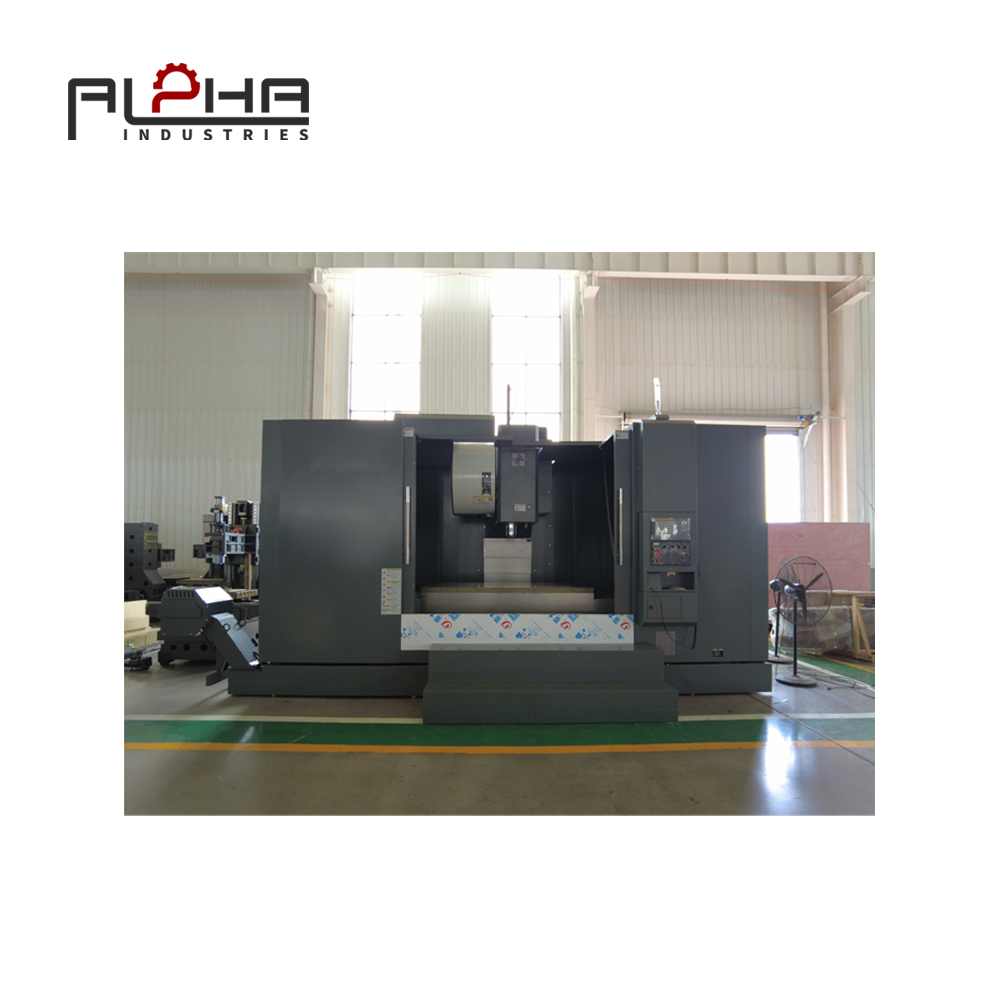
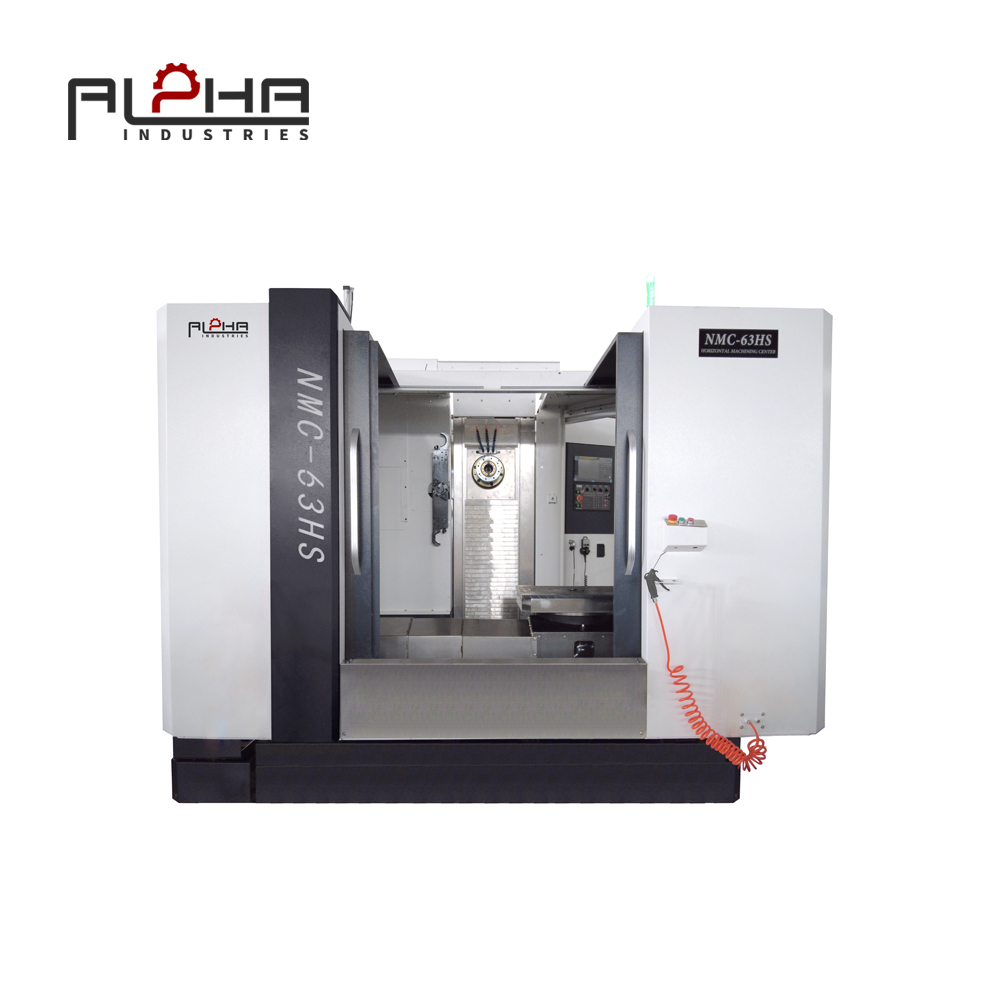
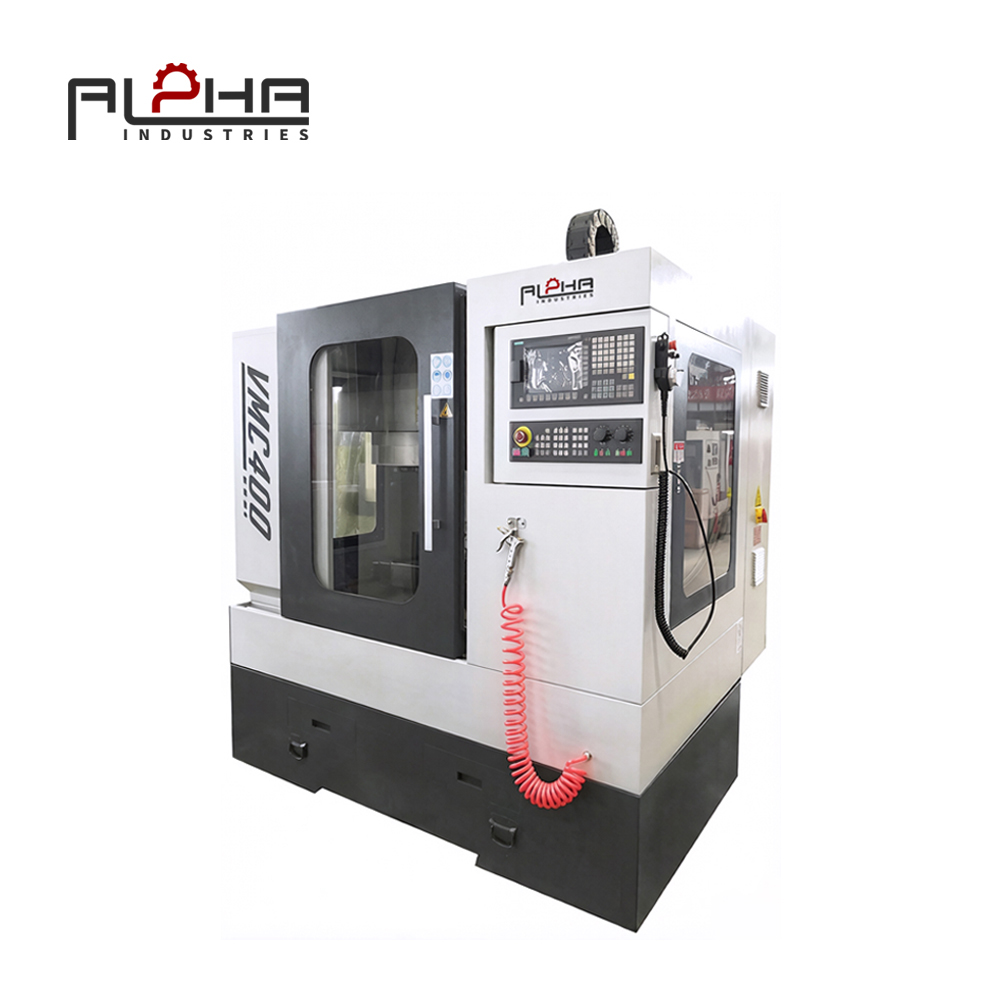
Our Vertical Machining Centers are engineered to support stable, repeatable, and intelligent machining for demanding industrial applications.
Key advantages include:
-
High-rigidity machine construction for exceptional stability
-
Precision spindle technology for consistent cutting performance
-
High-accuracy positioning and repeatability
-
Advanced CNC controller compatibility
-
Intelligent thermal stability design
-
Automatic tool changer for uninterrupted production
-
Automation-ready architecture
-
Professional engineering support and application consulting
Whether manufacturing aerospace structures, automotive components, hydraulic systems, medical equipment, molds, or precision mechanical assemblies, Alpha VMC solutions help manufacturers improve process capability while reducing quality costs.
Conclusion
Quality consistency has become one of the strongest competitive advantages for manufacturers across the Americas.
Rather than relying on additional inspection or manual adjustments, modern manufacturers are investing in high-performance Vertical Machining Centers capable of producing stable machining results from the first component to the last.
A precision VMC not only improves dimensional accuracy but also strengthens process capability, reduces quality-related costs, increases customer satisfaction, and supports sustainable long-term manufacturing growth.
For companies seeking to compete in high-value manufacturing markets, investing in machining stability is no longer optional—it is a strategic necessity.
Frequently Asked Questions (FAQ)
1. Why is zero-defect manufacturing becoming increasingly important?
Customers expect consistent quality, fewer warranty claims, and reliable suppliers. Reducing defects lowers production costs while improving customer satisfaction and competitiveness.
2. How does a modern VMC improve process capability?
A modern VMC combines structural rigidity, thermal stability, precision positioning, intelligent CNC control, and automatic measurement systems to minimize machining variation.
3. Which industries require zero-defect CNC machining?
Aerospace, automotive, medical devices, electronics, energy equipment, precision engineering, mold manufacturing, and defense industries all require highly consistent machining quality.
4. What machine features contribute most to machining consistency?
Machine rigidity, spindle precision, thermal compensation, servo accuracy, intelligent CNC systems, automatic probing, and stable tool management all improve consistency.
5. How can manufacturers reduce quality costs without slowing production?
By investing in stable machining equipment, predictive quality monitoring, standardized processes, and intelligent automation, manufacturers can reduce defects while maintaining high productivity.
Contact Us
Improve Manufacturing Quality with Alpha Vertical Machining Centers
If your business is aiming to reduce quality variation, improve process capability, and meet increasingly demanding customer standards, Alpha offers reliable Vertical Machining Center solutions designed for high-precision manufacturing.
Our experienced engineering team can recommend the ideal VMC based on your production requirements, material types, machining accuracy, and future automation plans.
Whether you are upgrading an existing machining workshop or building a new smart manufacturing facility, Alpha is committed to helping manufacturers across the Americas achieve world-class machining performance.
Contact our specialists today to discover the right CNC solution for your production goals.
Contact Us: https://alpha-cnc.com/contact-us