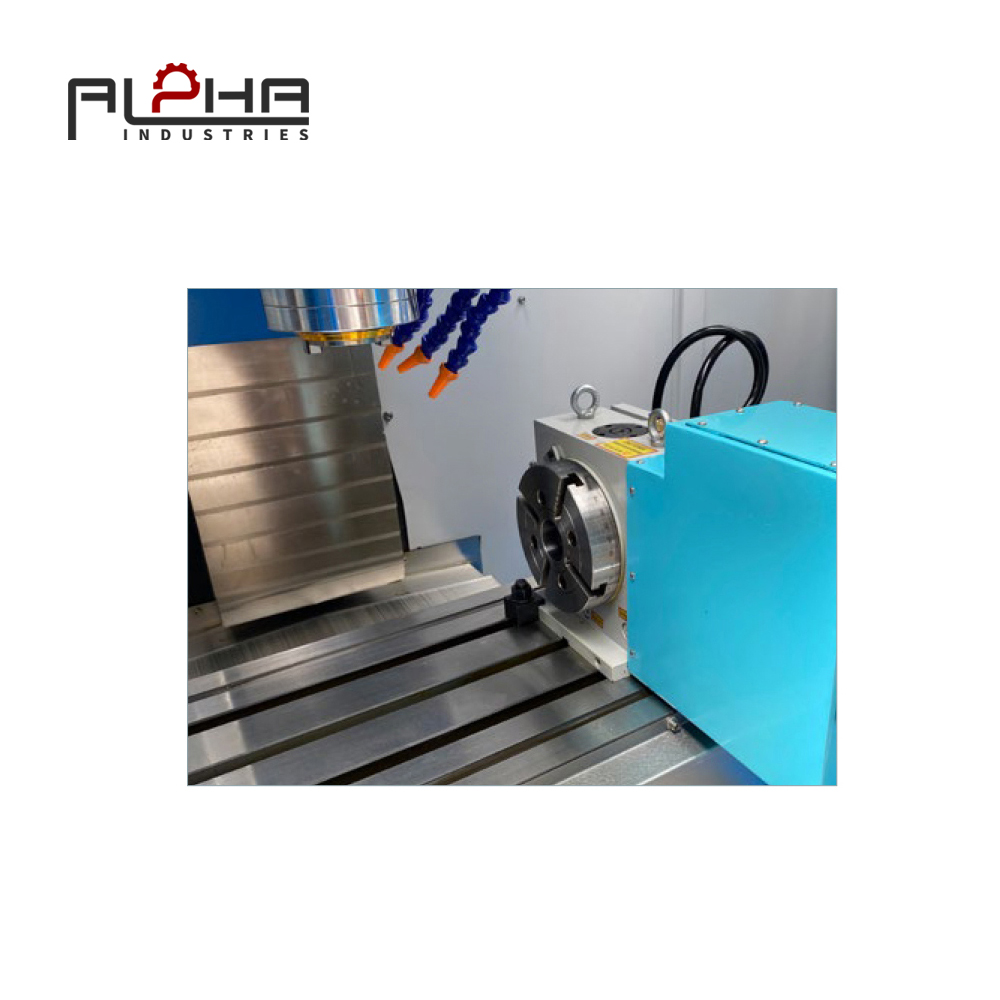


Flexible Manufacturing Is Becoming the Competitive Advantage for CNC Factories Across the Americas
Across North America and Latin America, manufacturers are facing a manufacturing environment that looks very different from a decade ago.
Customers no longer place large, predictable production orders months in advance.
Instead, manufacturers increasingly receive:
-
Small production batches
-
Frequent engineering changes
-
Customized product designs
-
Shorter delivery deadlines
-
More product variants
-
Faster product development cycles
Industries including aerospace, electric vehicles, agricultural equipment, renewable energy, industrial automation, medical devices, and precision engineering all demand greater manufacturing flexibility.
For CNC machining companies throughout the United States, Canada, Mexico, Brazil, Colombia, and Argentina, the ability to adapt quickly has become just as important as machining accuracy itself.
Factories that cannot respond rapidly to changing customer requirements risk losing contracts to more agile competitors.
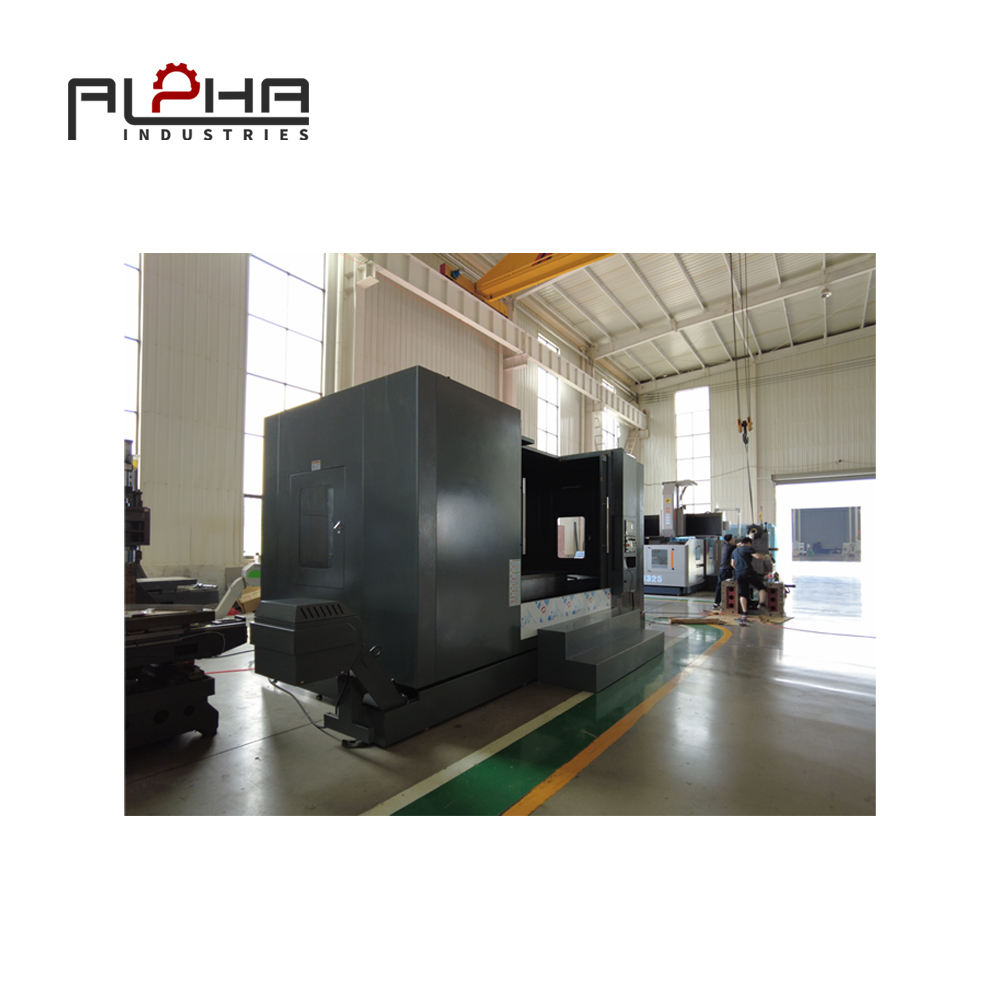
Why Traditional CNC Production Struggles with High-Mix Manufacturing
Many machining workshops were originally designed for long production runs.
Their equipment, workflow, and production planning were optimized for manufacturing thousands of identical parts.
Today's manufacturing reality is very different.
Modern factories frequently change:
-
CNC programs
-
Fixtures
-
Cutting tools
-
Raw materials
-
Production priorities
-
Customer specifications
Older machining centers often require lengthy setup procedures whenever production changes occur.
These delays reduce equipment utilization while increasing manufacturing costs.
The Hidden Costs of Poor Production Flexibility
Limited manufacturing flexibility creates numerous operational challenges.
Longer Setup Time
Changing between different products often requires:
-
Manual fixture replacement
-
Tool offset adjustment
-
Program verification
-
Work coordinate calibration
-
First-piece inspection
Each setup reduces productive machining time.
Increased Production Scheduling Complexity
Manufacturers serving multiple customers must frequently adjust production priorities.
Rigid machining systems make rescheduling difficult.
Production bottlenecks become increasingly common.
Higher Inventory Costs
To compensate for slow production response, many factories maintain excessive finished goods inventory.
This increases:
-
Warehouse expenses
-
Capital investment
-
Inventory risk
-
Product obsolescence
Flexible manufacturing significantly reduces these costs.
Lower Customer Satisfaction
Long setup times delay production.
Delayed production affects delivery commitments.
Customers increasingly favor suppliers capable of responding rapidly to urgent orders.
How Modern Vertical Machining Centers Enable Flexible Manufacturing
Modern Vertical Machining Centers are engineered for fast production changeovers while maintaining exceptional machining precision.
Rather than focusing solely on cutting speed, today's VMC technology improves overall manufacturing responsiveness.
Rapid Program Switching Accelerates Production
Modern CNC controllers store thousands of machining programs.
Operators can quickly retrieve production data without lengthy manual programming.
Benefits include:
-
Faster production changeovers
-
Reduced setup time
-
Improved production scheduling
-
Higher machine utilization
Automatic Tool Changers Support Multi-Product Manufacturing
Modern Automatic Tool Changers (ATC) allow machines to switch between numerous cutting tools automatically.
Advantages include:
-
Reduced manual intervention
-
Faster machining transitions
-
Higher machining flexibility
-
Continuous production
Complex components requiring multiple machining operations can be completed in a single setup.
Precision Workpiece Positioning Improves Repeatability
High-accuracy positioning systems ensure every setup begins with consistent precision.
This minimizes:
-
First-piece adjustment
-
Operator intervention
-
Scrap generation
-
Production delays
Manufacturers spend less time preparing machines and more time producing qualified components.
Digital Connectivity Simplifies Production Management
Modern VMCs integrate seamlessly with digital manufacturing platforms.
Common connectivity includes:
-
CAD/CAM software
-
ERP systems
-
Manufacturing Execution Systems (MES)
-
Production scheduling software
-
Cloud monitoring platforms
Real-time communication improves production planning while increasing factory responsiveness.
Automation Makes Flexible Production More Efficient
Manufacturers throughout the Americas increasingly combine VMCs with automation technologies.
Typical solutions include:
-
Robotic loading systems
-
Automatic pallet changers
-
Tool management software
-
Automated inspection systems
-
Smart production monitoring
Automation reduces setup delays while enabling continuous production even during labor shortages.
High-Mix Low-Volume Manufacturing Requires Machine Stability
Frequent production changes place greater demands on machine consistency.
Every new setup must produce accurate components immediately.
Modern VMCs achieve this through:
-
High-rigidity machine structures
-
Precision spindle systems
-
High-resolution feedback systems
-
Intelligent thermal compensation
-
Advanced CNC processing
Stable machining minimizes first-piece adjustments while reducing production risk.
Industry 4.0 Is Driving the Next Generation of Flexible Manufacturing
Future-ready factories depend on intelligent production systems capable of adapting automatically to changing demand.
Modern Vertical Machining Centers support:
-
Real-time production monitoring
-
Predictive maintenance
-
Machine performance analytics
-
Digital work instructions
-
Remote diagnostics
-
Smart scheduling integration
These capabilities help manufacturers improve decision-making while increasing operational agility.
Why Alpha Vertical Machining Centers Support Future Manufacturing
At Alpha, we recognize that tomorrow's manufacturers require more than high-speed machining.
They need flexible production systems capable of adapting to rapidly changing customer requirements.
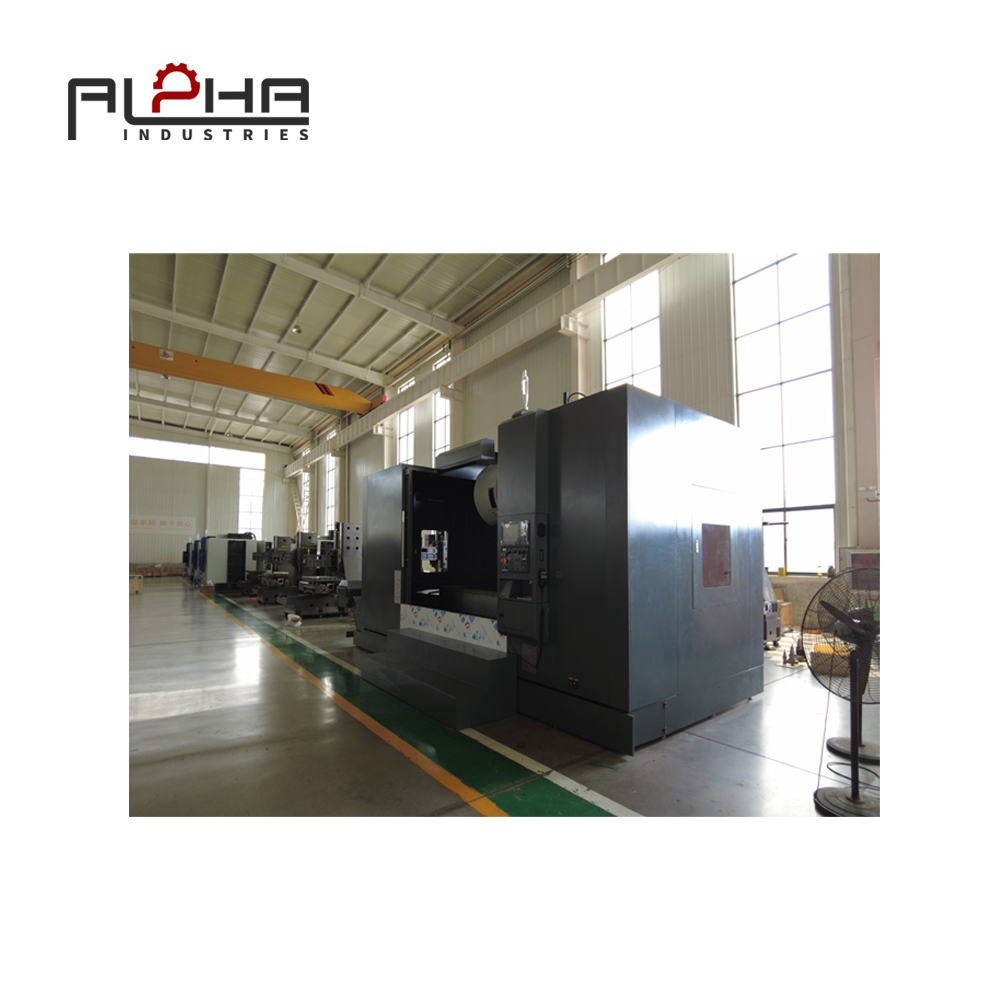
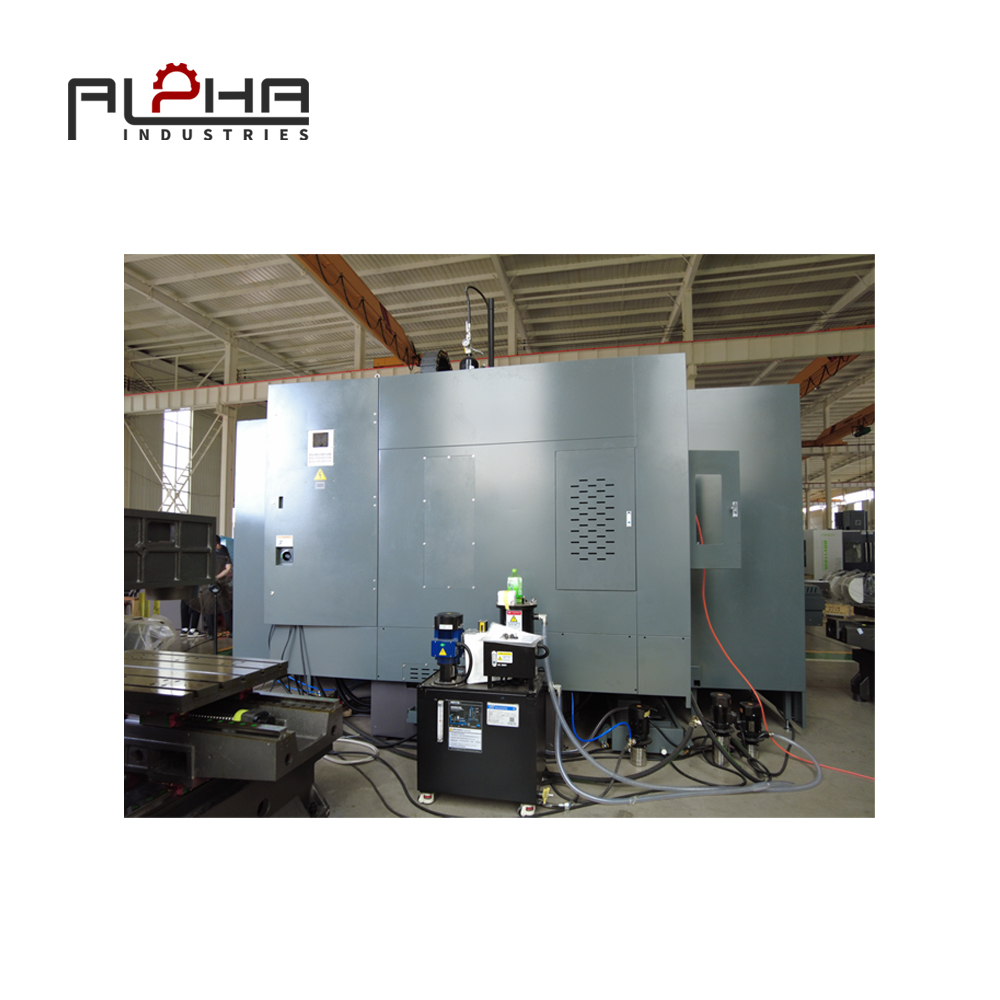
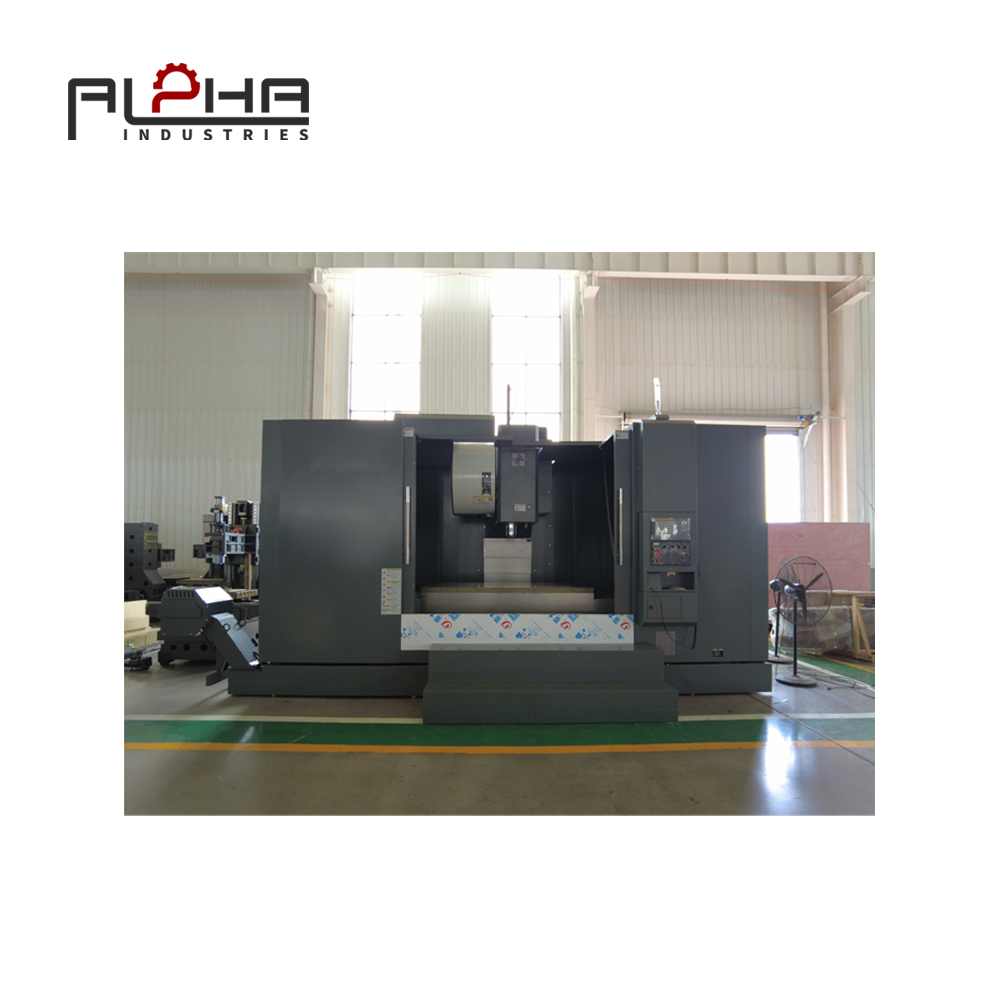
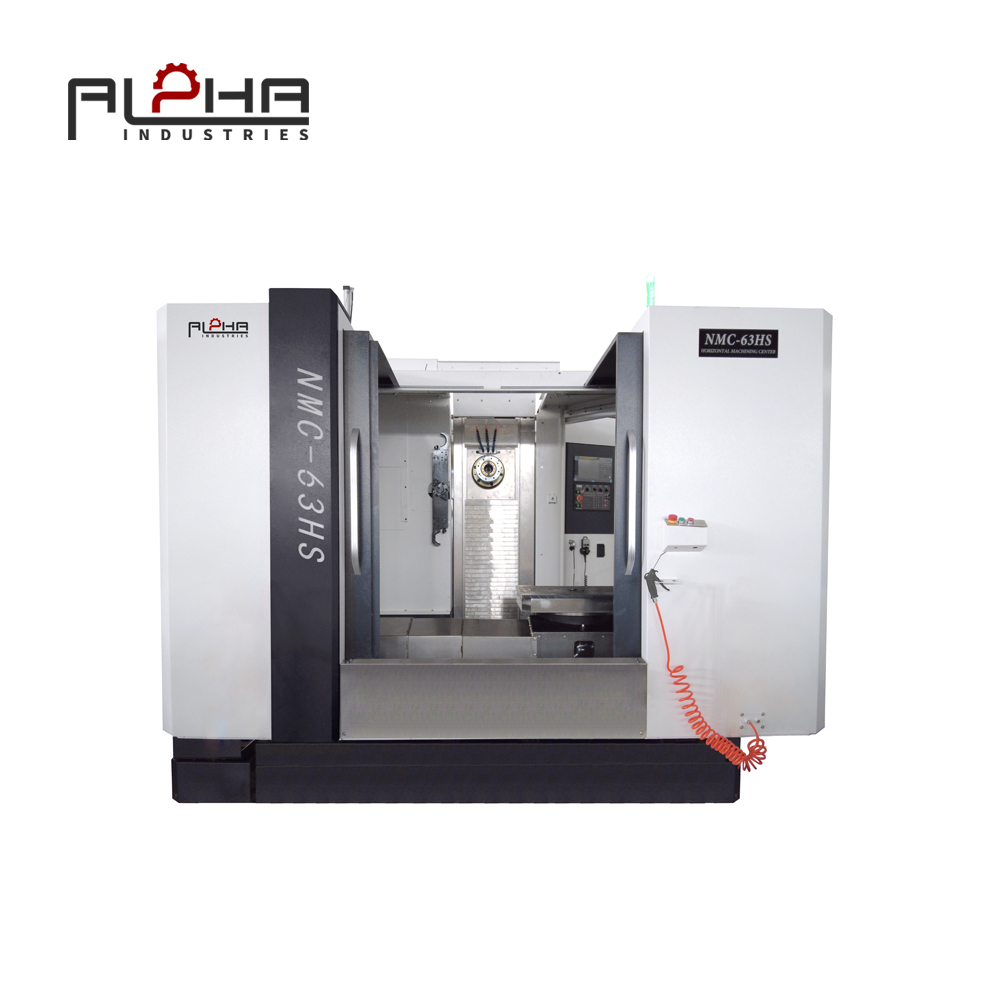
Our Vertical Machining Centers are engineered to support high-mix, low-volume manufacturing while maintaining exceptional machining precision.
Alpha VMC advantages include:
-
High-rigidity machine construction for stable machining
-
Advanced CNC compatibility for intelligent production
-
Fast automatic tool changers
-
Excellent positioning accuracy and repeatability
-
Automation-ready machine architecture
-
High production reliability
-
Flexible configuration options
-
Professional engineering support and technical consultation
Whether producing customized industrial equipment, aerospace components, precision molds, automotive parts, energy systems, or agricultural machinery, Alpha VMC solutions help manufacturers build smarter and more flexible production environments.
Conclusion
Manufacturing flexibility is rapidly becoming one of the most valuable competitive advantages across the Americas.
Factories that can quickly respond to engineering changes, customized production, and shorter delivery schedules will be better positioned for long-term success.
Modern Vertical Machining Centers enable manufacturers to reduce setup time, improve production responsiveness, support digital manufacturing, and maximize equipment utilization without sacrificing machining precision.
By investing in flexible CNC technology, manufacturers can confidently meet today's changing market demands while preparing for the future of smart manufacturing.
Frequently Asked Questions (FAQ)
1. What is high-mix low-volume manufacturing?
High-mix low-volume manufacturing refers to producing many different product types in relatively small quantities while maintaining high quality and fast delivery.
2. How does a modern VMC improve production flexibility?
Modern VMCs reduce setup time through intelligent CNC systems, automatic tool changers, high positioning accuracy, digital connectivity, and automation compatibility.
3. Which industries benefit most from flexible machining?
Aerospace, automotive, medical devices, industrial automation, renewable energy, mold manufacturing, agricultural machinery, and precision engineering all benefit from flexible CNC production.
4. Why is setup time important in modern manufacturing?
Reducing setup time increases machine utilization, shortens lead times, lowers production costs, and enables manufacturers to respond quickly to customer demands.
5. How does Industry 4.0 support flexible manufacturing?
Industry 4.0 technologies provide production monitoring, predictive maintenance, digital scheduling, machine connectivity, and data analysis that improve manufacturing responsiveness and efficiency.
Contact Us
Build a Flexible CNC Production System with Alpha
If your business is preparing for high-mix manufacturing, shorter delivery cycles, and Industry 4.0 production, Alpha offers advanced Vertical Machining Center solutions designed for flexibility, precision, and long-term productivity.
Our engineering specialists will help you select the ideal VMC based on your production requirements, product mix, automation goals, and future expansion plans.
Whether you are modernizing an existing machining workshop or developing a fully integrated smart factory, Alpha is ready to support your manufacturing transformation.
Contact our team today to discuss your machining applications and receive a customized CNC solution.
Contact Us: https://alpha-cnc.com/contact-us