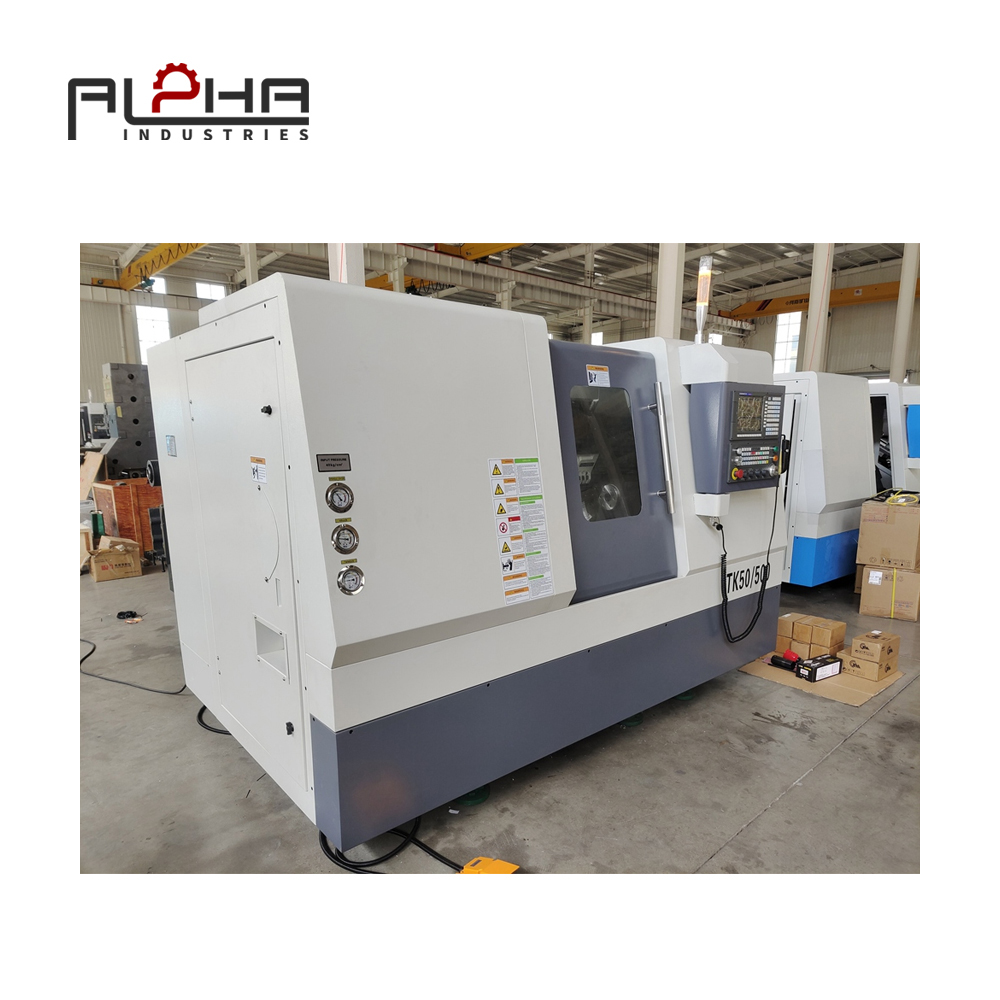


Why High-Mix, Low-Volume Manufacturing Is Reshaping Global Production
For decades, manufacturing success depended on producing large volumes of identical components. Long production runs allowed factories to spread setup costs over thousands of parts, making efficiency relatively easy to achieve.
Today, that model is rapidly disappearing.
Across Europe and North America, manufacturers are increasingly shifting toward High-Mix, Low-Volume (HMLV) production. Instead of manufacturing one product in large quantities, factories now produce dozens—or even hundreds—of different parts in smaller batches.
This transformation is being driven by several market trends:
- Growing demand for customized products
- Shorter product life cycles
- More frequent engineering changes
- Supply chain localization
- Just-in-Time (JIT) manufacturing
- Increased demand for spare parts and aftermarket components
While HMLV manufacturing creates new business opportunities, it also introduces significant operational challenges.
Frequent product changes can dramatically increase setup time, reduce machine utilization, and complicate production planning.
Modern Horizontal Machining Centers (HMCs) provide an effective solution by combining flexibility, automation, and high machining precision within a single manufacturing platform.
The Biggest Pain Point: Excessive Setup Time Between Small Production Batches
For manufacturers producing hundreds of different components each month, cutting time is no longer the largest productivity challenge.
Instead, non-productive activities consume a growing percentage of available production hours.
These activities include:
- Fixture replacement
- Tool changes
- Program loading
- Workpiece alignment
- Datum setting
- First-piece inspection
- Manual adjustment
When production batches consist of only 20, 50, or 100 components, setup time can represent a substantial percentage of the total manufacturing cost.
As labor costs continue to rise across Europe and North America, reducing setup time has become one of the most effective ways to improve factory profitability.
Why Conventional Machining Systems Struggle with HMLV Production
Traditional machining centers are generally optimized for long production runs.
When product changeovers become frequent, manufacturers often encounter the following challenges.
Increased Machine Idle Time
Machines remain inactive while operators prepare fixtures and adjust machining parameters.
Higher Risk of Human Error
Repeated manual setups increase the likelihood of incorrect offsets, positioning errors, and dimensional inconsistencies.
Reduced Equipment Utilization
Frequent interruptions prevent machines from operating at maximum productivity.
Longer Customer Lead Times
Every additional setup delays production and reduces scheduling flexibility.
For manufacturers serving industries such as aerospace, medical devices, automotive components, energy equipment, and precision engineering, these inefficiencies directly affect competitiveness.
How Horizontal Machining Centers Improve Flexible Manufacturing
Horizontal Machining Centers are specifically designed to support complex production environments where flexibility is just as important as machining speed.
Multi-Face Machining Minimizes Re-Clamping
One of the greatest advantages of an HMC is its ability to machine multiple faces of a component during a single setup.
Using a precision rotary table, operators can complete several machining operations without removing the workpiece.
This reduces:
- Fixture changes
- Manual repositioning
- Inspection delays
- Datum transfer errors
Single-setup machining not only improves dimensional accuracy but also shortens overall production time.
Large Tool Magazines Support Multiple Product Families
HMLV manufacturers often machine different materials and component geometries throughout the day.
Modern Horizontal Machining Centers feature high-capacity automatic tool changers capable of storing dozens—or even hundreds—of cutting tools.
Benefits include:
- Fewer manual tool replacements
- Faster product changeovers
- Greater production flexibility
- Reduced setup interruptions
One machine can efficiently handle multiple product families without extensive preparation.
Automatic Pallet Changers Increase Machine Availability
Automatic pallet changers allow the next workpiece to be prepared while machining continues on the current pallet.
This parallel workflow minimizes idle time between production batches.
Manufacturers benefit from:
- Faster job transitions
- Improved spindle utilization
- Reduced operator waiting time
- Increased daily production output
Intelligent CNC Systems Simplify Product Changeovers
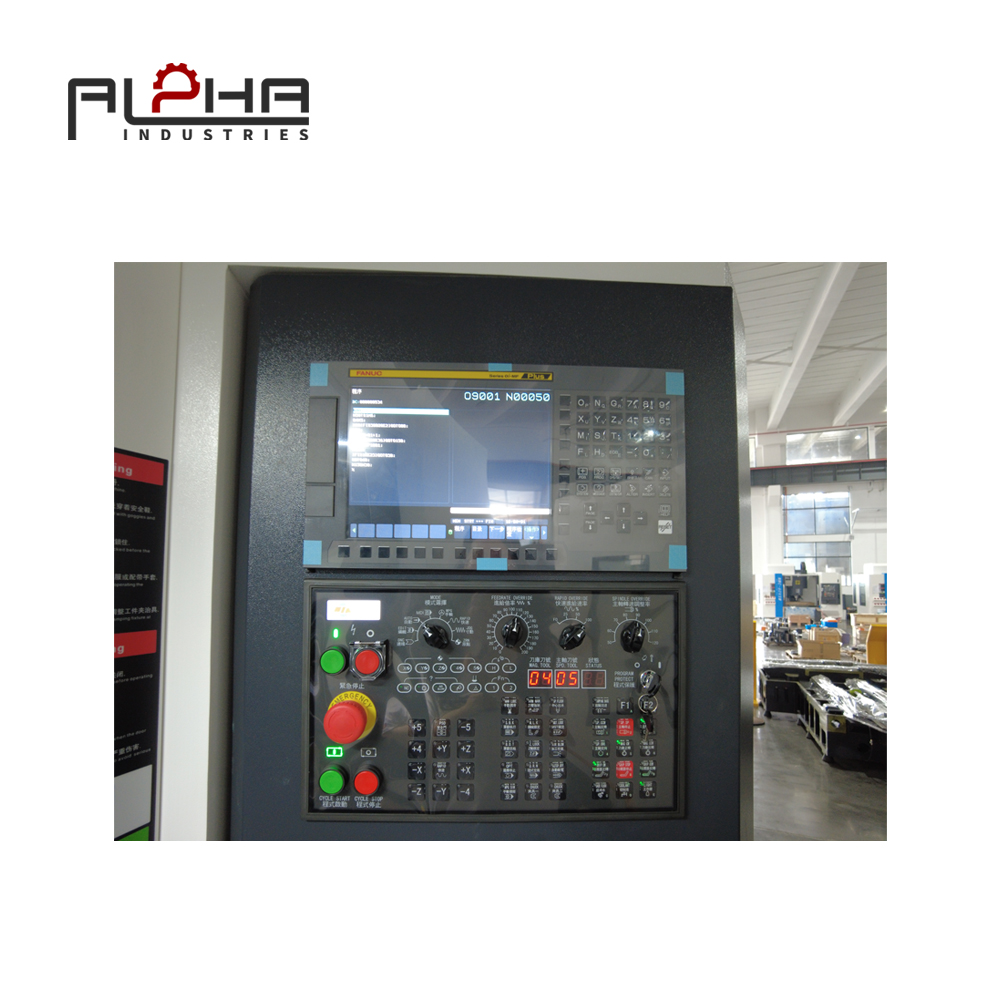
Advanced CNC controllers store multiple machining programs, tooling data, and work offsets.
When switching between different components, operators can quickly recall production settings without lengthy manual adjustments.
Additional intelligent functions include:
- Tool life management
- Automatic work offset verification
- Collision prevention
- Adaptive feed optimization
These capabilities significantly improve repeatability in high-mix manufacturing.
Flexible Automation Supports Smaller Batch Sizes
Automation is no longer limited to mass production.
Modern HMCs integrate with:
- Robotic loading systems
- Flexible Manufacturing Systems (FMS)
- Automatic pallet storage
- MES software
- Smart scheduling platforms
These technologies allow manufacturers to automate even small production batches efficiently.
The Competitive Advantages of HMLV Manufacturing with HMCs
Factories that successfully optimize high-mix production gain several important business advantages.
Greater Customer Responsiveness
Manufacturers can quickly adapt to engineering changes and customized orders.
Reduced Work-in-Progress Inventory
Smaller production batches improve inventory management and reduce warehouse costs.
Improved Equipment Utilization
Less setup time means more productive spindle hours.
Lower Manufacturing Cost Per Order
Automation and efficient changeovers reduce labor expenses associated with small production runs.
Increased Market Opportunities
Flexible manufacturing enables suppliers to serve multiple industries without purchasing dedicated production equipment.
Why HMLV Manufacturing Will Continue Growing
Several long-term trends indicate that high-mix, low-volume production will become increasingly common.
- Electric vehicle development
- Medical device innovation
- Aerospace component customization
- Shorter product development cycles
- Digital manufacturing
- On-demand production
- Regionalized supply chains
Manufacturers equipped with flexible Horizontal Machining Centers will be better positioned to respond to rapidly changing customer requirements.
Why Choose ALPHA Horizontal Machining Centers
At ALPHA, we understand that flexibility has become one of the most valuable assets in modern manufacturing.
Our Horizontal Machining Centers are designed to support high-mix, low-volume production with:
- Rigid machine construction
- Precision rotary tables
- Large-capacity tool magazines
- Automatic pallet changers
- Intelligent CNC systems
- Automation-ready configurations
Whether your business produces aerospace components, automotive parts, medical equipment, industrial valves, molds, hydraulic systems, or precision mechanical components, ALPHA provides machining solutions that maximize flexibility, reduce setup time, and improve production efficiency.
By helping manufacturers adapt to rapidly changing production demands, ALPHA Horizontal Machining Centers deliver long-term value and sustainable competitive advantages.
Frequently Asked Questions (FAQ)
1. What is High-Mix, Low-Volume (HMLV) manufacturing?
HMLV manufacturing refers to producing a wide variety of products in relatively small quantities while maintaining high quality and production efficiency.
2. Why are Horizontal Machining Centers suitable for HMLV production?
They reduce setup time through single-setup machining, automatic pallet changing, intelligent CNC programming, and large-capacity tool storage.
3. Which industries benefit most from HMLV machining?
Aerospace, automotive, medical devices, energy equipment, industrial machinery, precision engineering, and mold manufacturing all benefit from flexible production capabilities.
4. Can HMCs improve production scheduling?
Yes. Faster changeovers and automation make it easier to manage multiple jobs while reducing delivery lead times.
5. How do Horizontal Machining Centers support Industry 4.0?
Modern HMCs integrate with FMS, MES, robotic automation, and digital production monitoring systems, enabling smarter and more connected manufacturing.
Contact Us
Build a More Flexible Factory with ALPHA Horizontal Machining Centers
If your business is transitioning toward high-mix, low-volume manufacturing, ALPHA Horizontal Machining Centers provide the flexibility, precision, and automation needed to remain competitive in today's evolving industrial market.
Our engineering specialists can recommend the ideal HMC solution based on your production volume, component complexity, and future automation strategy.
Contact Us:
https://alpha-cnc.com/contact-us