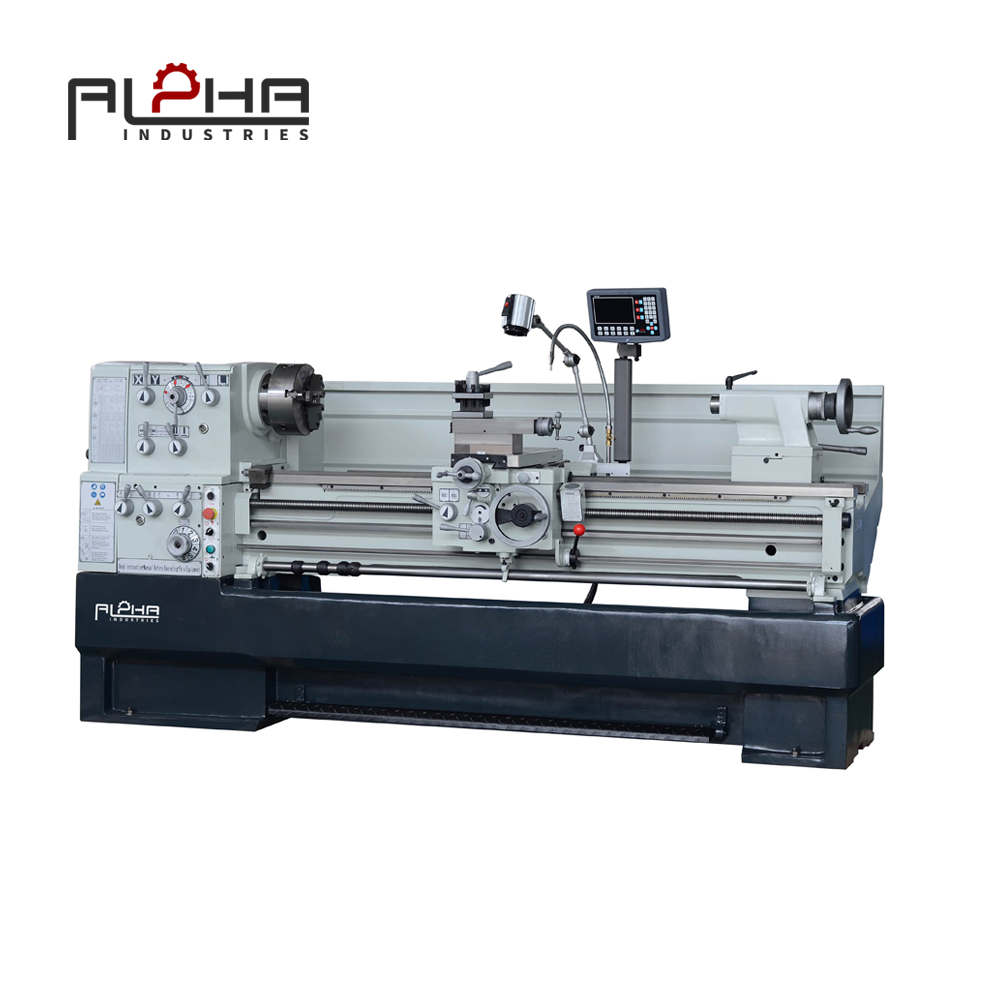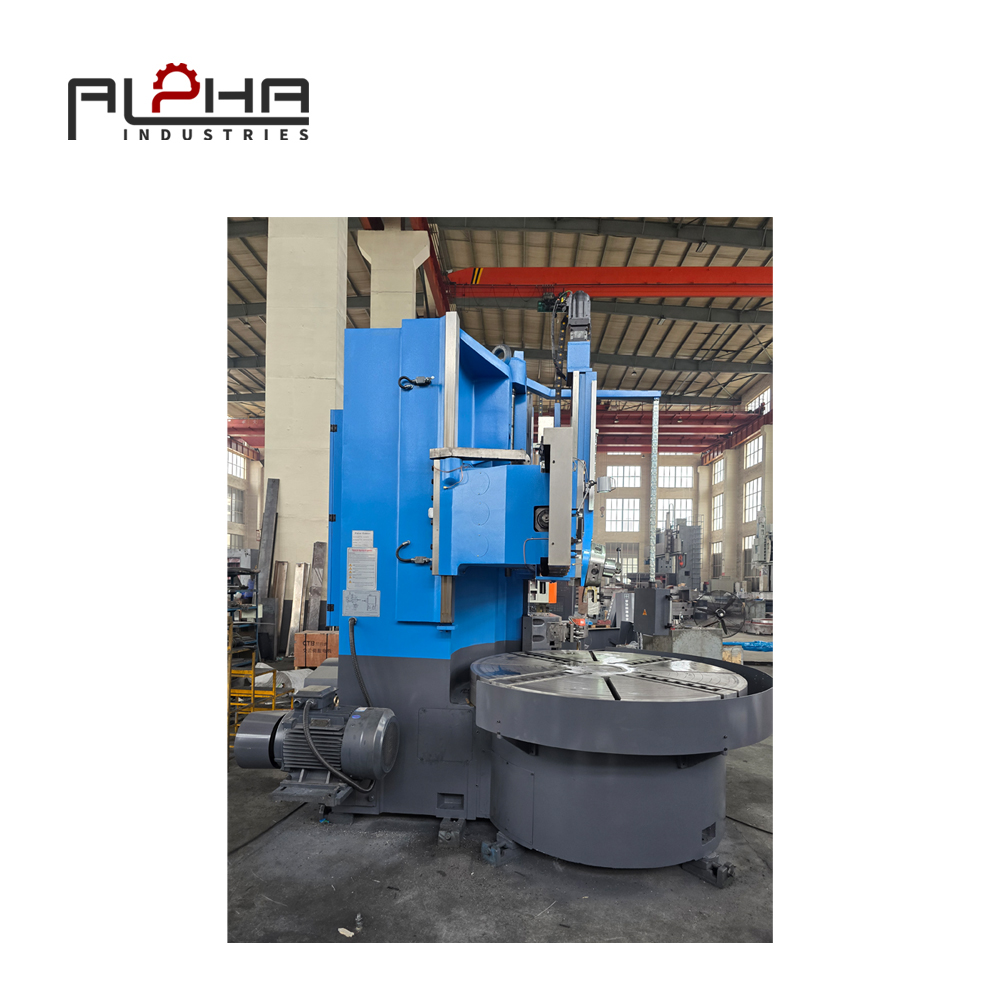


High-Precision Lathe Spindle System for Advanced Machining Accuracy
In modern metal manufacturing, lathe machine precision is defined largely by the spindle system. As the core rotating unit, the spindle directly determines cutting accuracy, surface finish, vibration control, and long-term stability. At Alpha, we engineer industrial lathe machines with high-precision spindle systems to meet the strict accuracy demands of aerospace, automotive, mold making, and heavy machinery industries.
This article provides a deep technical analysis of the lathe spindle system, explaining how its structural design, bearing configuration, balancing technology, and thermal control directly influence machining performance.
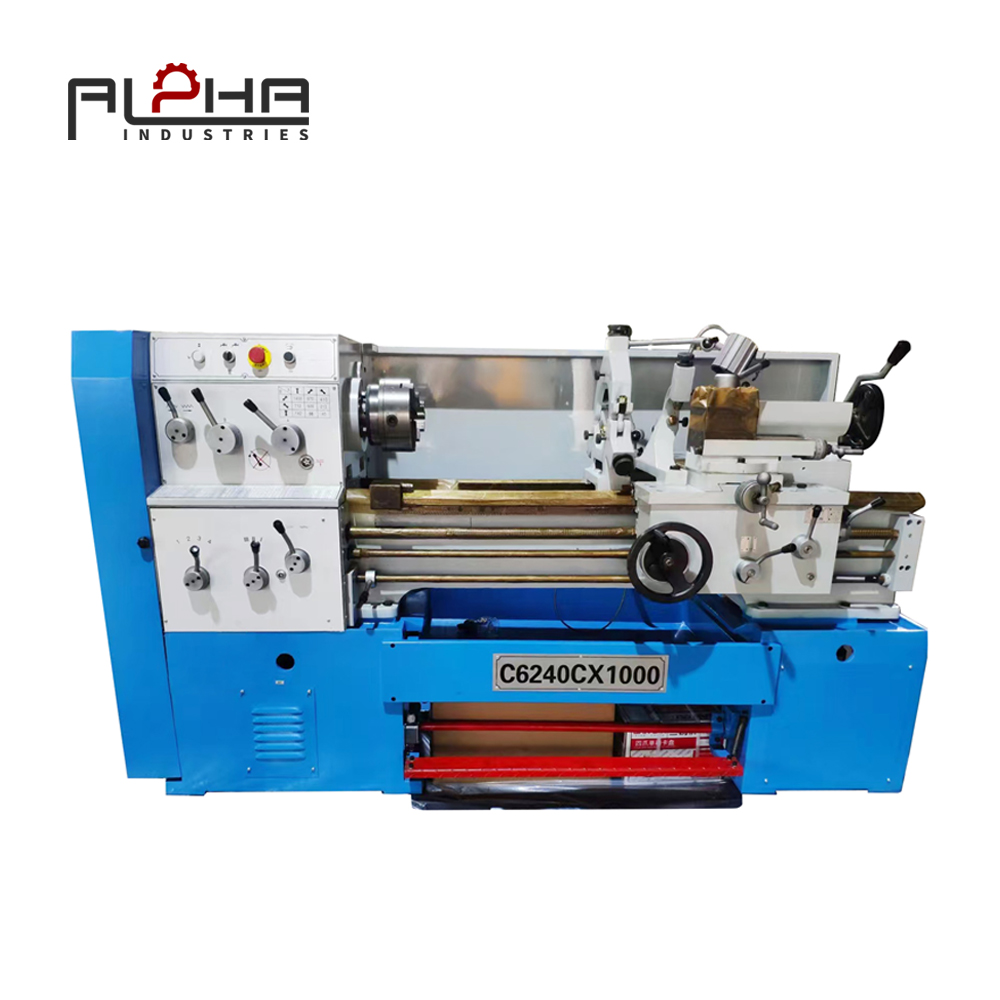
What Is a Lathe Spindle System?
A lathe spindle system is the main rotary transmission unit that drives the chuck or workholding device. It consists of:
-
Spindle shaft
-
Precision bearings (angular contact or roller type)
-
Drive system (belt drive, gearbox, or direct drive)
-
Lubrication and cooling system
-
Encoder and speed feedback unit
In a high-precision industrial lathe, the spindle must maintain micron-level rotational accuracy under heavy cutting loads and long continuous operation.
Why High-Precision Spindle Design Is Critical for Lathe Performance
Direct Impact on Machining Accuracy
Any radial or axial deviation of the spindle is directly transferred to the workpiece. A deviation of only 0.002–0.005 mm can cause dimensional errors in high-tolerance parts such as shafts, bushings, and hydraulic components.
Surface Finish Quality
Spindle vibration leads to chatter marks, tool wear, and inconsistent surface roughness. A dynamically balanced lathe spindle system ensures smooth rotation at both low and high speeds, achieving stable Ra values.
Tool Life and Productivity
Stable spindle rotation reduces cutting impact and heat concentration on the tool edge, extending tool life by 20–40% and allowing higher cutting parameters.
Structural Design of Alpha High-Precision Lathe Spindle
High-Strength Alloy Spindle Shaft
Alpha lathe spindles use alloy steel forged shafts with multiple heat treatments for:
-
High torsional strength
-
Excellent fatigue resistance
-
Minimal thermal deformation
Multi-Bearing Support Architecture
To improve rigidity and load-bearing capacity, Alpha adopts:
-
Front double angular contact bearings
-
Rear cylindrical or tapered roller bearings
-
Optimized bearing span for axial stability
This structure ensures excellent resistance to both radial cutting forces and axial thrust, especially during heavy roughing.
Bearing Technology in High-Precision Lathe Machines
Bearing selection defines the dynamic performance of the spindle system:
| Bearing Type | Application | Advantage |
|---|---|---|
| Angular Contact Bearings | High-speed finishing | High rotational accuracy |
| Tapered Roller Bearings | Heavy cutting | High load capacity |
| Hybrid Ceramic Bearings | Ultra-high speed | Low heat, low friction |
Alpha selects bearing types based on spindle speed range, cutting load, and customer application requirements to guarantee optimal lifespan and stability.
Dynamic Balancing and Vibration Control in Lathe Spindle Systems
Dynamic balancing is mandatory for modern high-speed lathe machines. Alpha spindle units undergo:
-
Two-plane dynamic balancing
-
High-speed vibration simulation
-
Full-load test rotation
This process effectively eliminates:
-
Chatter during fine turning
-
Abnormal bearing load
-
Surface waviness on precision components
Thermal Control and Lubrication of Lathe Spindles
Heat is the main enemy of machining accuracy. Alpha integrates:
-
Constant-temperature circulating oil lubrication
-
Forced cooling channels inside the spindle housing
-
Automatic lubricant filtration and pressure monitoring
These systems ensure that spindle thermal drift remains within ±0.003 mm, even during long-hour continuous production.
Drive Modes for High-Precision Lathe Spindle Systems
Alpha lathe machines are available with multiple spindle drive configurations:
Belt-Driven Spindle
-
Stable torque output
-
Low vibration for medium-speed turning
-
Cost-effective
Gearbox-Driven Spindle
-
High torque at low speed
-
Ideal for heavy-duty steel turning
-
Excellent shock resistance
Direct-Drive Spindle
-
Ultra-high speed
-
Zero transmission backlash
-
Best solution for high-precision finishing
Application Value of High-Precision Spindle in Industrial Lathes
High-precision spindle systems are critical in:
-
Automotive transmission shafts
-
Hydraulic cylinder components
-
Aerospace aluminum and titanium parts
-
Mold and die cavities
-
Medical device components
For these industries, spindle stability equals product consistency and quality certification pass rate.
How Alpha Ensures Spindle Accuracy in Every Lathe Machine
Each Alpha lathe spindle system undergoes:
-
Precision assembly in temperature-controlled workshops
-
Laser spindle alignment detection
-
High-speed run-out testing
-
Axial and radial error compensation
-
72-hour continuous load testing before delivery
This ensures that every Alpha high-precision lathe machine meets industrial-grade tolerances from the first day of installation.
FAQ
Q1: What determines the accuracy of a lathe machine?
The spindle system is the most critical factor, followed by guideway precision, servo control, and machine rigidity.
Q2: What is the standard run-out tolerance of a high-precision lathe spindle?
High-precision industrial lathes typically maintain spindle run-out ≤ 0.003 mm at the nose.
Q3: Which spindle drive is best for precision machining?
For ultra-precision and high-speed applications, direct-drive spindles provide the best accuracy and response.
Q4: How often should a lathe spindle be maintained?
Under normal industrial operation, lubrication inspection every 3 months and bearing condition monitoring every 12 months is recommended.
Learn more about our Vertical Machining Center solutions
Explore our Press Brake Machines for Sheet Metal Forming
Discover our Heavy-Duty Industrial Drilling & Milling Machines
View our full range of Metal Processing Machinery by Alpha