

Lathe Machine Maintenance – The Key to Long-Term Precision and Reliability
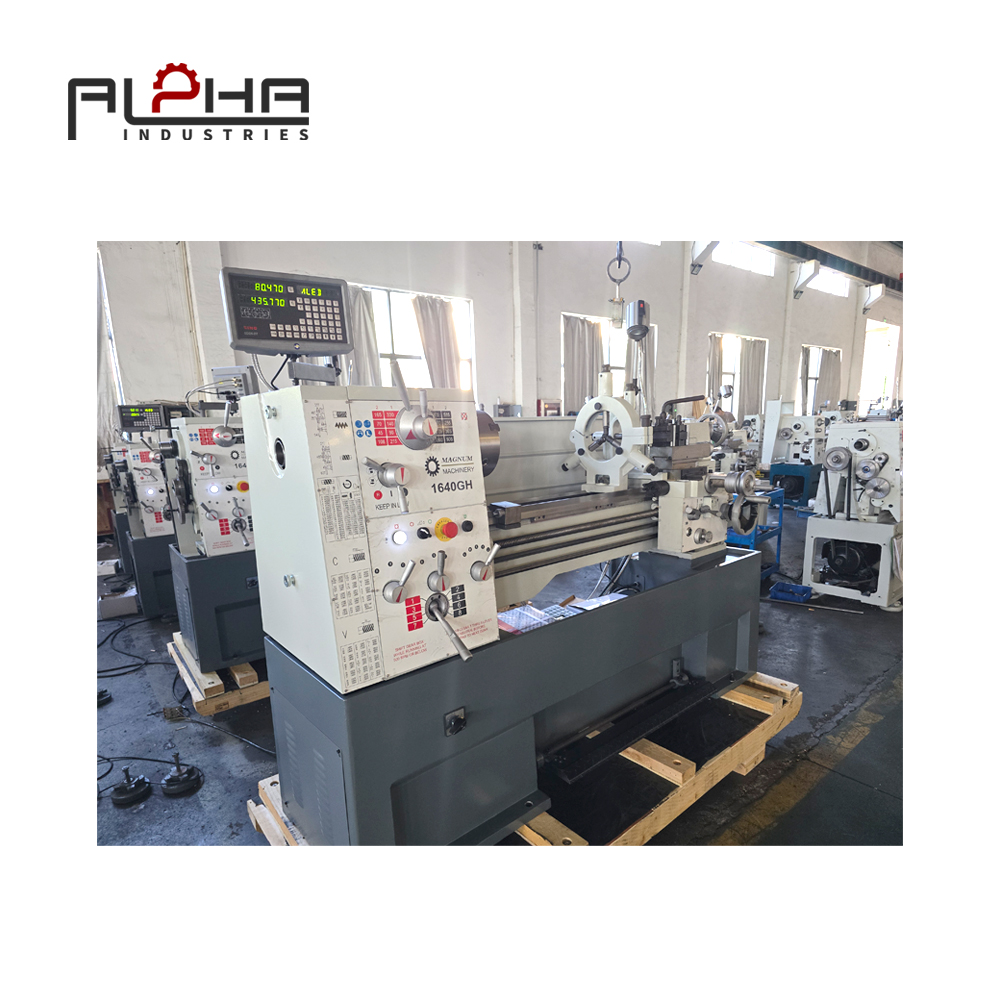
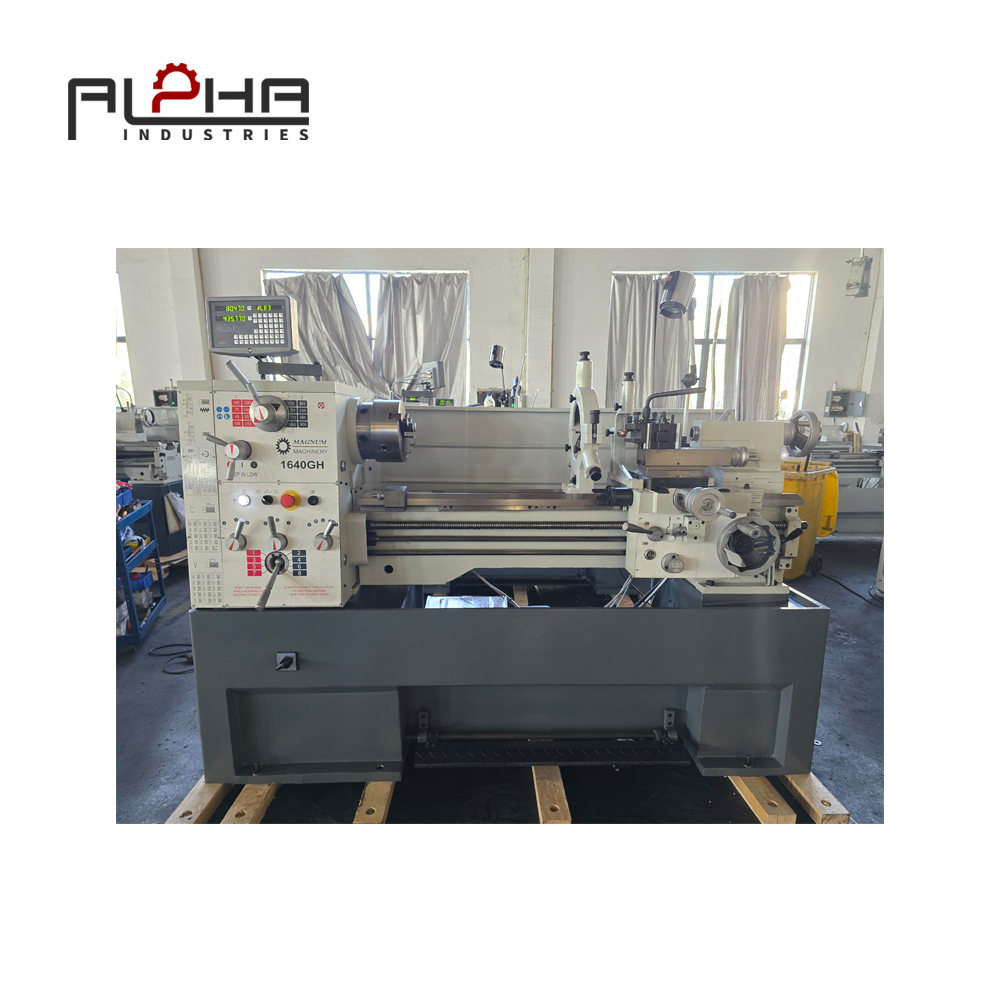
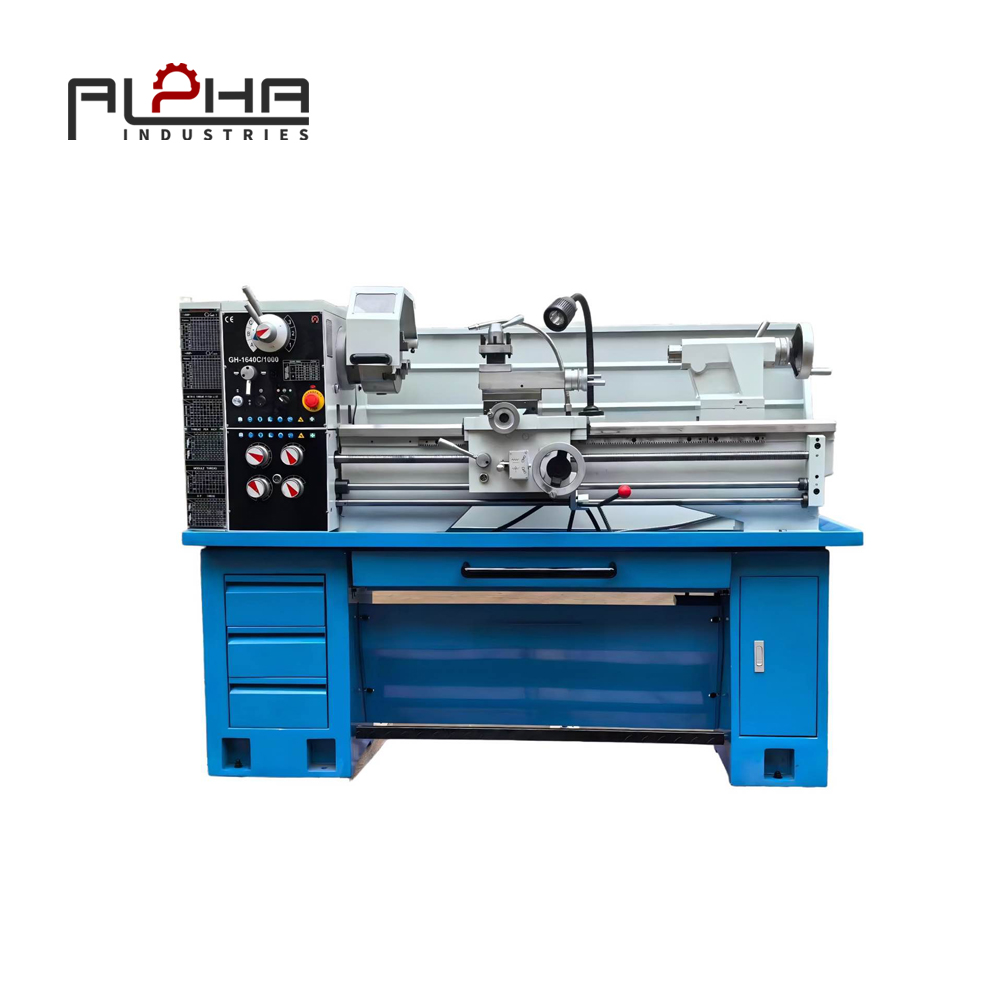
In every metalworking workshop, the lathe machine is one of the most valuable and frequently used pieces of equipment. It is responsible for turning shafts, sleeves, flanges, bushings, and countless other mechanical components.
However, many users focus only on the purchase price and initial performance of a lathe machine while ignoring one critical factor:
Regular and professional maintenance
Even the highest-quality lathe machine cannot maintain its accuracy and efficiency without proper care. Over time, lack of maintenance leads to wear, vibration, dimensional errors, and unexpected breakdowns.
This article focuses on a single core topic:
How proper maintenance of a lathe machine directly determines machining precision, service life, and production efficiency
Why Lathe Machine Maintenance Is So Important
A lathe machine is a complex mechanical system composed of spindles, gears, guideways, bearings, and transmission components. During daily operation it faces:
-
Continuous cutting forces
-
Metal chips and dust
-
Coolant and oil contamination
-
Friction and heat
-
Mechanical vibration
Without regular maintenance, these factors gradually reduce machine performance, resulting in:
-
Loss of accuracy
-
Poor surface finish
-
Increased tool wear
-
Higher failure rate
-
Shortened machine life
Therefore, maintenance is not an optional task—it is an essential part of professional production management.
Core Areas of Lathe Machine Maintenance
To keep a lathe machine in optimal condition, several key systems require regular attention.
Guideway Lubrication – The Lifeline of Accuracy
The guideways of a lathe machine control the movement of the carriage and cross slide. They are directly related to:
-
Straightness
-
Positioning accuracy
-
Surface finish quality
If guideways are not properly lubricated, problems quickly appear:
-
Increased friction
-
Uneven movement
-
Premature wear
-
Loss of precision
Best Practices:
-
Lubricate guideways daily
-
Use recommended lubrication oil
-
Keep oil channels clean
-
Wipe guide surfaces after every shift
Consistent lubrication is the most basic and most important maintenance task for any lathe machine.
Spindle System Inspection
The spindle is the heart of the lathe machine. Its condition determines:
-
Rotational accuracy
-
Machining stability
-
Surface roughness
Over time, spindle bearings and internal components can wear.
Maintenance Actions:
-
Regularly check spindle temperature
-
Listen for abnormal noise
-
Inspect spindle runout
-
Replace worn bearings in time
A well-maintained spindle ensures smooth and accurate turning operations.
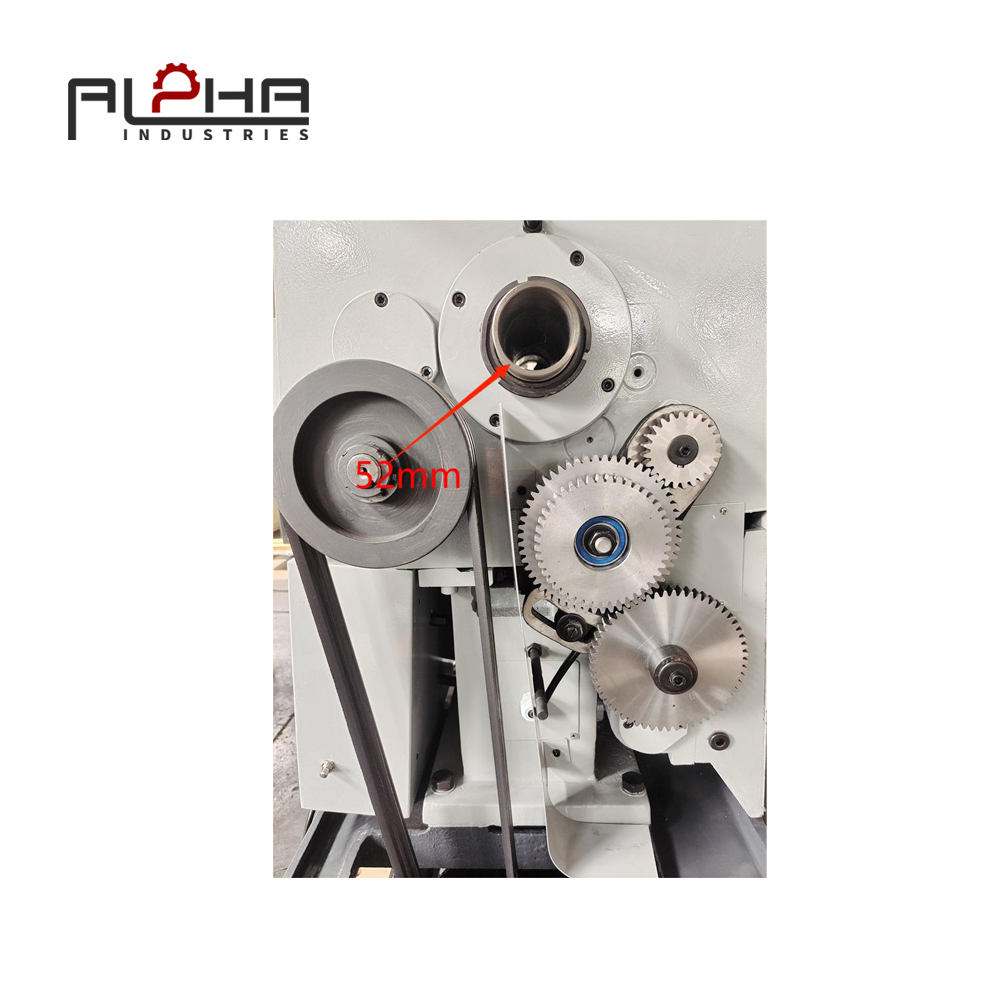
Gearbox and Transmission Care
Traditional lathe machines rely on mechanical gearboxes for speed changes. These systems require:
-
Clean lubricating oil
-
Proper oil levels
-
Regular inspection of gears and shafts
Dirty or insufficient oil can cause:
-
Gear wear
-
Noise
-
Power loss
-
Transmission failure
Changing gearbox oil at scheduled intervals is essential for long-term reliability.
Cleaning – A Simple but Critical Task
Metal chips, dust, and coolant residue are the natural enemies of any lathe machine.
If chips accumulate:
-
Moving parts wear faster
-
Clamping surfaces become inaccurate
-
Corrosion may occur
Daily Cleaning Routine:
-
Remove chips after every shift
-
Wipe exposed surfaces
-
Clean chuck and tool post
-
Keep electrical parts dry and clean
A clean machine is always a more accurate and reliable machine.
Alignment and Adjustment
During long-term use, mechanical components may gradually loosen or shift.
Regular checks should include:
-
Tailstock alignment
-
Carriage gib adjustment
-
Chuck condition
-
Tool post locking
Small misalignments can cause big machining errors. Periodic adjustment keeps the lathe machine performing like new.
Daily, Weekly, and Monthly Maintenance Plan
Daily Maintenance
-
Clean machine surfaces
-
Lubricate guideways
-
Check oil levels
-
Inspect for abnormal noise
-
Remove chips and dirt
Weekly Maintenance
-
Clean coolant system
-
Inspect belts and gears
-
Check electrical switches
-
Verify clamping mechanisms
Monthly Maintenance
-
Comprehensive accuracy inspection
-
Check spindle runout
-
Change lubricants if needed
-
Tighten bolts and fasteners
Following a structured maintenance schedule greatly extends machine life.
Common Problems Caused by Poor Maintenance
Many typical machining issues are actually maintenance-related:
| Symptom | Likely Cause |
|---|---|
| Poor surface finish | Dry guideways |
| Size variation | Loose carriage gibs |
| Vibration | Worn spindle bearings |
| Noise | Lack of lubrication |
| Overheating | Dirty oil system |
Proper maintenance prevents most of these problems before they occur.
Benefits of a Well-Maintained Lathe Machine
When maintenance is performed correctly, users gain:
-
Stable machining accuracy
-
Longer machine service life
-
Lower repair costs
-
Higher production efficiency
-
Better product quality
In the long run, good maintenance saves far more money than it costs.
How ALPHA Supports Customers in Maintenance
At ALPHA, we not only manufacture high-quality lathe machines, but also help customers keep them in top condition.
Our advantages include:
-
Clear maintenance manuals
-
Durable mechanical design
-
Easy lubrication systems
-
Reliable spare parts supply
-
Professional technical support
We believe that a great lathe machine must be:
Easy to use, easy to maintain, and built to last.
Industries That Depend on Reliable Lathe Machines
Properly maintained lathe machines are essential in:
-
General mechanical processing
-
Automotive parts
-
Pump and valve production
-
Agricultural machinery
-
Mining equipment
-
Energy and power industries
Wherever precision turning is required, maintenance is the foundation of success.
Frequently Asked Questions
Q1: How often should a lathe machine be maintained?
A: Basic cleaning and lubrication should be done daily, with more detailed inspection weekly and monthly.
Q2: What is the most important maintenance task?
A: Regular lubrication of guideways and spindle system is the most critical task for maintaining accuracy.
Q3: How can I improve the life of my lathe machine?
A: Keep the machine clean, well-lubricated, properly aligned, and operated within recommended limits.
Q4: What happens if a lathe machine is not maintained?
A: It will gradually lose accuracy, develop vibration, require more repairs, and have a much shorter service life.
Q5: Can maintenance really improve machining quality?
A: Yes. Good maintenance directly improves surface finish, dimensional stability, and overall turning performance.
Conclusion
A lathe machine is a long-term investment for any workshop. Purchasing a high-quality machine is only the first step. The real secret to long-term productivity lies in:
Consistent and professional maintenance
With proper lubrication, cleaning, inspection, and adjustment, a lathe machine can maintain its original precision for many years and deliver reliable performance every day.
At ALPHA, we design durable and user-friendly lathe machines while helping customers establish effective maintenance practices. This combination ensures stable production, lower costs, and better machining results.
If you need expert advice on lathe machine maintenance, spare parts, or professional turning solutions, please feel free to contact us.
Internal Links
-
Learn more about our products: https://alpha-cnc.com/
-
Get technical support: contact us