

+86-17372713393 sale01@alpha-cnc.com

High-Rigidity Milling Machine Spindle for Precision Cutting | Alpha

  • CONVENTIONAL MACHINE
  • MILLING MACHINE
Posted by NANJING ALPHA CNC CO., LTD On Nov 18 2025

High-Rigidity Spindle Technology in Modern Milling Machines

In industrial machining, the performance of a milling machine is defined not only by its feed rate or cutting capability, but by the rigidity and stability of its spindle system. A high-rigidity spindle directly determines cutting precision, surface finish, tool life, and long-term machining consistency.

At Alpha, we focus on developing milling machines equipped with reinforced spindle structures that maintain stability even under heavy-duty cutting conditions. This article explores how spindle rigidity improves machining accuracy and why it is one of the core measurements of a high-performance milling machine.
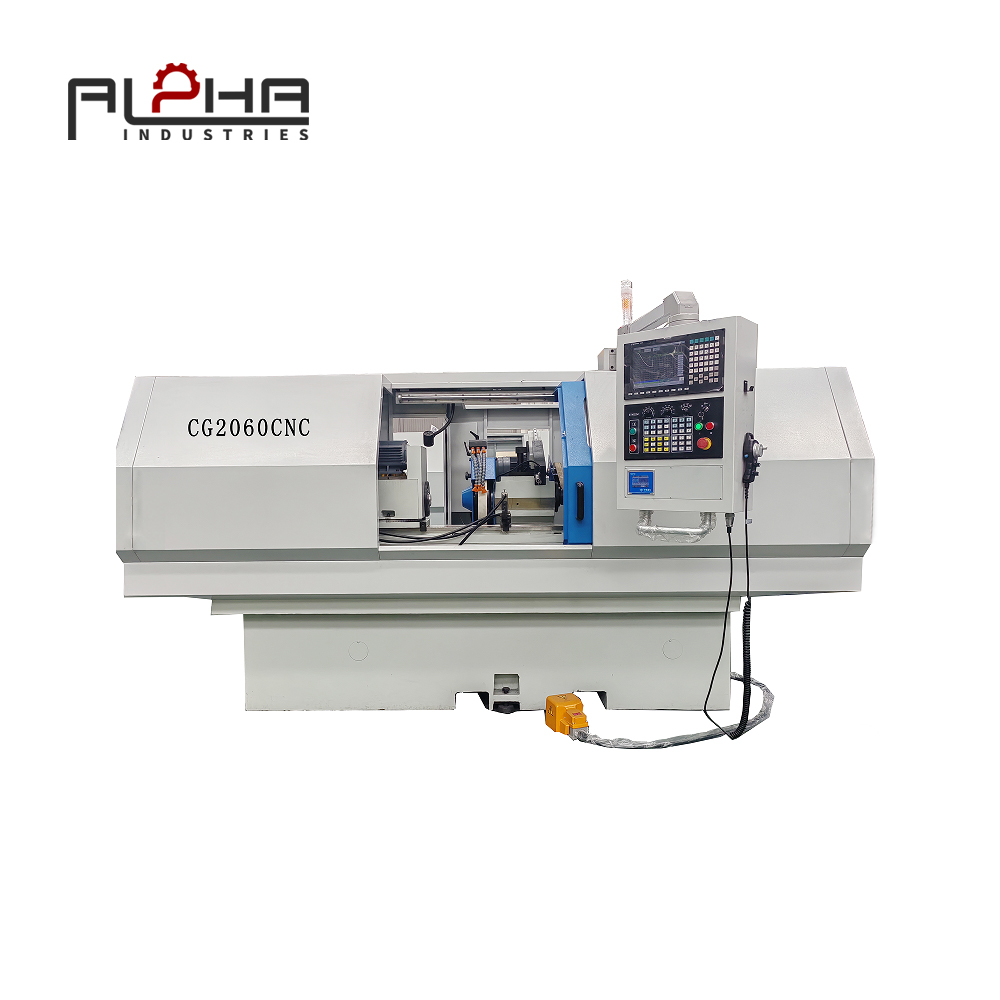

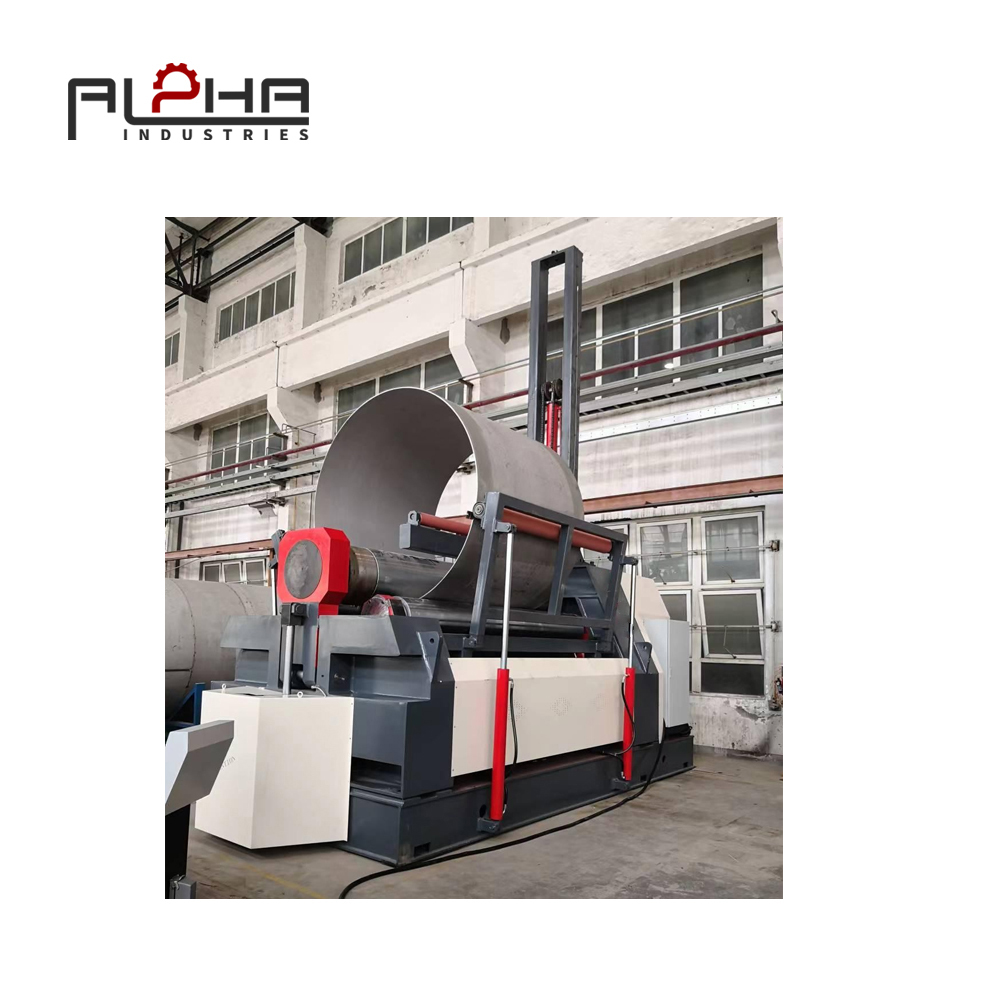
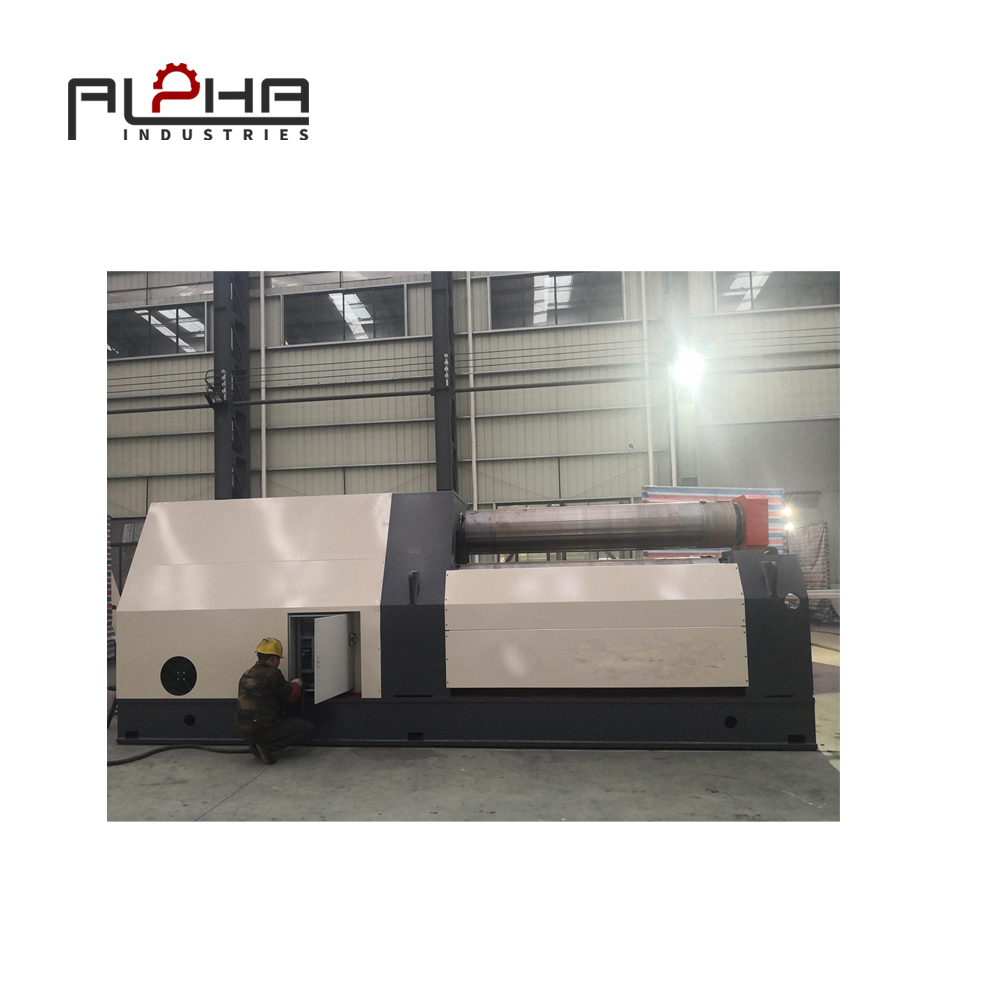
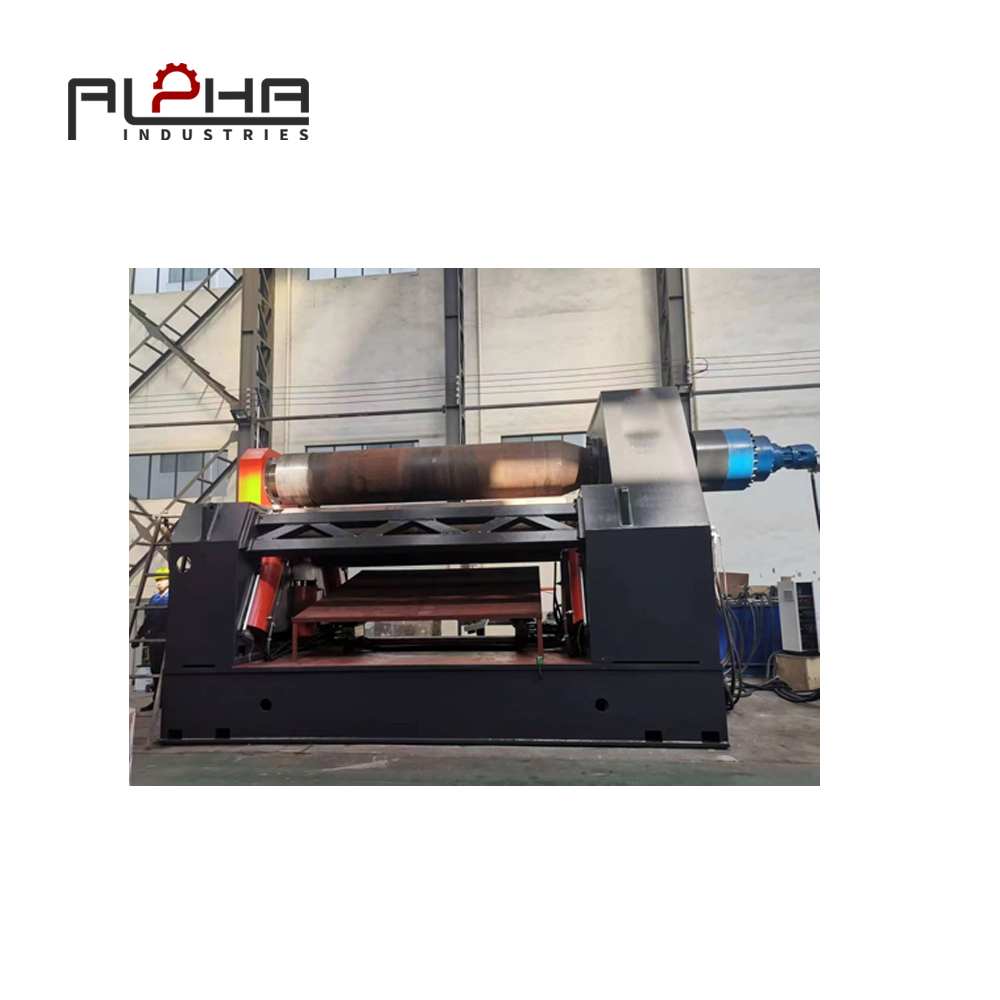
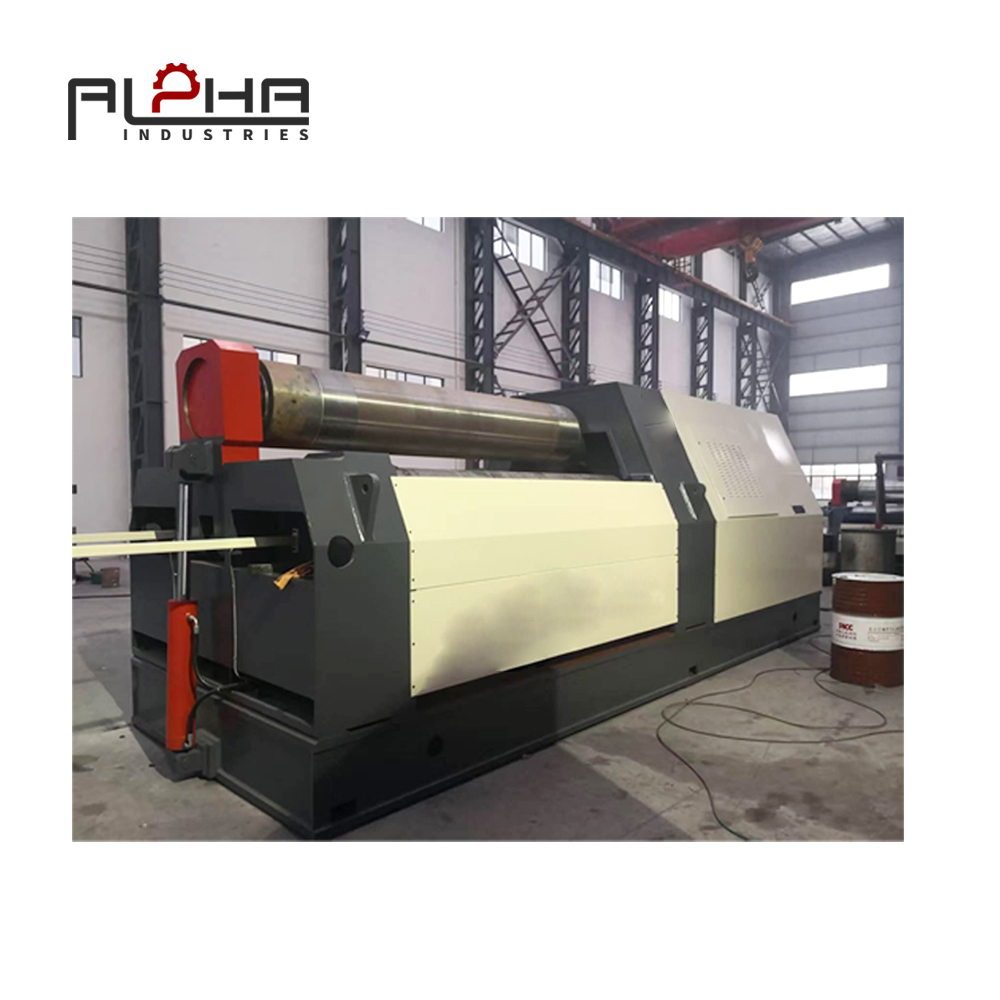
Professional milling machine showcasing high-rigidity spindle and precision cutting in a metal fabrication environment.

Why Spindle Rigidity Is the Core of a Milling Machine

The spindle is the heart of every milling machine. When the spindle cannot resist vibration, heat growth, or cutting load, the machine loses accuracy—regardless of how advanced the controller or the feed system is.
High-rigidity spindle design solves this.

Key Effects of High-Rigidity Spindle Performance

  • Improved Cutting Accuracy
    Reduced deflection keeps cutting paths true and dimensional errors minimal.

  • Enhanced Surface Finish
    A stable spindle decreases chatter marks and ensures micron-level finishes.

  • Longer Tool Life
    Less vibration reduces tool wear and allows higher cutting parameters.

  • Stable Heavy-Duty Milling
    Thick-wall castings and reinforced spindle sleeves prevent bending under large side loads.

  • Better Thermal Stability
    Controlled heat expansion keeps tolerances stable even in long production cycles.


Technical Breakdown — What Defines a High-Rigidity Milling Spindle

1. Spindle Shaft Material & Heat Treatment

Alpha milling machines use high-strength alloy steel with deep hardening treatments to ensure:

  • Extreme torsional rigidity

  • Anti-fatigue structure

  • Low deformation over long-term operation

2. Precision Angular Contact Bearings

Bearing configuration determines the spindle’s vibration behavior.
We adopt:

  • P4-grade or P2-grade bearings

  • Preloaded arrangements for ultra-low runout

  • Oil-air lubrication for consistent temperature control

3. Reinforced Spindle Housing

A thickened housing and optimized ribbing structure reduce dynamic deflection.
This ensures:

  • Stable cutting at high RPM

  • Better performance during heavy side milling

  • Improved contour accuracy in 3D machining

4. Dynamic Balancing & Vibration Suppression

Spindles are dynamically balanced to reduce vibration at high speed.
This improves:

  • Tool cutting stability

  • Surface smoothness

  • Noise and vibration control


How Spindle Rigidity Improves Milling Machine Productivity

1. Higher Feed Rates Without Loss of Accuracy

A rigid spindle withstands higher cutting forces, allowing users to increase feed speed without sacrificing dimensional tolerance.

2. Lower Scrap Rate & More Consistent Quality

Stable spindle behavior delivers repeatable accuracy, which is essential for batch production and precision mold machining.

3. Extended Machine Lifespan

Reduced vibration protects the machine’s frame, linear guideways, and ball screws—resulting in longer service life and lower maintenance cost.

4. Better Performance With Hard-to-cut Materials

Titanium, alloy steel, and stainless steel require stable torque transfer.
A rigid spindle ensures smooth cutting, less tool breakage, and consistent chip removal.


Alpha’s Milling Machine Advantages

At Alpha, we optimize the entire spindle structure—not just the shaft—resulting in superior performance:

  • Finite Element Analysis (FEA) design for maximum rigidity

  • Advanced bearing configurations tested for long-term durability

  • Thermal compensation functions for stable accuracy

  • Heavy-body cast iron bases to absorb dynamic cutting forces

Our goal is to deliver milling machines that stay accurate, stable, and productive across years of industrial operation.


FAQ

Q1: What makes a milling machine spindle “high rigidity”?

A spindle with thick-wall shafts, high-grade bearings, and a reinforced housing that resists vibration and bending during cutting.

Q2: How does spindle rigidity affect machining accuracy?

Higher rigidity minimizes deflection, ensuring tighter tolerances and improved geometric accuracy.

Q3: Which industries need high-rigidity spindle milling machines?

Aerospace, mold fabrication, automotive parts production, and precision component manufacturing.

Q4: Does a high-rigidity spindle improve tool life?

Yes. Lower vibration means reduced tool wear and longer stable cutting periods.

Q5: What cutting tasks benefit most from a rigid spindle?

Heavy-duty milling, side milling, high-speed finishing, and machining hardened materials.


Conclusion

A high-rigidity spindle is one of the most important factors determining the accuracy, efficiency, and lifespan of a milling machine.
With advanced spindle engineering, Alpha ensures every milling machine delivers stable performance for precision machining and heavy-duty industrial cutting.
Featured Blogs
How to Control Energy Costs with a 4-Roller Plate Rolling Machine in Brazil

How to Control Energy Costs with a 4-Roller Plate Rolling Machine in Brazil

Rising electricity costs are creating additional pressure for Brazilian metal fabrication companies. For manufacturers processing steel plates into cylindrical components, controlling energy consumption is an important part of managing production expenses. This article explains how a 4-roller plate rolling machine can support better energy management through suitable machine sizing, hydraulic system maintenance, reduced idle operation, optimized rolling cycles, and preventive maintenance. It also provides practical purchasing considerations for Brazilian manufacturers looking to improve long-term equipment operating costs.

How a 4-Roller Plate Rolling Machine Improves Plate Rolling Accuracy and Reduces Material Waste in the USA

How a 4-Roller Plate Rolling Machine Improves Plate Rolling Accuracy and Reduces Material Waste in the USA

For American metal fabrication companies, achieving consistent plate curvature while minimizing material waste is a major production challenge. This article explores how a 4-roller plate rolling machine helps manufacturers improve rolling accuracy, control material deformation, reduce operator dependency, and achieve more reliable production results. It also explains important machine selection factors for businesses processing carbon steel, stainless steel, and other industrial metal plates.

How a 4-Roller Plate Rolling Machine Helps Mexican Manufacturers Meet Tight Production Deadlines

How a 4-Roller Plate Rolling Machine Helps Mexican Manufacturers Meet Tight Production Deadlines

As Mexico strengthens its position in North American manufacturing and nearshoring supply chains, metal fabrication companies face growing pressure to deliver customized products within shorter production schedules. This article explores how a 4-roller plate rolling machine helps Mexican manufacturers improve production flexibility, simplify workpiece handling, reduce unnecessary setup operations, and process different cylindrical components more efficiently.

NR-12 Safety Requirements for 4-Roller Plate Rolling Machines: What Brazilian Manufacturers Need to Know

NR-12 Safety Requirements for 4-Roller Plate Rolling Machines: What Brazilian Manufacturers Need to Know

For Brazilian metal fabrication companies, purchasing industrial machinery involves more than evaluating processing capacity and price. Machinery safety and NR-12 requirements are also important considerations when importing and installing equipment. This article explains the key safety aspects buyers should evaluate when selecting a 4-roller plate rolling machine, including roller guarding, emergency stop systems, hydraulic safety, electrical controls, operator training, and Portuguese technical documentation. It also provides practical guidance for preparing imported plate rolling equipment for safe industrial operation in Brazil.

Improving Plate Rolling Consistency in Colombia: How a 4-Roller Plate Rolling Machine Handles Mixed Production Requirements

Improving Plate Rolling Consistency in Colombia: How a 4-Roller Plate Rolling Machine Handles Mixed Production Requirements

For metal fabrication companies in Colombia, producing consistent rolled components from different plate sizes and material specifications can be a daily production challenge. Changes in plate thickness, width, material strength, and required diameter can make forming results difficult to repeat, especially when operators rely heavily on manual adjustments. A 4-roller plate rolling machine offers a practical approach to improving plate positioning, controlling pre-bending, and maintaining a more stable forming process. This article explains how four-roll technology can help Colombian manufacturers reduce dimensional variation, improve production repeatability, and build a more reliable workflow for tanks, cylindrical shells, structural components, and other rolled products.

How to Minimize Machine Downtime with a 4-Roller Plate Rolling Machine in Mexico

How to Minimize Machine Downtime with a 4-Roller Plate Rolling Machine in Mexico

For Mexican metal fabrication companies, unexpected machine breakdowns can interrupt production, increase maintenance expenses, and delay customer deliveries. This article explains how to evaluate a 4-roller plate rolling machine from a long-term reliability perspective. It covers hydraulic system maintenance, roller inspection, spare parts planning, operator training, preventive maintenance, and supplier support to help manufacturers reduce equipment downtime and maintain stable production.