

+86-17372713393 sale01@alpha-cnc.com

Hydraulic Shear Machine for Reducing Material Waste in Colombia

  • CONVENTIONAL MACHINE
Posted by NANJING ALPHA CNC CO., LTD On Apr 24 2026

Material Waste in Colombia: How Hydraulic Shear Machines Reduce Cost

Material Waste – A Hidden Cost in Colombia’s Metal Fabrication Industry

In Colombia’s growing manufacturing and metal fabrication sector, one of the most overlooked cost drivers is material waste during sheet metal cutting.

Many workshops and factories face the following issues:

  • Irregular cutting edges leading to unusable scrap
  • Inconsistent cutting accuracy due to outdated machines
  • High rejection rates in downstream processes
  • Rising raw material costs impacting profitability

Unlike labor or electricity costs, material waste directly reduces margins without adding any production value. This makes it a critical issue for businesses aiming to stay competitive in Colombia.
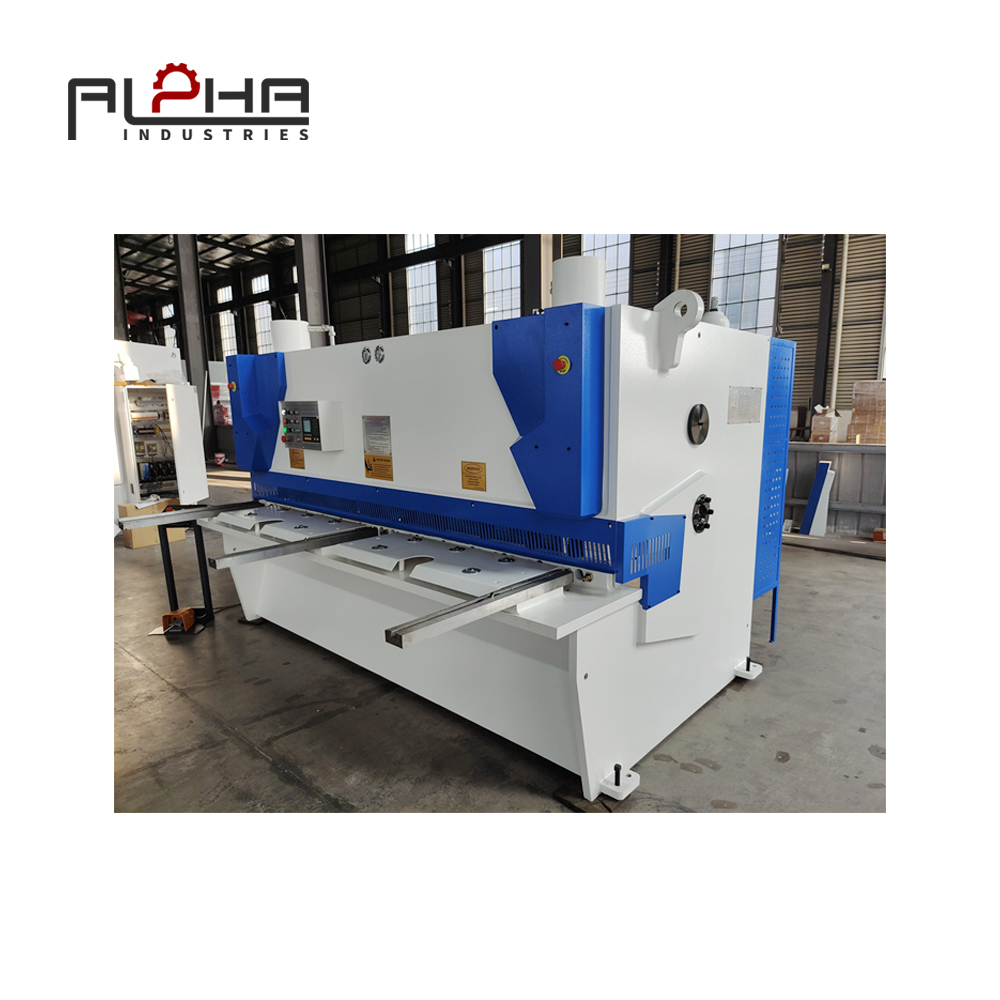

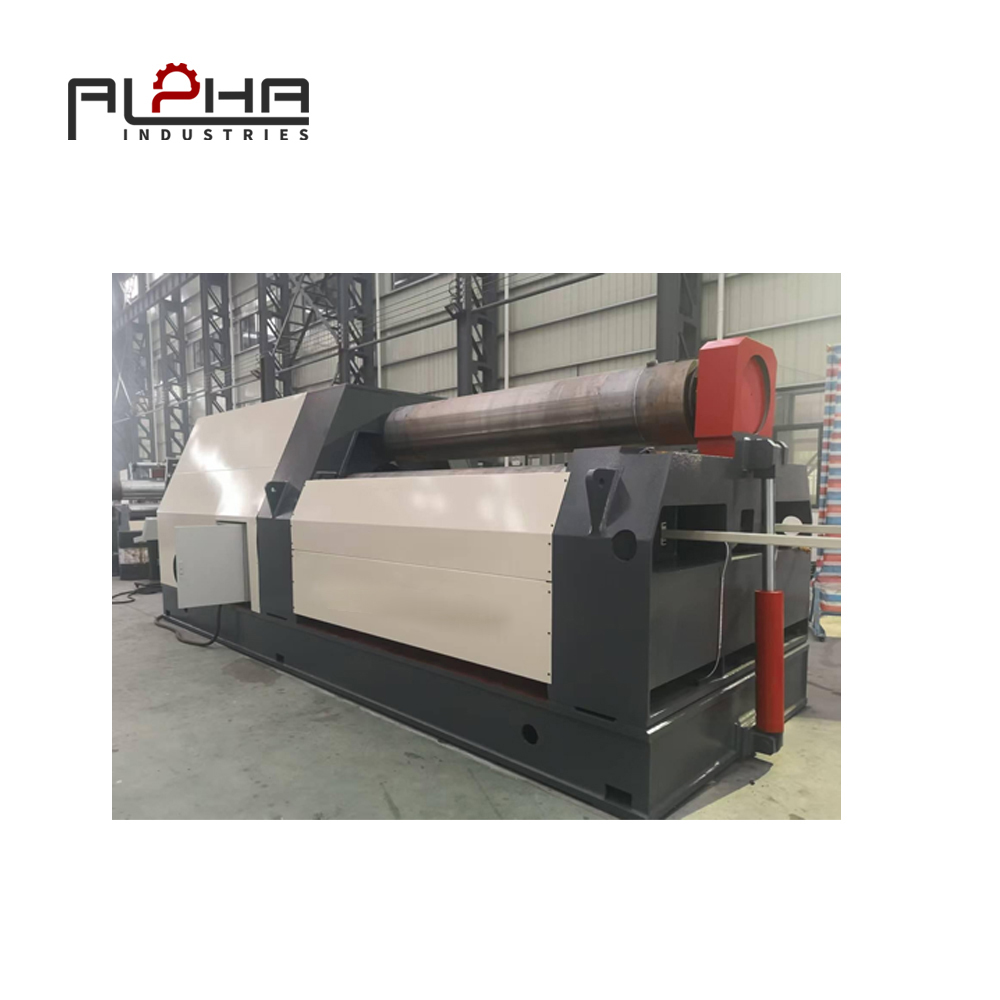
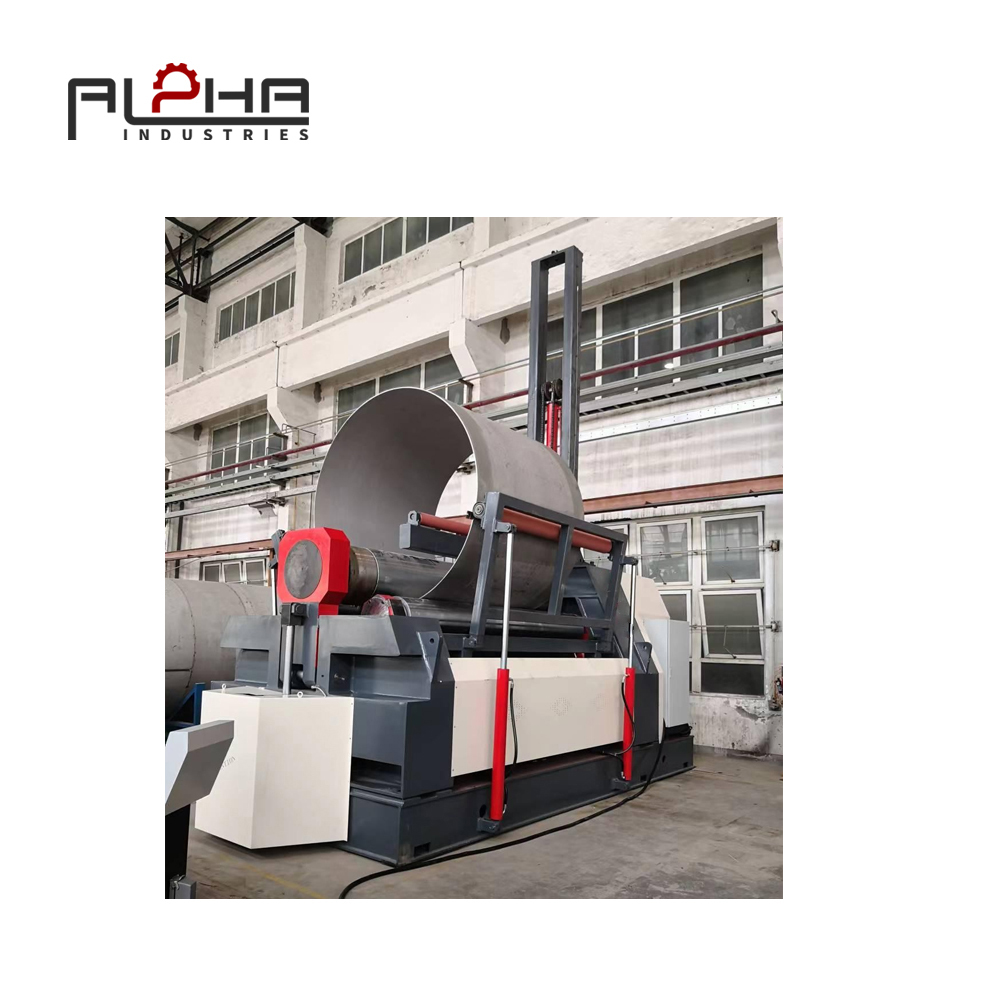
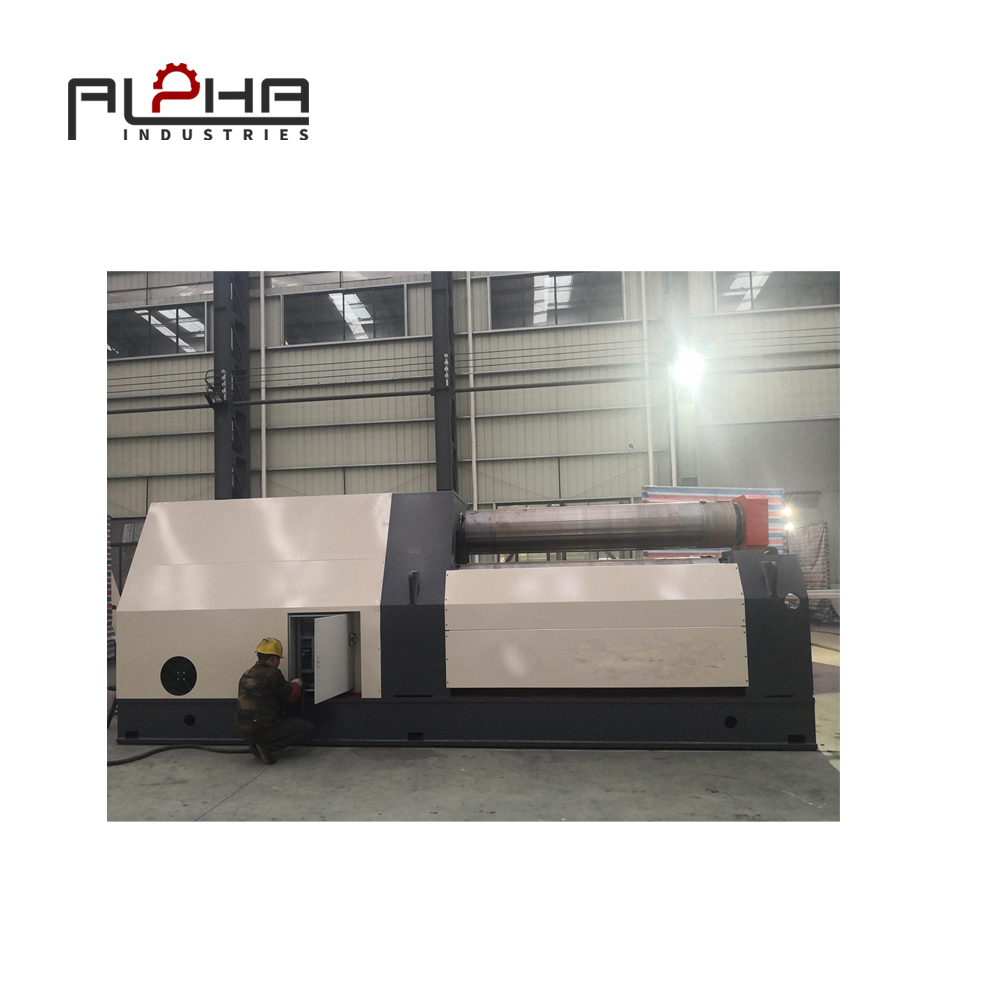
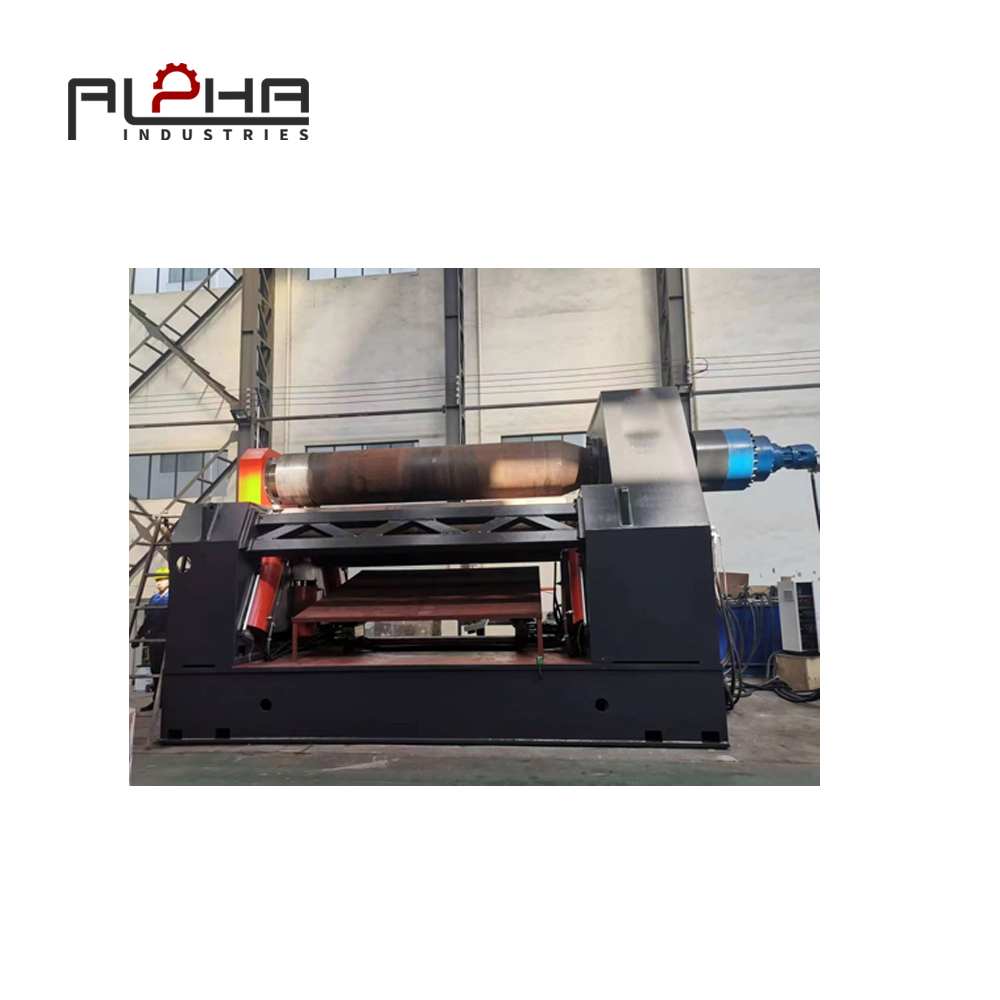
Hydraulic Shear Machine Reducing Material Waste in Colombia Factory.jpg

Why Traditional Shearing Machines Increase Waste

Blade Misalignment and Mechanical Instability

Older mechanical shear machines often suffer from blade clearance inconsistencies, resulting in:

  • Burr formation
  • Uneven edges
  • Deformation of thin sheets

As a result, operators must reprocess or discard materials, increasing overall waste.


Lack of Precision Control

Manual adjustment systems make it difficult to maintain consistent cutting parameters. In Colombia, where production batches frequently vary, this becomes a major limitation.


Operator Dependency

Traditional machines rely heavily on operator experience. Variations in skill level lead to:

  • Inconsistent output
  • Increased scrap rates

How Hydraulic Shear Machines Solve Material Waste Issues

Alpha’s hydraulic shear machine is specifically engineered to address these challenges.

High-Precision Blade Clearance Adjustment

Modern hydraulic systems allow for accurate blade gap control, ensuring:

  • Clean cuts with minimal burr
  • Reduced edge deformation
  • Higher material utilization

Stable Hydraulic System for Consistent Cutting Force

The hydraulic drive ensures uniform pressure distribution across the cutting length, which is essential for:

  • Thick plate processing
  • Long sheet cutting
  • Continuous production stability

Back Gauge System for Repeat Accuracy

With a precision back gauge system, operators can achieve:

  • Exact cutting dimensions
  • Reduced measuring errors
  • Faster production cycles

This directly reduces offcuts and scrap material.


Key Benefits for Colombian Manufacturers

Reduced Raw Material Costs

By minimizing waste, businesses can significantly reduce raw material expenses—especially important in Colombia, where material prices can fluctuate.


Improved Production Efficiency

Less rework leads to:

  • Faster throughput
  • Lower labor costs
  • Increased production capacity

Better Product Quality

Consistent cutting quality improves downstream processes such as:

  • Bending
  • Welding
  • Assembly

Application Scenarios in Colombia

Hydraulic shear machines are widely used in:

  • Construction material processing
  • HVAC duct manufacturing
  • Automotive component fabrication
  • General metal workshops

These industries require high material efficiency, making waste reduction a top priority.


Why Choose Alpha Hydraulic Shear Machine

Alpha focuses on delivering reliable and cost-effective solutions tailored to international markets like Colombia.

Technical Advantages

  • Durable high-strength frame structure
  • Precision-ground blades for long service life
  • Energy-efficient hydraulic system
  • User-friendly control interface

Support for International Customers

Alpha provides:

  • Remote technical support
  • Installation guidance
  • After-sales service for long-term operation

FAQ

How does a hydraulic shear machine reduce material waste?

It ensures precise cutting with consistent blade clearance and stable force, reducing errors and scrap.

What thickness can a hydraulic shear machine cut?

Depending on the model, it can cut from thin sheets to thick steel plates, typically ranging from 1mm to 25mm.

Is a hydraulic shear machine suitable for small workshops in Colombia?

Yes. It is ideal for workshops aiming to reduce material costs and improve cutting accuracy.

What is the difference between hydraulic and mechanical shear machines?

Hydraulic machines provide more stable force, higher precision, and better adaptability to different materials.

How can I improve cutting accuracy in sheet metal processing?

Using a hydraulic shear machine with a precision back gauge and proper blade adjustment is the most effective solution.


Conclusion

Material waste is a silent profit killer in Colombia’s metal fabrication industry. By upgrading to a hydraulic shear machine, manufacturers can significantly reduce scrap, improve efficiency, and maintain consistent product quality.

Alpha provides reliable, high-performance solutions designed to meet the real challenges faced by Colombian workshops and factories.


To learn more about how Alpha can support your business with efficient metal processing solutions:
👉 https://alpha-cnc.com/contact-us/

Explore more advanced machinery solutions on our website to optimize your production line.
Featured Blogs
How to Control Energy Costs with a 4-Roller Plate Rolling Machine in Brazil

How to Control Energy Costs with a 4-Roller Plate Rolling Machine in Brazil

Rising electricity costs are creating additional pressure for Brazilian metal fabrication companies. For manufacturers processing steel plates into cylindrical components, controlling energy consumption is an important part of managing production expenses. This article explains how a 4-roller plate rolling machine can support better energy management through suitable machine sizing, hydraulic system maintenance, reduced idle operation, optimized rolling cycles, and preventive maintenance. It also provides practical purchasing considerations for Brazilian manufacturers looking to improve long-term equipment operating costs.

How a 4-Roller Plate Rolling Machine Improves Plate Rolling Accuracy and Reduces Material Waste in the USA

How a 4-Roller Plate Rolling Machine Improves Plate Rolling Accuracy and Reduces Material Waste in the USA

For American metal fabrication companies, achieving consistent plate curvature while minimizing material waste is a major production challenge. This article explores how a 4-roller plate rolling machine helps manufacturers improve rolling accuracy, control material deformation, reduce operator dependency, and achieve more reliable production results. It also explains important machine selection factors for businesses processing carbon steel, stainless steel, and other industrial metal plates.

How a 4-Roller Plate Rolling Machine Helps Mexican Manufacturers Meet Tight Production Deadlines

How a 4-Roller Plate Rolling Machine Helps Mexican Manufacturers Meet Tight Production Deadlines

As Mexico strengthens its position in North American manufacturing and nearshoring supply chains, metal fabrication companies face growing pressure to deliver customized products within shorter production schedules. This article explores how a 4-roller plate rolling machine helps Mexican manufacturers improve production flexibility, simplify workpiece handling, reduce unnecessary setup operations, and process different cylindrical components more efficiently.

NR-12 Safety Requirements for 4-Roller Plate Rolling Machines: What Brazilian Manufacturers Need to Know

NR-12 Safety Requirements for 4-Roller Plate Rolling Machines: What Brazilian Manufacturers Need to Know

For Brazilian metal fabrication companies, purchasing industrial machinery involves more than evaluating processing capacity and price. Machinery safety and NR-12 requirements are also important considerations when importing and installing equipment. This article explains the key safety aspects buyers should evaluate when selecting a 4-roller plate rolling machine, including roller guarding, emergency stop systems, hydraulic safety, electrical controls, operator training, and Portuguese technical documentation. It also provides practical guidance for preparing imported plate rolling equipment for safe industrial operation in Brazil.

Improving Plate Rolling Consistency in Colombia: How a 4-Roller Plate Rolling Machine Handles Mixed Production Requirements

Improving Plate Rolling Consistency in Colombia: How a 4-Roller Plate Rolling Machine Handles Mixed Production Requirements

For metal fabrication companies in Colombia, producing consistent rolled components from different plate sizes and material specifications can be a daily production challenge. Changes in plate thickness, width, material strength, and required diameter can make forming results difficult to repeat, especially when operators rely heavily on manual adjustments. A 4-roller plate rolling machine offers a practical approach to improving plate positioning, controlling pre-bending, and maintaining a more stable forming process. This article explains how four-roll technology can help Colombian manufacturers reduce dimensional variation, improve production repeatability, and build a more reliable workflow for tanks, cylindrical shells, structural components, and other rolled products.

How to Minimize Machine Downtime with a 4-Roller Plate Rolling Machine in Mexico

How to Minimize Machine Downtime with a 4-Roller Plate Rolling Machine in Mexico

For Mexican metal fabrication companies, unexpected machine breakdowns can interrupt production, increase maintenance expenses, and delay customer deliveries. This article explains how to evaluate a 4-roller plate rolling machine from a long-term reliability perspective. It covers hydraulic system maintenance, roller inspection, spare parts planning, operator training, preventive maintenance, and supplier support to help manufacturers reduce equipment downtime and maintain stable production.